

A federal mortgage fraud case tied to Los Angeles properties drew attention for its scale, its elderly targets, and the image of agents surrounding a Hollywood mansion before making an arrest. The allegations pointed to a much broader problem than one dramatic raid.
According to prosecutors, the accused group allegedly used stolen identities to secure hard-money loans against homes owned by older adults, leaving millions in losses. For families with aging parents or relatives who own property, the case underscored how real estate fraud can begin with paperwork, emails, and personal information long before anyone notices a loan has been taken out.
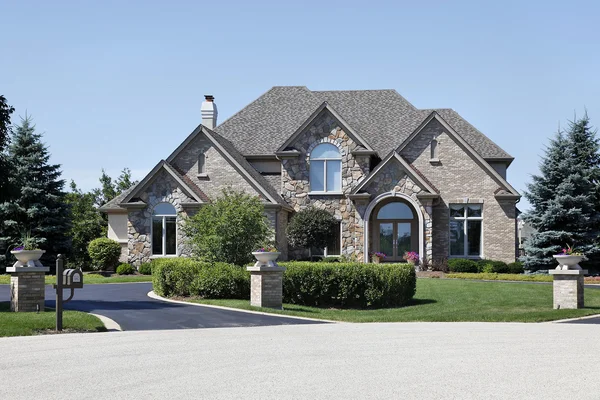
1. Personal information was allegedly used to impersonate homeowners
Authorities said the defendants targeted elderly homeowners between 2021 and 2023 by stealing personal details and using them to build false identities. Prosecutors alleged that fake identification documents and email accounts were created so applications could appear to come from the actual property owners. That detail stands out because identity theft often looks ordinary at first. A senior may not immediately recognize that copied documents, account access, or exposed personal data can be used to open the door to much larger financial crimes. The Justice Department case described fake IDs and email accounts as part of the alleged scheme.

2. The homes themselves allegedly became collateral
Prosecutors said the scheme centered on high-value hard-money mortgages backed by victims’ properties. In practical terms, that meant a house could be turned into the engine of the fraud without the owner knowingly requesting the loan.

This is the kind of risk that makes mortgage scams especially damaging for older adults. A home is often the largest asset a family has, and once a fraudulent loan is attached to it, the financial fallout can spread into credit damage, legal costs, and threats to long-term housing security. Consumer guidance from the FTC warns that companies cannot legally charge upfront fees for mortgage relief promises and that homeowners should stay in direct contact with their real lender.

3. False documents can make a fraudulent deal look legitimate
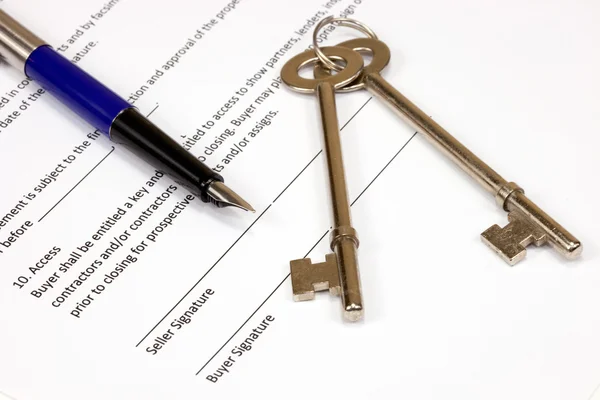
Investigators said the loan applications included falsified bank statements, rental agreements, and medical records. That allegation matters because many financial crimes do not depend on one forged signature alone; they depend on a stack of documents that, taken together, appear credible enough to move money quickly.

Mortgage-related scams frequently rely on urgency, complexity, and trust in official-looking paperwork. The FTC has also warned consumers about deed-transfer and rescue-loan schemes in which key ownership documents are buried inside larger packets. In this case, prosecutors described an alleged pattern of falsified documents including bank statements, rental agreements and medical records.
4. Seniors remain one of the costliest fraud targets
The Los Angeles allegations landed against a national backdrop that has grown steadily worse. The FBI said older Americans reported enormous losses last year, showing how financial exploitation now reaches far beyond phone scams and fake tech support pop-ups. In 2024, Americans age 60 and older reported $4.8 billion in fraud losses, with nearly 150,000 complaints filed, according to figures cited by the FBI.

Officials have also warned that emotional manipulation remains central to many schemes, whether the pitch involves a grandchild in danger, a false investment opportunity, or a fake business contact. The National Council on Aging notes that older adults are often targeted because criminals believe they have savings, home equity, or retirement assets, while shame and underreporting can keep scams hidden longer.

5. Family verification habits can matter before money moves
One of the simplest anti-fraud tools promoted by investigators has nothing to do with software. It is communication. FBI officials in New York recently encouraged families to create a shared password or phrase to verify urgent requests, especially when a call or message claims a loved one is in immediate trouble. That advice emerged partly because scammers now use AI-enhanced voices and more convincing impersonation tactics. A family safe word will not stop every scheme, but it can slow down the panic that scammers try to trigger.

The Hollywood-linked case may have featured luxury cars, a mansion raid, and headline-grabbing arrests, but its core warning was much more familiar. Older homeowners remain vulnerable when identity theft, rushed paperwork, and real estate pressure intersect. For families watching over aging relatives, the clearest takeaway is straightforward: verify unusual requests, review property and loan records, and treat any unexpected mortgage-related outreach as a reason to pause rather than act fast.

