
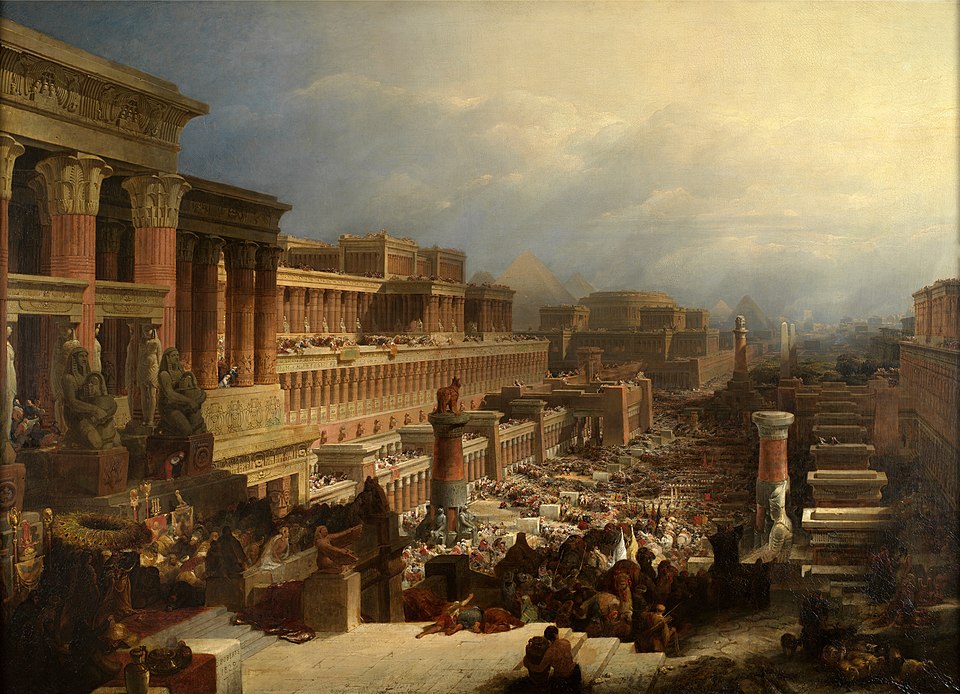
The Exodus remains one of the ancient world’s most debated memories. Archaeology has not produced a single artifact that settles every argument, and no responsible reading of the evidence turns the biblical account into a simple field report. What it does offer, however, is a series of clues that make the older claim of “pure myth” harder to sustain.
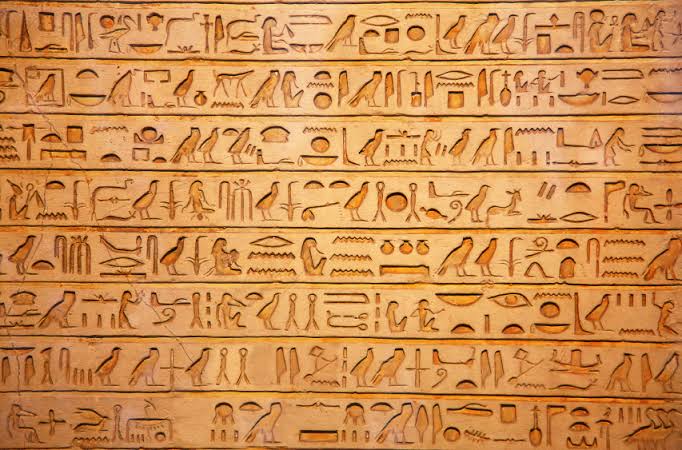
Across Egyptian texts, Levantine settlements, place-names, and cultic architecture, fragments of the larger picture begin to align. Some findings point to Semitic populations in Egypt. Others suggest that key details in Exodus preserve memories rooted in the Late Bronze Age rather than much later imagination.
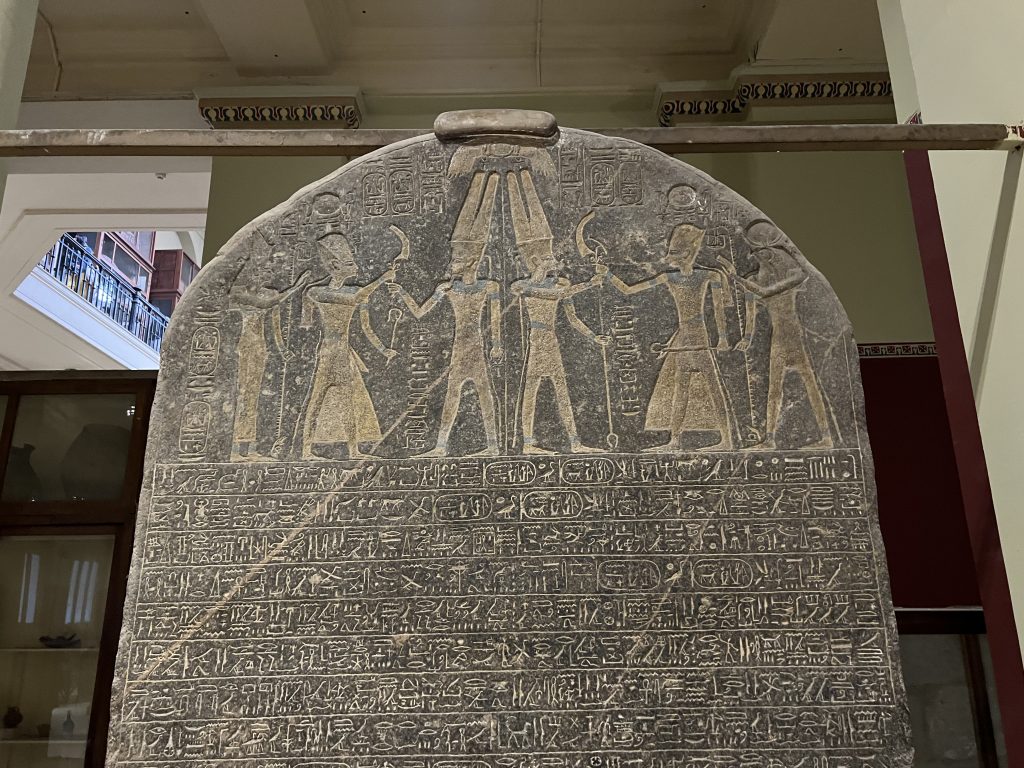
1. The Merneptah Stele records Israel as a people in Canaan
One of the firmest anchors in the discussion is the Merneptah Stele dated to c. 1219 B.C.E. It is the earliest known extrabiblical text to mention Israel, and it identifies Israel not as a city but as a people. That distinction matters. It shows that by the late 13th century B.C.E., a group known as Israel already existed in the land of Canaan.
This does not prove the Exodus by itself. It does, however, undermine the claim that Israel was purely a late literary invention with no historical footprint at all. A people called Israel was known to Egypt in exactly the general era when many scholars place early Israel’s emergence.
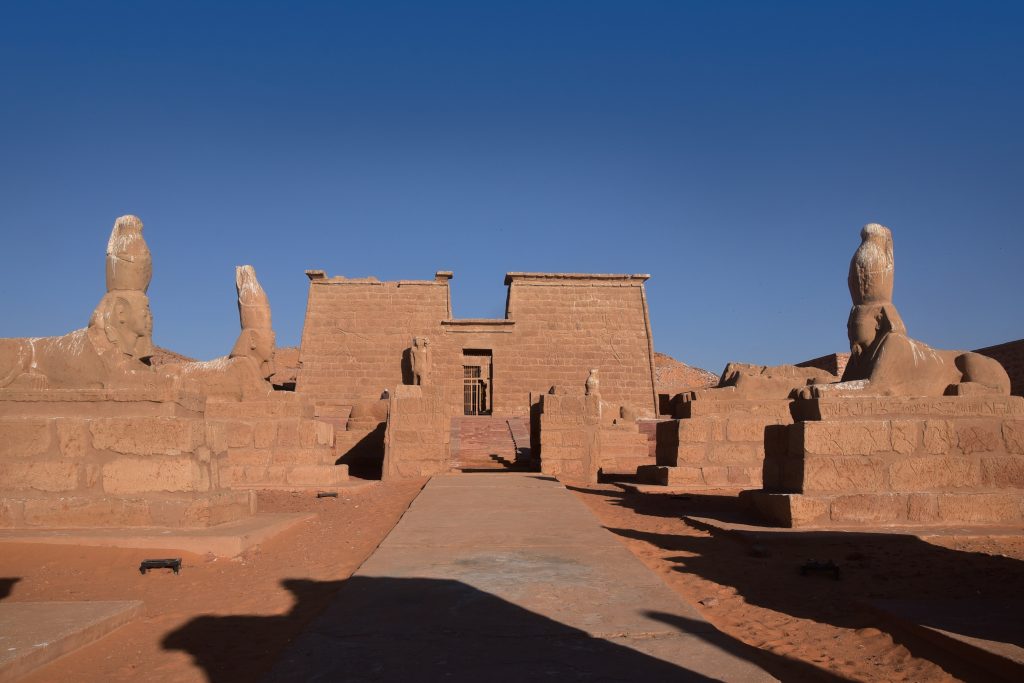
2. Exodus preserves Ramesside place-names with striking precision
The biblical names Pithom, Ramses, and Yam Suph have long attracted attention because they correspond closely to Egyptian names used in the Ramesside period. According to the Biblical Archaeology Society summary, these align with Pi-Ramesse, Pi-Atum, and (Pa-)Tjuf, and the combination appears together in Egyptian usage during the 13th to 11th centuries B.C.E.
That pattern is difficult to dismiss as random. Place-names shift over time, and later writers often update old geography for their own audiences. Yet here the tradition seems to preserve a cluster of names belonging to a specific historical window. Even scholars who resist a literal reading of Exodus often regard this kind of naming as evidence of genuine cultural memory.
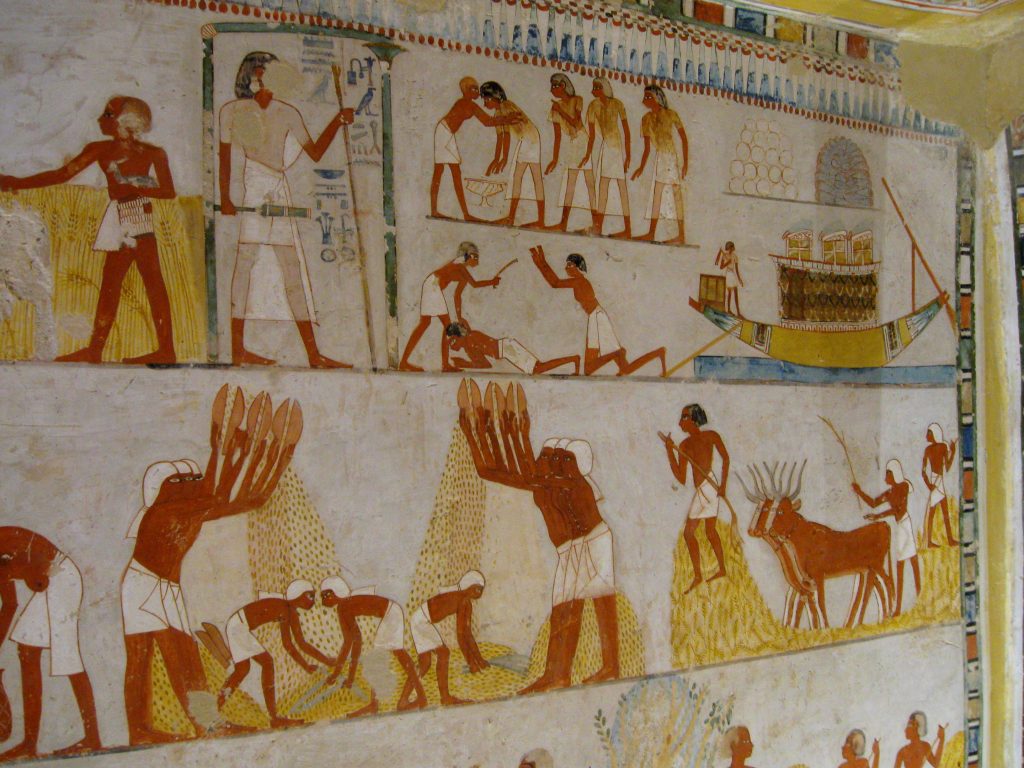
3. Egyptian records confirm large-scale enslavement of foreigners
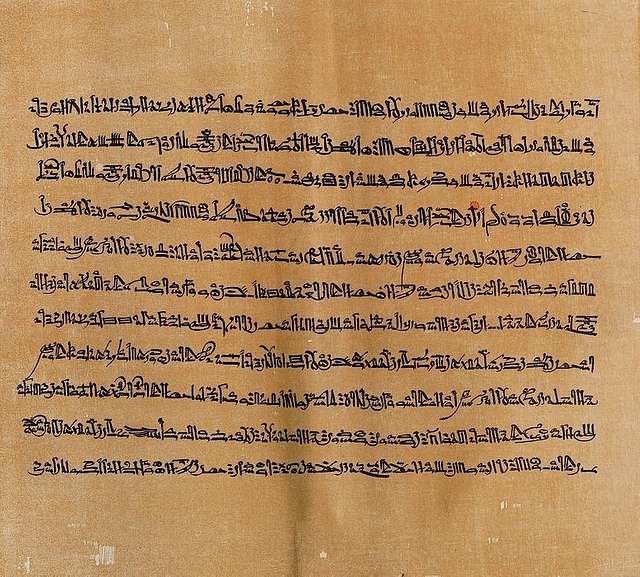
A central objection to the Exodus story has been that mass enslavement sounds too dramatic to be historical. Egyptian royal texts do not mention Israelite slavery by name, but they do make clear that Egypt took foreign captives and put them into servile status. Papyrus Harris I, composed in the reign of Ramesses IV while recounting Ramesses III’s achievements, claims that huge numbers of foreign captives were brought back, branded, and enslaved along with their families.
Royal inscriptions exaggerate numbers, but the underlying practice is not in doubt. Egypt had both the administrative machinery and the ideological comfort to absorb foreigners as laborers. That broader setting makes the biblical memory of an oppressed Semitic group in Egypt historically plausible rather than culturally alien.
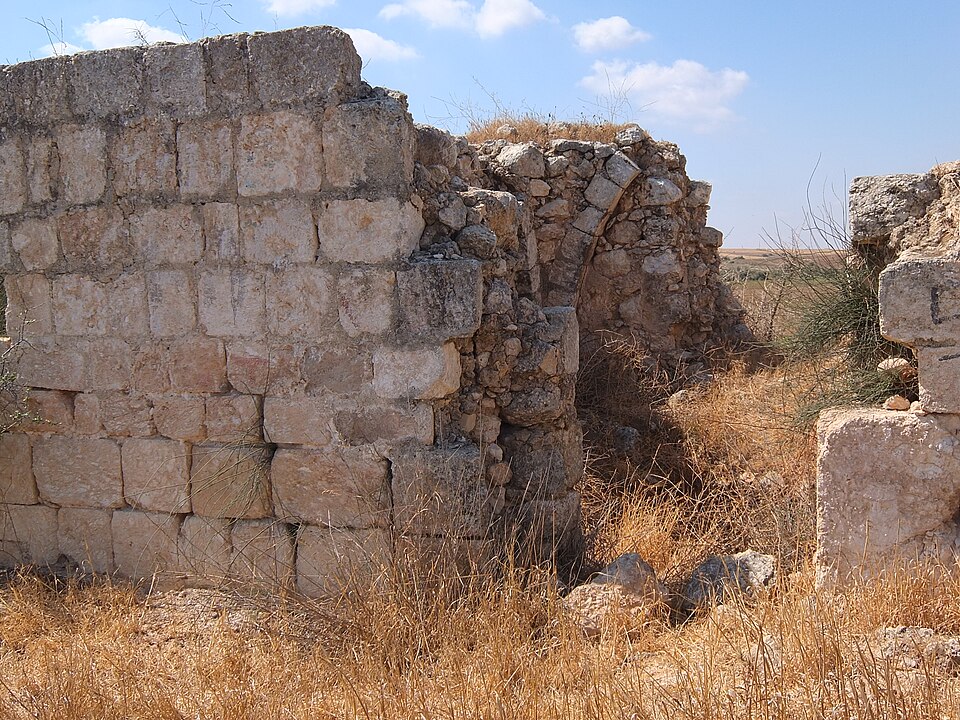
4. A four-room worker’s house in Thebes resembles early Israelite architecture
In western Thebes, excavators uncovered a worker’s house from the 12th century B.C.E. whose plan resembles the four-room house later associated with Iron Age Israelites in Canaan. The Egyptian example was built differently, using lighter materials, but the layout stands out. This is a small clue, not a headline-grabber.
Still, architecture often travels with communities and habits of life. The resemblance has led some archaeologists to suggest that the builders may have been proto-Israelites or a closely related Semitic group living in Egypt. It does not prove a migration, but it narrows the cultural distance between Egypt and the people who later appear in the highlands of Canaan.
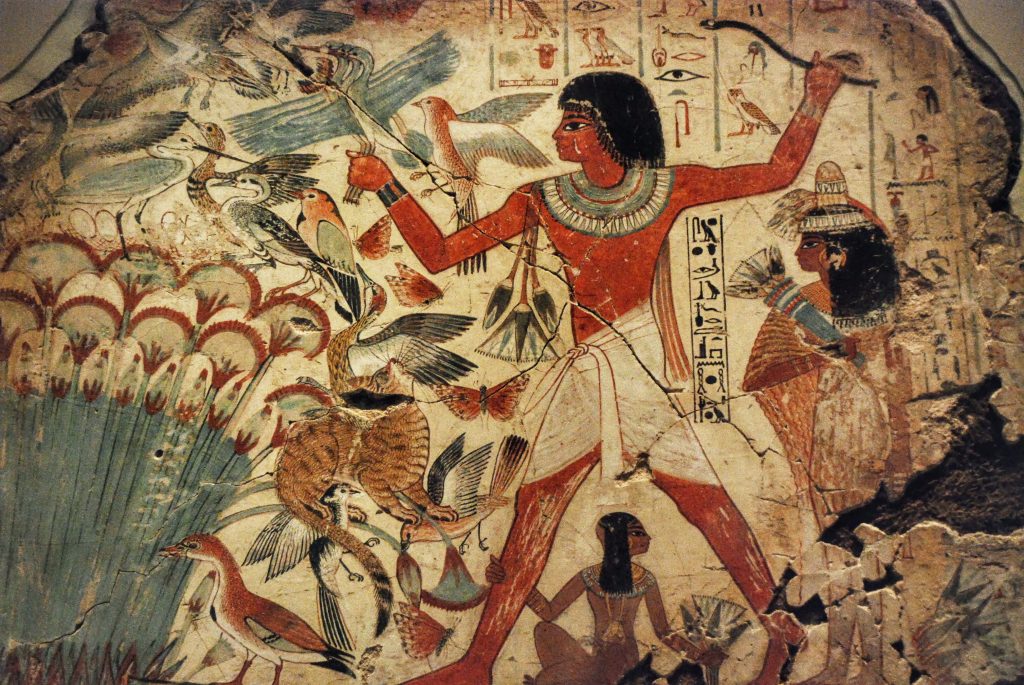
5. Semitic place-names survived in Egypt’s eastern delta
The eastern Nile Delta was not an empty backdrop in the Late Bronze Age. It was a contact zone filled with trade routes, imperial administration, and Semitic-speaking populations. One text especially relevant here is the Onomasticon Amenope, which includes the Semitic name b-r-k.t for the Lakes of Pithom.
That detail suggests more than passing contact. When a Semitic name takes hold in Egyptian geographical memory, it points to a population substantial enough to leave a linguistic trace. Exodus is set precisely in this frontier region, and the survival of Semitic toponyms there supports the idea that the story draws on a real Egyptian-Levantine environment rather than an invented literary stage.
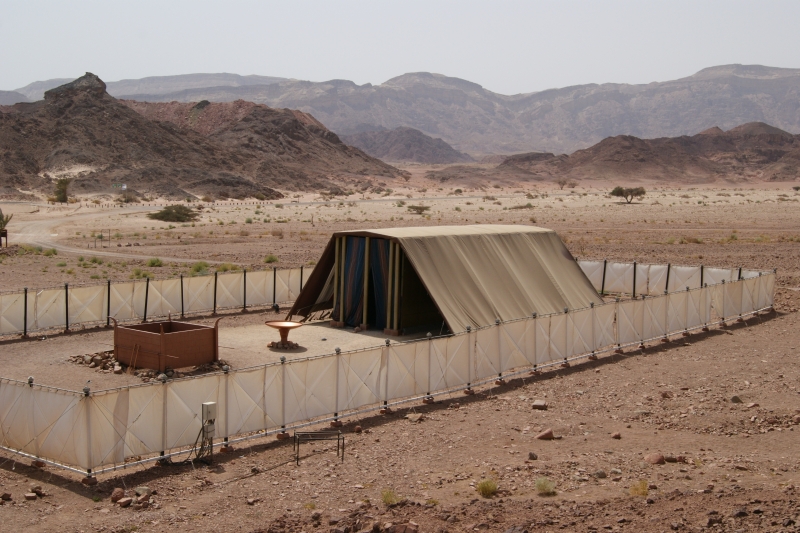
6. Egyptian parallels make the Tabernacle look less like fantasy
For generations, some scholars treated the Tabernacle as a late invention projected backward into Moses’ age. Yet ancient Near Eastern comparisons have complicated that view. The Torah article on the Tabernacle notes especially close parallels between the wilderness shrine and the military tent camp of Ramesses II at Qedesh.
The correspondences include an east-facing rectangular court, a long-room tent with an inner square chamber, and imagery of a protected royal-divine presence. Egyptian tent shrines, portable sacred structures, and framed ceremonial pavilions also provide context for a mobile sanctuary. This does not prove the biblical Tabernacle existed exactly as described, but it weakens the old argument that such a structure could only have been imagined by a much later writer.
7. Egyptian texts remember a Levantine usurper and foreign allies
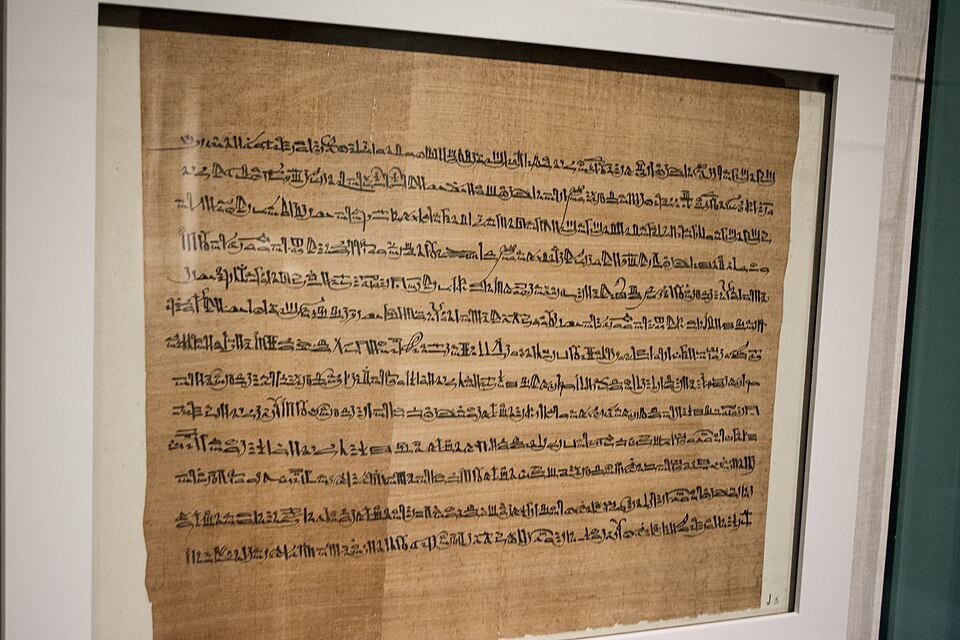
Late Egyptian sources preserve memories of political turmoil involving a Levantine figure and outside support from the north. The Great Harris Papyrus describes a time when Egypt fell into disorder and mentions a Levantine man called Irsu amid upheaval that disrupted temple offerings. Other texts from the same transition period describe enemies, foreign combatants, and the restoration of order by Setnakhte.
These records are not the Exodus account in another language, and they should not be forced into one-to-one equivalence. What they do show is that Egyptian memory preserved a real episode in which Levantines inside Egypt, joined by external allies, became part of a major crisis. That background is important because it demonstrates how a later Israelite memory of conflict, departure, humiliation, and deliverance could have emerged from the same historical world.
None of these findings “proves” the Exodus in every detail. Archaeology rarely works that way, especially with events filtered through centuries of retelling. But together they do something more valuable than a slogan: they establish that the world described by Exodus is anchored in recognizable Late Bronze Age realities.
The strongest conclusion is not that every line should be read as literal reportage. It is that the Exodus tradition carries historical memory of Semitic populations in Egypt, of Egyptian control over Canaan, of forced labor, of shifting identities, and of a people called Israel appearing on the stage of history sooner than pure-myth theories once allowed.

