
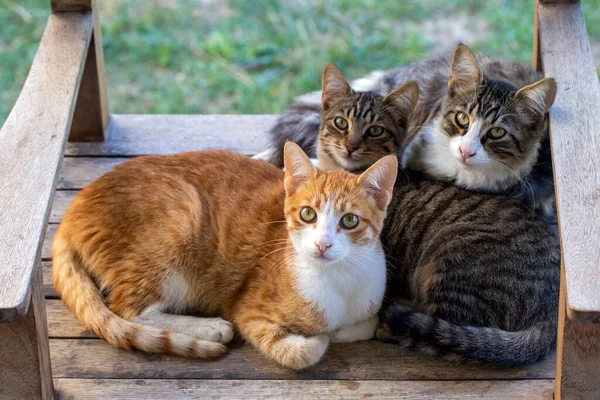
Choosing a cat for a dog-owning home is rarely about finding a guaranteed match. It is more often about stacking the odds in favor of a calmer introduction, a safer setup, and a personality fit that does not fall apart the moment a curious dog gets too close.
Some cat breeds tend to be more social, playful, or confident around other animals, which can make life easier in a mixed-pet household. Even then, behavior still comes down to the individual cat, the individual dog, and the way they are introduced. Groups including the Best Friends guide on introductions note that dogs and cats need slow, supervised introductions, with safe escape routes for the cat and close attention to body language on both sides.
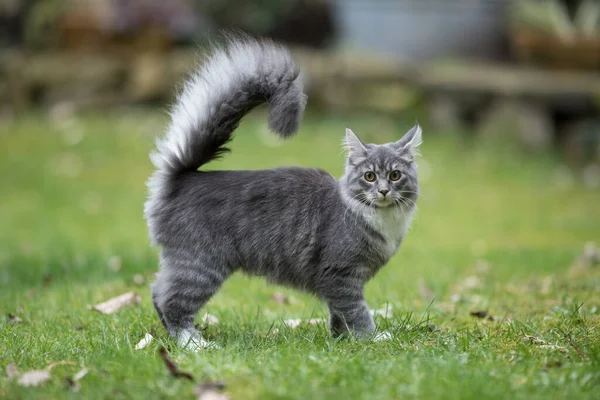
1. Maine Coon
Maine Coons are often the first breed people mention for homes with dogs because their temperament tends to be steady, playful, and highly people-oriented. They are frequently described as dog-like, which fits their reputation for loyalty, trainability, and interest in interactive games.
Size can help too. Male Maine Coons often reach 20 pounds or more, which means they are less likely to be physically overwhelmed by a smaller or mid-sized dog during early encounters. That does not make rough play safe, but it can make the breed seem less easily intimidated than more delicate cats.

2. Tonkinese
The Tonkinese has the kind of energy that often works well around sociable dogs. The Cat Fanciers’ Association describes the breed as “part puppy, part monkey”, a phrase that captures how lively and interactive these cats can be.
They are known for being outgoing with visitors, affectionate with family, and interested in games rather than retreating from household activity. Some even learn fetch, which can make them a natural fit in homes where a dog already turns playtime into a daily event. Their biggest challenge is often boredom, not shyness, so they usually do better in active homes than quiet ones.
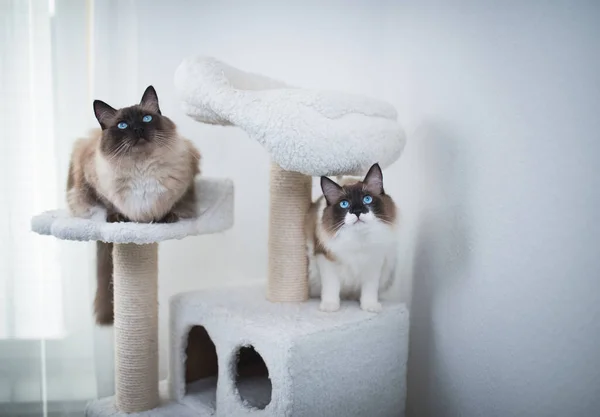
3. Ragdoll
Ragdolls have a calm, easygoing style that can take some of the friction out of sharing space with a dog. They are famous for going limp when held, but the breed’s appeal in a mixed-pet home goes beyond that soft reputation.
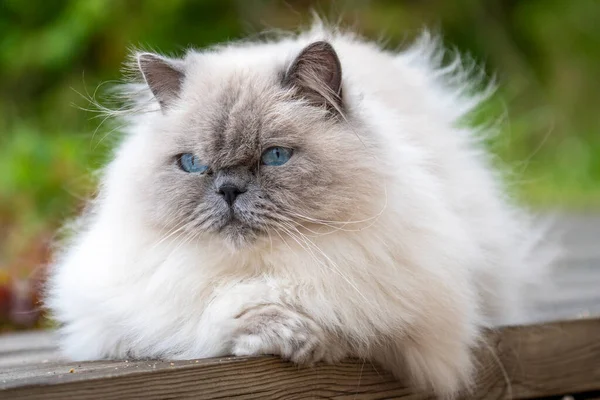
They tend to be social, affectionate, and less reactive than many other cats when the home gets busy. That can matter when a resident dog is friendly but clumsy, or when a puppy still needs help learning boundaries. A laid-back cat is not the same as a cat who enjoys chaos, though, and even this breed needs quiet places to retreat and reset..
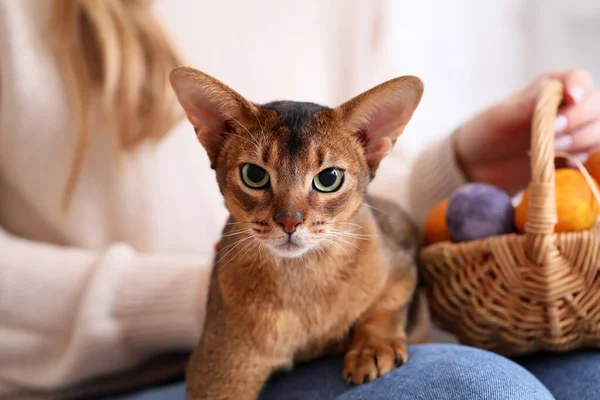
4. Abyssinian
Abyssinians bring speed, curiosity, and constant movement into a home. For dogs that enjoy activity and for households where pets are expected to share play space, that energy can be a real advantage. This is a breed that likes to investigate everything, climb, chase toys, and stay involved.
Instead of freezing or hiding at every burst of canine enthusiasm, Abyssinians are often more willing to engage, redirect, or simply move away and return later. Their busy temperament can be a better fit for playful dogs than a very reserved cat would be.
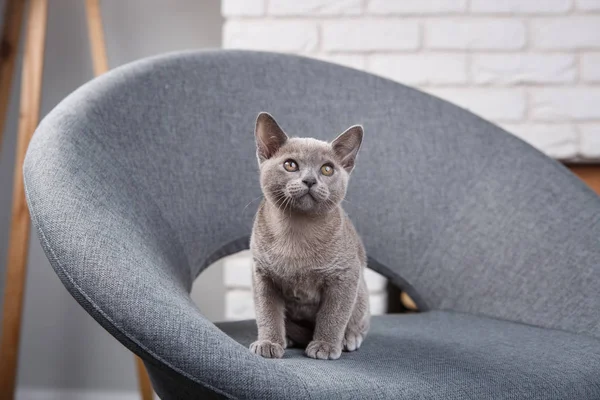
5. Birman
Birmans are often described as patient and even-tempered, which is exactly the kind of trait that can help when a dog is friendly but still learning manners. The Cat Fanciers’ Association calls them “patient, even-tempered, and tolerant” and “an excellent choice for families with children and other pets.”
They are social without being frantic, and many settle comfortably into family routines once they feel secure. That balance matters. A cat that wants company but does not react sharply to every interruption may adjust more smoothly to living alongside a dog.
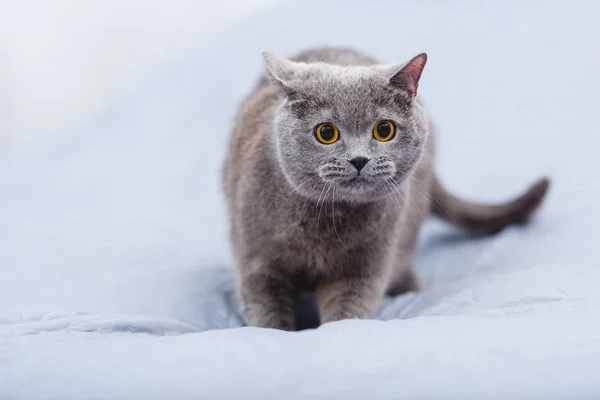
6. British Shorthair
British Shorthairs often suit homes where the dog is present but not constantly in the cat’s face. They are sturdy, calm, and generally less dramatic than some more sensitive breeds, which can help in a household with multiple pets.
Their style is often to step away from annoyance rather than escalate it. That self-contained attitude can work especially well if the dog is trainable and not obsessed with chasing. The Cat Fanciers’ Association notes that the breed can adjust to the presence of a dog, though it may still expect to hold a high place in the household pecking order.
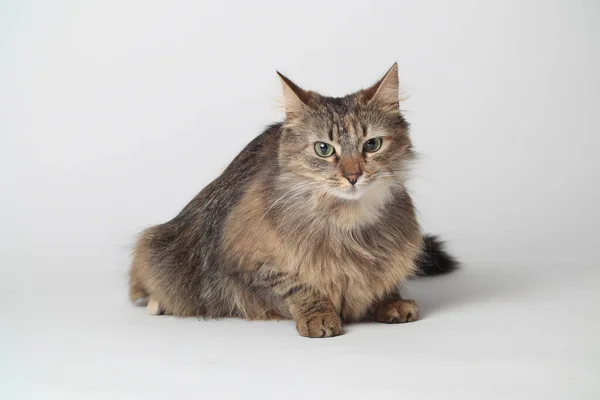
7. Siberian
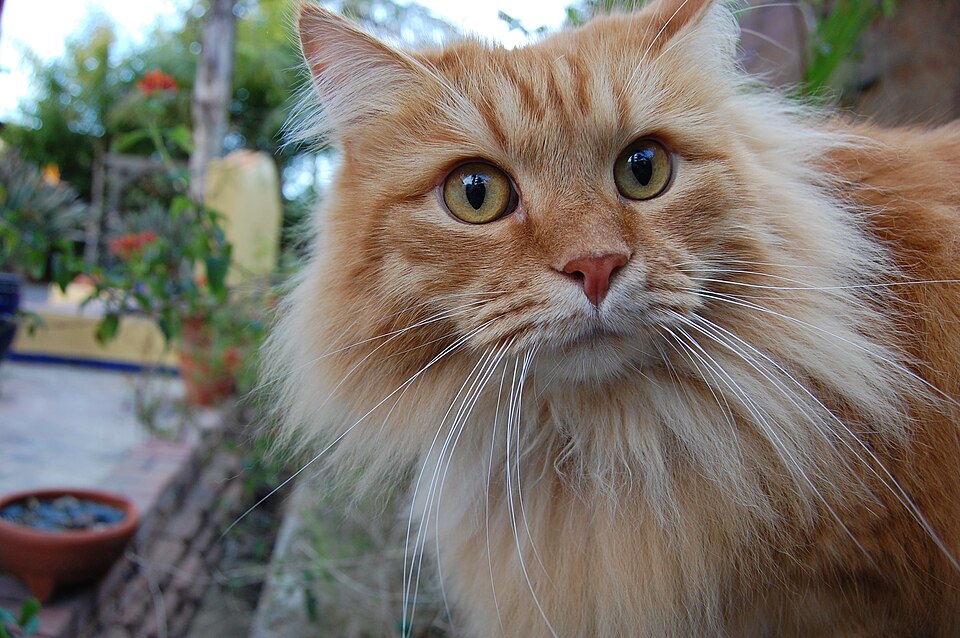
Siberians combine athleticism, intelligence, and confidence in a way that can make them less rattled by a busy dog. They are muscular cats built for movement, and they usually bring a bold, playful presence into the home. That confidence can be helpful because mixed-species tension often starts with misread signals. A wagging dog tail can look very different to a cat, while a cat’s raised paw is often a warning, not an invitation.
Trainers who study cat and dog communication point out that the two species regularly misread one another, so a confident, adaptable cat may have an easier time settling in than a timid one. Breed can help, but setup still matters more than many owners expect. Animal welfare groups recommend using baby gates, scent swapping, short supervised sessions, and separate feeding areas while both pets adjust. In some homes, dogs can seriously injure cats, even during play, so calm behavior and supervision are not optional.
The best mixed-pet households usually begin with realistic expectations. A social breed may make the process smoother, but lasting peace comes from slow introductions, escape routes, patient training, and enough space for both animals to feel secure.

