
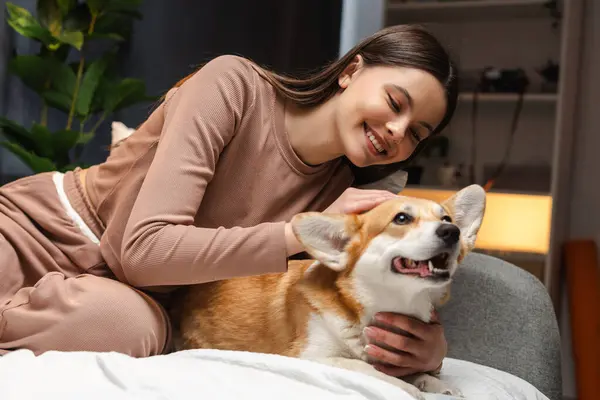
Dogs rarely measure devotion by grand gestures. They notice the repeatable moments: the pause at a street corner so a scent can be studied, the calm voice in a tense room, the choice to let them step back instead of insisting on affection.
That is where trust quietly grows. Across behavior guidance, the same pattern appears again and again dogs bond most deeply with people who make daily life feel predictable, respectful, and safe.
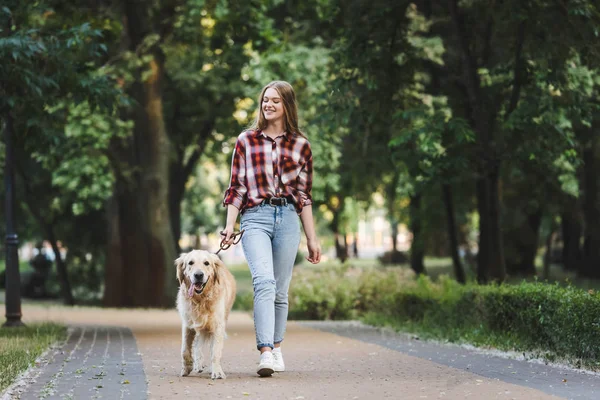
1. Letting a walk become a sniff session
For many dogs, the walk is not just exercise. It is information-gathering, decompression, and entertainment all at once. Rushing from point A to point B can turn a rich outing into little more than a bathroom break, while allowing pauses to investigate smells gives the dog a sense of choice and mental engagement.
This matters because dogs are built to experience the world through scent, with freedom to check their “pee-mail” repeatedly identified by trainers as one of the things they value most. A slower walk often does more for emotional regulation than a faster, more controlled one.
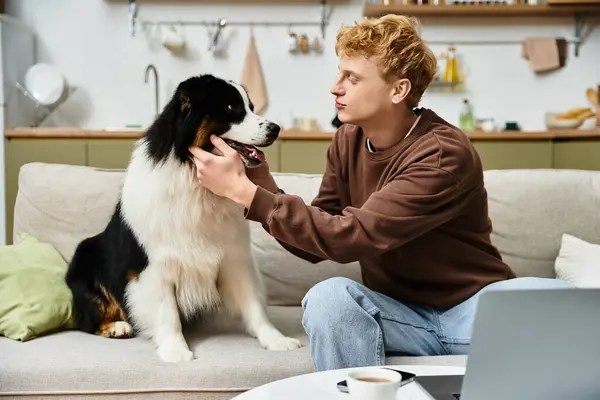
2. Giving full attention, even briefly
Dogs are unusually good at detecting when a person is present in body but not in mind. A distracted toss of a toy while scrolling a phone does not land the same way as two focused minutes of play, grooming, or quiet eye-level connection.
Short, intentional attention can be powerful. When a dog learns that a person responds fully and predictably, it helps turn ordinary interactions into a steady signal of importance and security.
3. Speaking in a voice that stays gentle and steady
Tone often carries more weight than vocabulary. In unfamiliar places or noisy moments, a calm, even voice can help a dog decide that the situation is manageable. Repeated yelling, by contrast, can wear away confidence and make the human harder to read.
Trust-building guidance consistently warns against harsh reactions, noting that yelling at your dog will chip away at trust. Dogs depend on readable signals, and a steady tone becomes one of the simplest ways to provide them.
4. Respecting body language instead of overriding it
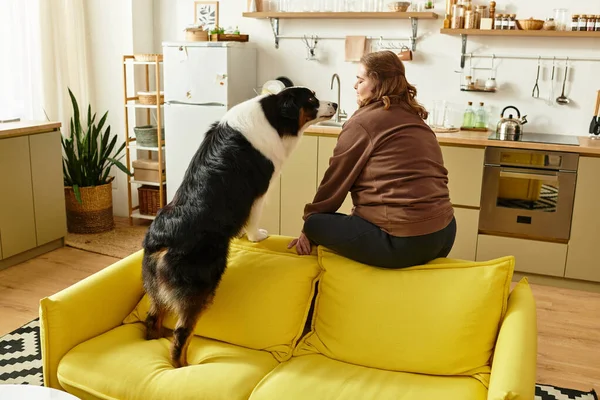
Some of the clearest gifts a person can give a dog are space and consent. Turning away, lip licking, freezing, ducking from a hand, or stiffening during contact are not signs to push harder; they are communication. When those signals are honored, dogs learn they do not need to escalate to make themselves understood.
This is especially important because many commonly misread cues are more complex than they look. Even a wagging tail does not necessarily mean they want to interact. Dogs read safety in people who notice the whole body, not just the tail.
5. Making routines feel dependable
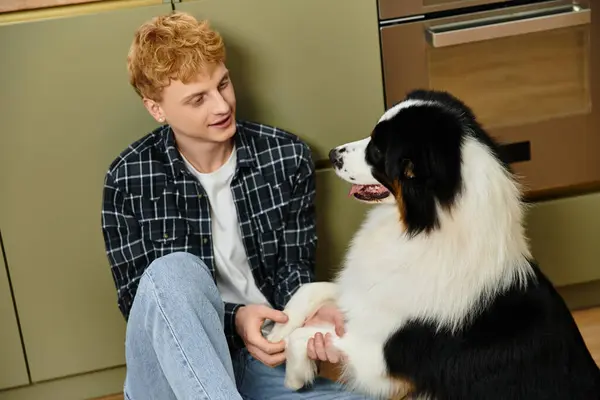
Meals, walks, rest, and play do not have to happen with military precision to be reassuring. But a recognizable pattern helps dogs understand what comes next, and that lowers stress. Consistency around daily events can also support sleep, digestion, and training because the dog is not constantly trying to predict the household.
Behavior experts frequently point to a consistent, predictable routine as one of the simplest ways to prevent anxiety and confusion. To a dog, reliability feels like protection.
6. Answering their quiet check-ins
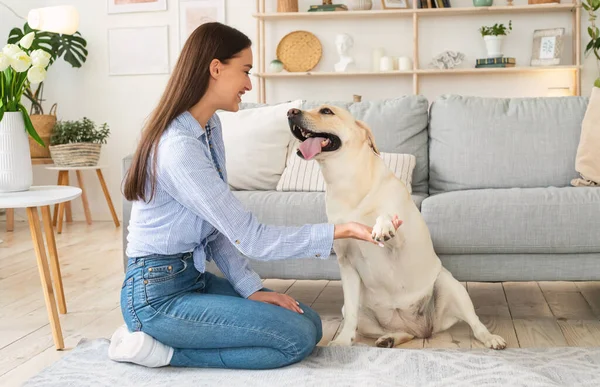
A glance back on a trail, a nose nudge during work, a brief lean against a leg, a pause to find the familiar person in a busy space these are not meaningless habits. They are social check-ins. Dogs with strong bonds often make sure their person is still emotionally available, even while exploring the wider world.
That pattern shows up in trust research and everyday observation alike: dogs frequently pause to check in with you when the relationship feels secure. A quick word, touch, or acknowledgment tells them the connection is still intact.
7. Letting closeness happen on the dog’s terms
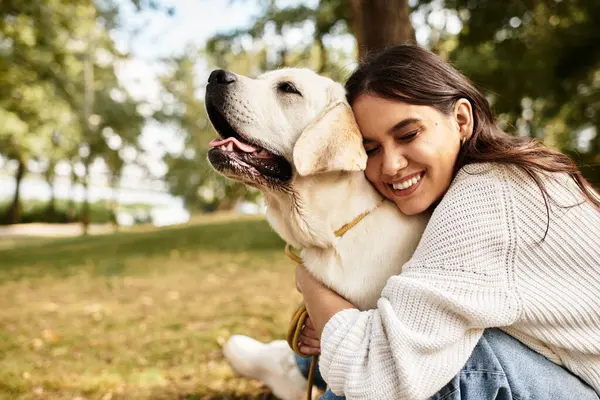
Humans often reach first hugging, kissing, leaning over, or calling the dog in for affection. Many dogs would rather approach than be gathered in. When they are allowed to come close by choice, physical contact becomes more meaningful and less pressured.
This helps explain why leaning, resting nearby, or choosing to sleep close can matter so much. Those moments are not always about neediness; often they reflect comfort, trust, and the expectation that proximity will feel safe.
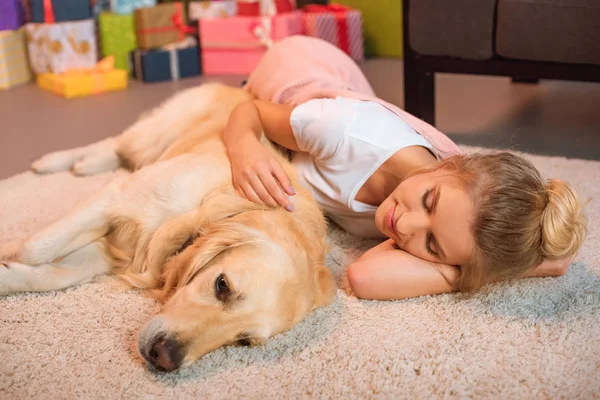
8. Sharing quiet time without asking for anything
Not every bond is built through training or play. Some of the most stabilizing moments are the least dramatic: a dog chewing a toy while a person reads nearby, a nap at the foot of the sofa, a peaceful evening in the same room. Nothing is being demanded, corrected, or performed. For many dogs, that kind of companionship is the clearest proof that they belong. It mirrors the social ease of resting near trusted company, and it can be especially soothing for shy, older, or easily overwhelmed dogs.
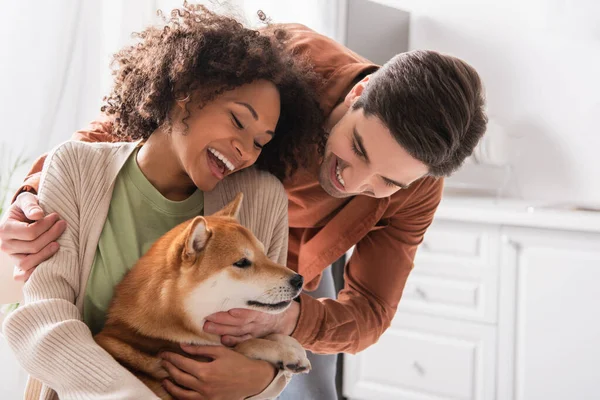
What means the world to a dog often looks small from the outside. It is not usually the expensive extra or the perfectly staged outing, but the ordinary habit that says the home is safe, the signals will be heard, and the relationship is dependable. When those moments repeat often enough, dogs respond in kind with softer bodies, easier care routines, more check-ins, and a deeper willingness to relax. Trust becomes visible long before it is ever spoken.

