
Dogs do not build trust from grand gestures alone. The relationship is shaped in the ordinary repetitions of daily life: the walk that feels rushed, the voice that stays calm, the moment a dog asks for connection and gets an answer.
That pattern matters because dogs appear to remember more than many people assume. Research on episodic-like memory in dogs suggests they can retain details from lived experiences, while newer work on canine cognition has widened the view of how dogs process human signals, language, and routine. In a home, that means small habits are not really small.
1. Rushing through sniff time
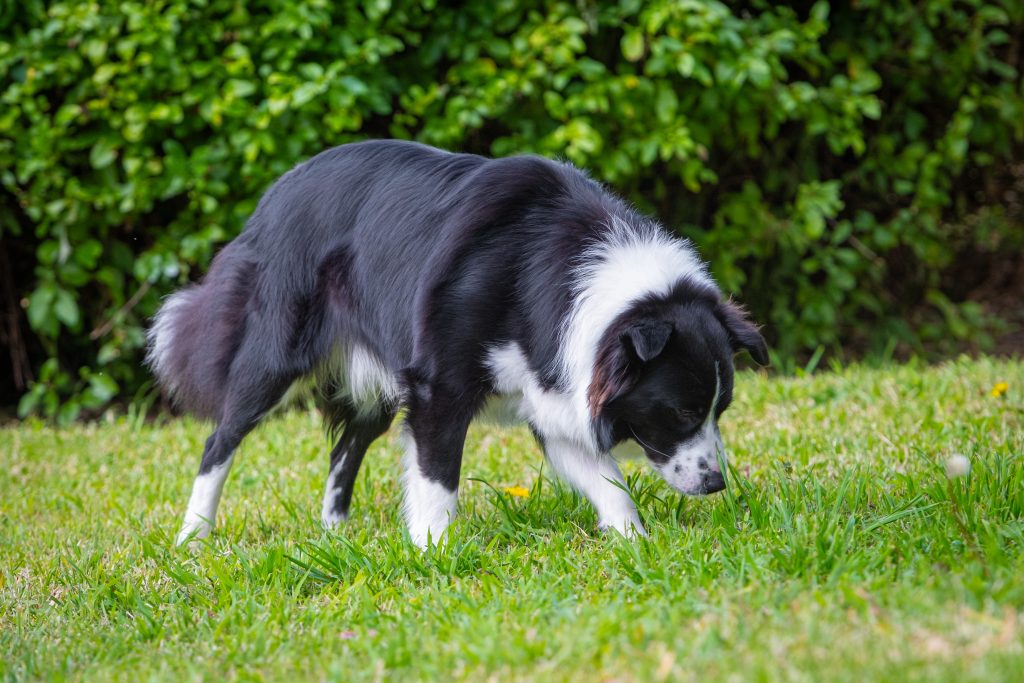
For dogs, smell is not a side activity. It is one of the main ways they gather information, regulate emotion, and engage with the world around them. When a walk becomes a straight-line march with constant leash pressure, the dog loses the part of the outing that is mentally rich.
That cost is larger than it looks. Researchers have noted that dog cognition studies long leaned too heavily on vision, with less than 2% focused on olfaction, even though smell plays such a central role in canine life. The same body of research also found that nose-work games can improve dogs’ positive judgment bias, a marker linked to a more optimistic state. A slower walk, a patch of grass, and permission to investigate can become a daily form of enrichment rather than a mere bathroom break.
2. Giving distracted attention
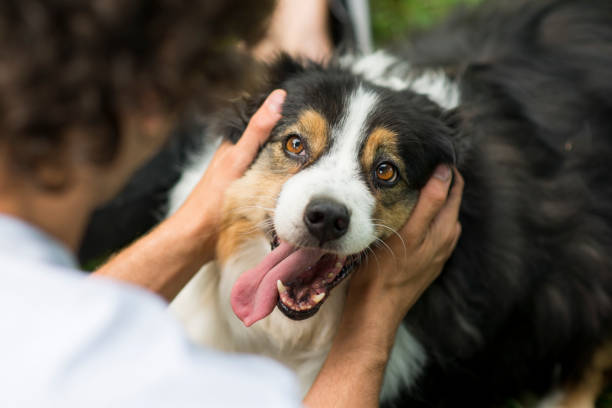
Dogs are highly responsive to human social cues. A tossed toy while someone watches a screen does not carry the same meaning as eye contact, responsive play, or a few minutes of focused touch. To a dog, attention is information.
Studies described by psychologists show dogs adapt closely to human behavior and can produce more facial movements when a person is actively attending to them. They also develop preferences for people who behave helpfully and cooperatively. A brief period of real engagement can leave a clearer emotional imprint than a longer stretch of half-present company.
3. Changing tone and cues from day to day
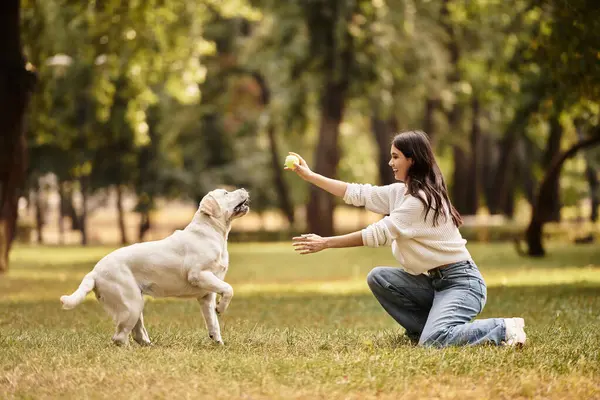
Consistency is one of the clearest ways humans tell dogs that the world is predictable. A soft tone helps, but consistency in words, gestures, and household rules matters just as much. When one family member invites a behavior and another corrects it, the dog is left sorting through conflict.
As trainers note in guidance on consistency in dog training, even a familiar cue can become confusing if it carries multiple meanings. Dogs tend to learn faster and show more confidence when the people around them respond in steady, repeatable ways. Calm communication is not only soothing; it is easier for a dog to trust.
4. Ignoring requests for space
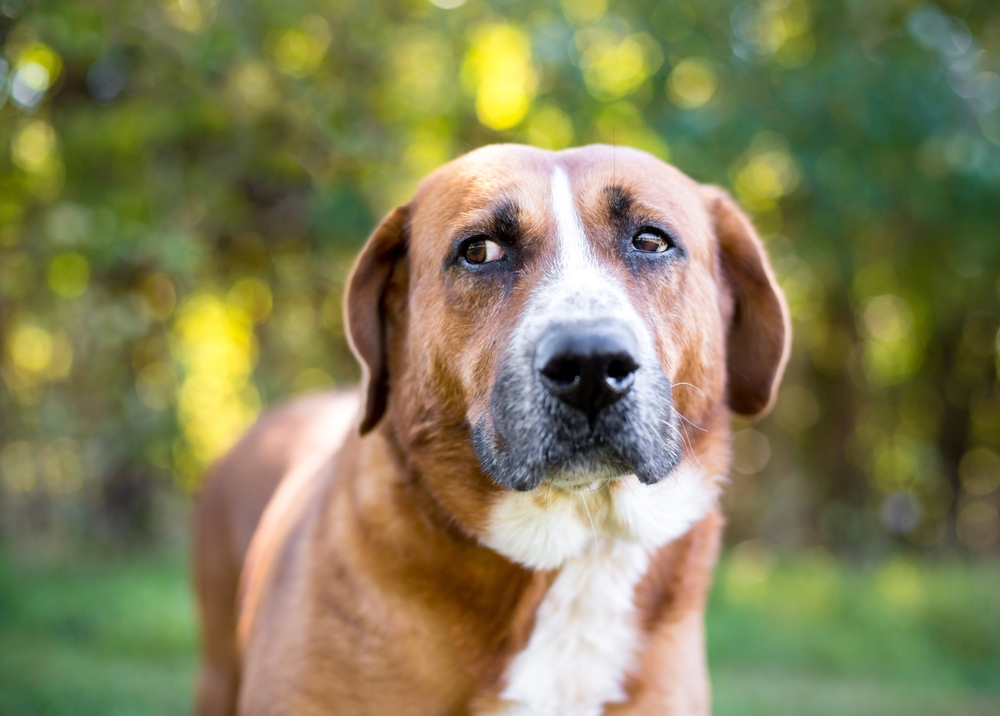
Not every dog wants contact all the time. Turning away, lip licking, yawning, freezing, or stepping back can all signal discomfort, even when the dog is not growling or barking. Respecting those signals helps prevent the relationship from becoming emotionally noisy.
This is where many people overestimate their own instincts. Research highlighted in the American Psychological Association’s reporting found people can misread dog emotion and lean too heavily on context instead of the dog’s actual behavior. A dog that is overwhelmed does not benefit from being persuaded to tolerate more handling. Space, when requested, is often part of trust rather than a withdrawal from it.
5. Treating food only as fuel
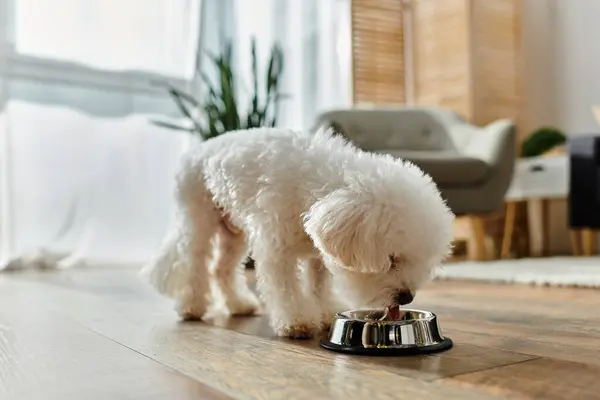
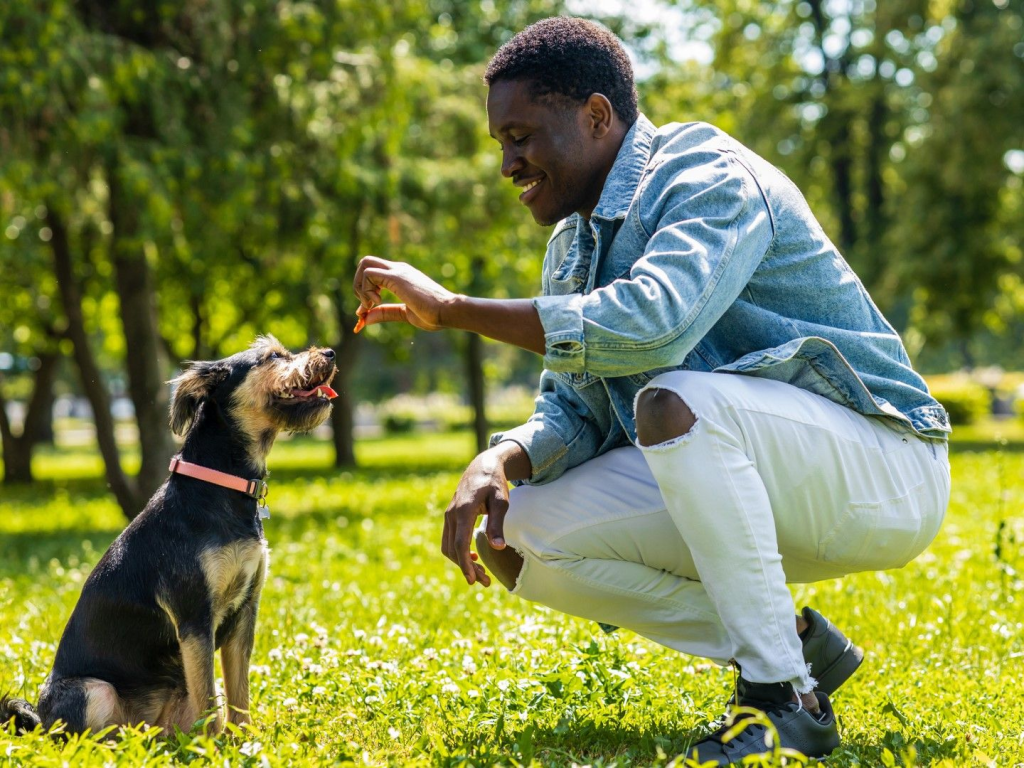
Food can do more than fill a bowl. Used thoughtfully, it can create focus, reinforce calm behavior, and help shy dogs connect human hands with safety. Hand-feeding in short sessions can also slow frantic eaters and turn mealtime into a communication exercise.
The same principle appears in studies of puppy development, where simple food-based games increased eye contact over time. That matters because eye contact, in the right context, becomes a cooperative skill. Dogs learn that looking toward a person can bring clarity, help, and reward.
6. Letting the household feel unpredictable
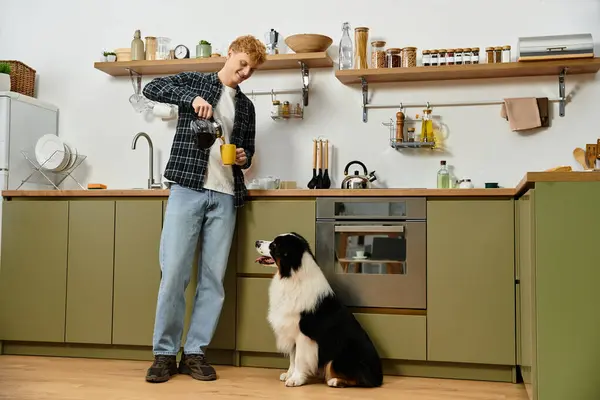
Dogs often cope better when meals, walks, rest, and interaction follow a recognizable pattern. Routine does not require a rigid timetable down to the minute, but it does create structure. That structure can lower stress and reduce the friction that often shows up as barking, jumping, or restlessness.
A predictable life also supports learning. When dogs know what usually happens in a home, they spend less energy guessing and more energy responding. For an animal that watches people closely, repeated patterns become part of its emotional map.
7. Missing their check-ins
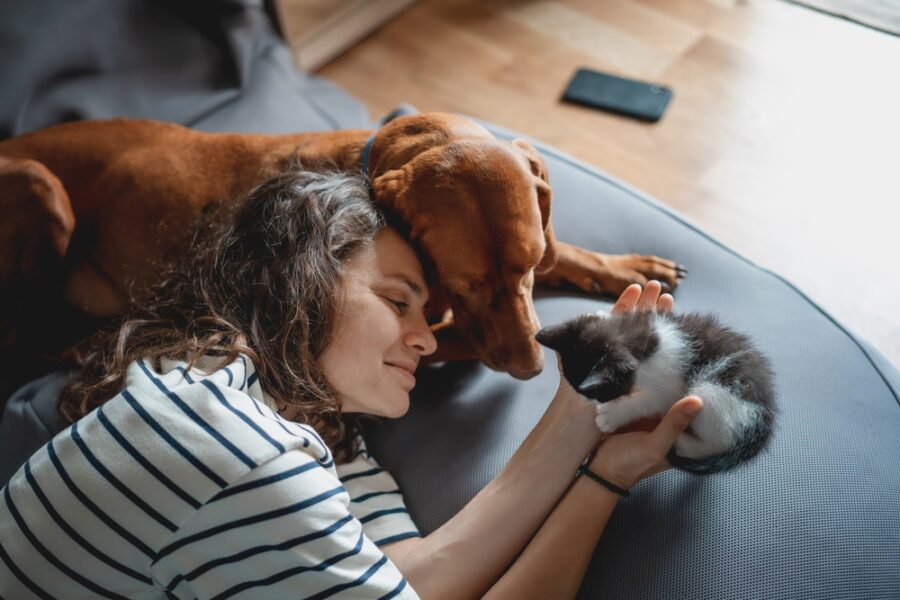
A glance from across the room, a quiet nudge, or a dog settling nearby can function like a social check-in. These moments are easy to dismiss because they are so subtle. Dogs, however, are unusually tuned to human presence and response.
That sensitivity shows up across canine cognition research, including work on social bonding and cooperation. A small acknowledgment tells the dog the connection is still active. Repeatedly overlooking those bids can make the relationship feel less secure, even in a loving home.
8. Ending training with nothing pleasant
What happens after learning may affect what stays in memory. In one study covered by Psychology Today, dogs that had playful activity after training relearned the task 40% faster than dogs that rested quietly. The finding points to a practical detail many owners miss.
A short burst of enjoyable play, an easy walk, or a positive wind-down can help a lesson settle in. That does not turn training into entertainment alone. It simply recognizes that memory, emotion, and relationship are linked in dogs more tightly than routine obedience advice often suggests.
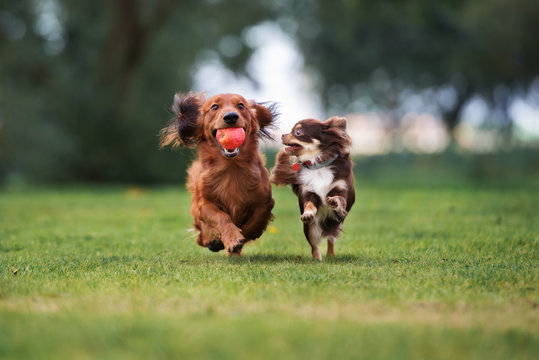
Dogs live closely alongside people, but they do not move through daily life passively. They notice patterns, store experiences, and respond to the emotional texture of ordinary moments. Many of the habits they remember are the ones repeated without much thought. In that way, trust is not dramatic. It is built in the pauses, the predictability, the respect, and the attention that tell a dog life with its people is understandable and safe.

