
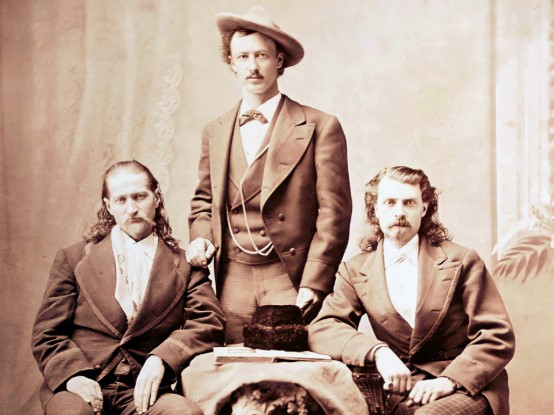
The Wild West left behind more than shootout stories. It produced a cast of lawmen, outlaws, gamblers, and opportunists whose names became larger than the facts, helped along by newspapers, dime novels, courtroom testimony, and later Hollywood retellings.
That gap between history and legend is part of the appeal. Many of the frontier’s best-known gunfighters did not live as constant duelists, and some of their most famous reputations grew after death. Yet each helped shape the image of the American West as a place where law, violence, and fame often collided.
1. Wild Bill Hickok
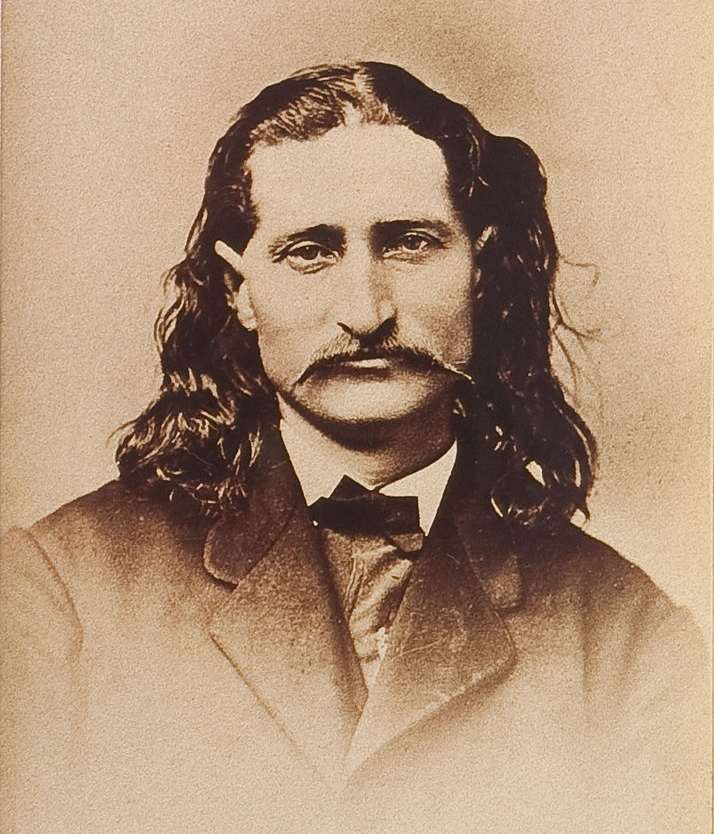
James Butler “Wild Bill” Hickok remains one of the clearest examples of a real gunman becoming a national celebrity while still alive. His 1865 duel with Davis Tutt in Springfield, Missouri, is often singled out as one of the West’s rare formal face-to-face pistol fights, and it helped fix Hickok in the public imagination as a cool marksman rather than a reckless quick-draw performer.
His image only grew through newspaper coverage and popular fiction. Later generations treated him as a frontier archetype, even though the broader West was never as uniformly violent as movies suggested, and many towns enforced strict gun ordinances. Hickok’s own end fed the legend further: in 1876, he was shot from behind while playing cards in Deadwood, linking his name forever to the “Dead Man’s Hand.”
2. Belle Starr
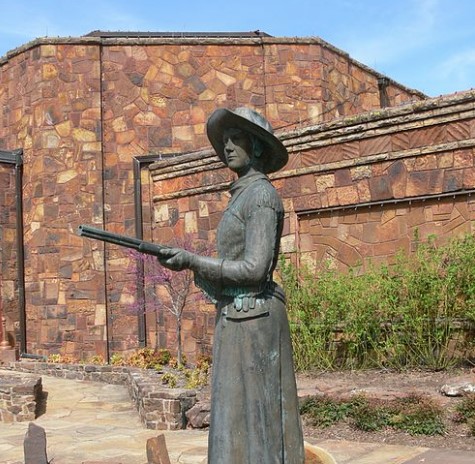
Belle Starr stood apart because frontier fame was overwhelmingly male, yet she carved out a durable place in outlaw folklore. Born Myra Maybelle Shirley, she became associated with horse theft, criminal networks, and a carefully cultivated image that made her as memorable as many better-armed men.
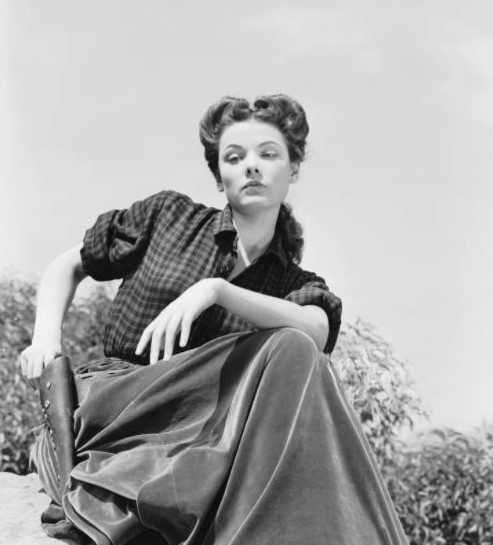
Her notoriety also reflected a broader truth about the West: women’s lives there were far more varied than old myths allowed. Some became ranchers, performers, business owners, and public figures, while others, like Starr, were folded into outlaw mythology. Her 1889 murder near her Oklahoma home was never solved, and that uncertainty helped preserve her mystique.
3. Doc Holliday
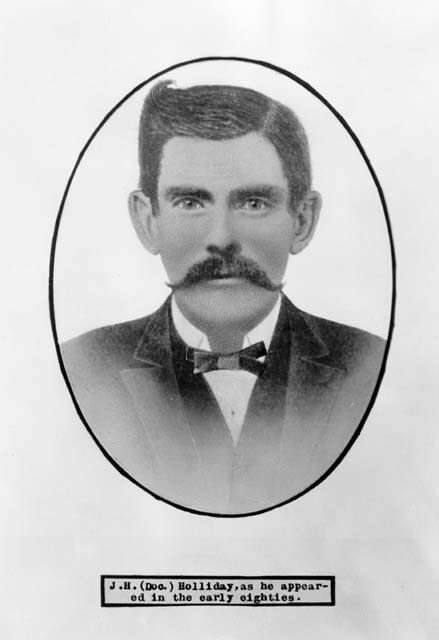
Doc Holliday’s biography reads like a frontier contradiction. He trained as a dentist and earned a professional degree before tuberculosis pushed him west, where gambling became his livelihood. Modern research has cut through much of his legend, and historians generally conclude he killed far fewer men than folklore claimed.
He is inseparable from Wyatt Earp and Tombstone. Holliday was present at the gunfight near the O.K. Corral, a clash that lasted less than a minute but became one of the West’s defining stories. He later rode with Earp after the attacks on Virgil and Morgan Earp, and his final years in Colorado added another layer to the image: a sick, sharp-tongued gambler whose body was failing long before his legend did. One of the most repeated descriptions came from Wyatt Earp, who called him “the nerviest, speediest, deadliest man with a six-gun I ever knew.”
4. John Wesley Hardin
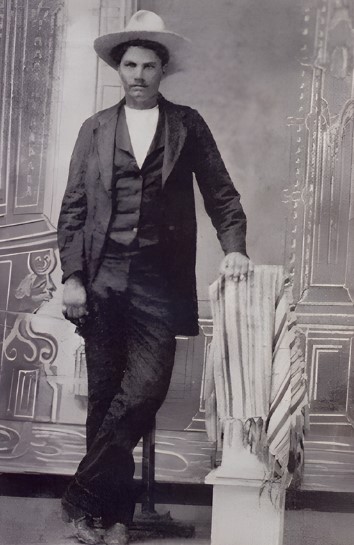
John Wesley Hardin built one of the darkest reputations on the frontier. The son of a Methodist minister, he was violent from youth and later claimed an extraordinary number of killings, though historians have long treated those boasts with caution.
What made Hardin endure in memory was not only the bloodshed, but the unsettling mix of education, self-possession, and sudden violence. After prison, he studied law and briefly appeared to be rebuilding his life. That effort ended in 1895 when he was shot in the back of the head in El Paso, a death that matched the treacherous world he had helped create.
5. Jesse James
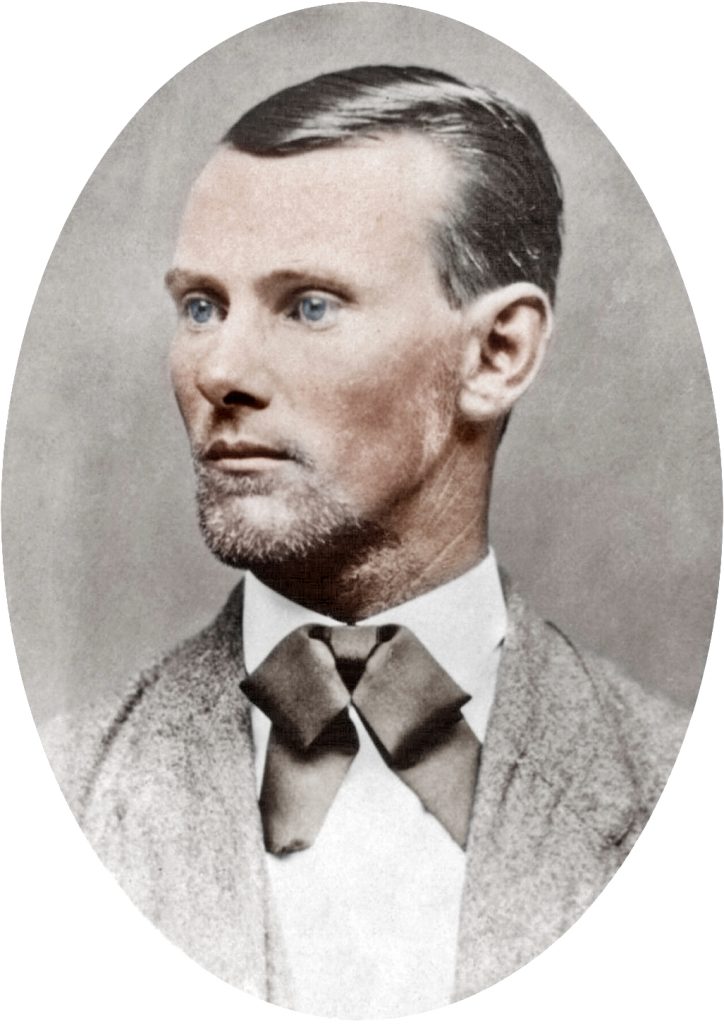
Jesse James became something more complicated than an outlaw. A former Confederate guerrilla, he led robberies that made him notorious, but press coverage turned him into a rebel folk figure, especially among readers eager for stories of defiance after the Civil War.
The romance often obscured the reality. James was not a frontier Robin Hood in any documented sense; he was a career criminal whose public image benefited from sympathetic editorials and political resentment. His 1882 killing by Robert Ford, shot from behind for reward money, only deepened the argument over whether he belonged in crime history or national folklore.
6. King Fisher
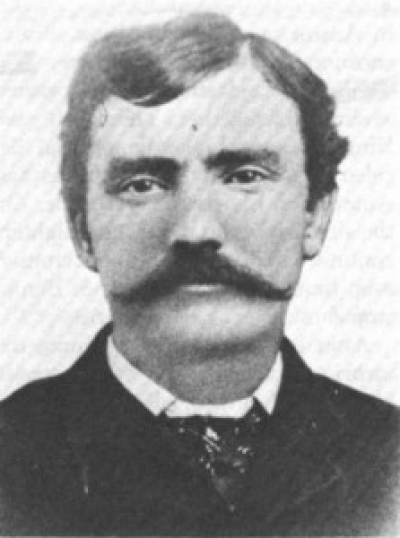
John King Fisher never reached the same modern celebrity as Hickok or Billy the Kid, but he represented a central truth of the borderlands: many famous gunmen did not fit neatly into the categories of outlaw or lawman. Fisher stole cattle, served at times in law enforcement, and cultivated personal style alongside a reputation for lethal force.
That ambiguity made him memorable. He was both public figure and feared killer, the sort of man frontier communities often produced when legal authority was thin and local power mattered more than consistency. His 1884 ambush in San Antonio ended a career built as much on presence as on gunplay.
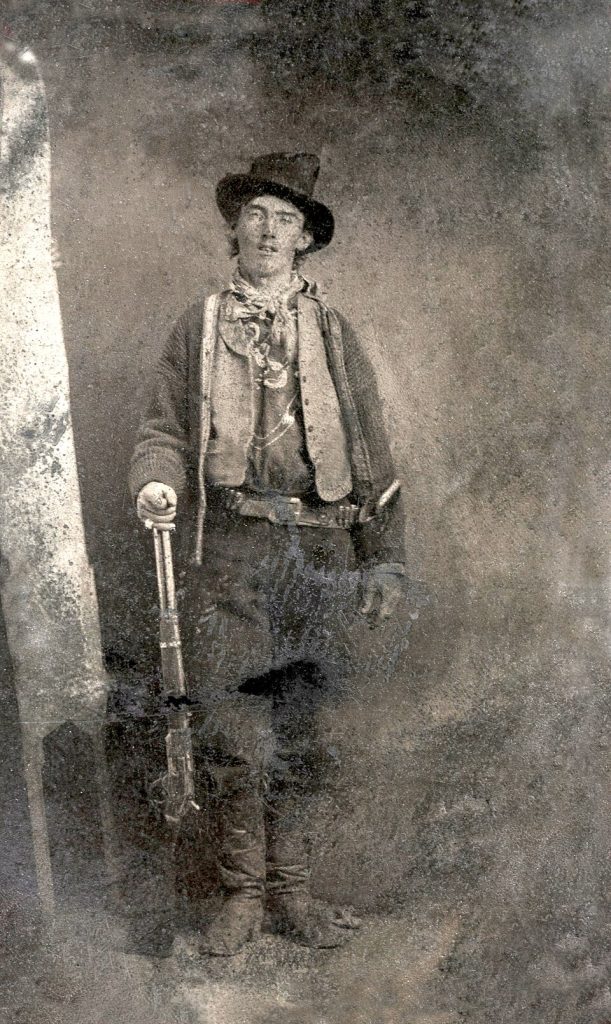
7. Billy the Kid
Billy the Kid remains one of the youngest and most mythologized figures of the West. Born Henry McCarty, later known as William H. Bonney, he was orphaned in his teens and slipped quickly from petty theft into life as a fugitive. Reports long credited him with 21 killings, but modern estimates place the total much lower, often closer to eight or nine.
His fame grew from timing as much as action. He emerged during the Lincoln County War, escaped custody more than once, and then made his most famous break by killing two guards before fleeing jail. Newspaper editorials spread his image far beyond New Mexico, and when Sheriff Pat Garrett shot him in 1881, Billy was only 21. The short life made the legend easier to romanticize.
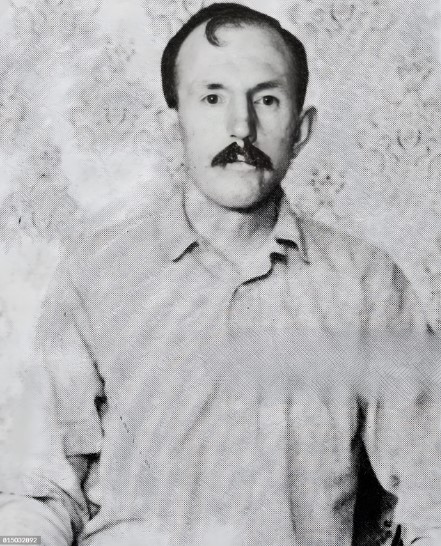
8. Tom Horn
Tom Horn embodied the harder edge of western expansion, where violence served business as much as personal survival. A skilled tracker and hired gun, he worked in the cattle conflicts that followed the settlement rush across the West, a period shaped by land claims, ranching power, and the transformation that followed measures like the Homestead Acts.
His name became permanently tied to the killing of 14-year-old Willie Nickell, a crime for which he was convicted and hanged in 1903. Debate over guilt has never fully disappeared, but Horn’s story still stands as a reminder that frontier violence was often about money, territory, and private enforcement, not just personal grudges.
Taken together, these figures reveal why the Wild West still grips popular culture. Their lives sat at the uneasy meeting point of fact and invention, where a courtroom hearing, a newspaper column, or a novelist’s flourish could turn a local killer or lawman into a national symbol. That is why their stories endured. They did not just fire guns; they helped create the American myth of the frontier, and in many cases the myth proved even harder to kill than the men and women behind it.

