
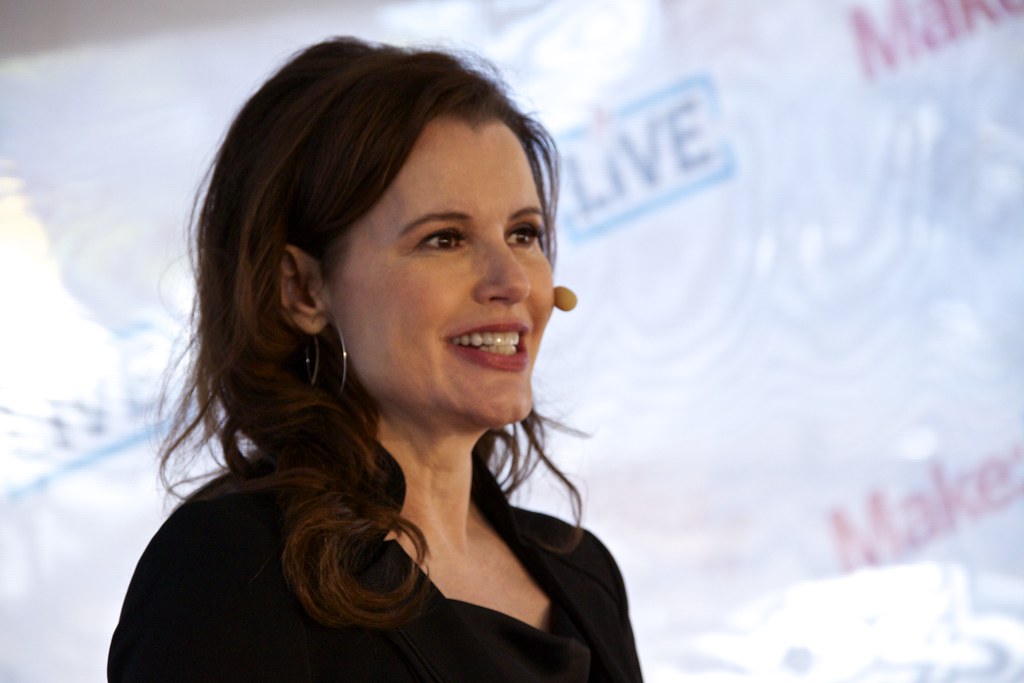
Leaving Hollywood does not always mean disappearing. For some actresses, it means choosing steadier work, more privacy, or a life that feels more grounded than auditions, red carpets, and long gaps between roles. Several of these women stepped into careers that look far removed from film sets, from emergency medicine to classrooms to animal care. Their paths show how recognizable screen careers can give way to jobs built around routine, purpose, and a different kind of public service.

1. Jennifer Stone became a registered nurse
After playing Harper Finkle on Wizards of Waverly Place, Jennifer Stone moved into healthcare and became a registered nurse. Her shift was not framed as a side hobby or temporary detour. She completed nursing school and publicly marked her move into hospital work during the COVID-19 pandemic front lines.
Stone has also spoken about living with Type 1 diabetes, which shaped her interest in helping patients. Her career change stands out because it moved from a highly visible Disney role to one of the most demanding forms of everyday work, with long shifts, urgent care, and little glamour attached to it.
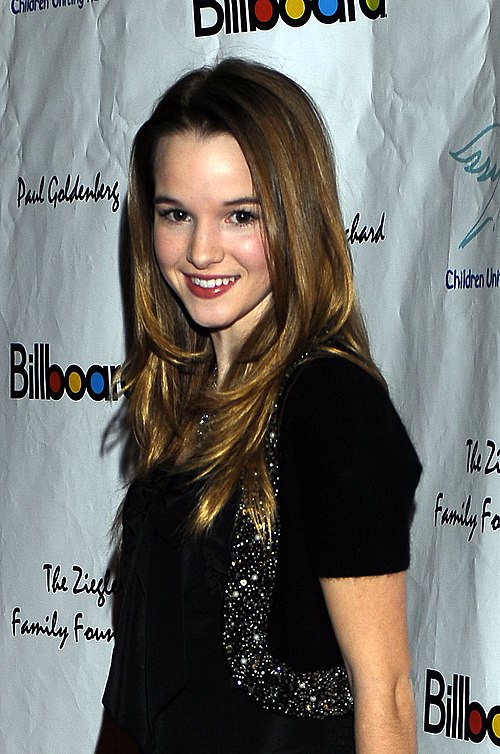
2. Kay Panabaker traded scripts for zookeeper duties
Kay Panabaker, known from No Ordinary Family and other early screen roles, stepped away from acting in 2012 and built a new life in animal care. After earning a history degree from UCLA, she completed specialized training and later worked as a zookeeper at Disney’s Animal Kingdom.
Her own explanation was direct. In a fan response highlighted in later coverage, she said, “I just lost the love for acting. Life is short, we spend so much time at work, gotta do what you love 🙂 and I love my job!!” The career pivot placed her in a field centered on animal husbandry, education, and conservation rather than celebrity visibility.
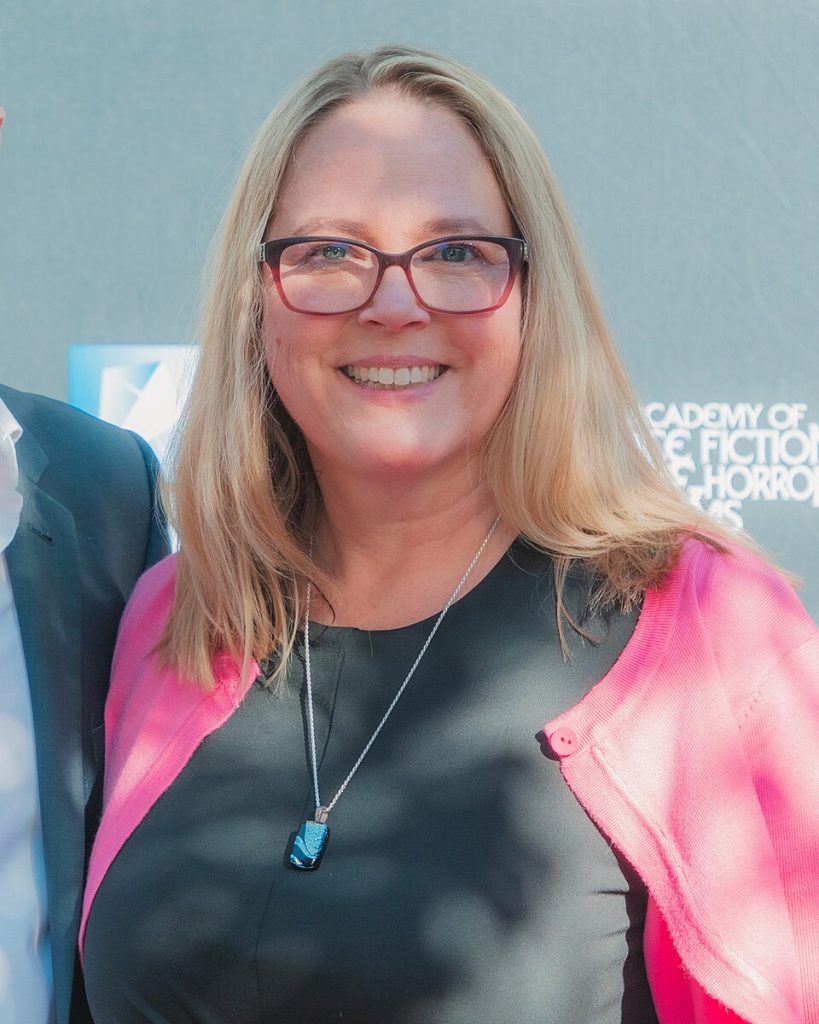
3. Carrie Henn chose an elementary school classroom
Carrie Henn became unforgettable to movie fans as Newt in Aliens, yet she never built a traditional Hollywood career after that. Instead, she focused on school, earned a degree in child development, and became an elementary school teacher in California.
That choice makes her one of the clearest examples of a true departure. There was no long list of comeback roles, no constant media presence, and no effort to stay attached to the industry. A major childhood performance simply became one chapter before a much more ordinary professional life.
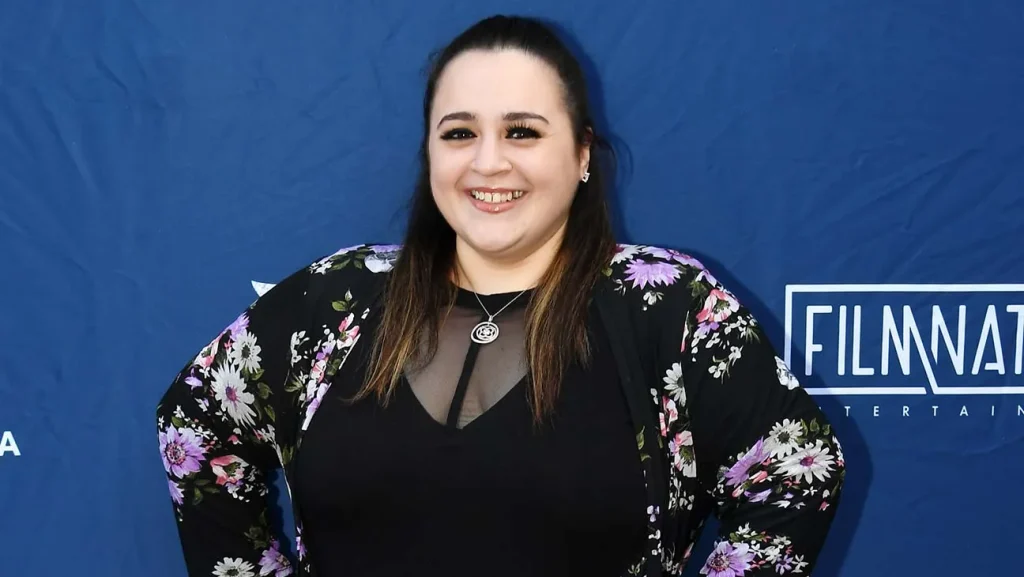
4. Nikki Blonsky took up salon work while continuing to audition
Nikki Blonsky broke through as Tracy Turnblad in Hairspray, then later worked as a licensed cosmetologist. Her move into salon work became widely discussed because it clashed with public assumptions about what happens after a breakout movie role.
She addressed it herself, writing, “Its true Im workin@ Superstar Salon as a makeup artist & more Im proud 2 b workin & helpin pay bills BUT ill NEVER loose sight of my dreams.” The quote captured a reality many performers face: recognizable credits do not always translate into lasting financial stability. In her case, beauty work offered practical income and a usable trade outside the unpredictability of casting.
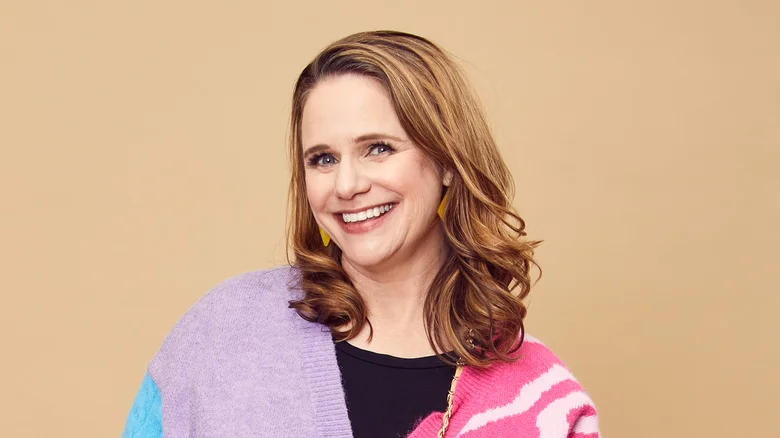
5. Andrea Barber spent years working in college advising
Before returning for Fuller House, Andrea Barber had already built a very different routine away from sitcom fame. After her years as Kimmy Gibbler on Full House, she earned a master’s degree in women’s studies and worked in the international programs office at Whittier College as an academic counselor.
Her path is notable because it was tied to education, not reinvention branding. Advising students and working in a campus environment gave her a structured professional identity far from the child-star cycle of constant exposure and nostalgia casting.
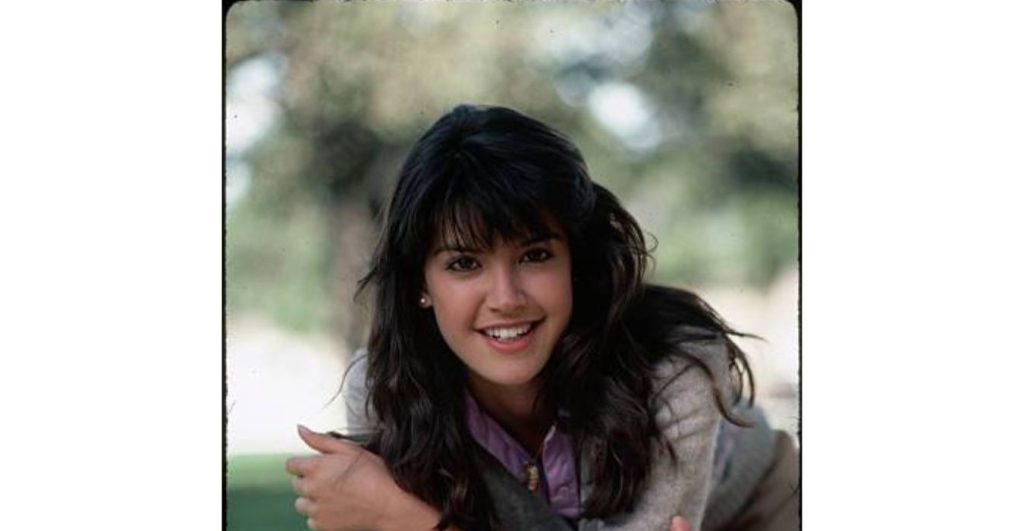
6. Phoebe Cates moved into New York retail life
Phoebe Cates was one of the most recognizable actresses of the 1980s thanks to films including Gremlins and Fast Times at Ridgemont High. Instead of chasing a long second act onscreen, she built a quieter life in New York and opened Blue Tree, a boutique on the Upper East Side.
Her transition reflected a broader pattern seen among actresses who stepped back for family life while still channeling creative instincts into daily work. Rather than staying tied to Hollywood’s pace, she became part of a neighborhood business scene that runs on customers, inventory, and regular hours.
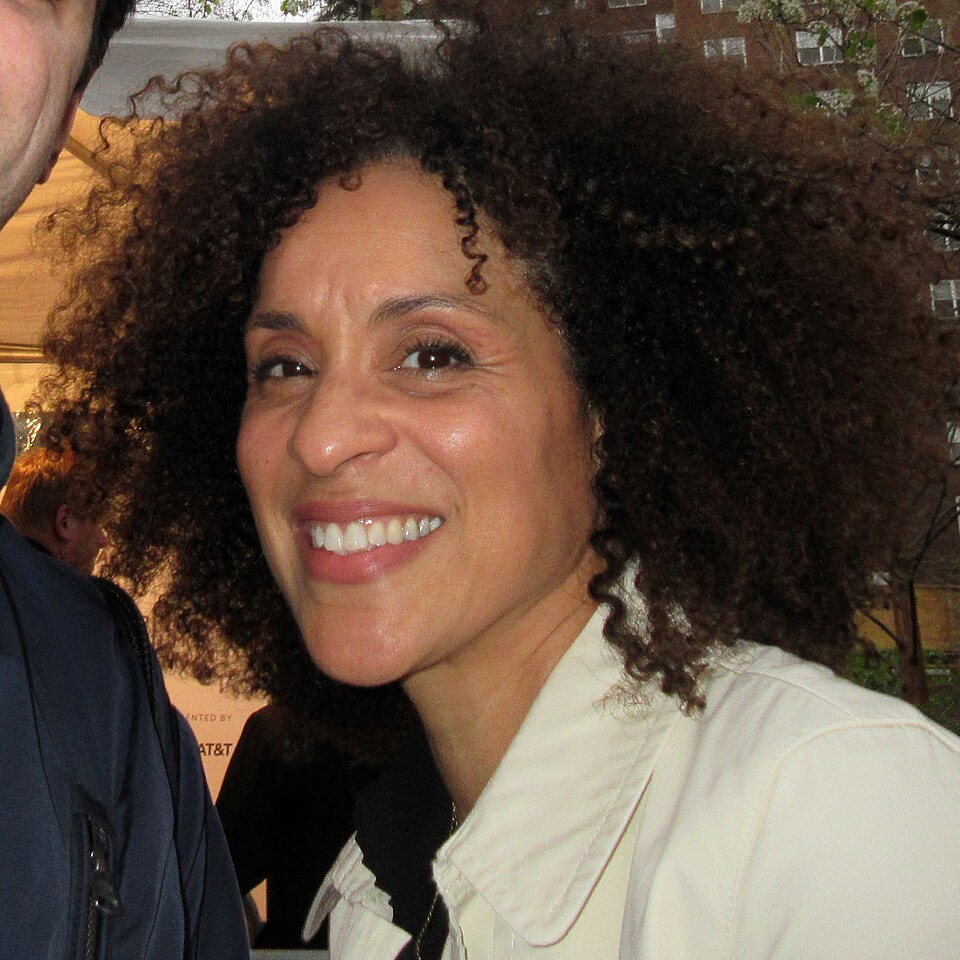
7. Karyn Parsons shifted into nonprofit and children’s education work
Karyn Parsons, remembered by many as Hilary Banks from The Fresh Prince of Bel Air, moved away from acting and put her energy into education focused nonprofit work. She founded Sweet Blackberry, an organization created to share stories of Black historical achievement with children.
She also explained the change in personal terms, saying, “My interests were changing.” That sentence says a great deal about why some Hollywood exits last. In her case, the shift was not only about fewer acting roles. It reflected a genuine move toward parenting, teaching, writing, and long term cultural work.
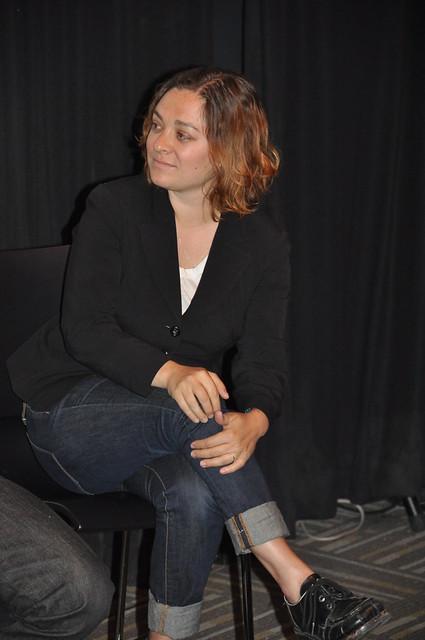
8. Maia Brewton built a law career after teen acting
Maia Brewton, known for Adventures in Babysitting and Parker Lewis Can’t Lose, left acting behind and entered the legal profession. She attended Yale and later became a licensed attorney in California. That transition highlights one of the sharpest contrasts on the list. Instead of staying near entertainment through producing, coaching, or convention appearances, she moved into casework and legal advocacy. It is a reminder that early fame can end without becoming a lifelong identity.
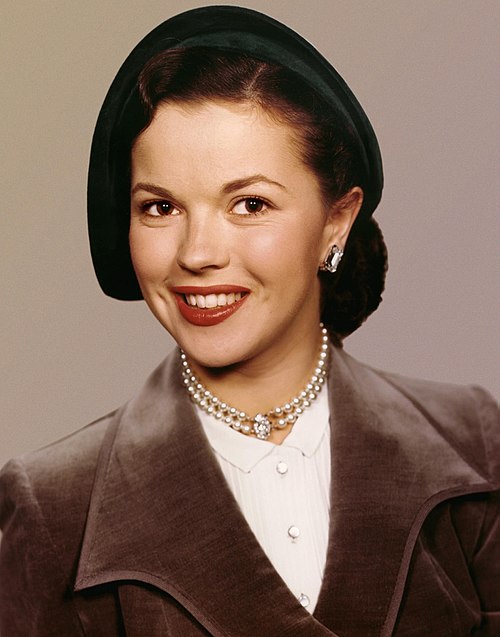
9. Shirley Temple’s second act reached diplomacy
Shirley Temple’s post-Hollywood life may be the most dramatic career change of all. After retiring from show business, she entered public service and later served as U.S. ambassador to Ghana and Czechoslovakia. Her later work went far beyond the idea of a celebrity side project. It placed one of America’s best-known former child stars in formal diplomatic roles that required policy knowledge, international representation, and public credibility of a completely different kind. It remains one of the clearest examples of an actress building a serious second career far outside entertainment.
What links these stories is not failure or scandal. It is the decision to choose work that offers structure, meaning, privacy, or stability when fame no longer fits. Some eventually returned to acting in limited ways, while others did not. Either way, their careers make the same point: Hollywood is not the only version of success, and for some actresses, the more ordinary path became the lasting one.

