

Apartment living often changes the way a dog’s personality is experienced. In a smaller home, sound carries faster, routines feel more noticeable, and a breed that tends to stay calm can make daily life feel much easier for both residents and neighbors.
Breed alone does not guarantee silence, but it does shape tendencies. Dogs that were developed for companionship or for work that did not rely on constant vocalizing are often a better fit for close-quarters living, and quiet dog breeds are less likely to bark, howl, or whine. These nine breeds stand out for their lower-noise reputation, along with qualities that suit smaller apartments.
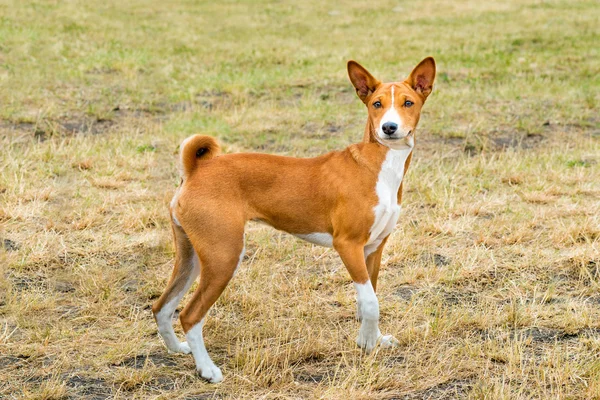
1. Basenji
The Basenji is often the first breed mentioned in conversations about quiet dogs because it is widely known as the “barkless dog”. That nickname does not mean complete silence. Instead of a typical bark, this breed is more likely to make unusual yodeling or chortling sounds. Its compact size helps in an apartment, but the Basenji is not a couch-only companion. This breed is intelligent, curious, and active, so regular walks and mental engagement matter. When those needs are met, its naturally low tendency to bark can be a major advantage in a shared building.

2. Cavalier King Charles Spaniel
The Cavalier King Charles Spaniel combines two apartment-friendly traits: a small frame and a notably gentle temperament. Reference material consistently describes the breed as sweet, calm, and unlikely to bark without reason. This is the kind of dog that usually settles easily into household routines. Cavaliers tend to enjoy being close to people, whether that means a short neighborhood walk or time curled up on the sofa. Their sociable nature also helps them adjust to frequent indoor living, though their silky coat does need regular grooming.

3. Japanese Chin
For renters looking for a compact companion, the Japanese Chin has a strong reputation for being peaceful indoors. It was bred as a lapdog and companion, and that history shows in its reserved, affectionate manner. The breed is not known for constant barking, which makes it especially appealing in apartments with thin walls or nearby neighbors. Its smaller size also means it can live comfortably in limited square footage, provided it still gets attention, play, and daily movement.

4. Shih Tzu
The Shih Tzu was developed to be a companion dog, and that background helps explain its easygoing behavior at home. It is playful and affectionate, but generally not a breed associated with nonstop barking. This breed often does well in apartments because it prefers closeness to its people over nonstop outdoor activity. The tradeoff is grooming. A Shih Tzu’s long coat needs consistent care, but its mellow indoor personality makes it a natural match for smaller homes.
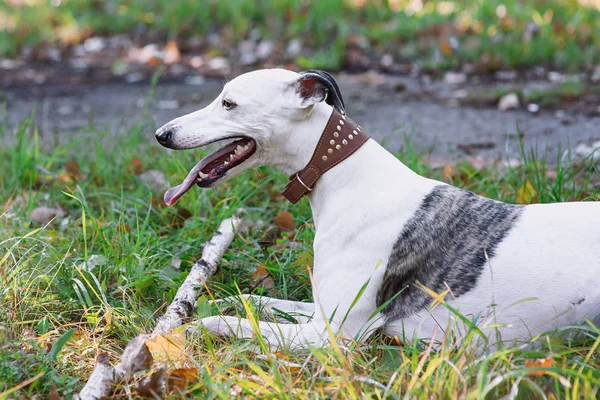
5. Whippet
Whippets bring an interesting contrast to apartment life. They are athletic dogs with real speed outdoors, yet indoors they are often quiet, reserved, and content to relax. That balance is part of what makes them so appealing in city homes. A Whippet usually needs chances to move and stretch, but after exercise it is often happy to settle down. Their short coat is also easy to maintain, which adds to their practicality in a compact living space.
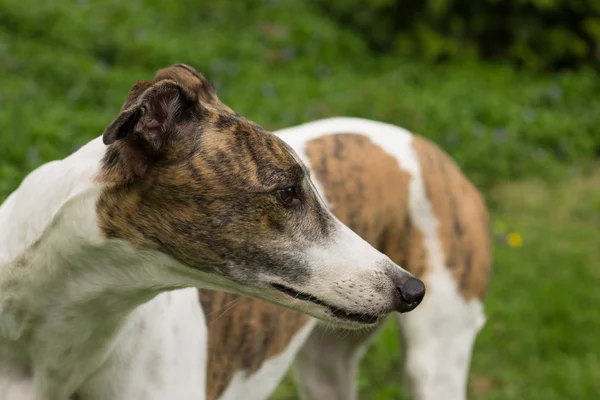
6. Greyhound
The Greyhound surprises many people for the same reason the Whippet does. Despite its racing background, it has a long-standing reputation for being calm and quiet indoors. In an apartment, the main consideration is not noise so much as space. Greyhounds are large, but they are also known for lounging for long stretches and for avoiding unnecessary vocalizing. For residents with enough room for a bigger dog bed and a clear walkway, a Greyhound can be a quieter housemate than many smaller breeds.
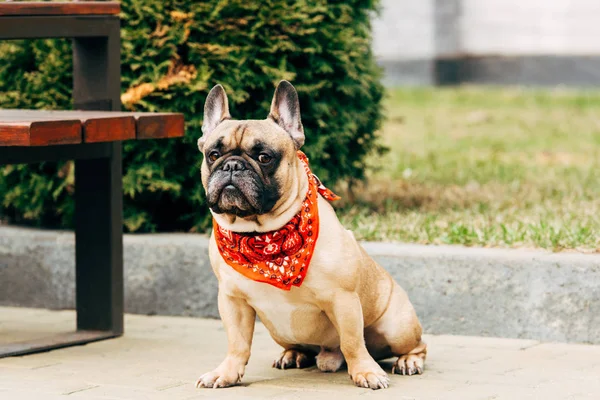
7. French Bulldog
The French Bulldog is a common city dog for practical reasons. It is compact, adaptable, and generally not known as an excessive barker. Its personality tends to be playful without being relentlessly busy, which works well in smaller homes. Many French Bulldogs are satisfied with moderate activity and plenty of time near their people. Their short face means owners need to pay close attention during exercise and warm weather, but in terms of day-to-day noise, they are often a comfortable apartment fit.
8. Bulldog
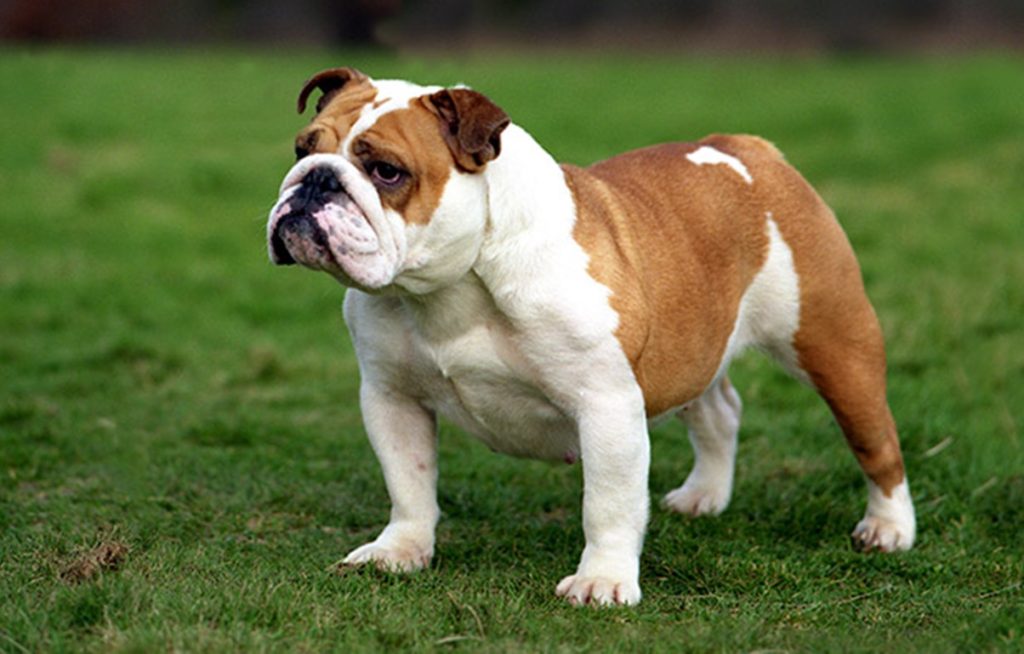
The Bulldog has a relaxed style that suits indoor living. It is typically described as loyal, affectionate, and low on unnecessary barking. That calm presence can be useful in apartments where a dog that reacts to every hallway sound would quickly become stressful. Bulldogs are not especially demanding in terms of energy, though they still need steady exercise and careful attention to weight and heat sensitivity.
9. Borzoi
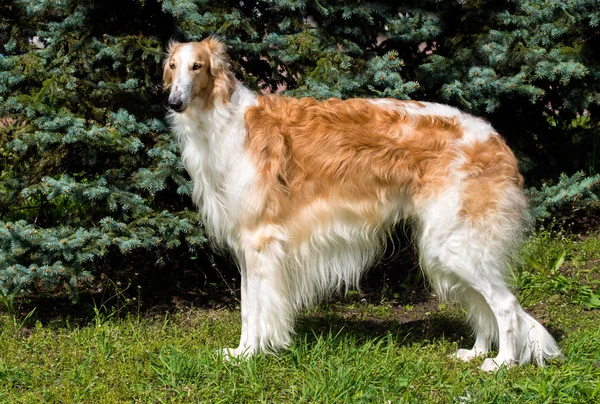
The Borzoi is graceful, quiet, and often reserved around the home. Sources describing lower-noise breeds regularly place it among the dogs least likely to make a fuss without cause. This breed is less common in apartments simply because of its larger size, not because of temperament. Borzois tend to keep a dignified, low-key presence indoors, and sighthounds hunt by sight rather than scent, a background linked to quieter working behavior. In the right apartment, with enough room and regular exercise, that temperament can translate well.
A quiet apartment dog is usually a mix of breed tendencies, routine, and comfort. The reference material also notes that anxious or unsocialized dogs are more likely to vocalize, which means environment still matters even with naturally quieter breeds. In small apartments, the most successful dogs are often the ones that feel secure, exercised, and included in daily life. These breeds offer a strong starting point for residents who want companionship without turning every hallway sound into a full-volume announcement.

