
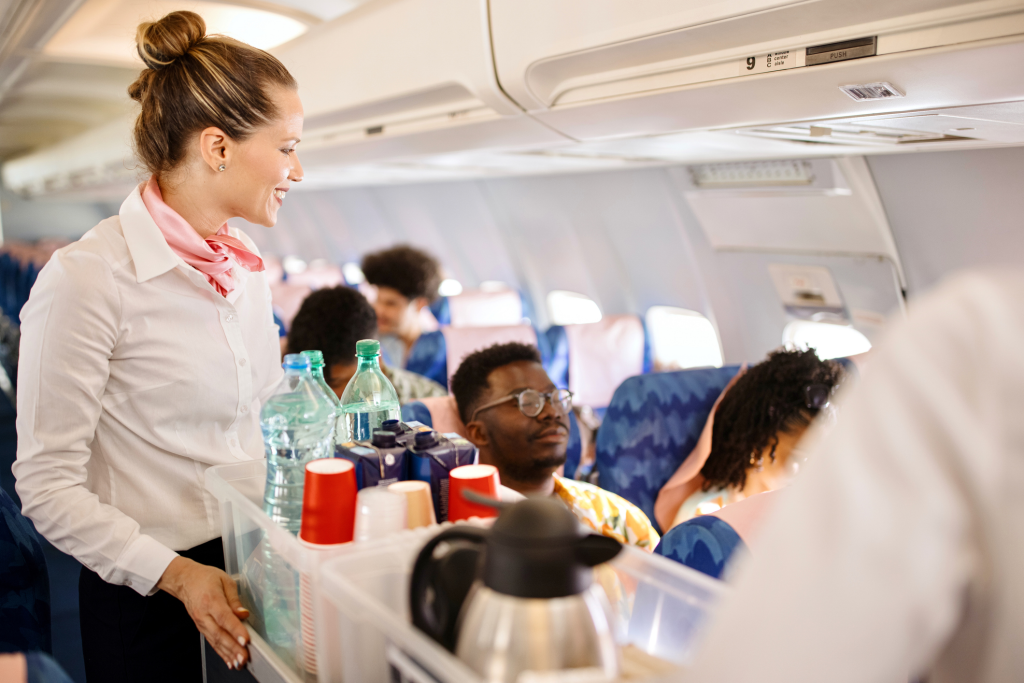
On a full flight, the line between considerate and disruptive gets thin fast. Many passengers mean well, but in a cramped cabin, the most appreciated behavior is usually the least theatrical: listening, staying aware of shared space, and letting the crew manage the flow. That is why some of the habits travelers think look polite can land badly with flight attendants. As veteran flight attendant Tania M. put it, “We certainly appreciate it when passengers go out of their way to be helpful. usually.”
1. Policing other passengers
Calling out another traveler for ignoring a rule can turn a minor problem into a cabin-wide confrontation. Flight attendants are the ones trained to handle seatbelt issues, service disputes, and other in-flight conflicts, so a passenger stepping in often raises the temperature instead of solving anything. The smoother move is quieter and far more effective: flag a crew member and let them decide how to respond. That keeps the issue from becoming a personal standoff in a tightly packed space.
2. Reworking the overhead bin like a puzzle
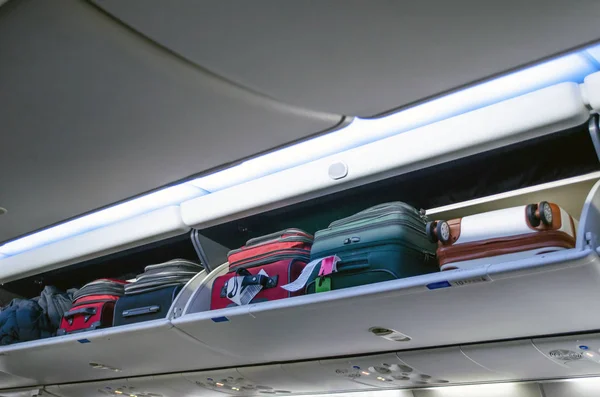
Nothing slows boarding like a passenger shifting other people’s bags, rotating luggage without asking, or opening bins again and again to improve the arrangement. It creates confusion during boarding and again when everyone is trying to get off the plane.
Flight attendants consistently stress that overhead space is shared. The best practice on many aircraft is wheels-first and vertically, unless the aircraft layout calls for a different position. Smaller personal items belong under the seat when possible, and bags should be fully closed so nothing spills out during flight.
3. Touching a flight attendant to get attention
A tap on the arm may feel harmless to the passenger doing it, but many crew members do not want to be poked, tugged, or grabbed while they are working. In a fast-moving aisle, unexpected contact can also be distracting. A simple “Excuse me” or “Ma’am” is enough. The call button exists for the same reason: it signals a need without forcing physical contact.
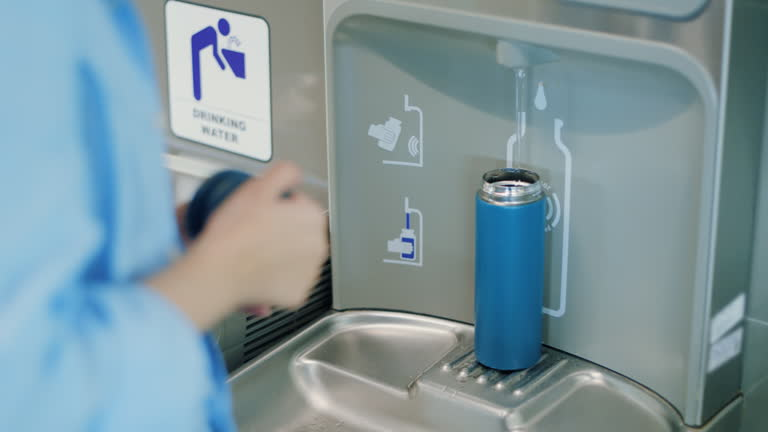
4. Asking for a full bottle refill during service
Carrying a reusable bottle is practical, but asking the crew to refill a large bottle in the middle of beverage service can strain limited onboard supplies and slow down service for the rest of the cabin. Tania M. explained it plainly: “We just can’t fill up all of your water bottles, or there wouldn’t be enough to offer.” The easier workaround happens before boarding. Filling up in the terminal and then asking for a standard cup of water in flight keeps things moving and avoids draining resources meant for everyone onboard.
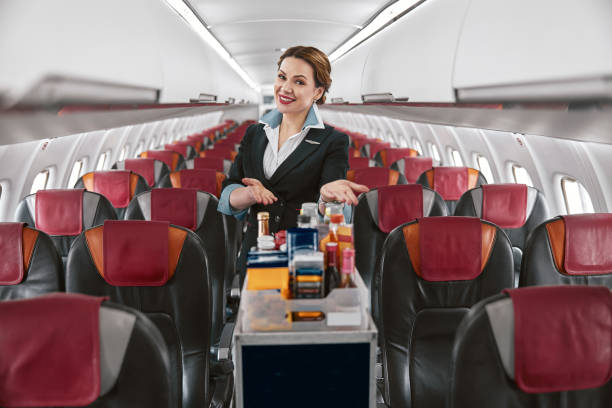
5. Reaching onto the drink cart
Grabbing a soda, napkin, or cup directly from the cart may look efficient, but it interrupts a service pattern the crew is already managing row by row. It can also create crowding in the aisle and force attendants to stop and reset. Service carts are not self-serve stations. Waiting a few seconds for the cart to reach the row keeps the aisle calmer and avoids making nearby passengers feel like the line has been cut.
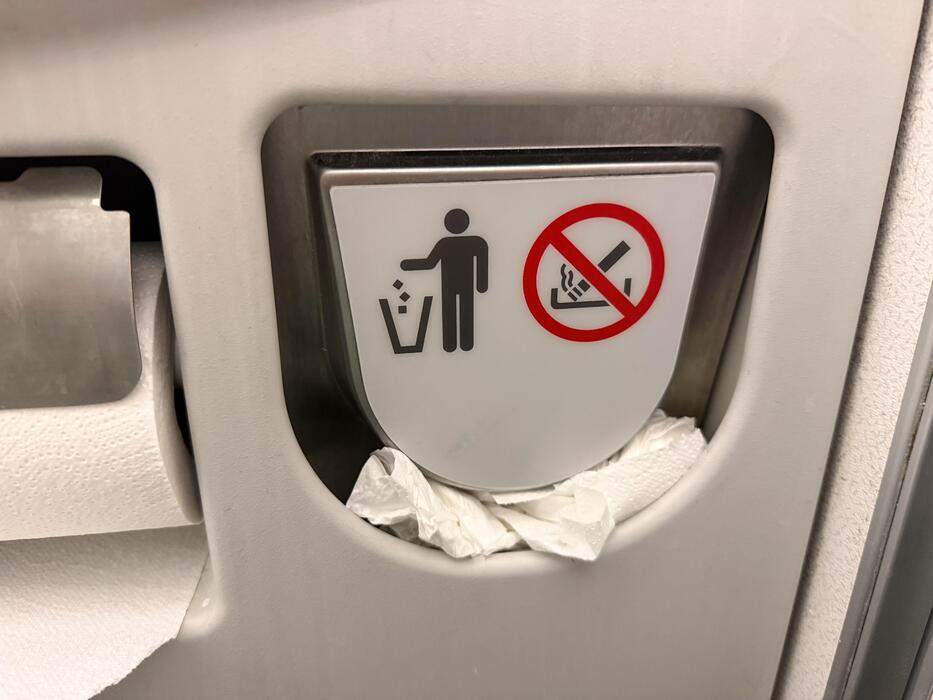
6. Handing over messy or hazardous trash
Used tissues, diapers, and anything involving bodily fluids should not be placed directly into a flight attendant’s hand. Cabin crews deal with constant cleanup demands already, and some waste requires more careful handling than ordinary snack wrappers.
Lavatory trash is the better destination for many personal hygiene items, and parents are broadly expected not to change diapers in the passenger seating area. Even everyday restroom etiquette matters on board, especially in a compact space shared by hundreds of people.
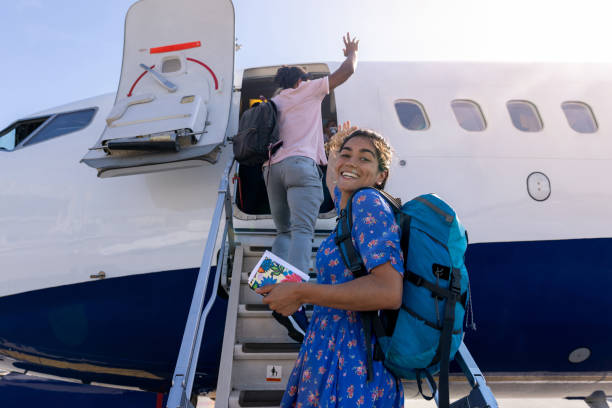
7. Taking too long to settle a carry-on
Passengers who stop in the aisle to adjust straps, guard a preferred patch of overhead space, or keep repositioning a bag can stall an entire boarding line behind them. A few extra seconds from one traveler often ripple through the whole cabin.
Flight attendants also note that they generally are not allowed to lift bags for passengers because overhead-bin assistance is a common source of injury. The best setup happens before boarding: zipped bag, tucked straps, essential items kept out of the overhead, and a plan to sit down quickly.
8. Using the call button for company
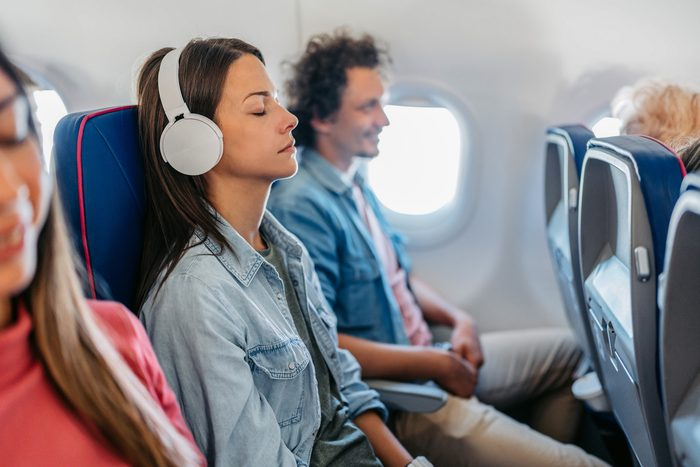
One attendant described being summoned simply to keep a passenger entertained, even though crews are balancing far more than beverage service. That is also why the call bell should be used thoughtfully, not as a substitute for casual social time. Even basic timing matters during a flight, especially when crews need to stay focused on safety procedures and the seat belt sign.
9. Thanking the pilot and ignoring the cabin crew
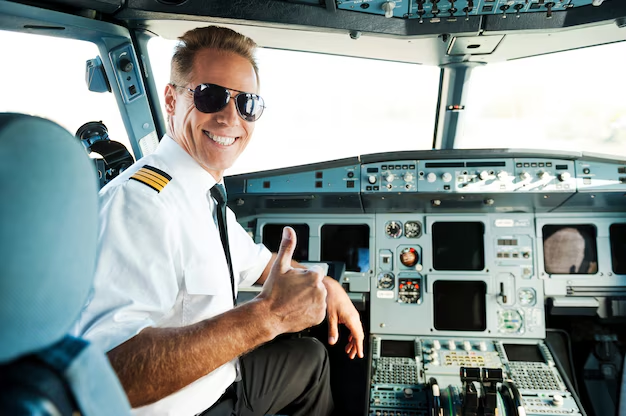
Many travelers make a point of smiling at the pilot on the way out, yet walk past the attendants who handled boarding, service, safety checks, and passenger issues from door to door. Flight attendants notice that imbalance. The fix takes almost no time. A brief thank-you to the crew at the aircraft door acknowledges the people who spent the flight managing both comfort and safety. The best kind of in-flight courtesy rarely looks dramatic. It is quieter than that.
Keeping shoes on when heading to the lavatory, respecting the crew’s work area, and treating cabin systems as shared resources all make a visible difference. One infectious disease specialist noted that walking barefoot exposes feet to bacteria, viruses and fungi, a reminder that good plane manners are often about health and safety as much as politeness. On board, the passengers who make the best impression are usually the ones who help by staying out of the way.

