
Some stores sold more than products. They shaped weekend routines, first jobs, Friday night plans, and the way malls felt at their busiest. Their disappearance also tells a larger story about how American shopping changed. E-commerce, debt-heavy expansions, streaming, discount competition, and the slow weakening of the mall model all helped erase names that once looked permanent. According to 8,270 retail stores closed in 2025, showing that retail shrinkage is not a short-lived phase but part of a longer reset.
1. Blockbuster
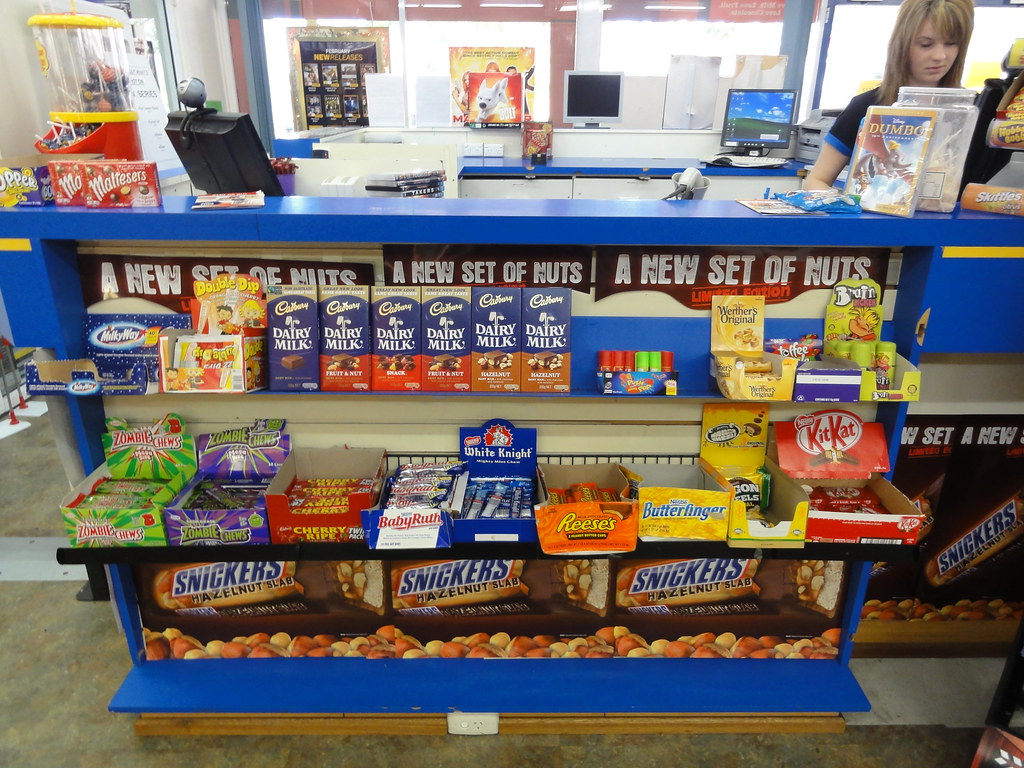
Blockbuster once turned movie night into an outing. Families wandered aisles, checked new-release walls, and grabbed snacks on the way to the register. At its height, the chain had roughly 9,100 locations, making it one of the most recognizable storefronts in the country. Its collapse became one of retail’s clearest examples of a business missing a format shift. DVD-by-mail, on-demand viewing, and streaming made the weekly rental trip less necessary, and Blockbuster filed for bankruptcy in 2010. Today, the brand survives physically in one franchise store in Bend, Oregon, more as a cultural landmark than a national chain.
2. Borders Books & Music
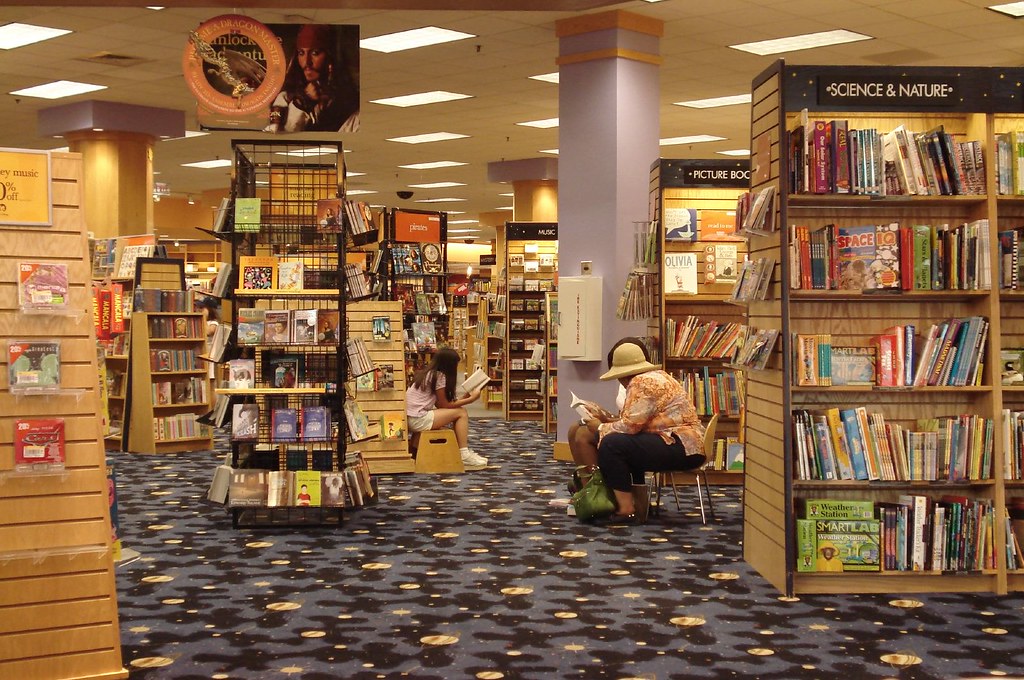
Borders offered a style of browsing that online retail never fully replaced. Its oversized stores encouraged long visits, with shelves of books, music, and magazines giving shoppers reasons to linger rather than rush. The chain expanded heavily in the 1990s, then struggled as reading and music habits moved to digital formats. Borders underestimated e-books and online selling, while its in-store music business lost relevance at the same time. It filed for bankruptcy in 2011, ending a retail experience built around unplanned discovery.
3. Tower Records
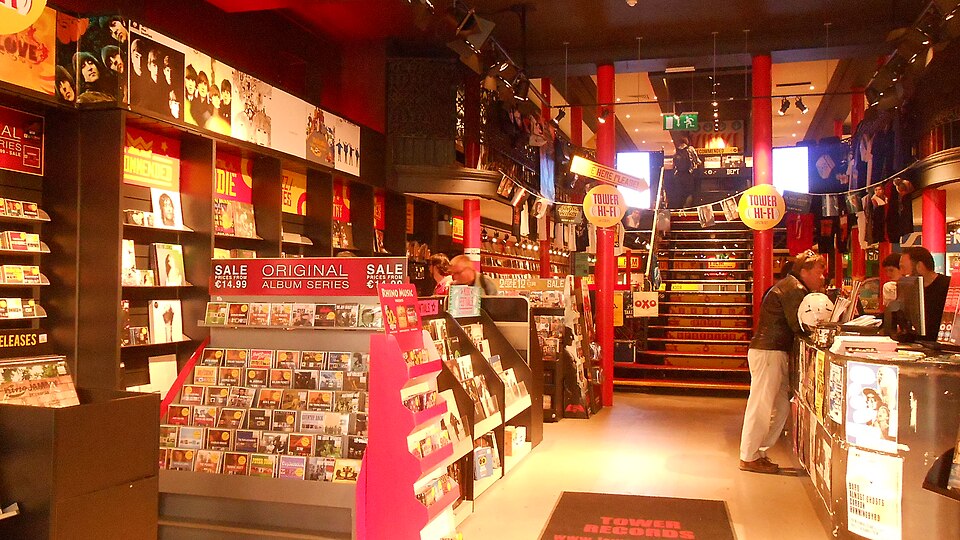
Tower Records was more than a place to buy music. For many shoppers, it was where taste got built in public, one album cover at a time. The stores carried a sense of cultural credibility that made them feel closer to a hangout than a transaction. That identity could not protect the business once downloads and streaming changed how people found and owned music. Tower’s U.S. stores closed in 2006 after bankruptcy, though the brand later returned online and still exists independently in Japan. Its American disappearance marked the end of the record store as a mainstream chain destination.
4. Toys R Us
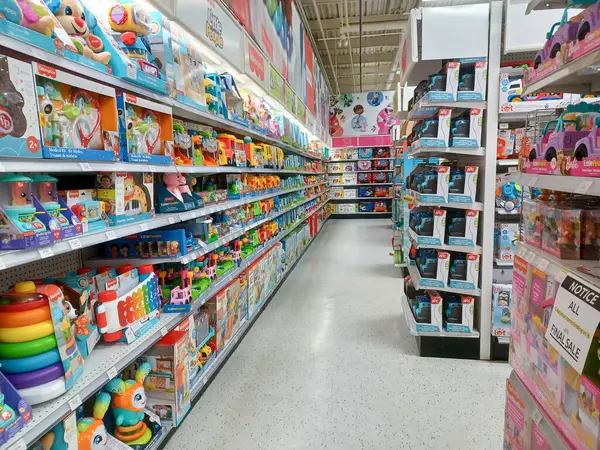
Toys R Us made shopping feel enormous. The chain’s warehouse-style stores, Geoffrey the Giraffe, and holiday aisle displays turned birthdays and December trips into events rather than errands. Its fall was not caused by one problem alone. Debt weighed heavily on the company, and competition from Walmart, Target, and Amazon kept squeezing its business. After its 2017 bankruptcy, the standalone U.S. empire largely disappeared, even though the brand later returned through limited-format locations and Macy’s shop-in-shops. What vanished was the giant toy superstore experience that defined so many childhood shopping trips.
5. Joann Fabrics
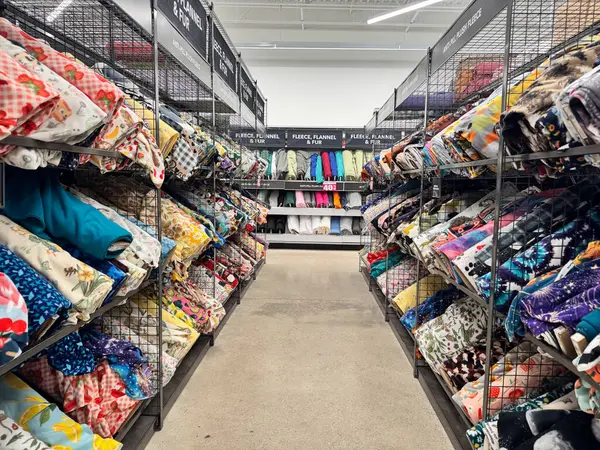
Joann was never just a craft store for its regular customers. It was a supply hub for sewing, quilting, school projects, holiday decor, and side-hustle makers who depended on local access to fabric and notions. That made its decline feel especially personal in many communities. After a second bankruptcy filing in less than a year, the company moved toward widespread closures in 2025. In its farewell message, the company said, “We deeply appreciate our dedicated Team Members, our customers and communities across the nation.” The statement captured how closely the brand had been tied to everyday creative life.
6. Party City
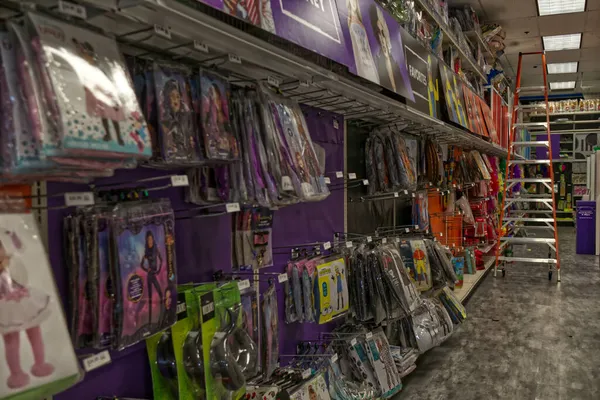
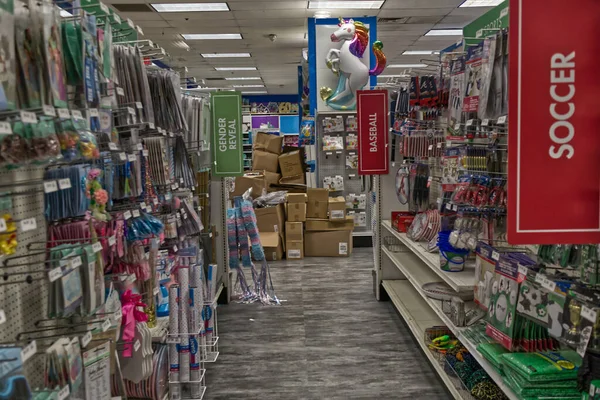
Party City specialized in one thing many general retailers only treated as a side aisle: celebration. Birthdays, graduations, Halloween, baby showers, and classroom events all sent shoppers there looking for something specific and immediate. That specialization became harder to sustain as big-box rivals expanded party assortments and pandemic-era disruptions hit gatherings. After bankruptcy and failed restructuring, the chain said it would shut its stores, ending the run of a retailer that had become shorthand for last-minute event shopping.
7. Bed Bath & Beyond
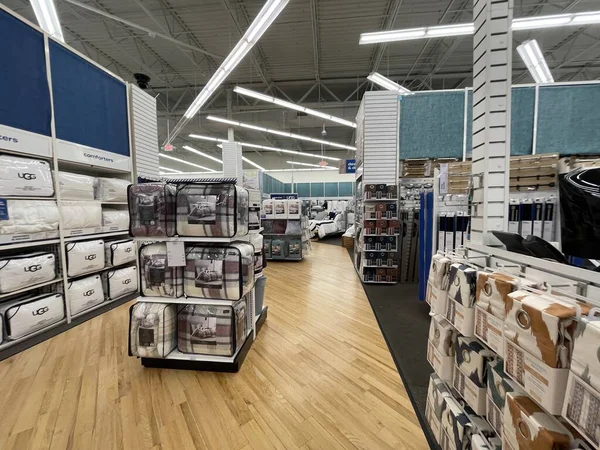
For years, Bed Bath & Beyond was the place for wedding registries, dorm move-ins, kitchen gadgets, and the familiar stack of blue coupons many shoppers carried automatically. At its peak, it operated close to 900 stores. But large footprints, inventory problems, debt, and changing shopping habits caught up with it. After bankruptcy in 2023, the brand shifted online, while the oversized home-goods box that anchored so many shopping centers largely disappeared. Its decline also reflected a broader strain on malls and power centers built around big anchor tenants and predictable foot traffic.
8. Forever 21
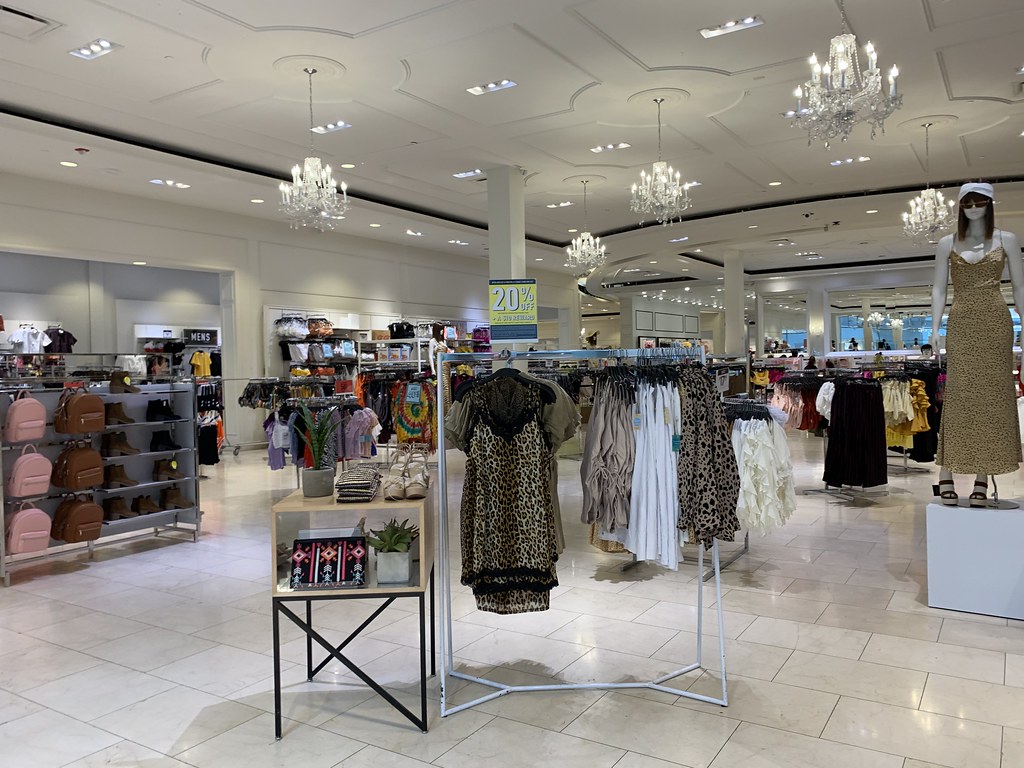
Forever 21 helped define the mall fashion boom of the 2000s. Its giant stores, fast turnover, and low-cost trend chasing made it a default stop for teens and young adults. Then the fast-fashion market sped up even more. Digital-first rivals such as Shein and Temu changed the competitive landscape, and mall traffic no longer delivered the same volume. By 2025, the chain’s American footprint was nearing a full shutdown, even as licensed stores abroad continued. Its decline showed how quickly a youth retail giant can lose relevance once the pace of trend retail moves online.
9. Circuit City
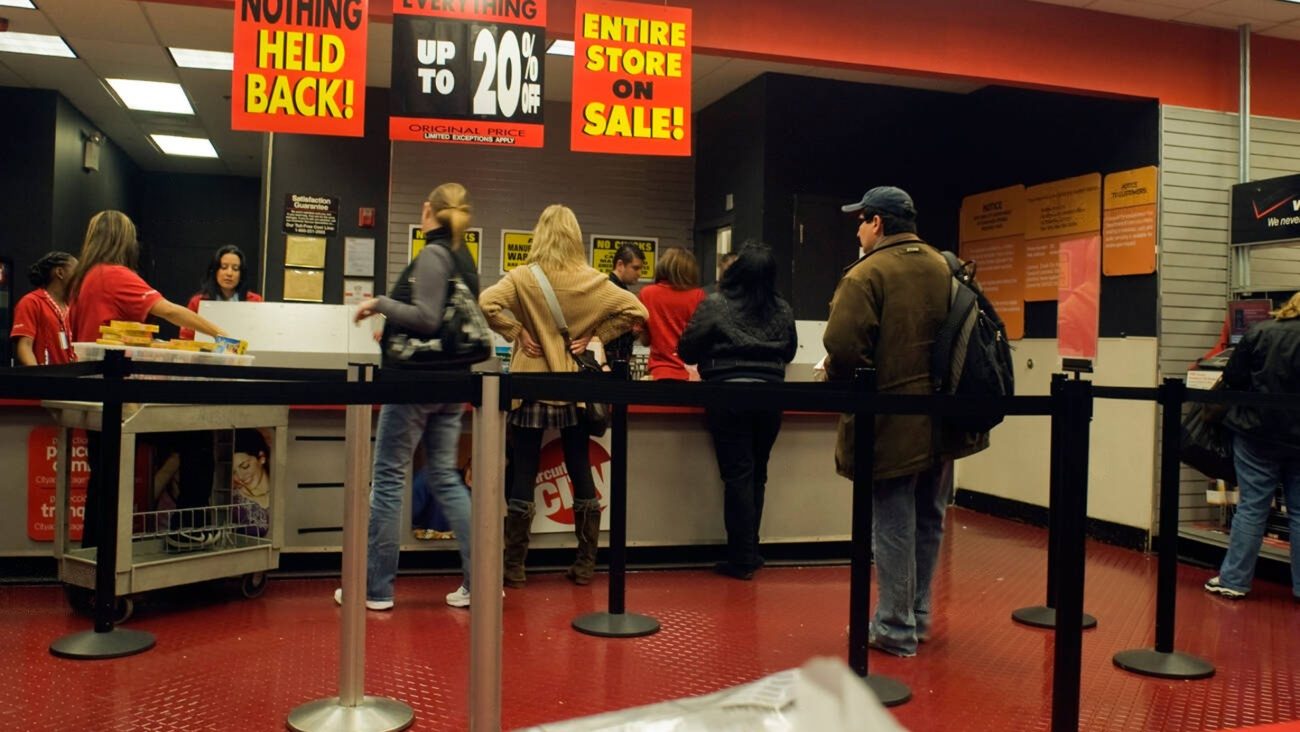
Before electronics shopping shifted to websites and phone launches, Circuit City was a major destination for TVs, stereos, computers, and home tech. It helped popularize the electronics superstore format and trained shoppers to compare gadgets in person.
That advantage faded as competitors improved, online retail got easier, and many big-box locations became liabilities instead of strengths. The company liquidated its U.S. stores in 2009, joining a long list of chains that once seemed built for the future until the future changed faster than they did.
These vanished chains still stand out because they were woven into ordinary routines. They were where people compared CDs, picked birthday balloons, tested blenders, rented movies, and wandered without a shopping list. The broader retail shift did not just remove storefronts. It changed where people gather, how errands feel, and what mall culture looks like after the anchors are gone.

