
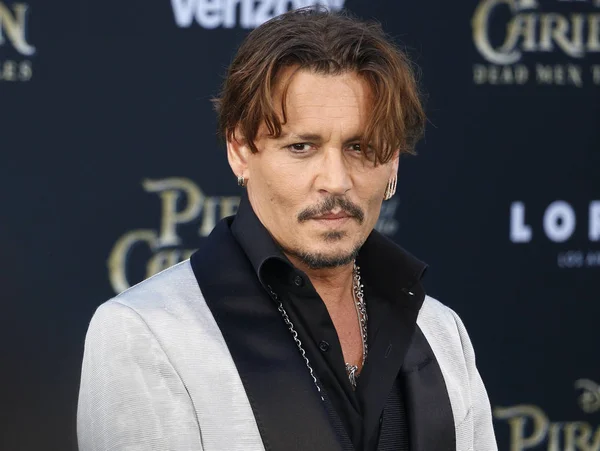
Disney’s family-friendly brand has never left much room for off-screen chaos. Across Marvel, Star Wars, ABC, Disney Channel, Pixar, and acquired studios, the company has repeatedly severed ties with actors, directors, and creators when legal trouble, workplace complaints, or public scandals became impossible to ignore. Some exits quietly reshaped franchises. Others turned into industry-wide debates about talent, accountability, and how much a studio will tolerate before replacing a familiar face.
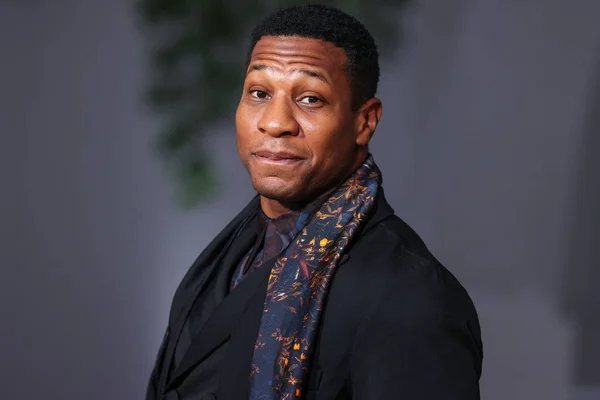
1. Jonathan Majors and Marvel’s abrupt villain rewrite
Jonathan Majors had been positioned as a major long-term villain in Marvel’s next phase after appearing in Ant-Man and the Wasp: Quantumania and Loki. Disney and Marvel cut ties after a guilty verdict in a domestic dispute case, ending a plan that had tied several future films to his character. The fallout went beyond one casting change. It forced Marvel to rethink the shape of upcoming projects and showed how quickly a studio can reverse course when a central performer becomes a liability.
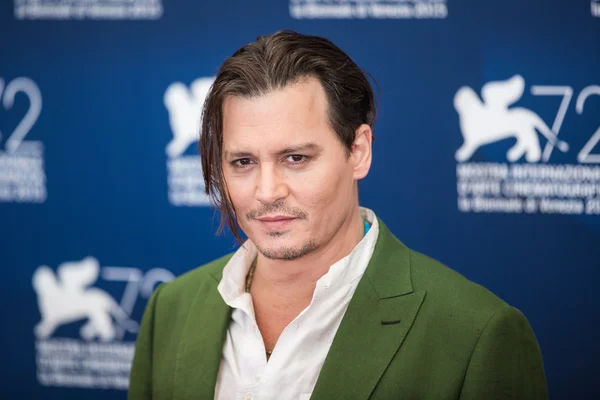
2. Johnny Depp losing Captain Jack Sparrow
Few Disney roles were as closely tied to one actor as Captain Jack Sparrow was to Johnny Depp. After years of public legal battles and allegations involving his former spouse, Disney moved away from the actor as it looked to refresh the Pirates of the Caribbean series. The shift mattered because Depp had carried the franchise across five films, making his departure one of the company’s most visible breaks with a star whose character had become part of Disney’s modern identity.
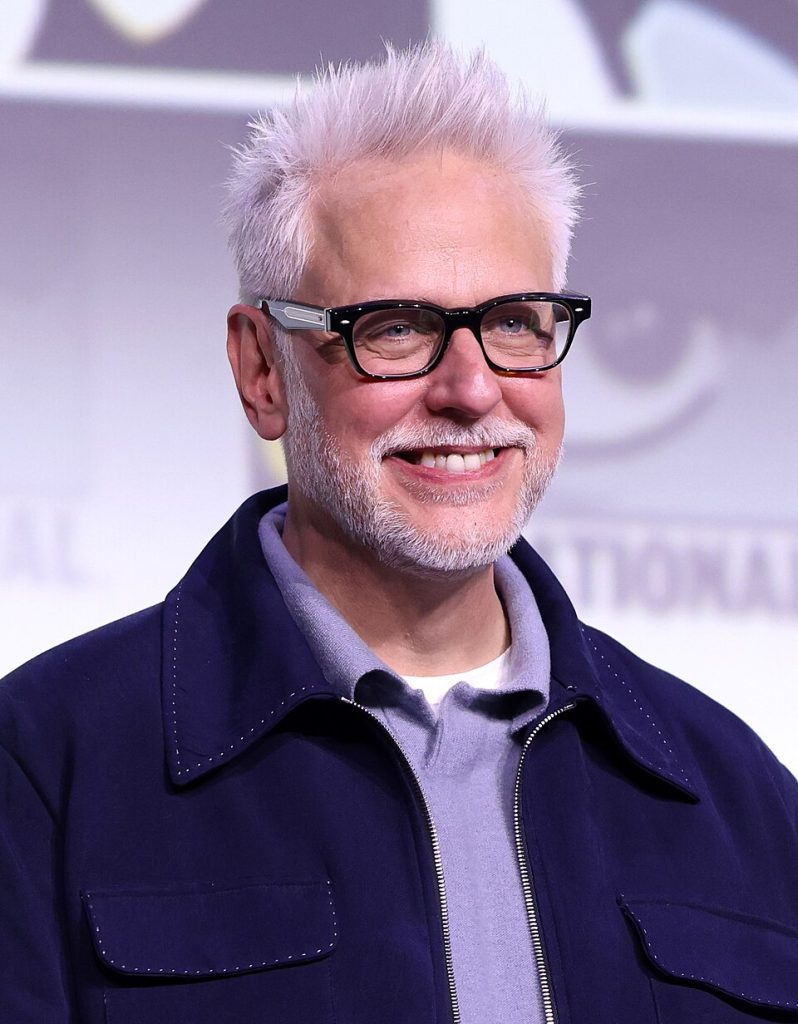
3. James Gunn’s firing that did not stick
James Gunn’s exit from Guardians of the Galaxy Vol. 3 became one of Disney’s most debated personnel decisions. Old social media posts resurfaced, prompting the studio to remove him from the film. Gunn later wrote, “My words of nearly a decade ago were, at the time, totally failed and unfortunate efforts to be provocative.” After a public campaign and support from the main cast, Disney reversed the move and reinstated him in March 2019. The episode remains a rare example of Disney firing a major creative figure and then backing down.
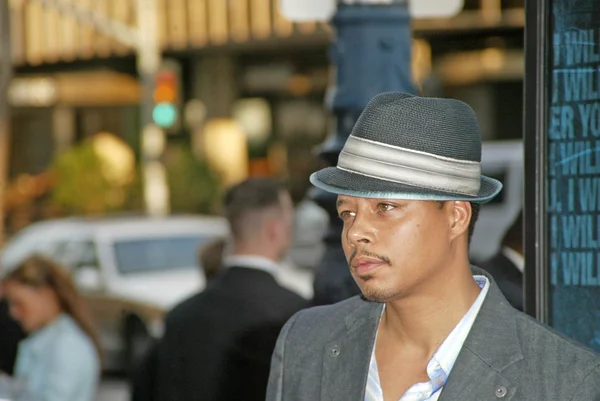
4. Terrence Howard’s early Marvel pay dispute
Before the Marvel machine became known for long-term continuity, one of its earliest recasts arrived with Terrence Howard. After playing James Rhodes in the first Iron Man, he was replaced by Don Cheadle for the sequel. Howard later said on Watch What Happens, “It turns out that the person I helped become Iron Man, when it was time to re-up for the second one, took the money that was gonna go to me and pushed me out.” The role went on without him for years, turning a contract dispute into a permanent franchise reset.
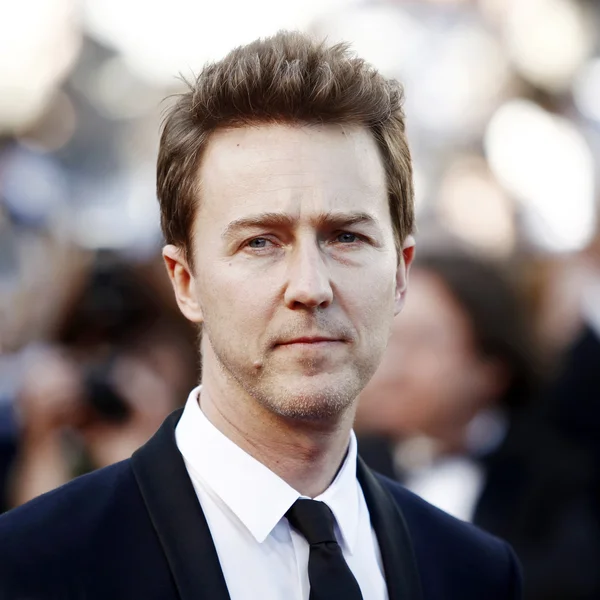
5. Edward Norton’s short-lived Hulk era
Edward Norton starred in The Incredible Hulk, but his version of Bruce Banner ended there. Marvel publicly signaled that it wanted a more collaborative presence moving forward, and Mark Ruffalo took over for The Avengers and every major appearance after that. The recasting helped establish an important Disney-era rule inside Marvel: creative friction behind the scenes could matter just as much as box-office visibility in front of the camera.
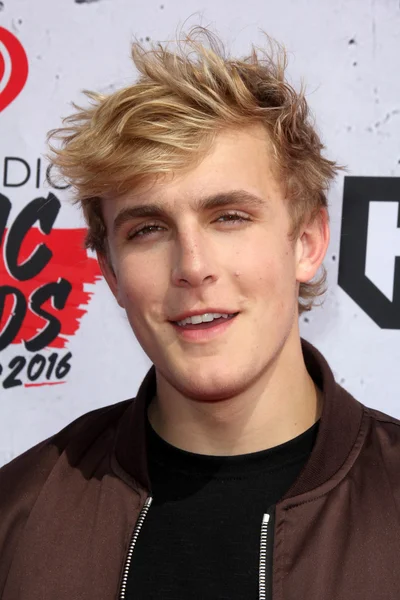
6. Jake Paul and the “mutual” Disney Channel split
Jake Paul’s run on Bizaardvark ended while public scrutiny around his off-camera behavior was growing. Complaints from neighbors and attention around stunts near his Los Angeles home put pressure on the show’s family-friendly image. Disney said, “We’ve mutually agreed that Jake Paul will leave his role.” Paul described the separation as a managed exit, saying Disney wanted to “expedite this process of weaning you off the show.” The wording sounded calm, but the break reflected a familiar pattern: brand protection came first.
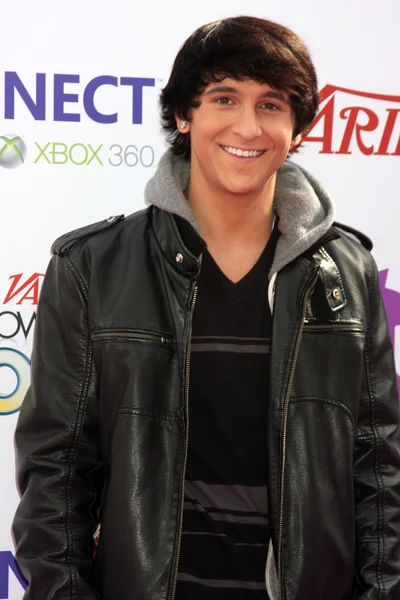
7. Mitchel Musso’s Disney XD fallout
Mitchel Musso had become a familiar Disney face through Hannah Montana and Pair of Kings. That changed after a DUI arrest, which collided with the image Disney XD was trying to maintain for its young audience. He was written out of his live-action series and also stepped back from other channel work. For child-star pipelines built on consistency and trust, even one legal incident can change the trajectory fast.
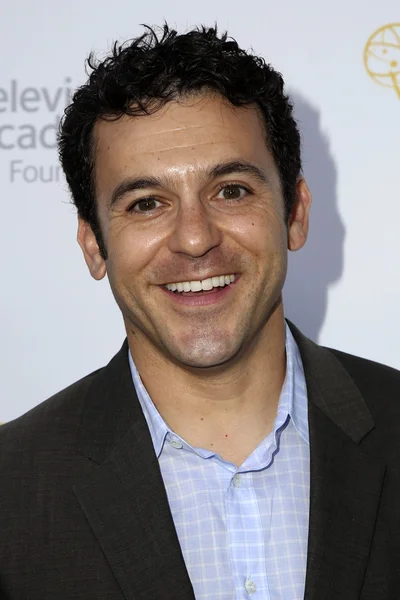
8. Fred Savage leaving The Wonder Years reboot
Fred Savage was dismissed as a director and executive producer on Disney’s The Wonder Years reboot after an internal investigation into allegations of inappropriate conduct on set. Unlike some older Disney disputes tied to pay or creative control, this one reflected a more modern studio focus on workplace conduct and production culture. The removal also showed that nostalgia value and past ties to a property do not outweigh the findings of an internal review.
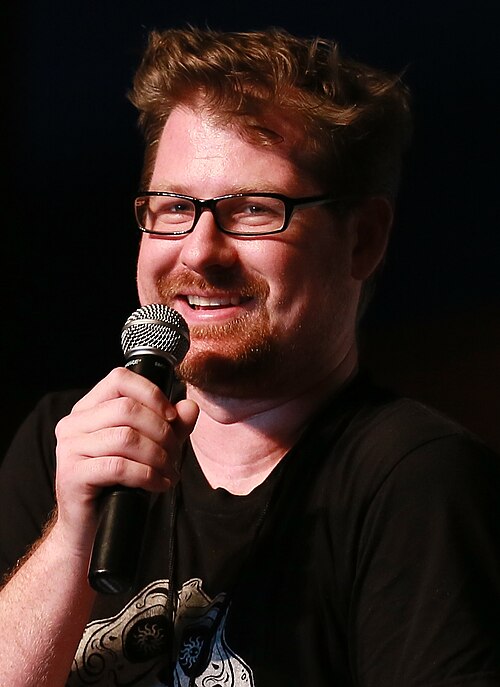
9. Justin Roiland losing Disney-backed work across platforms
Justin Roiland’s departure from Solar Opposites rippled beyond a single show. Disney and its related platforms moved to cut professional ties after legal charges emerged, and his voice roles were recast so the series could continue. The decision highlighted how animation studios now treat replaceability differently than they once did. A creator or lead voice can be central to a show’s identity, but not necessarily irreplaceable.
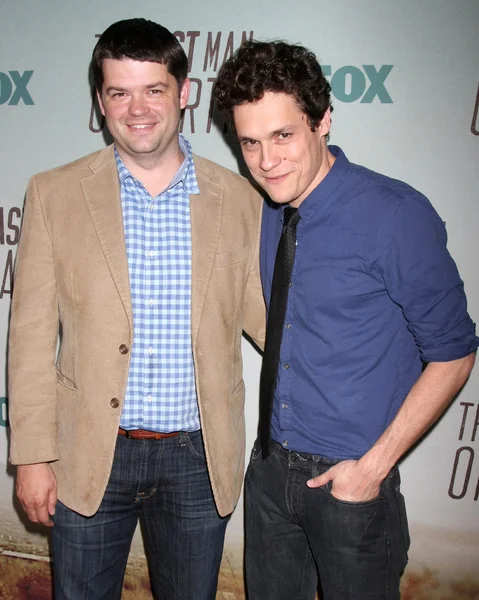
10. Phil Lord and Christopher Miller getting removed from Solo
Disney and Lucasfilm made an unusually dramatic production call when Phil Lord and Christopher Miller were removed from Solo: A Star Wars Story deep into filming. Reports around the split focused on clashes over tone, improvisation, and how far the film should stray from the established Star Wars formula. Ron Howard stepped in and reshot significant material. It remains one of the clearest examples of Disney choosing franchise consistency over a riskier creative voice.
Across all of these departures, the reasons were not identical. Some involved legal trouble, some centered on public image, and others came down to internal clashes over authority and control. What connects them is simpler: Disney has repeatedly shown that no role, no franchise, and no long-running relationship is fully insulated when conduct, controversy, or creative conflict starts threatening the company’s larger brand.

