
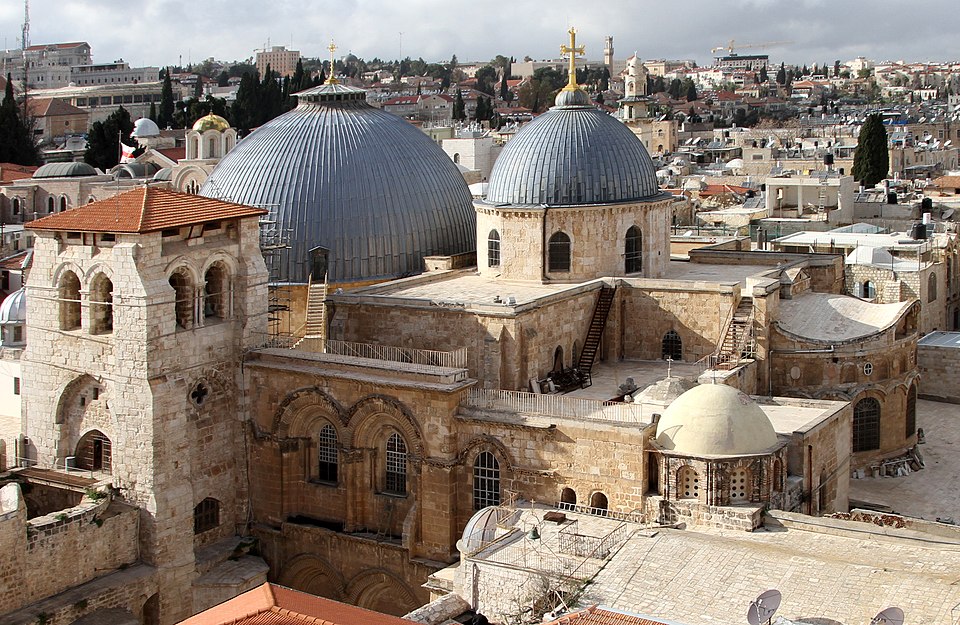
Beneath one of Christianity’s most venerated sanctuaries, a quieter story has emerged from the soil itself. Archaeologists working under the Church of the Holy Sepulchre have identified traces of ancient cultivation, reviving attention to a small but vivid line in John’s Passion narrative: the presence of a garden near the tomb.
The finding does not settle questions of faith, and the excavation team has kept that distinction clear. What it does offer is a richer picture of landscape, memory, and the physical setting that later became one of the world’s most enduring places of pilgrimage.
1. The discovery centers on olive trees and grapevines
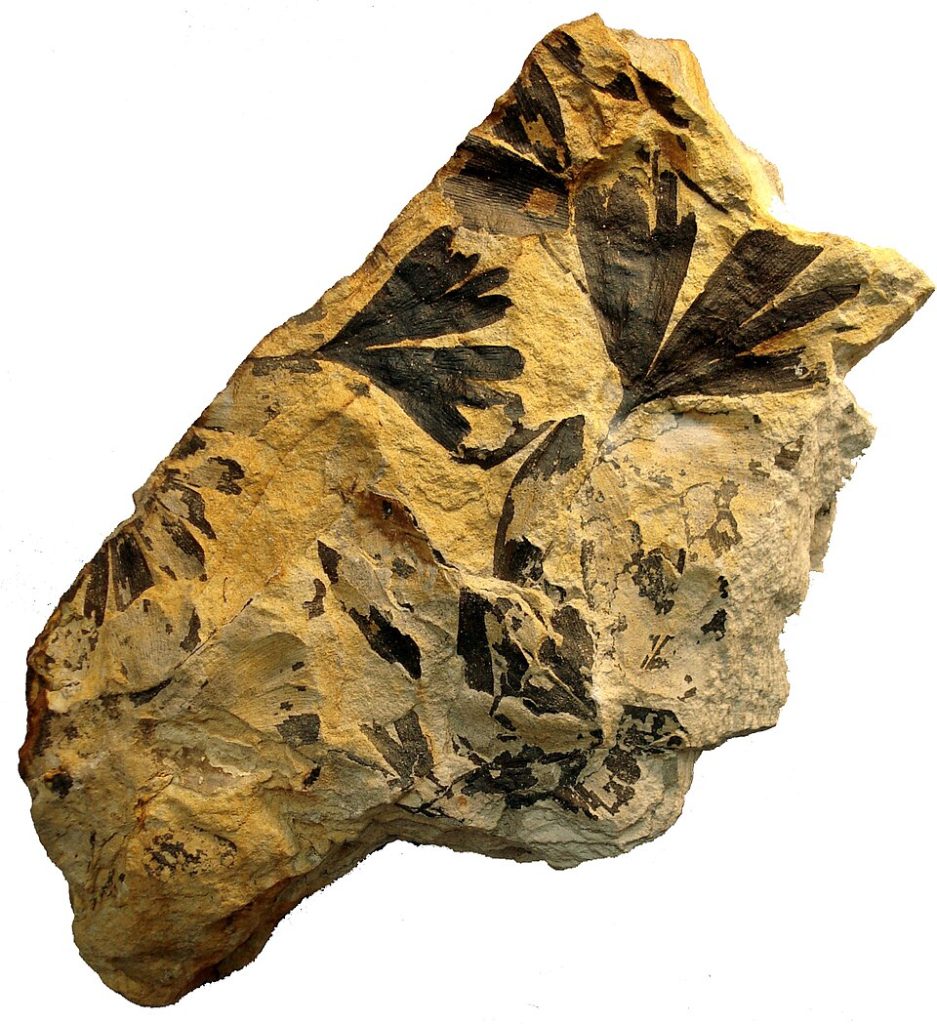
Researchers identified signs of ancient cultivation through archaeobotanical and pollen analysis taken from samples beneath the church floor. The remains point to olive trees and grapevines growing there in antiquity, suggesting that the ground once supported managed plant life rather than serving only as bare stone or burial terrain.
That detail matters because it gives substance to a landscape image that has long lived mostly in text and tradition. Seeds, pollen, and soil layers do not speak in theological language, but they can reveal whether a place was cultivated, abandoned, quarried, or occupied.
2. John’s Gospel is the text suddenly back in focus
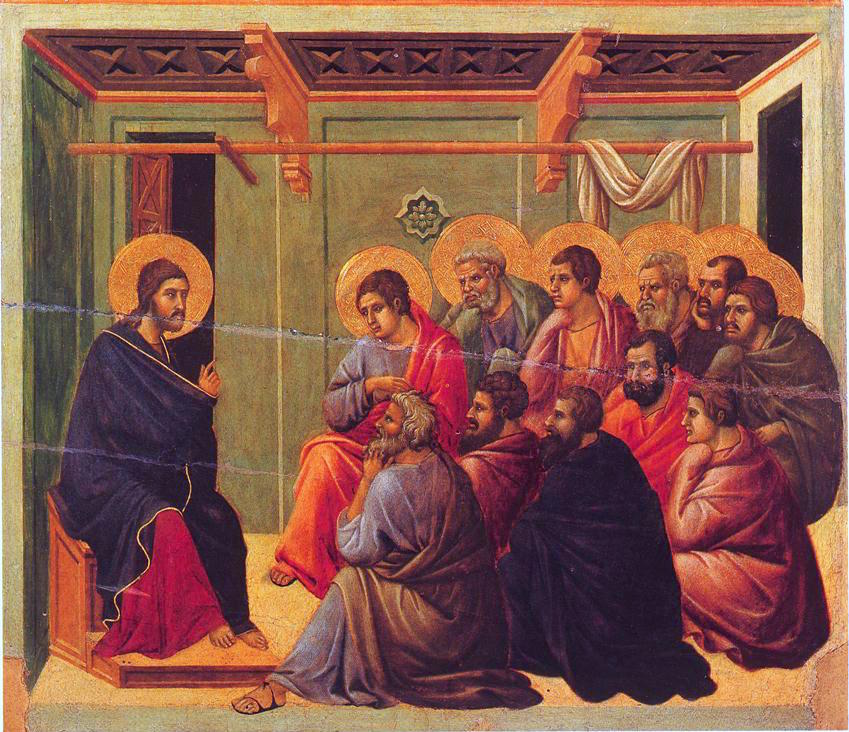
The passage drawing renewed attention is John 19:41: “Now in the place where he was crucified there was a garden, and in the garden a new tomb in which no one had yet been laid.” Among the canonical Gospels, John offers that striking topographical note, placing burial and greenery side by side.
The recent findings have made that line newly discussable in archaeological terms. Rather than treating the verse only as symbolic or literary, scholars and readers now have fresh reason to consider whether it also preserves a grounded memory of the area’s appearance in the first century.
3. The site appears to have changed function over time
One of the most compelling aspects of the excavation is the layered history of the ground under the church. According to Prof. Francesca Romana Stasolla, the area began as a quarry, later shifted into agricultural use, and by the first century included rock-cut tombs. That sequence helps explain how a garden and burial space could exist close together without contradiction. In Jerusalem’s ancient landscape, worked stone, cultivated plots, and tombs could occupy neighboring phases of the same terrain. The excavation also recovered pottery, lamps, and structural traces that reinforce the picture of a place repeatedly reused rather than frozen in a single moment. The result is less a single snapshot than a long environmental biography.
4. The church floor became a rare doorway into buried history
The excavation has been possible because the communities that oversee the church agreed to a major floor renovation in 2019. That restoration created an unusual chance to investigate strata normally sealed beneath one of the most sensitive religious sites on earth.
Work has proceeded in carefully separated sections so that worship and visitation could continue. Stasolla described the process this way: “If we were talking about a puzzle, we could say we are only excavating one piece at a time, but eventually, we will have a complete multimedia reconstruction of the full picture.”
5. The findings are important, but not complete
The plant evidence appears to belong to the pre-Christian era based on archaeological context and stratigraphy. At the same time, radiocarbon testing had not yet been completed in the referenced reporting, which means the chronology still requires further scientific confirmation.
That caution is part of the story. Archaeology often advances by narrowing possibilities rather than delivering final answers in a single season of digging.
6. The landscape described in John fits what archaeologists found
Stasolla drew direct attention to the correspondence between text and terrain. “The archaeobotanical findings have been especially interesting for us, in light of what is mentioned in the Gospel of John,” she said. “The Gospel mentions a green area between the Calvary and the tomb, and we identified these cultivated fields.”
Her wording is careful. It does not claim proof of the Gospel account in a total sense, but it does indicate that the kind of environment John describes is consistent with what the excavation has uncovered so far.
7. The broader site holds far more than one question about a garden
The dig has also exposed evidence from the Iron Age, a circular marble base beneath the aedicule, fourth-century coins, and large quantities of pottery and animal remains. These discoveries show that the Holy Sepulchre is not only a place linked to one sacred memory, but also a dense archive of Jerusalem’s changing urban and devotional life.
The church itself stands over a site that was once a quarry, then a cultivated field, and later a burial area. In that sense, the garden finding gains force from context: it belongs to a landscape already known to have been transformed again and again across centuries.
8. Archaeology and belief remain separate, even here
The excavation leader has explicitly resisted turning the dig into a verdict on faith. “However, it is the faith of those who have believed in the holiness of this site for millennia that has allowed it to exist and transform,” Stasolla said. “This is true for all holy sites.” That distinction matters for readers interested in wellbeing, spirituality, and sacred place. Material evidence can clarify setting, usage, and continuity. It cannot replace the inner meaning that communities attach to a site, nor can it erase the fact that devotion itself becomes part of a place’s history.
What has reopened beneath the church is not only a trench in stone, but an old question about how text and terrain meet. The seeds and pollen do not close the debate around Jesus’ tomb, yet they do restore texture to John’s image of a garden beside grief, burial, and remembrance. In that way, the excavation offers something more enduring than a headline: a reminder that landscapes can preserve memory long after language turns sacred.

