
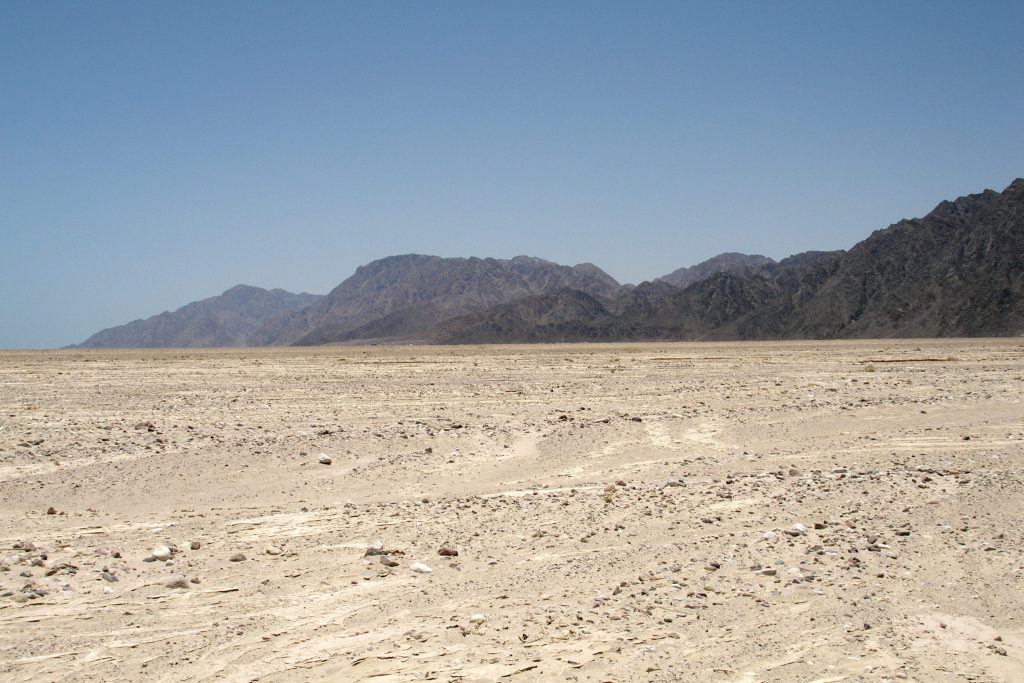
On a wind-scoured plateau in Sinai, miners once cut turquoise from the rock and left behind something stranger than tools or debris: fragments of the earliest alphabetic writing yet known from the region. Those marks, scratched near an Egyptian temple and inside mining areas at Serabit el-Khadem, now sit at the center of a much larger question about memory, belief, and whether biblical tradition ever brushed directly against recoverable history.
The debate is not settled. But the inscriptions have become difficult to ignore, not because they prove Exodus, but because they preserve a world in which Semitic workers, Egyptian power, contested worship, and the first alphabet all occupied the same landscape.
1. The site itself is older and more revealing than the Moses debate
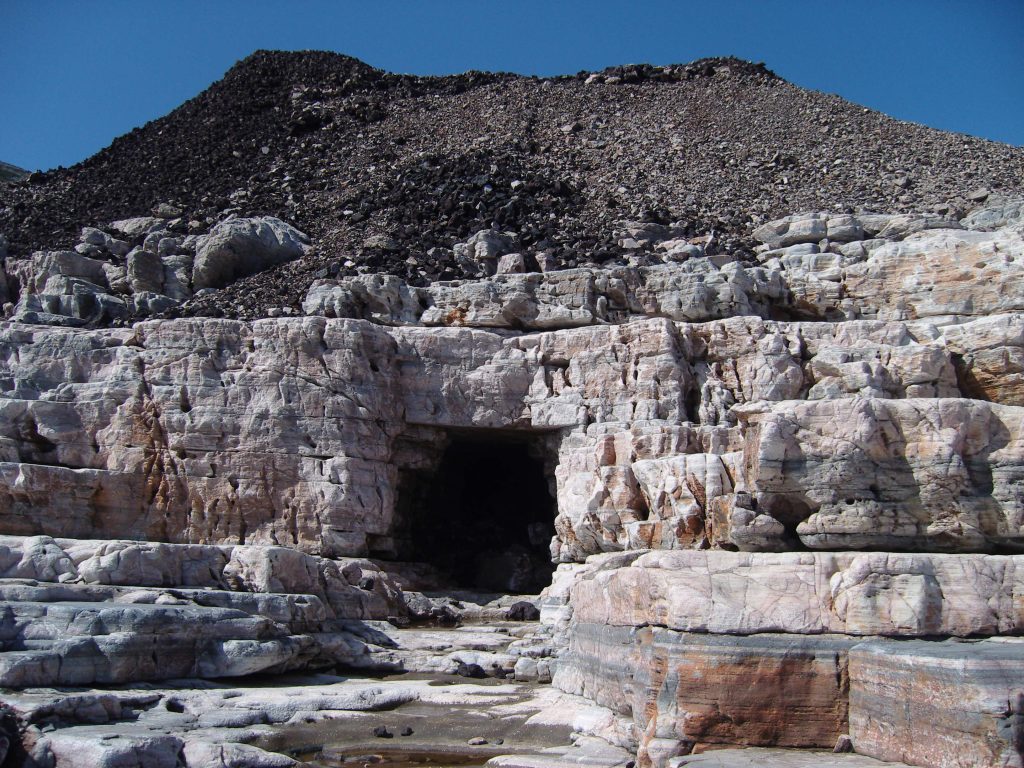
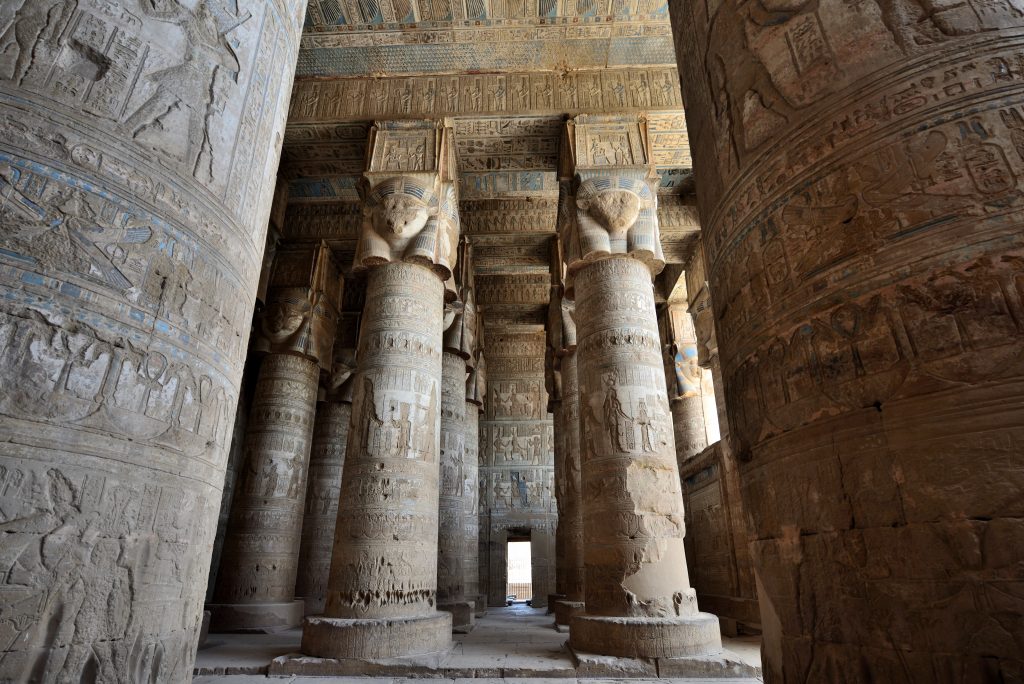
Serabit el-Khadem was an Egyptian turquoise mining center in west-central Sinai, active for centuries, with mining and worship tightly linked. The plateau also held a temple to Hathor, a goddess known there as the “Lady of the Turquoise,” and the mines drew labor, administration, and ritual into one harsh environment. According to the Serabit el-Khadem record, the site functioned for at least eight centuries. That long use matters because it means the inscriptions belong to an established industrial and religious setting, not an isolated mystery.
2. These marks belong to the earliest alphabetic tradition
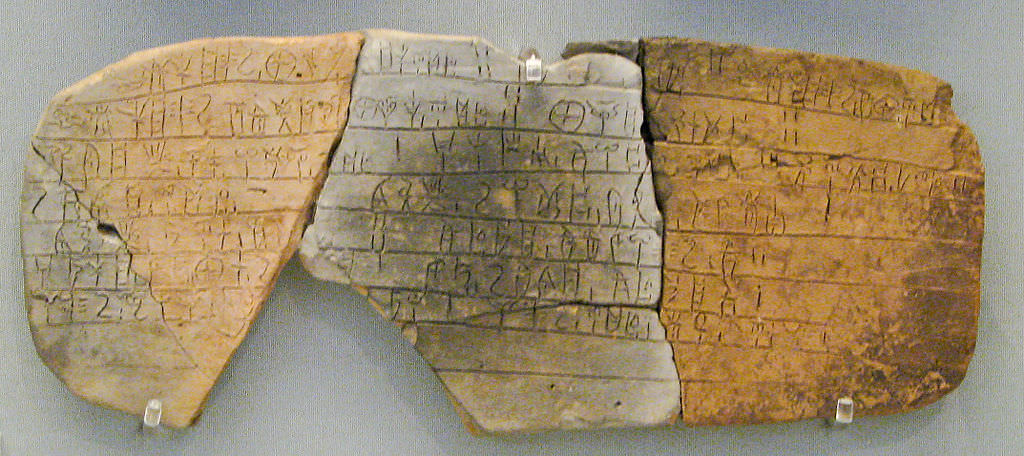
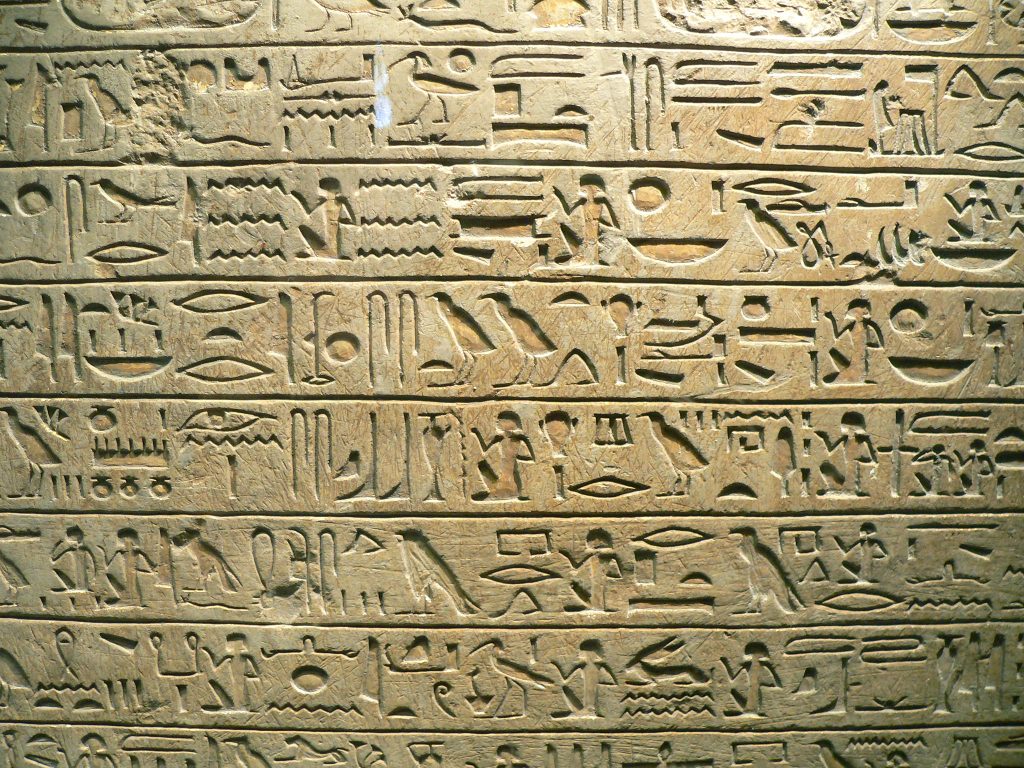
The inscriptions are commonly described as proto-Sinaitic, a regional form of proto-Canaanite. Their importance reaches far beyond biblical debate, because this script stands near the beginning of alphabetic writing itself. The system worked through the acrophonic principle, in which a picture sign represented the first sound of a Semitic word for that object. A drawn ox head became the ancestor of alep and later A; water signs contributed to mem and later M. The script’s small corpus remains difficult to decode, but its historical significance is not in dispute: it belongs to the earliest trace of alphabetic writing known from this tradition.
3. Semitic workers were not marginal at the mines
One of the clearest insights from Serabit is demographic rather than dramatic. Repeated inscriptions include the word lbʿlt, usually understood as “to Baalat,” showing that Semitic-speaking people were present in meaningful numbers and left devotional texts in their own script. This is one of the reasons the site matters so much to wider history: it places Semitic laborers and their religious vocabulary inside an Egyptian-controlled mining world. The inscriptions do not merely show contact. They show participation, adaptation, and identity under pressure.
4. The religious world at Serabit was mixed, not simple
Egyptian Hathor and Semitic Baalat appear to have overlapped in practice, at least for some workers. Scholars have long noted that Semitic worshippers may have honored Baalat in the form of Hathor, an accommodation visible in the temple environment itself. Other inscriptions include “El,” a major north Semitic deity and a divine name that would remain familiar in later biblical tradition. That combination matters because it suggests Sinai was not a blank wilderness in cultural terms. It was a meeting ground where deities, scripts, and loyalties could coexist uneasily.
5. The new Moses reading is provocative because it claims a name, not just a theme
A recent reinterpretation by independent researcher Michael S. Bar-Ron argues that two inscriptions from the site may read “zot mi’Moshe” and “ne’um Moshe,” translated as “This is from Moses” and “A saying of Moses.” If accepted, those lines would amount to the oldest extra-biblical reference to Moses yet proposed. The claim rests on high-resolution imagery and 3D scans, but it also enters one of epigraphy’s most unforgiving zones: fragmentary signs, uncertain letter values, and texts with no scholarly consensus on reading. The proposal has drawn attention because it shifts the discussion from broad parallels to a possible personal name in 3,800-year-old inscriptions.
6. The strongest response from specialists is caution
Proto-Sinaitic texts are notoriously hard to read with confidence. Scholars may agree on many individual letter forms while sharply disagreeing on how a sequence should sound or what language stage it reflects. That is why criticism of the new Moses claim has been direct. Egyptologist Thomas Schneider called the assertions “completely unproven and misleading,” adding that “arbitrary identifications of letters can distort ancient history.” In this debate, the difficulty is not public excitement. The difficulty is method.
7. Older decipherments already showed how uncertain meaning can be
The longest inscriptions from Serabit have inspired readings for more than a century. William F. Albright famously rendered one text as: “Thou, O Shaphan, collect from ’Ababa eight(?) minas (of turquoise). Shime‘a, groom of the chief of the car[avaneers(?)].” Even that often-cited attempt carries uncertainty marks. Yet some shorter readings have proved more durable, especially the recurring devotion to Baalat and the compact divine name “El.” In other words, the site has always offered a mix of stability and ambiguity: enough clarity to transform history, and enough obscurity to keep every grand claim under strain.
8. Exodus is not the only question these inscriptions raise
The more enduring issue may not be whether Moses can be extracted from the stone, but what kind of social world could produce such writing in the first place. Flinders Petrie argued in 1906 that common Semitic laborers using an alphabetic script undermined the assumption that people moving through Sinai could not have written at all. That insight still carries weight. At Serabit, miners and workers appear not as silent background figures but as people who marked devotion, labor, and identity in a script flexible enough to outlive the mine, the temple, and the empire that oversaw them.
The hard question in the title remains hard because the evidence does not yield a clean verdict. No inscription from Serabit has settled the historicity of Moses, and none has confirmed the biblical Exodus as a single recoverable event. What the Sinai inscriptions do provide is a more grounded backdrop for the tradition: Semitic workers in an Egyptian system, an alphabet in formation, and a contested sacred landscape where names of gods were carved into stone. That setting does not close the argument. It makes it more historically demanding.

