
Lincoln Wheat pennies occupy a curious place in American collecting. They are old enough to feel historic, common enough to turn up in jars and inherited tins, and familiar enough that many people assume every example must be valuable.
The reality is more selective. Most Wheat cents remain modest keepsakes, but a small group inspires outsized attention because rarity in this series usually comes from a very specific mix of low production, unusual minting mistakes, strong visual diagnostics, and the fear of missing an authentic standout in a sea of ordinary coins.
1. The series itself carries historical weight
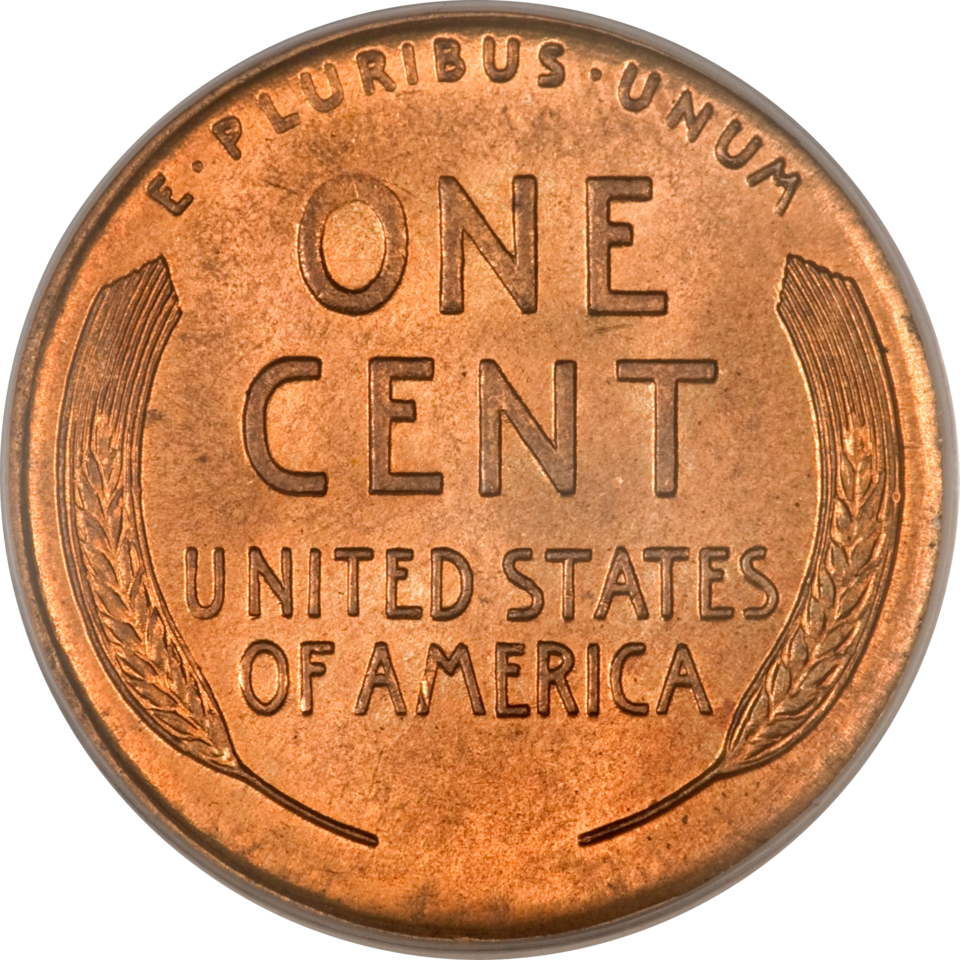
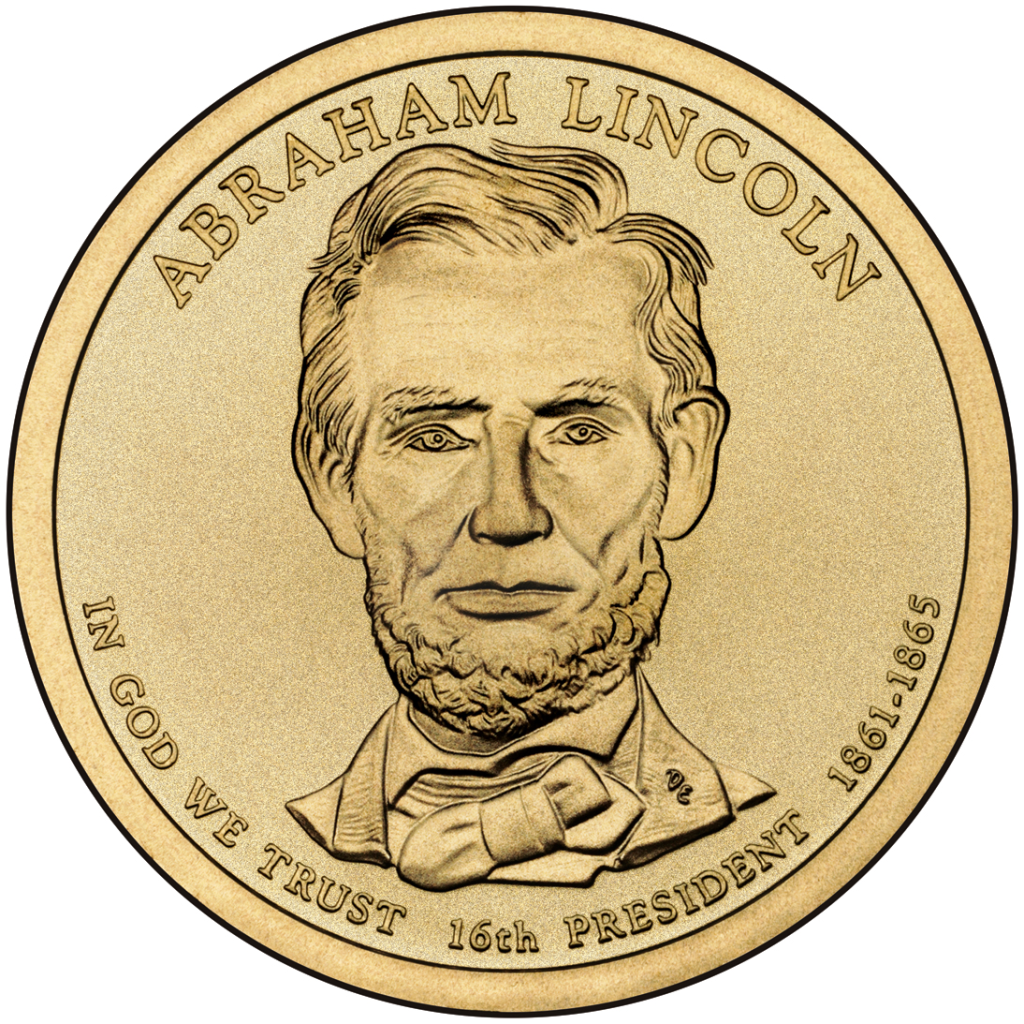
The Lincoln cent already begins with an advantage: it marked a major shift in U.S. coin design. In 1909, Abraham Lincoln became the first U.S. president on a circulating coin, and Victor David Brenner’s portrait gave the penny an identity that endured for decades. The reverse, framed by two wheat stalks, made the coin instantly recognizable and easy to remember.
That broad familiarity matters. Collectors often begin with coins they can identify without specialized training, and Wheat cents fit that habit perfectly. A collectible series with a large audience tends to generate sharper excitement when an especially scarce example appears.
2. Most dates were made in huge numbers
Scarcity is the dividing line between ordinary and feverishly pursued. Many Wheat cents were struck in enormous quantities, which is why well-worn common pieces often trade only slightly above face value. Reference guides aimed at realistic collecting note that the majority of circulated examples are worth very little compared with the legends that surround the series.
That contrast creates the frenzy. When thousands of similar-looking coins exist in abundance, the few that are genuinely scarce become easier to mythologize and harder for collectors to ignore.
3. Tiny mintages can transform a familiar coin
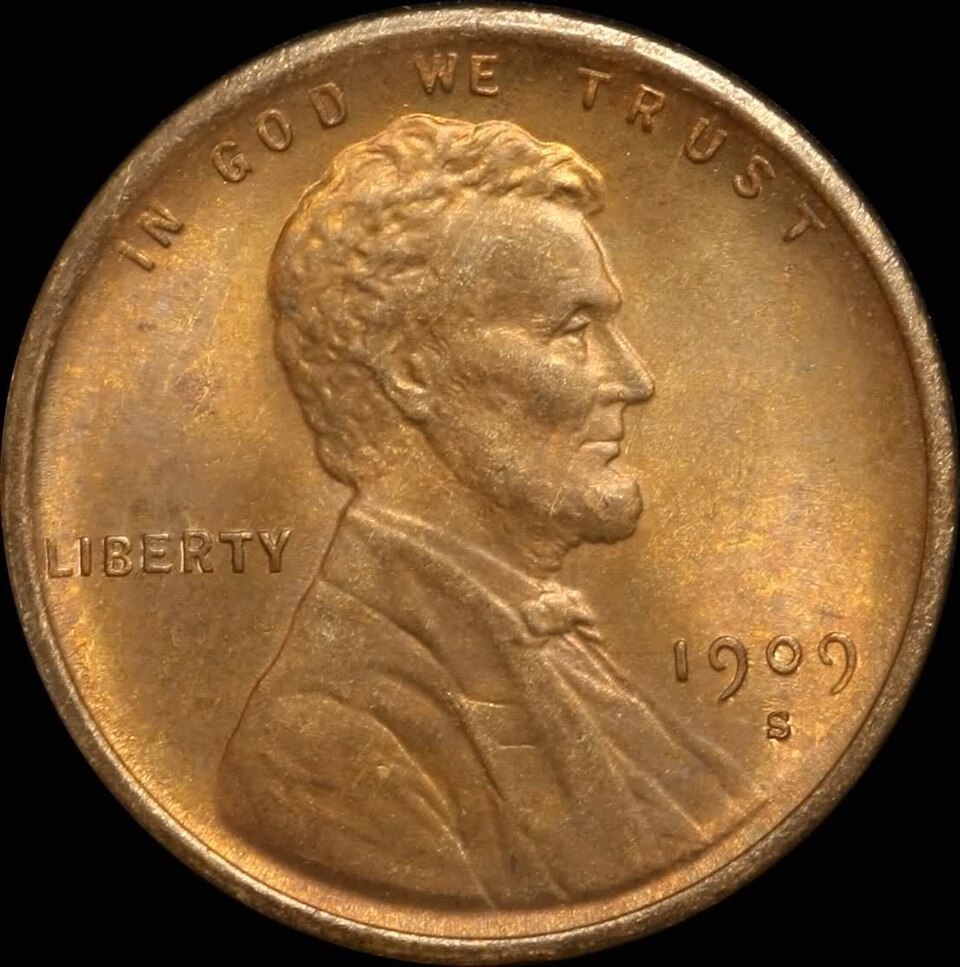
Some Wheat pennies are coveted not because they look dramatically different, but because so few were made. The 1909-S VDB is the classic example, with only 484,000 produced. The 1931-S also attracts attention because its output was unusually low for the series, even if many were saved early.
These coins show how collector behavior works. A penny that shares the same basic design as millions of others can suddenly become a centerpiece once the mintage figure drops far enough.
4. Mint marks create a map of scarcity
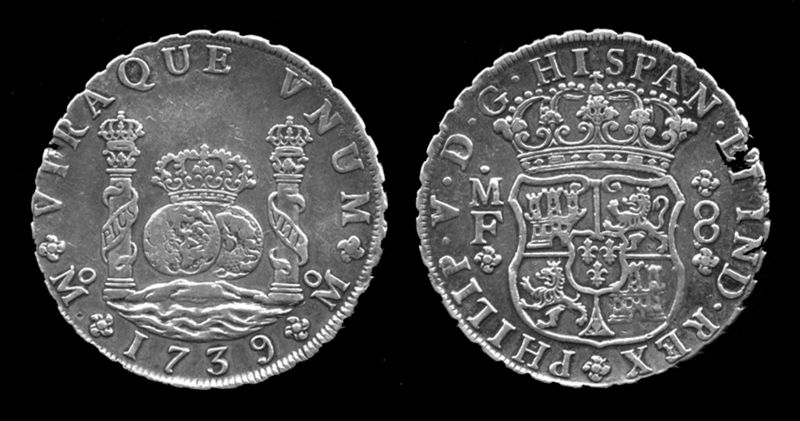
On Wheat cents, a tiny letter can change the whole story. Philadelphia coins usually carry no mint mark, while Denver uses D and San Francisco uses S. Because branch mints often produced lower totals, the same date can have very different collecting appeal depending on where it was struck.
A widely cited example is 1914, when Denver made far fewer cents than Philadelphia. That kind of gap turns mint marks into more than geography; they become shorthand for survival rates, difficulty, and collector competition.
5. Error coins are irresistible because they are visible
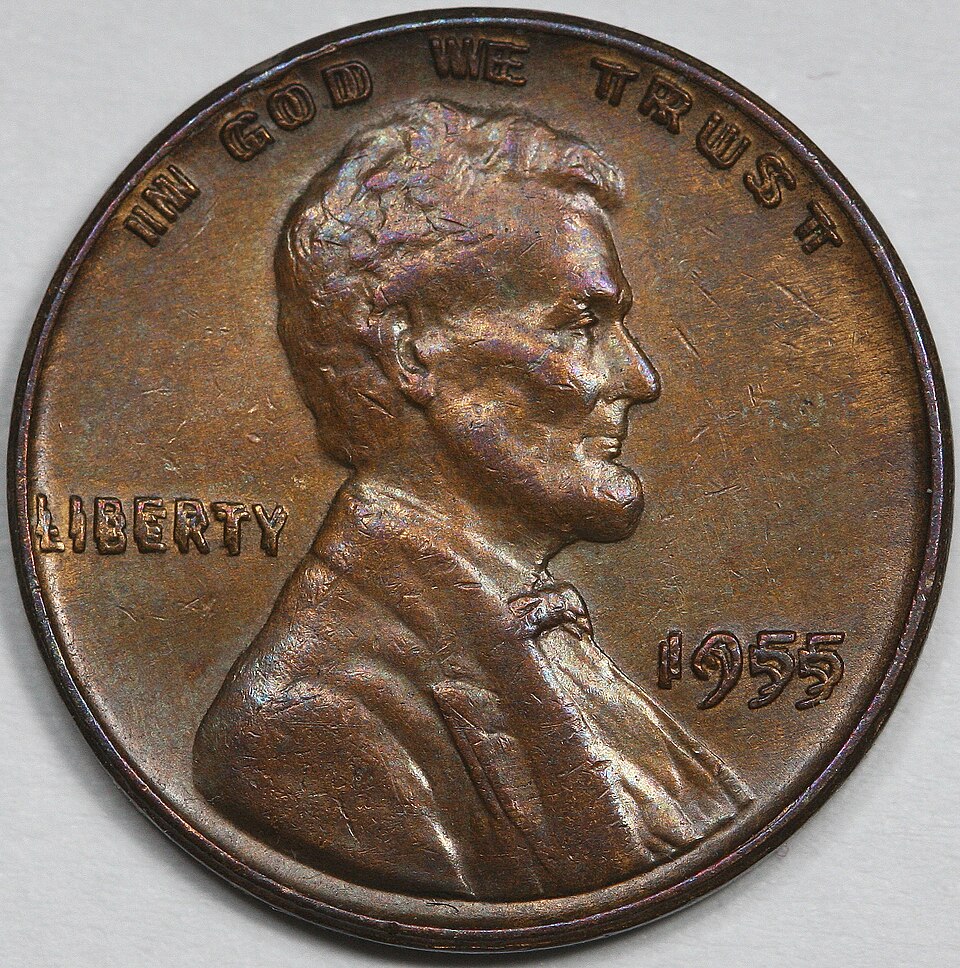
Nothing drives attention like a coin that appears to break its own design. The 1955 doubled die cent became famous because the doubling is obvious on the date and inscriptions, not hidden in a microscopic detail. According to the historical record, it resulted when a working obverse die was misaligned on a second hubbing blow, producing a doubled image that carried through every coin struck from that die. It is estimated that about 40,000 were minted, with many released into circulation.
That is the kind of mistake collectors remember. It can be explained clearly, spotted with the naked eye on better examples, and retold as part of the coin’s identity.
6. Wartime metal mix-ups add drama to the hunt
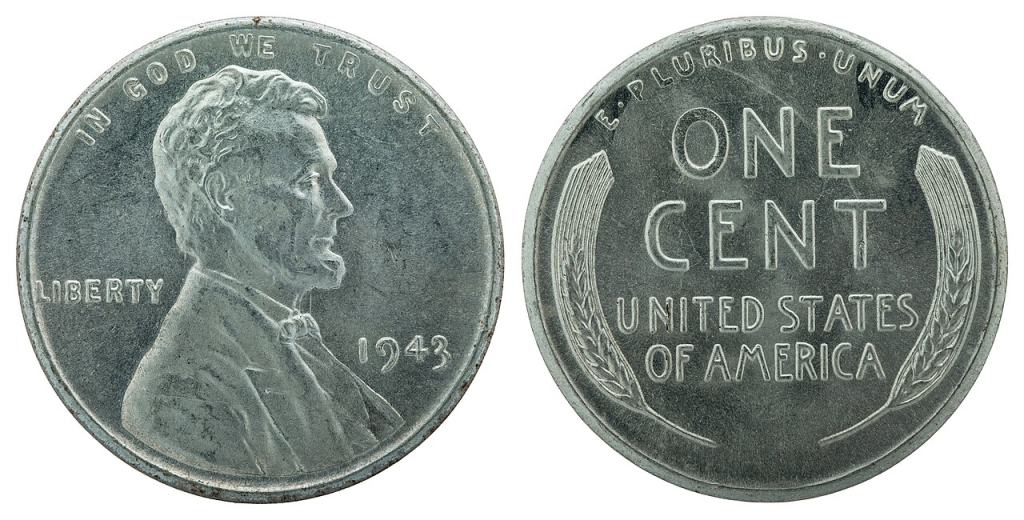
The most famous composition errors owe part of their fame to timing. In 1943, cents were supposed to be made from zinc-coated steel to conserve copper, but a few bronze planchets from the prior year were struck anyway. In 1944, the reverse problem appeared when a small number of steel planchets remained in use after the Mint returned to bronze.
These pieces fascinate collectors because they link an everyday coin to a larger national moment. The result is not just rarity, but rarity with a built-in story.
7. Strong diagnostics separate legends from look-alikes
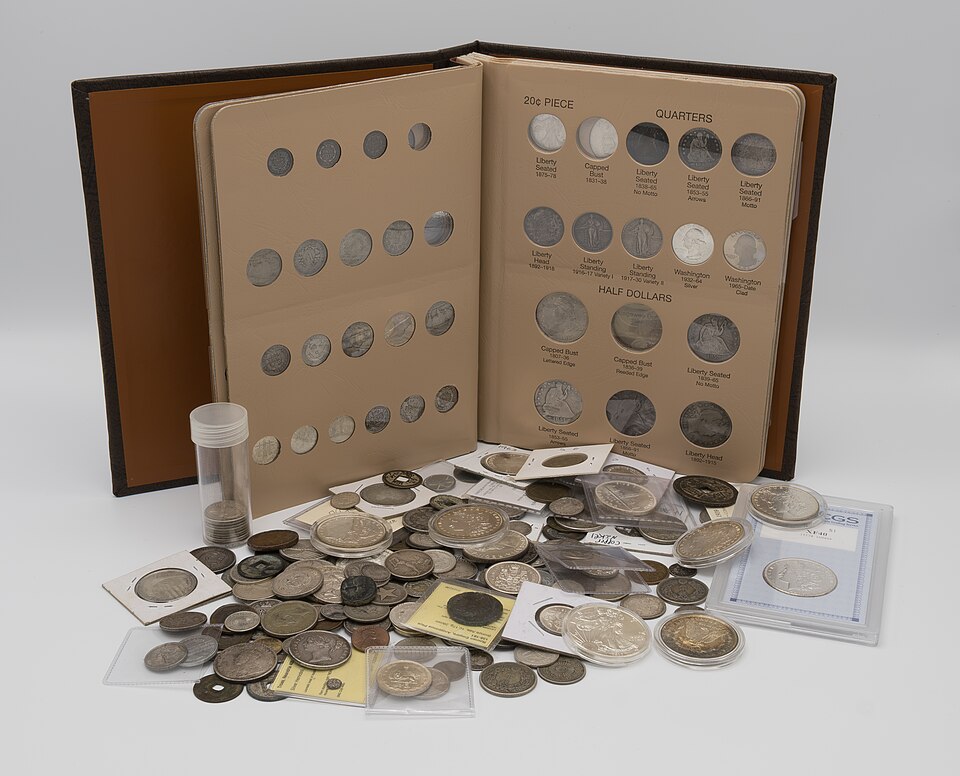
Collector excitement rises when a coin has clear traits that can be checked. Genuine doubled dies, missing mint marks, and wrong-metal strikes all have known markers. At the same time, the series is crowded with less important imitations of rarity, including machine doubling, die deterioration, and altered dates or mint marks.
The 1955 issue illustrates this especially well. Specialists distinguish the celebrated doubled die from the much more common “Poor Man’s Doubled Die,” which comes from die deterioration rather than the same dramatic hubbing error.
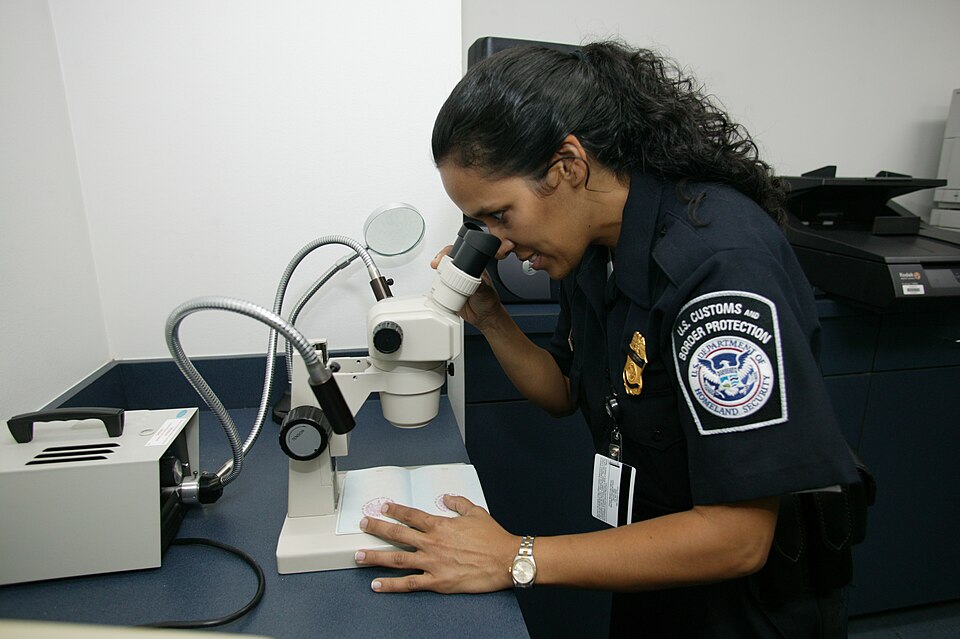
8. Counterfeits make authentic examples even more magnetic
A strange paradox shapes Wheat-cent enthusiasm: the more famous a coin becomes, the more often it is faked. Added mint marks, altered numerals, plated coins, and deceptive reproductions have long followed headline varieties such as the 1909-S VDB, 1922 No D, 1943 bronze, and 1955 doubled die.
That risk heightens demand for coins with reliable authentication. In practice, rarity and trust become linked, and collector frenzy often centers as much on verified authenticity as on the coin itself.
9. Condition can turn scarcity into obsession
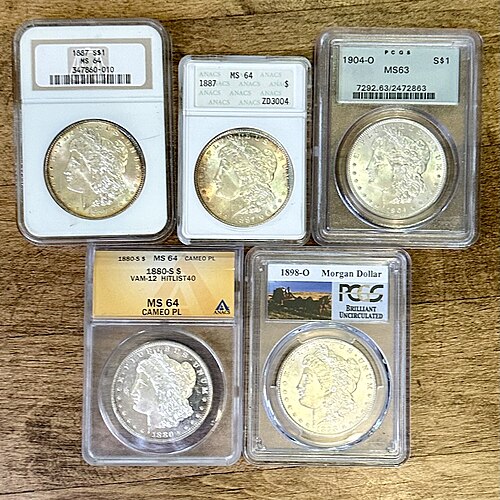
A rare Wheat penny is one thing; a rare Wheat penny with sharp detail and minimal wear is another. Because many notable pieces were discovered in circulation, high-grade survivors are naturally harder to find. The 1955 doubled die is a good example, since many entered everyday use rather than being set aside immediately.
That is why collectors often study Lincoln’s hair, lettering sharpness, reverse wheat lines, and overall surface quality so closely. In this series, condition does not just enhance desirability; it often changes the whole level of attention a coin receives.
Collector frenzies around Lincoln Wheat pennies are usually sparked by a narrow set of qualities: genuinely low mintage, unmistakable minting errors, unusual metal composition, and a level of preservation that survived decades of handling. Most coins in the series do not combine those traits, which is why they remain affordable and plentiful.
The fascination endures because the design is so ordinary. A humble one-cent coin can still conceal a rarity, and that tension between common appearance and uncommon significance is what keeps Wheat pennies under magnifiers, in albums, and at the center of collector lore.

