
In Hollywood, “difficult” can mean almost anything: a public feud, a tense press tour, a walkout, a production delay, or simply a reputation that refuses to die. For younger actresses, the label tends to stick fast, especially when private friction turns into public narrative.
Some of these stories came from confirmed interviews and on-record disputes. Others were shaped by rumors, denials, and fan scrutiny. What follows is less a verdict than a look at the moments when talent collided with pressure, publicity, and the machinery of modern celebrity.

1. Jenna Ortega
Jenna Ortega’s image took a sharp turn after she discussed changing lines on Wednesday and said she became “almost unprofessional” while protecting her character’s voice. The reaction was immediate because the comments landed in the middle of a broader industry conversation about who controls a performance once filming starts. What might have read as artistic conviction to some came across as overreach to others. The friction mattered because Ortega was not a struggling newcomer making noise from the margins. She was the breakout face of a global hit, and the debate around her comments made script authority itself part of her public story.
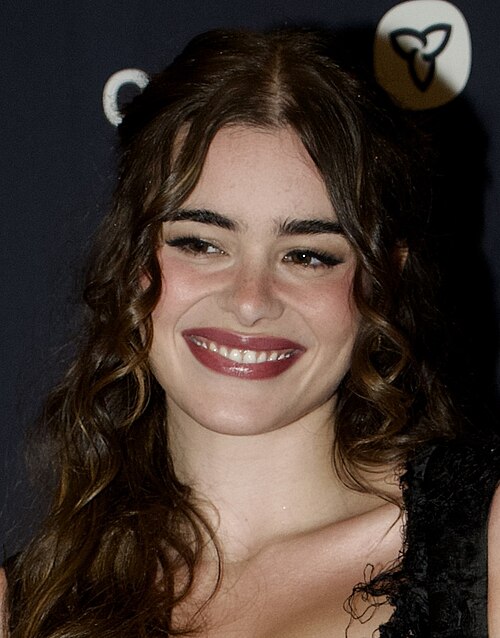
2. Barbie Ferreira
Barbie Ferreira’s departure from Euphoria became one of the clearest examples of how reduced screen time can fuel a larger reputation problem. Reports of disagreements over Kat Hernandez’s direction had circulated well before she exited, and fans treated every shortened appearance as evidence that something had gone badly wrong behind the scenes. Because the show already carried an aura of chaos, Ferreira’s exit felt less like an isolated creative disagreement and more like confirmation that the working relationship had broken down.
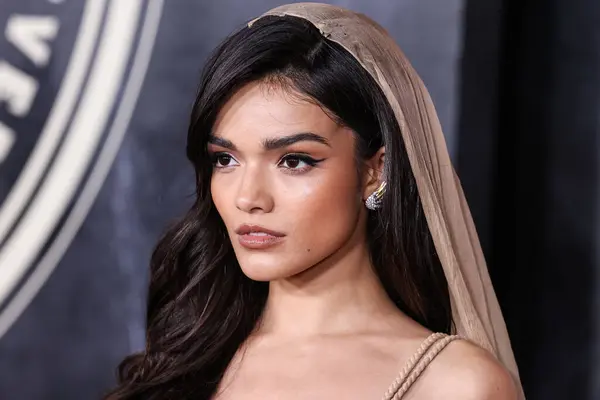
3. Rachel Zegler
Rachel Zegler’s press cycle for Snow White turned into a case study in how quickly promotional candor can become a liability. Her dismissive remarks about the 1937 original and her description of the prince as a stalker were widely repeated, and the conversation shifted away from the film itself. Studios expect stars to update old material without alienating the audience attached to it. In Zegler’s case, the issue was not simply that she had strong opinions. It was that the promotional campaign began to revolve around whether she respected the property she had been hired to represent.
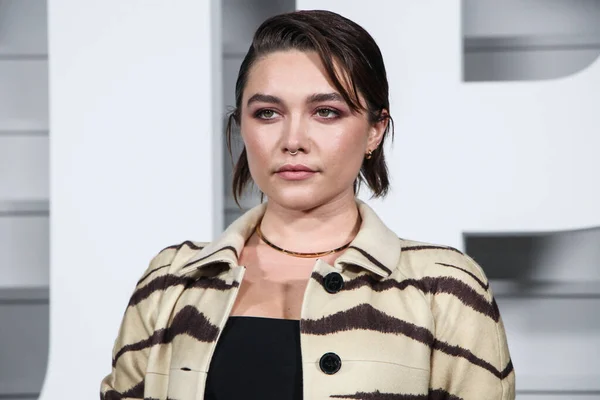
4. Florence Pugh
Few modern movie rollouts looked as strained as Don’t Worry Darling. Florence Pugh’s limited promotion, visible distance from director Olivia Wilde, and the now-famous festival awkwardness gave the impression of a film carrying its own weather system. Coverage of the feud often overshadowed discussion of the movie. The wider fallout was professional, not just personal. The project became shorthand for a production where chemistry broke down in public, and Pugh’s silence often said more than another interview would have.
5. Emma Roberts
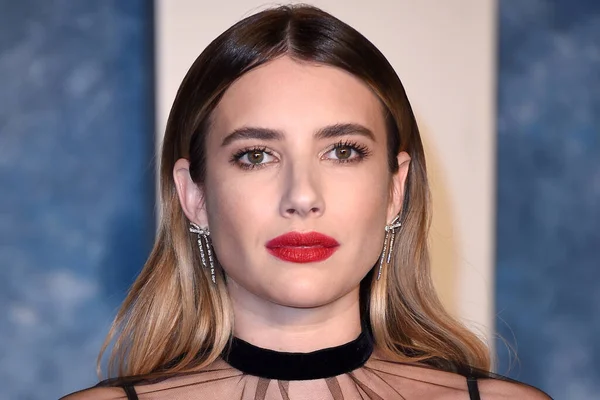
Emma Roberts has long faced stories about on-set tension, but what has kept the reputation alive is the range of the complaints. They have involved co-stars, background performers, and incidents that moved beyond gossip into broader criticism of workplace behavior. That kind of accumulation changes the tone. A single clash can be dismissed as personality conflict; repeated allegations create a pattern that follows a performer from one project to the next.
6. Ruby Rose
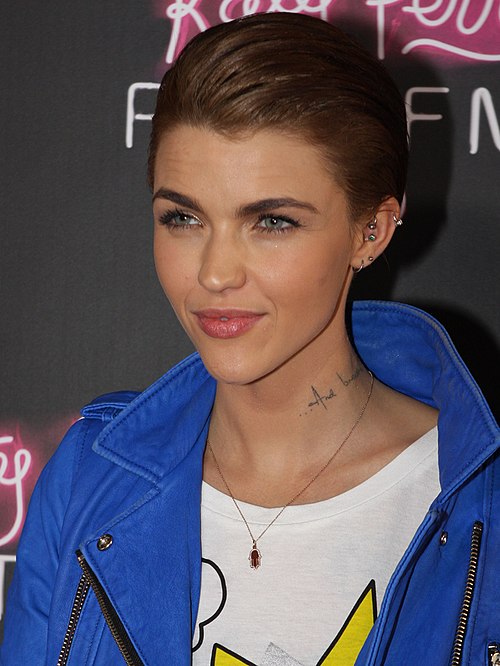
Ruby Rose’s exit from Batwoman did not end with a quiet separation. It escalated into dueling accusations about conduct, injuries, and set conditions, leaving the production associated with dysfunction on nearly every side. The public nature of the dispute ensured that no one involved could control the narrative for long. The consequence was bigger than one TV role. Once a departure becomes an industry argument, future casting conversations often include not only talent and audience appeal, but also the risk of a conflict becoming public.
7. Letitia Wright
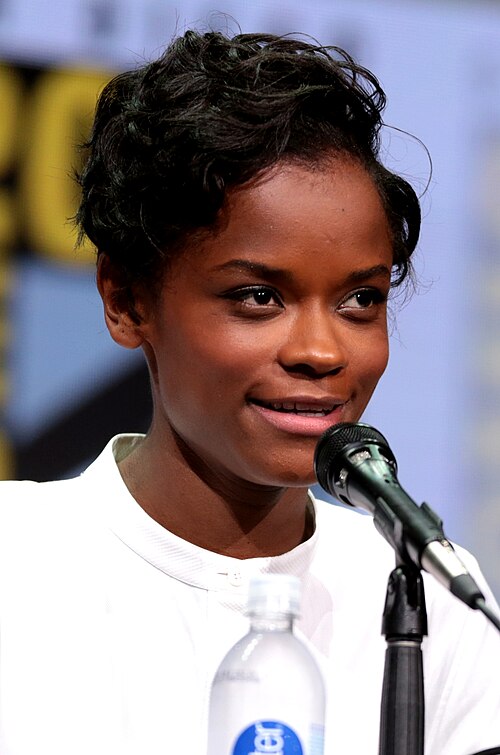
Letitia Wright became a flashpoint during the making of Black Panther: Wakanda Forever, where an injury, pandemic protocols, and reports about her vaccine views all collided. She denied some claims, but the controversy had already moved beyond a simple production hiccup. Production on Black Panther: Wakanda Forever faced delays under an intense level of studio and audience scrutiny. In a franchise environment built on scheduling precision, any offscreen controversy can grow far larger than the original dispute.
8. Bella Thorne
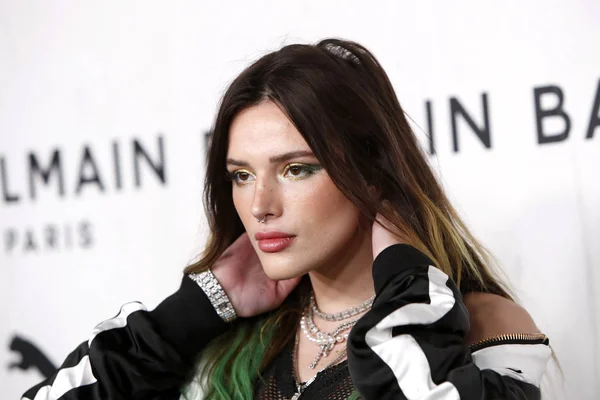
Bella Thorne’s reputation never came from one disastrous set story alone. It grew out of volatility: a rocky early dynamic with Zendaya on Shake It Up, a rejection of Disney’s polished image, and years of unpredictable oversharing that made her difficult to package. That unpredictability became its own headline. Casting decisions are often about trust as much as charisma, and Thorne’s public persona often made her feel like a gamble.
9. Ariana Grande
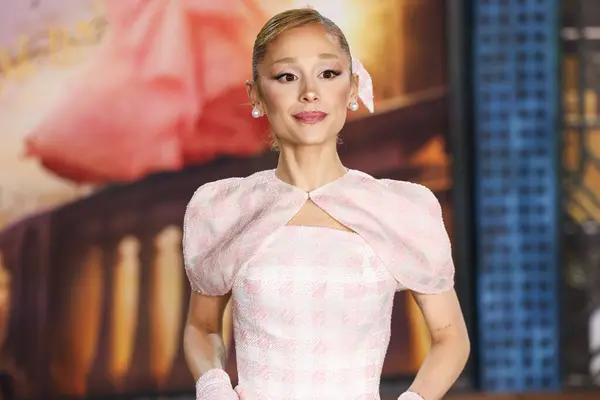
Before pop superstardom fully eclipsed her acting career, Ariana Grande was already dogged by stories from Sam & Cat. Rumors of special treatment, salary tension, and production imbalance were amplified by Jennette McCurdy’s later reflections on disparity during that era. Whether every detail was fair or not, the perception that one young performer received a different set of rules was enough to create a lasting diva narrative.
10. Taylor Momsen
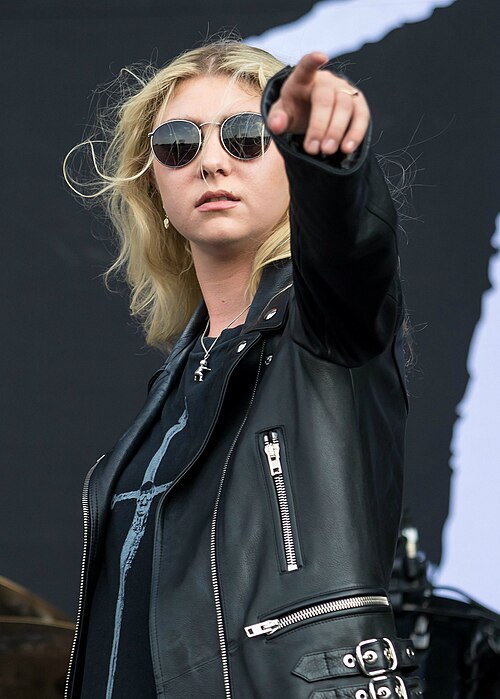
Taylor Momsen’s time on Gossip Girl became linked to lateness, missed focus, and a growing disinterest in acting as music took over. Unlike some stars who try to contain the tension, Momsen later made clear that her passion had shifted elsewhere. That honesty clarified the situation, but it also reinforced the core complaint: a production depends on commitment, and visible disengagement rarely stays private for long..
11. Demi Lovato
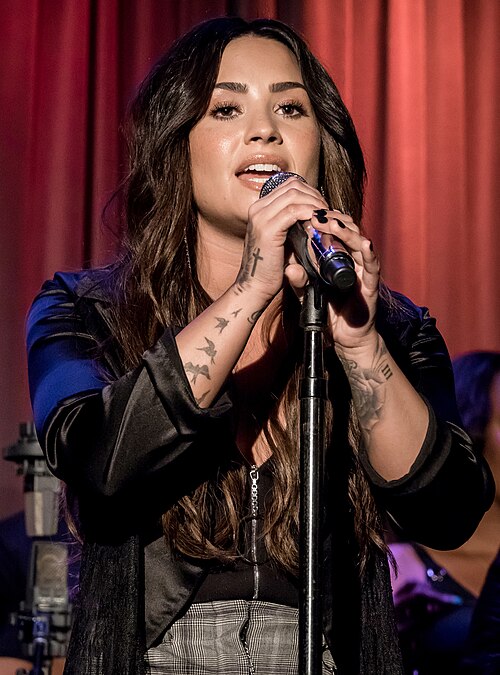
Demi Lovato’s exit from Disney-era television came amid personal struggles serious enough to reshape both career and public perception. The workplace impact was impossible to separate from the broader health crisis surrounding that period of her life, and the production itself had to adjust without its lead. This is one of the few cases where the label “difficult” has always sat uneasily beside a much more serious conversation about recovery, safety, and the cost of untreated distress.
12. Lindsay Lohan
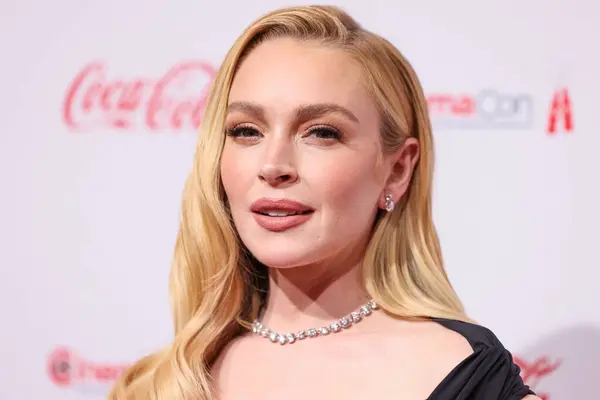
Lindsay Lohan remains the cautionary template for how quickly unreliability can alter a career. Reports of lateness and absence eventually became more than tabloid noise when a studio executive’s leaked letter publicly accused her of delaying production. The damage was practical as much as reputational.
In Hollywood, one pattern matters more than one performance. Lohan’s early promise was never in doubt; the concern was whether productions could count on her, and that question changed the trajectory of her leading-lady years.
What ties these stories together is not a single personality type. Some involve public candor that backfired, some involve genuine workplace conflict, and some reveal how quickly a young actress can become the vessel for a much larger cultural argument about control, professionalism, or image. Once that label attaches itself, it can become more durable than a hit role. In an industry built on collaboration, reputation often travels faster than talent.

