
Catholicism is familiar enough to be recognized almost everywhere and misunderstood almost as often. A church building, a rosary, a statue of Mary, a priest in a collar, or a crowded Mass can all look self-explanatory from the outside, even when the meanings behind them are quite specific. That is why many of the most common claims about Catholic belief turn on small distinctions with large consequences. What looks like worship may be honor, what sounds like absolute authority may be narrowly defined teaching, and what appears to be ritual can be a way Catholics describe relationship with God.
1. Mary is honored, not worshiped
Catholic teaching reserves worship for God alone. Mary is given a distinctive form of honor because of her role as the mother of Jesus, but Catholic sources consistently separate that from adoration. The Catechism states that Marian devotion “differs essentially from the adoration” given to God. This distinction explains why Catholics pray with Marian language, celebrate feast days, and use images without claiming Mary is divine. In Catholic thought, devotion to Mary is meant to remain centered on Christ, not to compete with him.
2. The pope is not considered right about everything
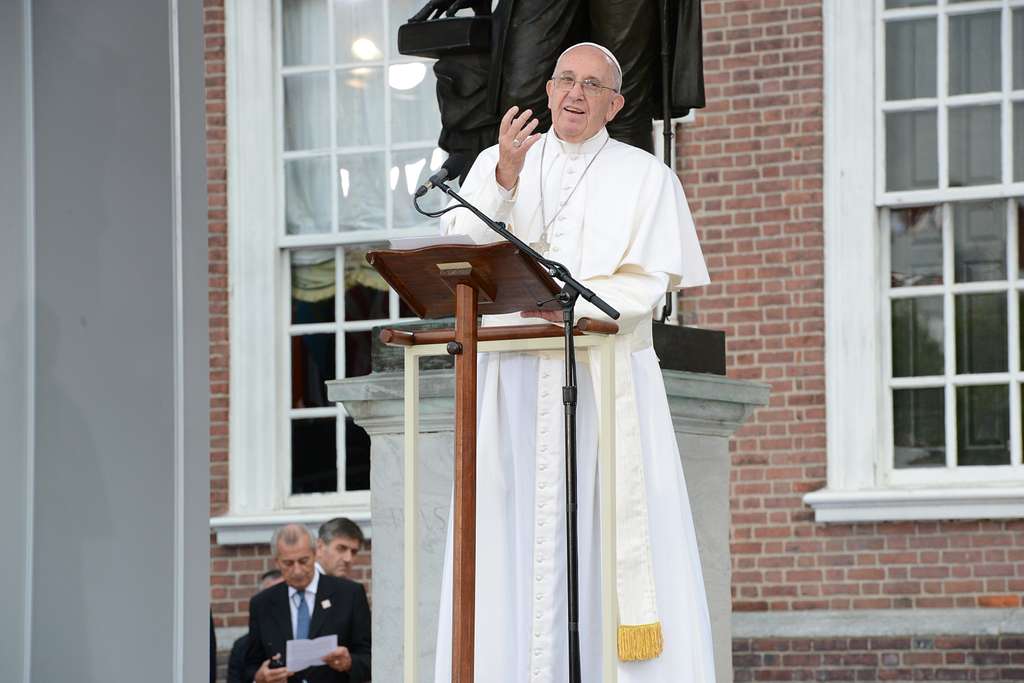
One of the most repeated misunderstandings is that Catholics treat every papal remark as unquestionable truth. The actual doctrine is much narrower. Catholic teaching limits infallibility to rare cases involving faith or morals under strict conditions, not interviews, travel remarks, or daily governance. That framework was spelled out with unusual precision in Church teaching and has long been described as applying only when the pope acts as universal shepherd and teacher. In other words, Catholics do not teach papal perfection. They teach a guarded form of doctrinal protection in specific moments.
3. Salvation is not something Catholics think can be purchased
Catholicism teaches that salvation begins with God’s grace, not with a human transaction. Good works matter, but they are presented as the fruit of lived faith rather than payment for eternal life. That confusion partly survives because Catholic practice is highly visible: fasting, almsgiving, confession, penance, and service can look like a spiritual accounting system. Modern Catholic explanations reject that reading and also note that historical abuses around indulgences were condemned, including the sale of indulgences in 1567.
4. Catholics do read the Bible, constantly
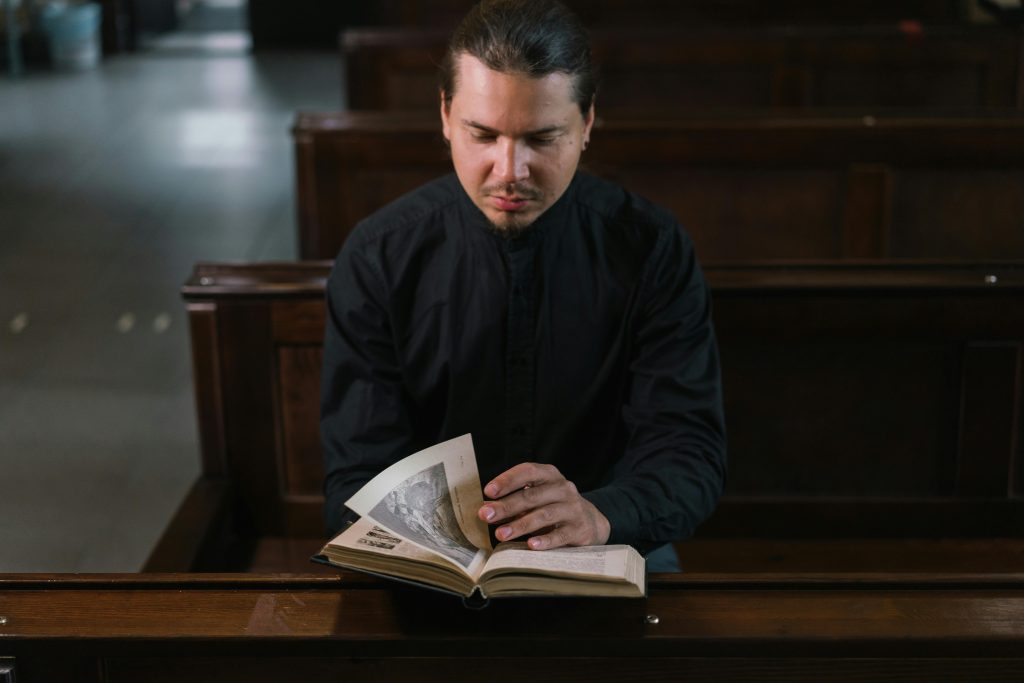
The stereotype of Catholics as non-biblical collapses quickly inside an actual Mass. Scripture is proclaimed in every liturgy, shapes prayers, and frames preaching throughout the year. Some Catholic commentators point out that across the Church’s liturgical cycle, worshippers hear large portions of the Bible read publicly, and many parishes now run formal study groups as well. The real difference is not whether Catholics use Scripture, but how they understand it alongside tradition, worship, and the teaching life of the Church.
5. Tradition is not treated as a rival to Scripture
Catholic theology does not describe Scripture and Tradition as two competing authorities fighting for control. It presents them as two ways the same faith is handed on, with Scripture holding a fixed and normative place. This matters because many debates assume Catholics add beliefs from outside the Bible as though they were separate inventions. Catholic teaching instead argues that revelation is received, preserved, and interpreted within the life of the Church rather than by text alone.
6. Catholic worship is more than ritual performance
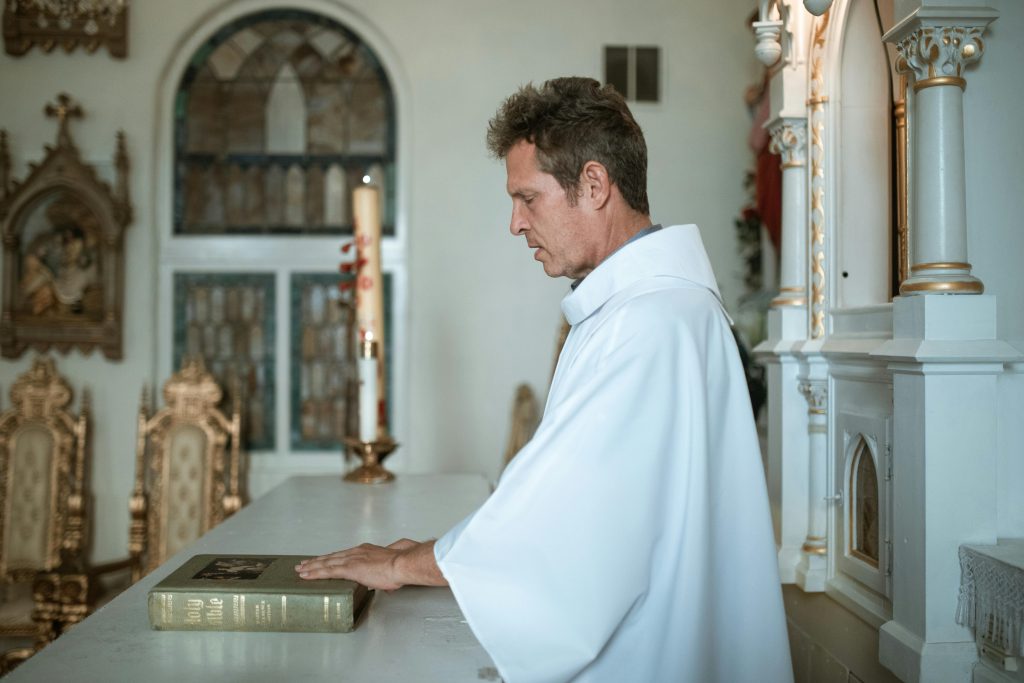
To an outsider, Catholic worship can look formal, repetitive, and heavily choreographed. Catholics themselves usually describe the same structure very differently: as sacramental participation ordered toward communion with God. That is why Catholic life includes both public liturgy and personal prayer. The visible form may be ritualized, but the intended purpose is relational, not mechanical.
7. Confession to a priest is still confession to God
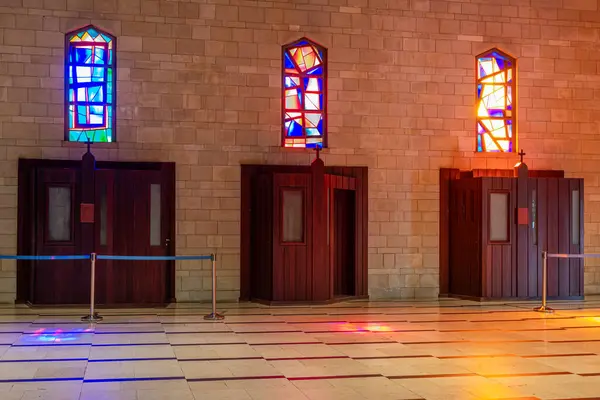
Catholics do not believe a priest replaces God in forgiveness. In the sacrament of reconciliation, the priest is understood to act in service of Christ’s ministry, not as an alternative to divine mercy. This is one of the clearest examples of how Catholic practice can look stranger from the outside than it feels on the inside. The priest hears the confession, assigns penance, and pronounces absolution, yet the forgiveness sought is God’s. The seal of confession is also treated as absolute, making secrecy part of the sacrament’s structure rather than an informal promise.
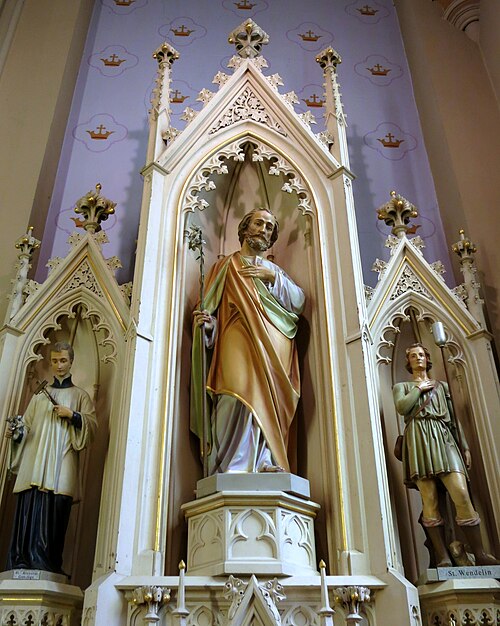
8. Asking saints for prayer is not treated as bypassing Jesus
Critics often hear prayer to saints as proof that Catholics do not go directly to Christ. Catholic teaching answers that both happen. Catholics pray directly to God and also ask saints to intercede, much as Christians ask living believers to pray for one another. The underlying logic is that intercession does not replace Christ’s unique role. Catholic explanations connect this with the wider communion of believers and with passages describing heavenly intercession, including “golden bowls full of incense” identified as the prayers of the saints.

9. Catholic moral life is not only about guilt and rules
Catholic moral teaching is often heard in the language of prohibitions, which makes it easy to mistake the tradition for pure rule-enforcement. But Catholic spirituality also places heavy emphasis on repentance, mercy, restoration, and the formation of conscience. The result is a framework that can sound strict while still presenting moral discipline as training in holiness rather than obedience for its own sake.
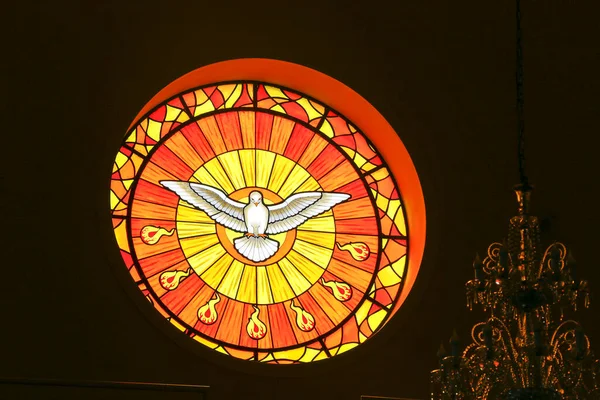
10. The Holy Spirit is not absent from Catholic life
Another misconception paints Catholicism as institution-heavy and spiritually muted. Yet the Holy Spirit appears constantly in Catholic liturgy, sacramental theology, feast days, and teaching about the Church’s continuity. Pentecost, Confirmation, ordination, and Eucharistic prayers all make that visible. The Catholic claim is not that leaders never fail, but that the Church is not finally abandoned to forgetfulness.
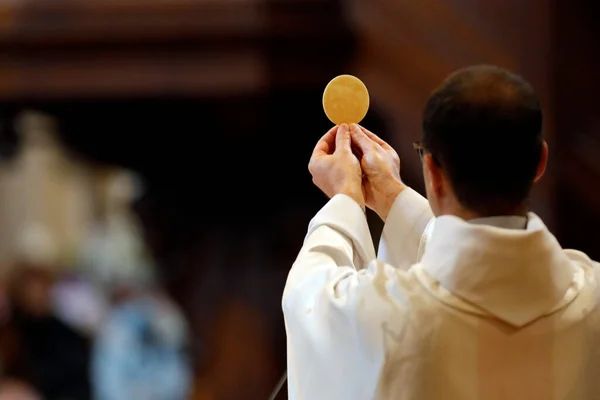
11. The Eucharist is not understood as a mere symbol
For Catholics, Communion is not only a memorial meal. The Church teaches that Christ is truly present in the Eucharist, a belief classically described with the term “re-presentation of the one eternal sacrifice” in the Mass rather than a repeat of Calvary. This is why Catholic churches often signal intense reverence around the consecrated host: kneeling, silence, genuflection, tabernacles, and Eucharistic adoration all flow from that claim.
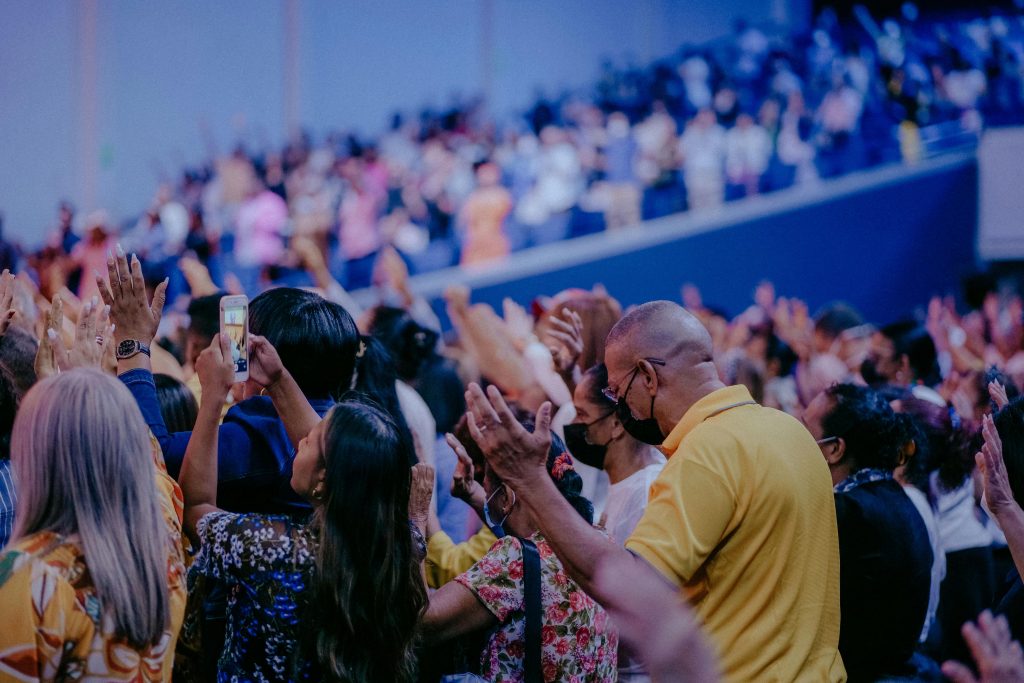
12. Catholicism does not look the same in every parish
Official doctrine may be shared globally, but parish life often reflects migration, language, and local custom. In many places, one parish can hold multiple linguistic and cultural communities under the same roof. That variety is not incidental. It affects schedules, music, leadership, catechesis, and how a parish imagines unity in practice.
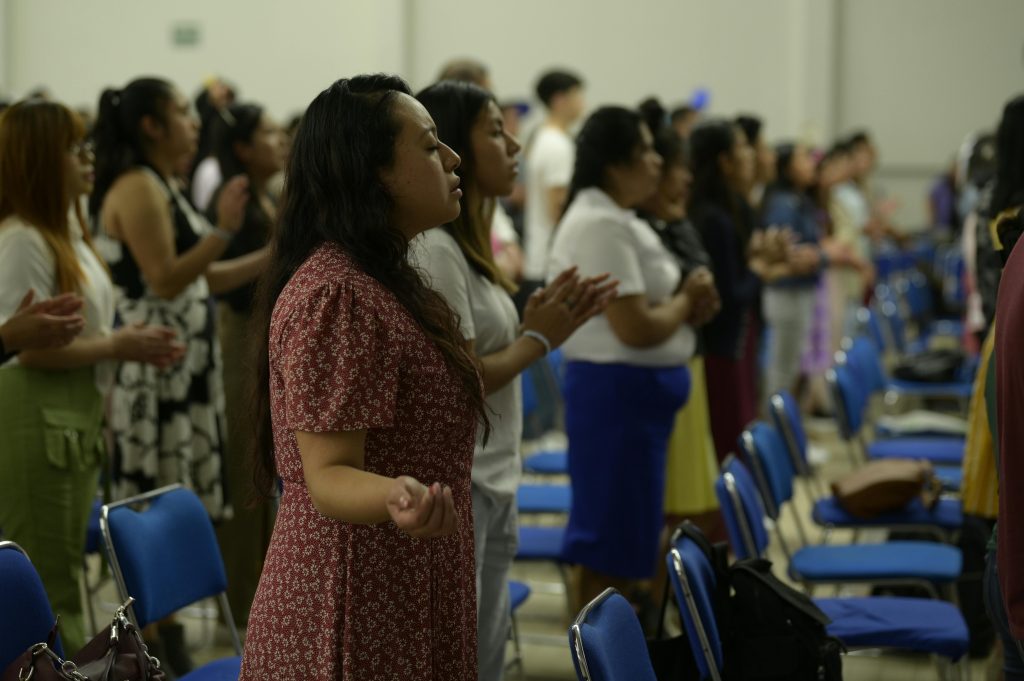
13. Multicultural parish life is not a decorative extra
Diversity in Catholic parishes is not limited to festival days or occasional heritage celebrations. In many communities, it shapes ordinary operations week after week. Mass times may alternate by language. Religious education may need parallel tracks. Shared buildings may host distinct liturgical styles while trying to preserve one parish identity. The daily work is less about displaying harmony than negotiating it.
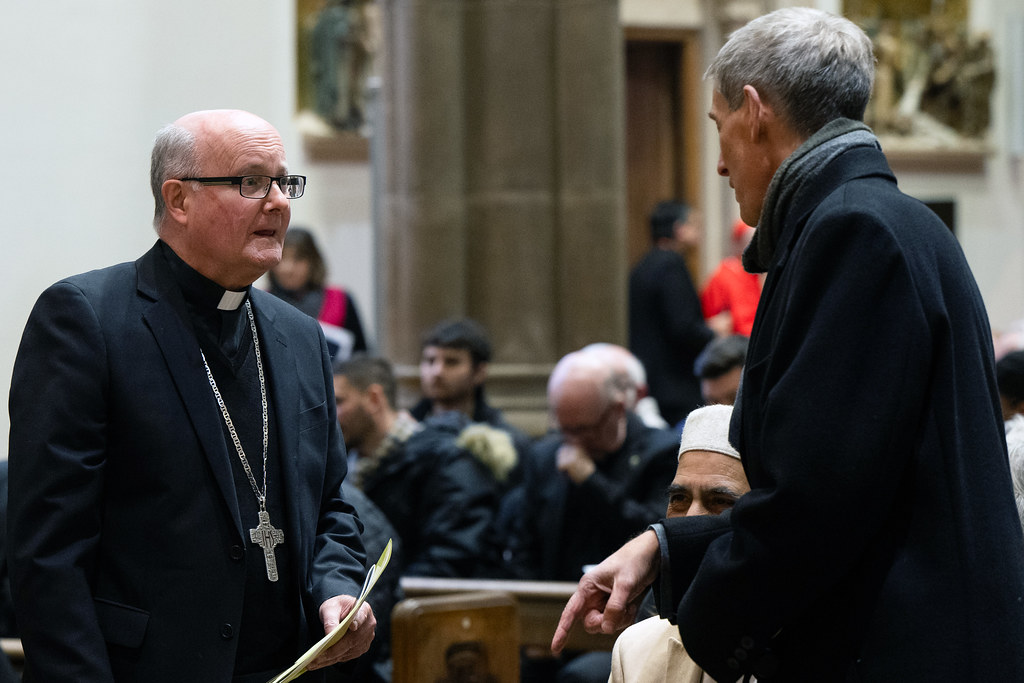
14. Catholics do not officially reject all other Christians
Modern Catholic teaching speaks far more openly about dialogue, shared prayer, and cooperation with other Christians than many critics assume. That shift became especially visible after the Second Vatican Council, which described Christian unity as “one of the principal concerns” of the council. That does not erase Catholic claims about sacraments or authority. It does mean the relationship is no longer framed simply as refusal or isolation.
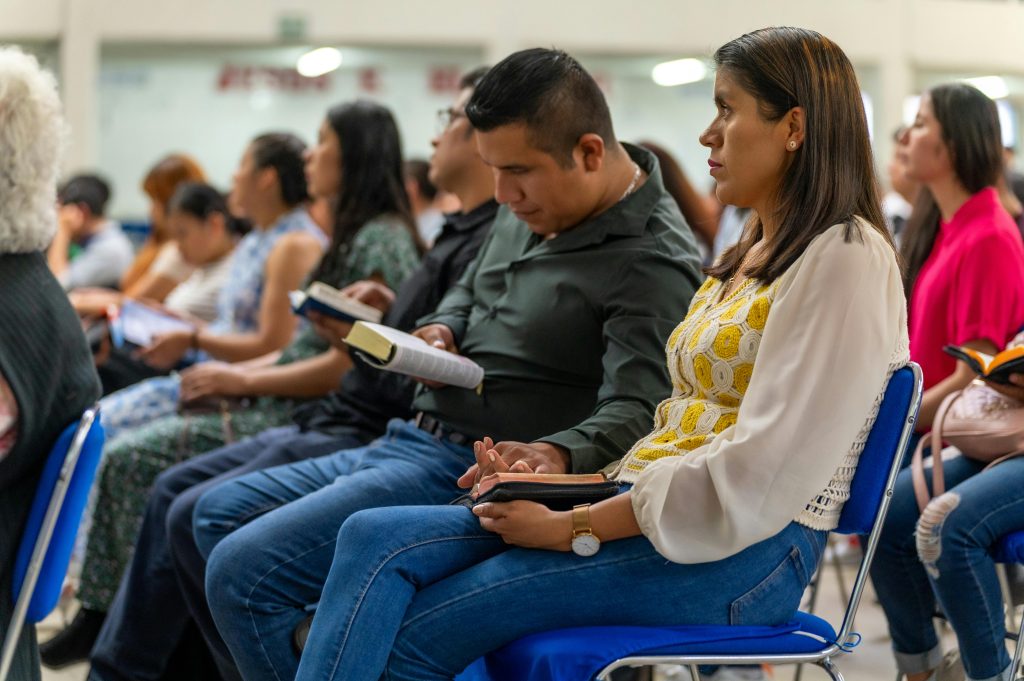
15. Ecumenism is not the same as watering down doctrine
Some observers assume that cooperation with other Christians requires Catholics to soften or blur their own beliefs. Catholic writers usually describe the opposite goal: clearer understanding, more accurate language, and less caricature. In that sense, ecumenism is not meant to be a public-relations exercise. It is presented as a discipline of precision, humility, and serious study.
Many misunderstandings about Catholicism survive because the tradition combines doctrine, symbol, institution, and embodied practice all at once. Seen from a distance, that combination can be easy to flatten into stereotypes. Seen more closely, the disputes are often not about whether a belief exists, but about what Catholics mean when they use the words worship, authority, grace, sacrifice, tradition, and prayer.

