
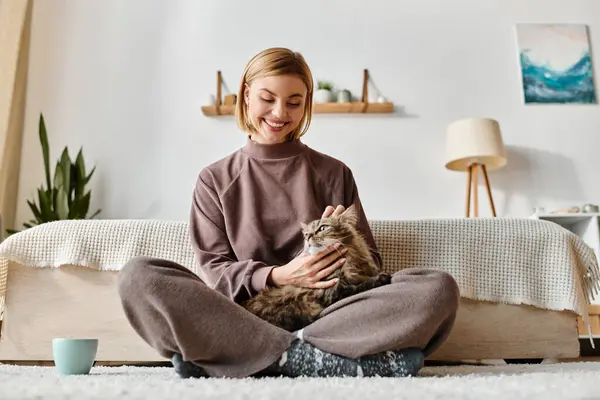
Cats rarely perform affection in a loud, unmistakable way. Their version of closeness is often quieter: a pause in a doorway, a body pressed against a shin, a calm return after a brief separation. Research has steadily challenged the old idea that cats are distant by nature. In one widely discussed attachment study, about 65% of tested cats and kittens were securely attached to their caregivers, a pattern that closely resembles what researchers see in dogs and even human infants. That makes everyday feline behavior worth reading with a little more care.
1. They follow their person from room to room
A cat that shadows a human through the house is not always begging for food. In many cases, the behavior reflects social closeness and a desire to remain near a trusted companion. Cats form family like social groups, and staying physically close can be part of how they maintain a sense of safety and connection.
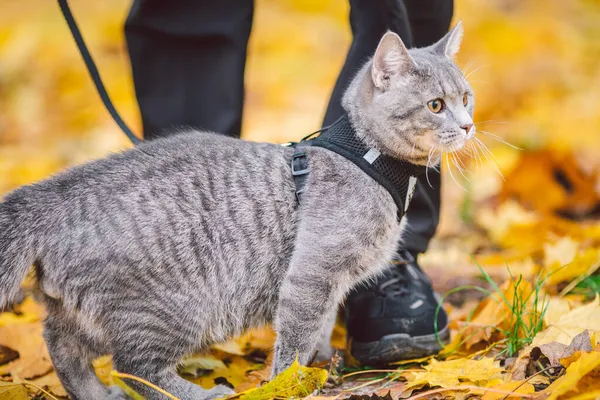
This behavior often becomes especially noticeable during ordinary routines: walking to the kitchen, heading down the hall, or even closing the bathroom door. Curiosity can play a role, but attachment does too. A bonded cat often treats human movement as socially relevant, as if the household only feels complete when the preferred person is within view.
2. They greet their human, then settle instead of clinging
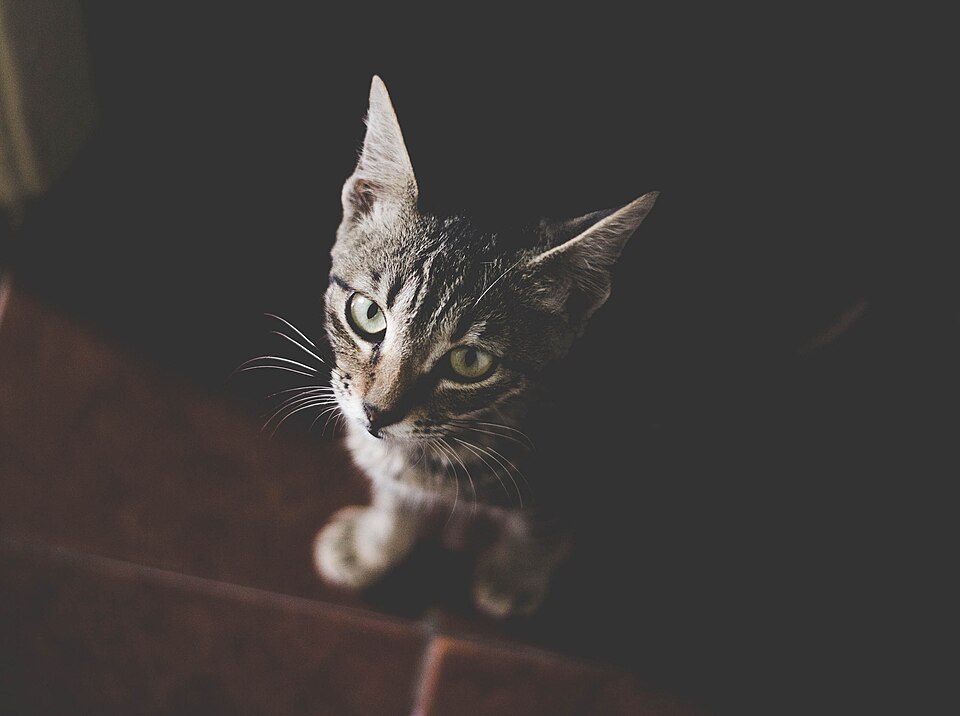
One of the clearest signs of secure attachment is not dramatic neediness but balance. In the secure base test used by cat behavior researchers, securely attached cats tended to greet their person after separation and then return to normal behavior, using the caregiver as a stable point of reassurance.
That pattern matters. It shows comfort without panic. As Kristyn Vitale explained in discussing the findings, “They’re able to use their owner as a secure base to explore out from.” A cat that comes over, checks in, and then calmly resumes sniffing, walking, or lounging is often showing a well-formed bond rather than indifference.
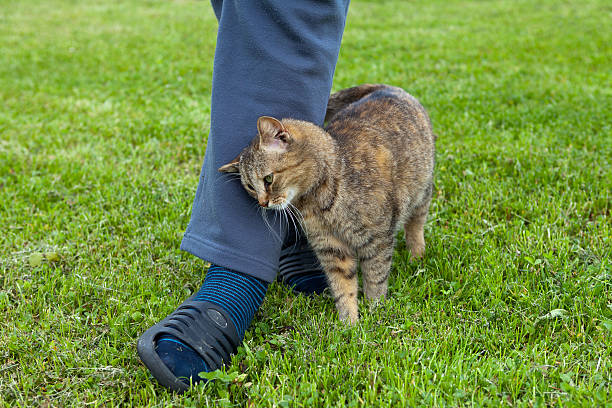
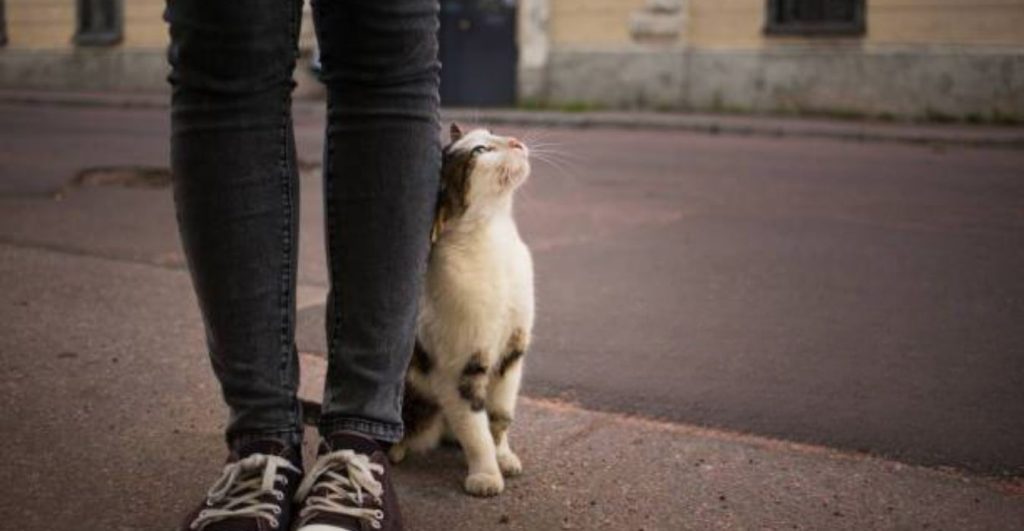
3. They rub against legs, hands, or nearby objects around their human
Rubbing is one of the most social gestures in a cat’s repertoire. Cats do it with other cats, and they do it with humans they trust. The behavior blends scent, familiarity, and affiliation into one small movement. When a cat loops around ankles or presses a cheek into a hand, the moment is doing more than asking for attention. Cat behavior experts have long noted that these actions resemble the way cats interact with one another in friendly settings. It is a way of drawing a human into the cat’s social world, using touch and scent to reinforce belonging.

4. They knead, purr, or relax heavily on a lap
Some of the most tender feline behaviors are rooted in kittenhood. Kneading, purring, and sinking into a human’s lap or chest are often linked to early mother kitten interactions, which is one reason they can signal unusual trust.
That does not mean every lap cat is identical in temperament. But when a cat kneads a blanket across someone’s legs, closes its eyes, and settles its full weight there, the behavior suggests emotional ease. John Bradshaw noted that kneading is behavior cats use that “they would use toward their mother,” a reminder that many adult-cat displays of closeness draw from very early forms of comfort and security.
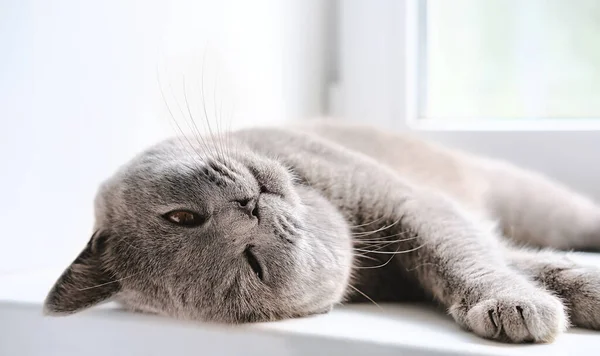
5. They slow blink and soften their body around their person
Not every attachment signal is physical contact. Sometimes it is softness. A cat that narrows its eyes in a slow blink, loosens its posture, and remains still in a human’s presence is showing a form of ease that does not appear around every person.
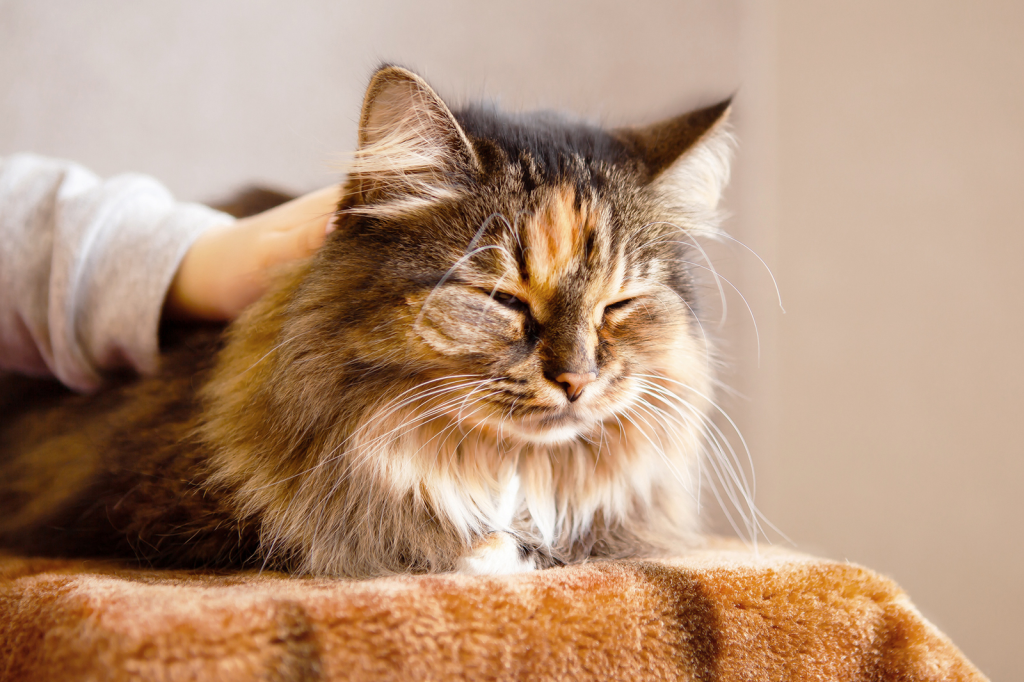
Researchers still have more to learn about the slow blink, but it has become an important part of how many behavior scientists describe calm cat human communication. In the APA interview, Vitale described it as a sign that may function as a bonding moment, with cats sometimes returning the gesture. Combined with a relaxed tail, forward ears, and an unguarded posture, it can mark a relationship built on trust rather than simple tolerance.
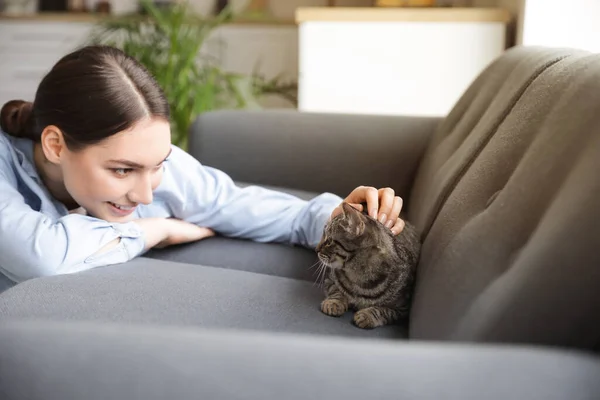
6. They turn to their human when stressed or uncertain
Attachment shows itself most clearly when the world feels unfamiliar. A bonded cat may approach, vocalize, remain nearby, or seek contact when something changes in the environment. That response fits a broader body of evidence showing that many cats use their caregivers as a source of security during stress.
Scientists have also found that cats are more socially aware than their reputation suggests. They can follow human pointing and even adjust their behavior in response to human moods. Separate research has suggested that cats show stronger stress related reactions to fear-associated human odors than to neutral ones. In daily life, that sensitivity can appear as a cat lingering close during tense moments, checking on a person who is upset, or hiding less when a trusted human is present. The attachment is not always loud, but it is deeply practical: the cat is using the relationship as emotional shelter.
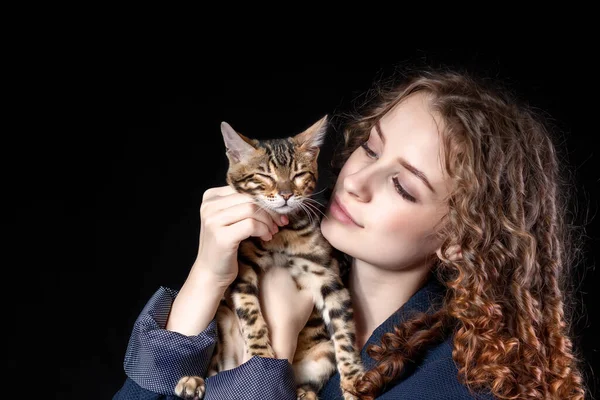
Deep attachment in cats tends to look subtle, patterned, and consistent. It appears in proximity, in greeting rituals, in touch, and in the way a cat regulates itself around one particular person. For many cats, love does not announce itself. It repeats itself. And in feline language, that may be the clearest sign of all.

