
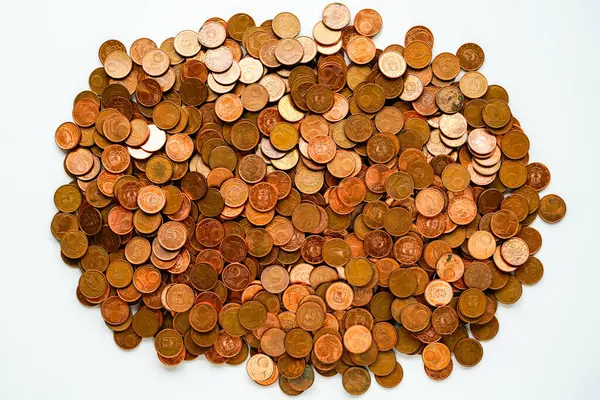
Loose change still carries an unusual kind of suspense. Most coins are exactly what they appear to be, but a small number have become prized because of a minting mistake, a design crossover, or a short-lived place in American history.
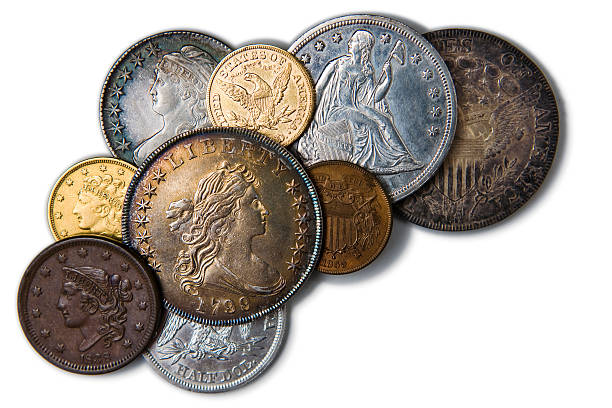
For collectors, the real appeal is not just value. It is the chance that an ordinary looking penny or nickel might turn out to be a surviving trace of an error the Mint never intended, or a design detail almost nobody notices until it is gone.
1. 1913 Liberty Head Nickel
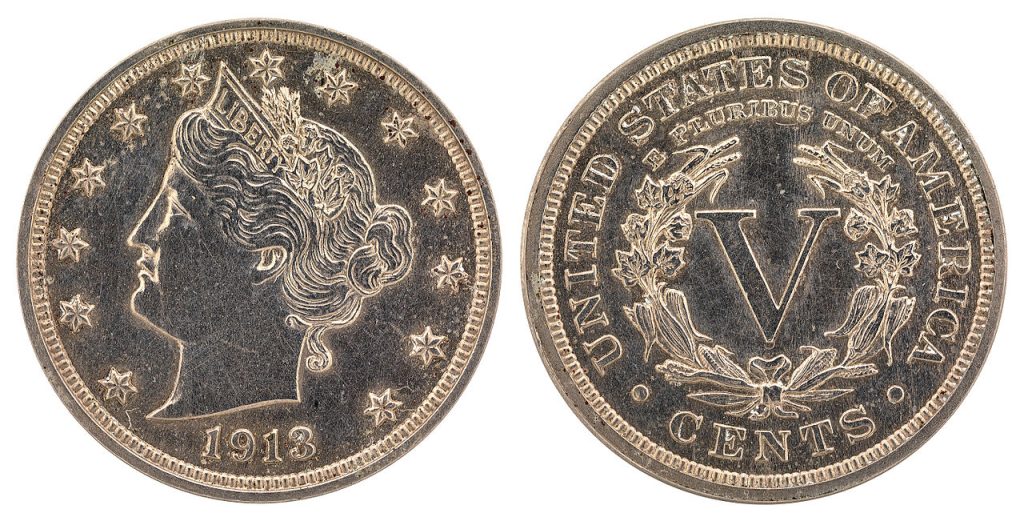
The 1913 Liberty Head nickel remains one of the most famous American coin rarities because it was never part of the Mint’s normal release. Only five examples are known, and its mystique comes from both scarcity and uncertainty over how it was made. The design shows Liberty on the front and the Roman numeral “V” on the back, a holdover style from a series that had already been replaced.
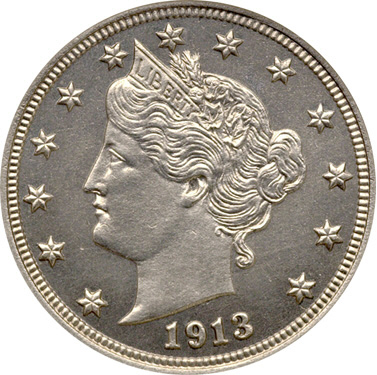
Its reputation has only grown with modern sales. One example sold for $4.2 million in 2022, while another realized $4.56 million. This is not a coin most people should expect to pull from a cash drawer, but it remains the benchmark for what makes circulating-era coinage so captivating: a tiny object with a paper trail full of gaps.
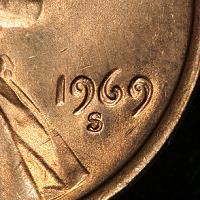
2. 1969-S Doubled Die Lincoln Cent
This cent is one of the clearest reminders that a production flaw can become a landmark collectible. The doubling appears on the obverse, especially the date, LIBERTY, and IN GOD WE TRUST, and specialists consider it dramatically scarcer than better known doubled dies. Current estimates place the population at around 30 known, while PCGS lists it among the Top 100 modern coins.
The coin also picked up notoriety after genuine pieces were once mistaken for counterfeits. That confusion only added to its legend. A certified example brought $126,000 at auction, and even well worn pieces can command substantial sums when authenticated.
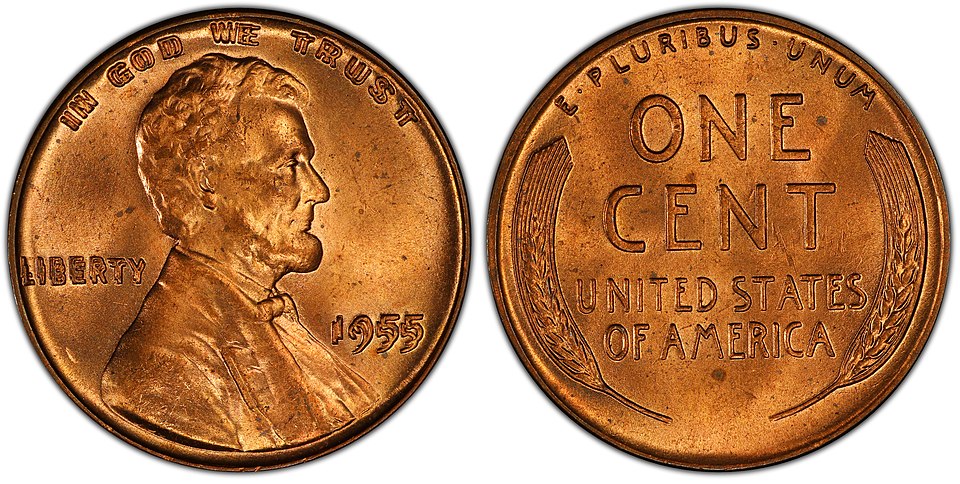
3. 1955 Doubled Die Lincoln Penny
If one error coin taught generations of collectors to inspect their pennies, it was this one. The 1955 doubled die shows bold, visible doubling on the front, especially in the inscriptions and date, and the effect is strong enough to be spotted without specialized equipment.
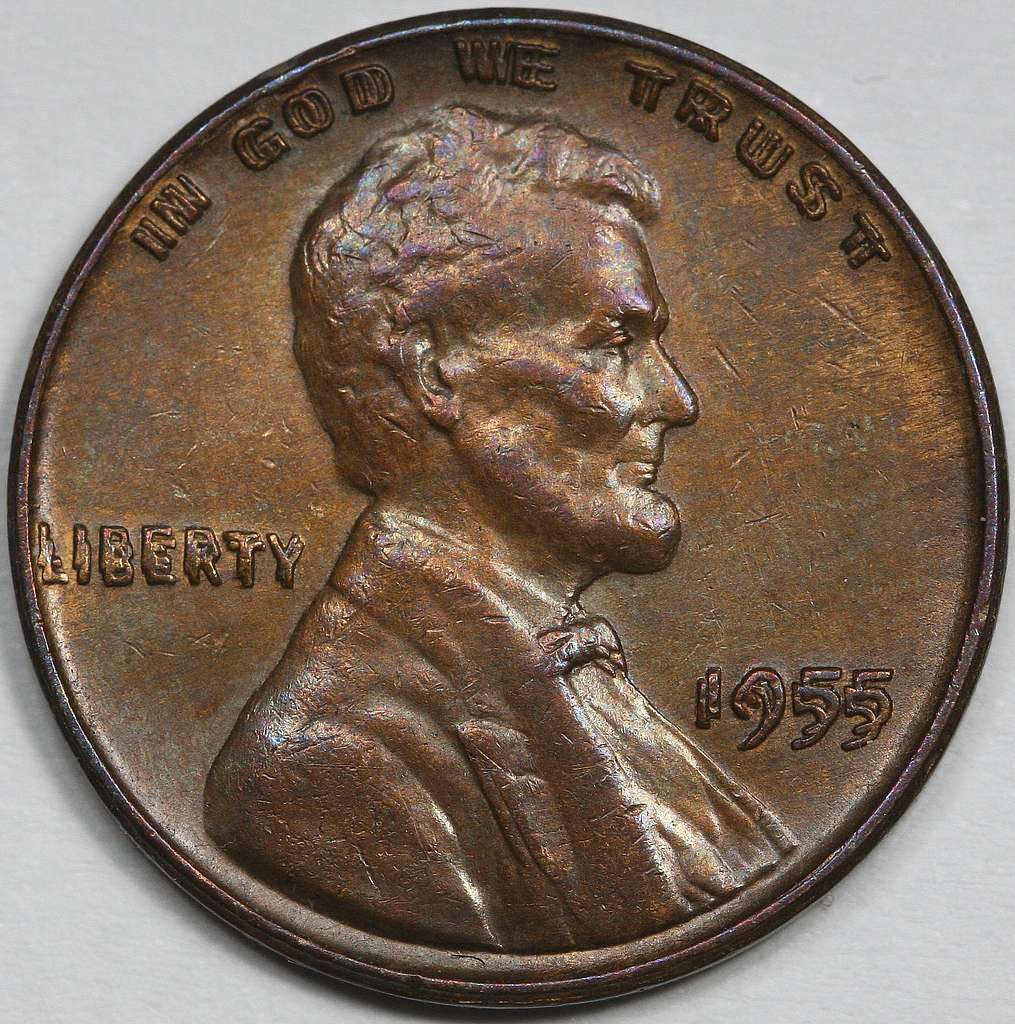
Thousands entered circulation before the mistake was caught, which gave the coin an unusual mix of fame and attainability. Unlike ultra rare pieces known only to advanced specialists, this cent became part of popular coin lore. High-grade examples bring strong prices, but even circulated coins remain highly sought after because the error is so easy to recognize.
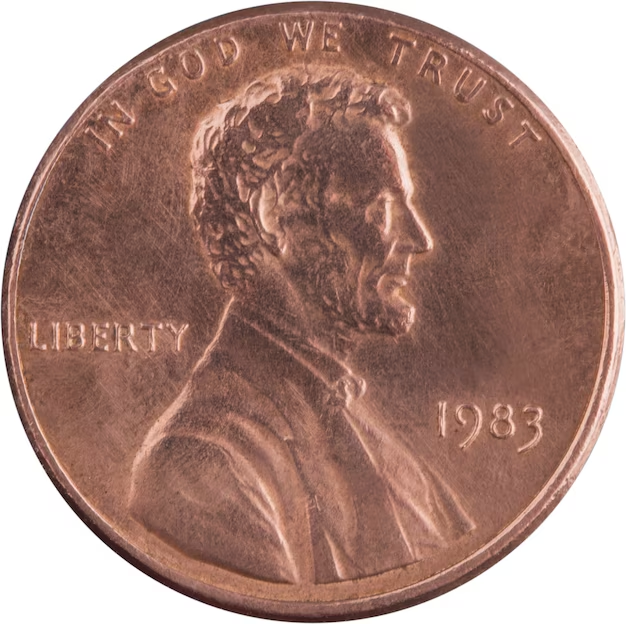
4. 1983 Doubled Die Reverse Lincoln Cent
The 1983 cent is often overlooked because the decade feels too recent to many casual collectors. Yet it has one of the better known modern reverse errors, with doubling visible in inscriptions such as ONE CENT and UNITED STATES OF AMERICA. PCGS includes the variety on its modern coin list with an estimated 5,000 survivors.
This date matters for another reason. By 1983, cents were supposed to be struck on lighter zinc-based planchets, so oddities from the transition period attract extra scrutiny. A scale can help with certain off-metal checks, but the reverse doubling is the first clue many searchers look for.
5. 1992 Close AM Lincoln Cent
Sometimes the difference between a common coin and a valuable one is the space between two letters. On this variety, the “A” and “M” in AMERICA are much closer than they should be for a normal 1992 business-strike cent. The issue came from a reverse design intended for a later year appearing too early.
Specialists track this variety closely because it is both subtle and important. The normal design progression for Memorial cents shows that a few 1992 cents were produced with the newer Close AM design, making them standout transition errors. Philadelphia and Denver examples are both prized, and condition matters sharply.
6. 1999 Wide AM Lincoln Cent
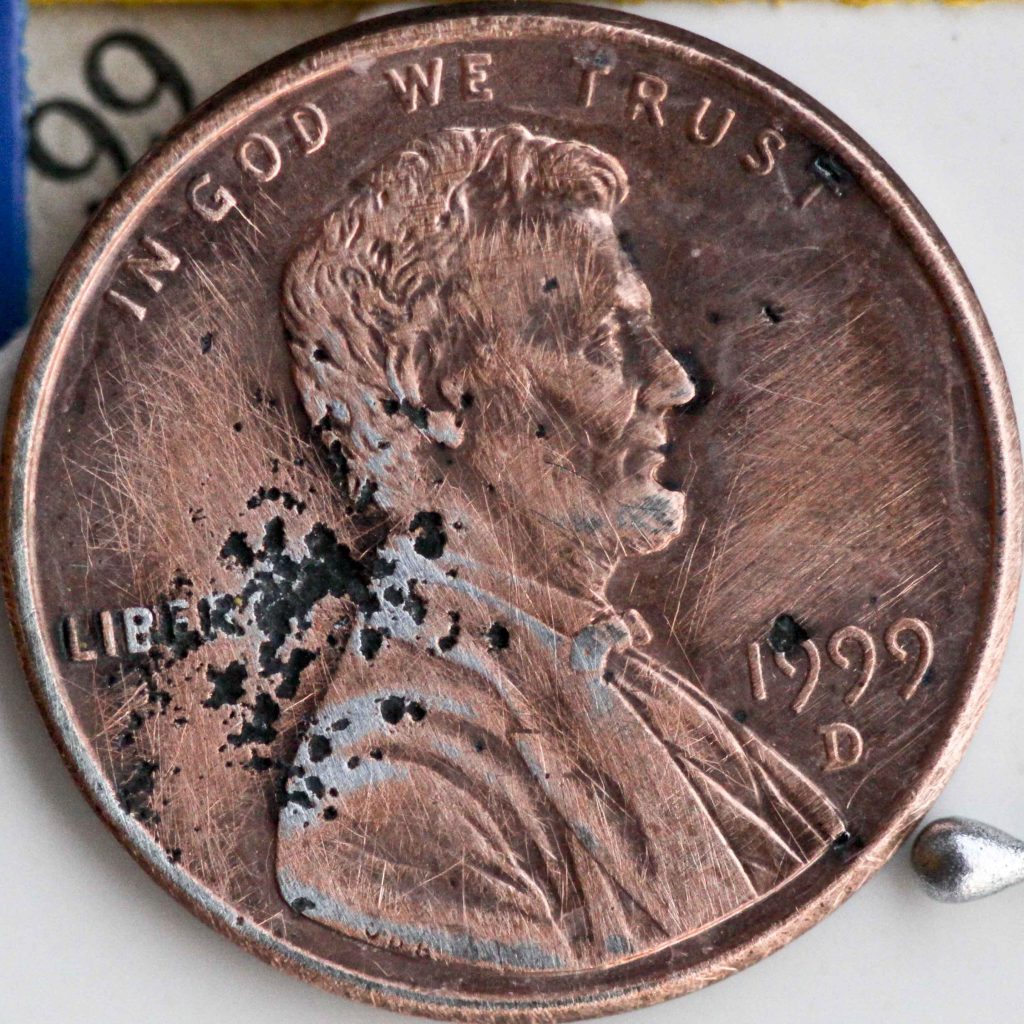
The reverse design story runs in both directions. In 1999, some business strike cents appeared with a proof-style reverse, creating a Wide AM spacing where the letters are separated more than expected. It is a small visual cue, but one that turned an everyday cent into a legitimate find.
Because later Lincoln Memorial cents often receive little attention, this variety rewards patience more than luck. It also shows how modern coins can develop collector status without dramatic metal errors or vanished mintmarks. A close look at the reverse can change the whole reading of the coin.
7. 1943 Bronze and 1944 Steel Lincoln Cents
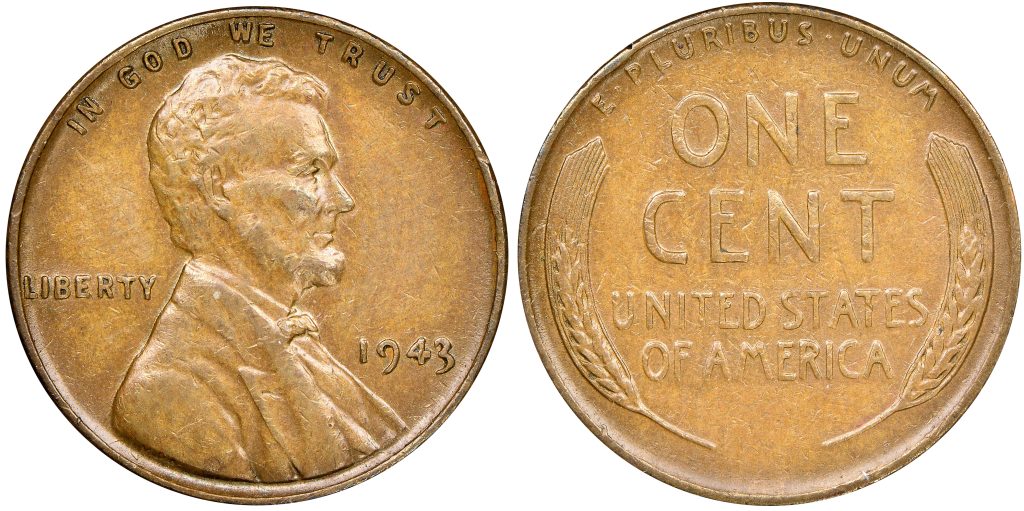
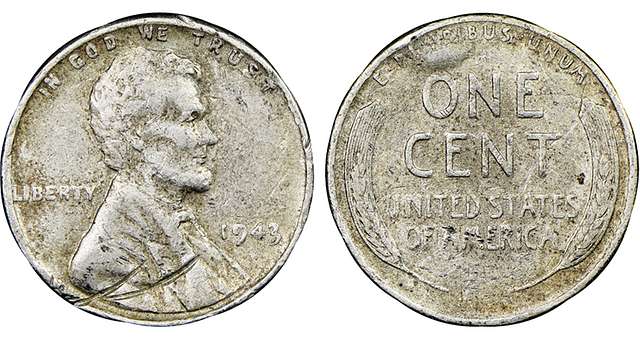
These two wartime mistakes remain the dream finds of pocket change folklore. In 1943, cents were meant to be struck in steel to conserve copper; a few bronze planchets slipped through instead. In 1944, the process reversed, and a few leftover steel blanks were struck after bronze production resumed.
Both are rare enough to sit near the top of Lincoln cent collecting, and both are tied directly to wartime manufacturing pressures rather than decorative variation alone. A simple magnet test can help separate ordinary 1943 steel cents from the much rarer bronze pieces, while 1944 steel cents are also magnetic. Authentication is essential, since these dates are heavily counterfeited and frequently altered.
The deeper appeal of these coins is not only what they might sell for. It is the way they preserve small, accidental moments from the Mint’s production history: the wrong die, the wrong blank, the wrong spacing, all surviving long after the machinery moved on. That is why change jars, bank rolls, and old drawers still attract careful eyes. Most searches end with common coins. A very small number end with history.

