
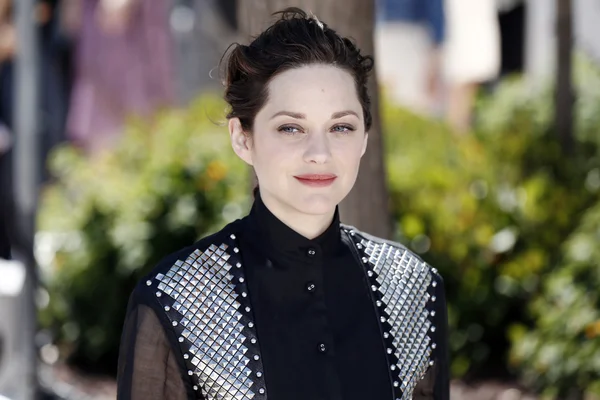
Celebrity culture has always rewarded bold opinions, but some public statements travel far beyond image-building or personal eccentricity. When actresses embrace fringe claims about medicine, major historical events, hidden plots, or technology, the reaction often moves from curiosity to career damage, public backlash, and wider debates about influence.
That tension is what makes these cases endure. In several of them, the controversy was not only about what was said, but about how celebrity visibility can help normalize misinformation, deepen fan loyalty, or turn private beliefs into a public spectacle. Researchers have noted that social platforms can intensify conspiracy thinking by rewarding community, “insider” expertise, and the thrill of connecting supposed clues, as discussed in research on celebrity conspiracy culture.
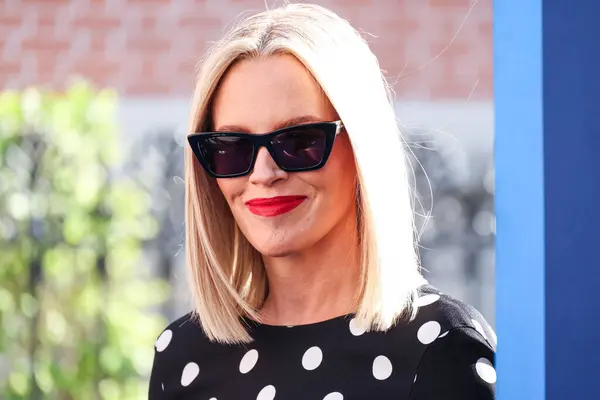
1. Jenny McCarthy and vaccine skepticism
Jenny McCarthy became one of the most recognizable celebrity faces attached to anti-vaccine rhetoric in the late 2000s. Her public claims about a link between childhood vaccines and autism put her at the center of a cultural fight that extended far beyond entertainment coverage.
The reason her case still gets cited is scale. She did not keep the issue to an isolated interview or a vague social post; she used television appearances, rallies, and books to push medical skepticism into mainstream conversation. That gave the controversy a longer life than many celebrity flare-ups and tied her image to one of the most consequential misinformation debates in public health.
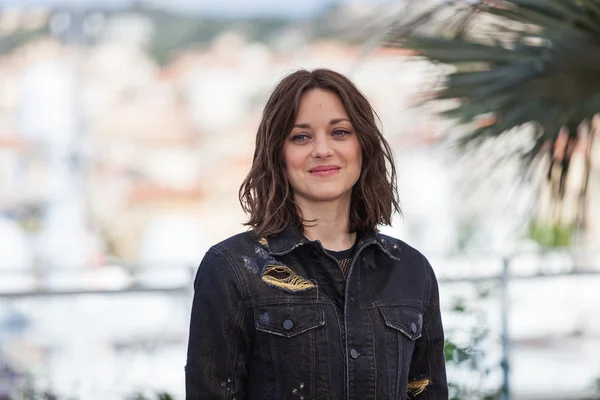
2. Marion Cotillard and doubts about 9/11 and the moon landing
Marion Cotillard drew intense scrutiny after comments in a 2007 interview where she questioned official accounts of both 9/11 and the 1969 moon landing. Her remarks stood out because they touched two of the most recognizable modern conspiracy categories at once: historical tragedy and space denial.
The moon-landing angle had already lived for decades in popular culture, despite repeated debunking. Cotillard later said her comments were taken out of context, but the episode remained attached to her public image because it arrived at a moment when she was gaining major international attention. In entertainment culture, timing matters almost as much as content.
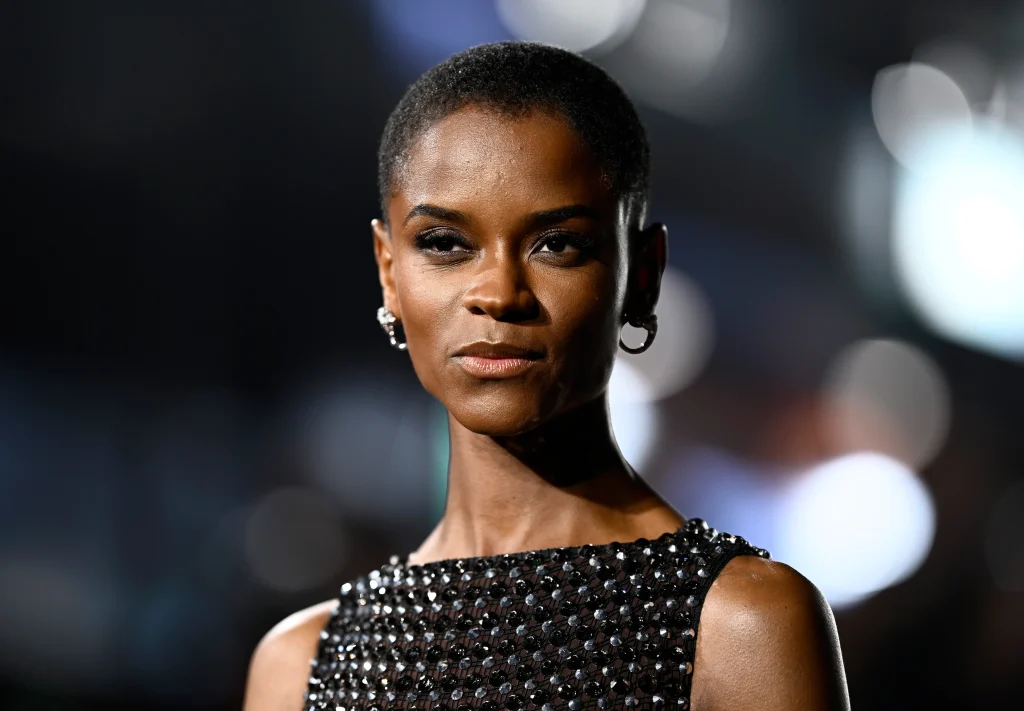
3. Letitia Wright and the vaccine video backlash
Letitia Wright faced a sharp public relations crisis after sharing a video that questioned vaccine safety during the pandemic. The post triggered immediate criticism because it came from a globally recognized franchise star during a period when health misinformation was already under heavy scrutiny.
The fallout was magnified by the broader content of the video, which included other inflammatory claims. Wright later stepped back from social media, but the controversy remained a case study in how quickly a single post can reshape press attention around an actor. In the streaming era, personal feeds can become part of a celebrity’s professional record almost instantly.
4. Roseanne Barr and QAnon-era posting
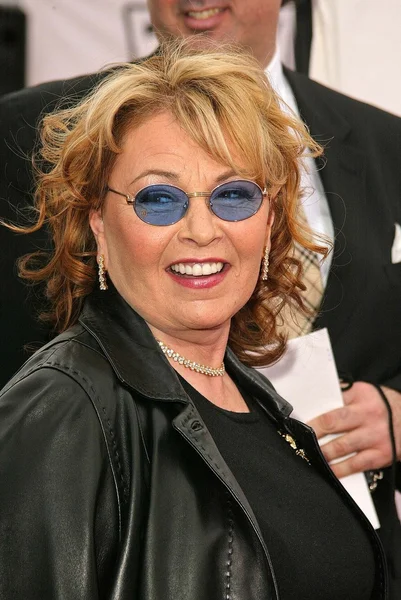
Roseanne Barr had long been known for provocation, but her embrace of QAnon-associated ideas pushed that reputation into a different category. Posts about deep-state corruption and hidden elite networks linked her name to one of the internet’s most expansive conspiracy ecosystems.
Her case also showed how platform behavior can turn fringe claims into mainstream headlines. Once the controversy spilled beyond her own audience, it became inseparable from her career narrative. The resulting professional consequences made her one of the clearest examples of how conspiracy-aligned messaging can produce long-term reputational damage in entertainment.
5. Fran Drescher and alien abduction claims
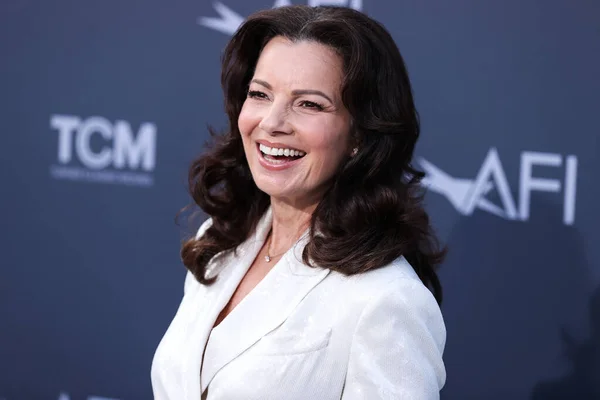
Fran Drescher occupies a different lane from many names on this list because her most discussed fringe claim was not political or medical. She has said she believes she and her former husband were abducted by aliens and that physical marks on their bodies were evidence of implanted tracking chips.
That places her within a long celebrity tradition of public fascination with extraterrestrials. Belief in UFOs or nonhuman life has circulated in entertainment for decades and often draws less institutional backlash than false claims about health or elections. Even so, it still blurs the line between personal mythology and public credibility, especially when stated as fact rather than curiosity.
6. Gwyneth Paltrow and the prestige version of pseudoscience
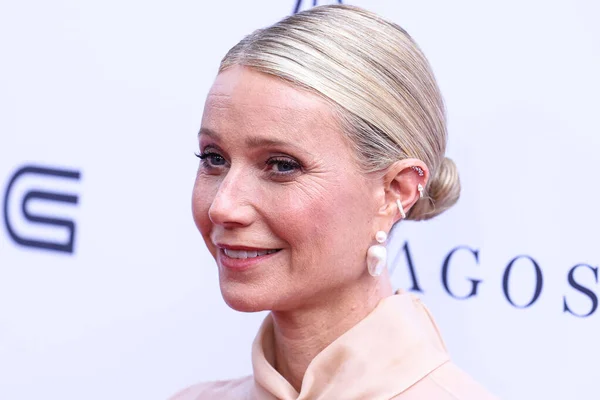
Gwyneth Paltrow’s influence did not come from a single viral controversy. It came from repetition. Through her wellness platform, she helped package fringe health concepts in a polished, aspirational format that made pseudoscientific ideas feel less like tabloid material and more like lifestyle experimentation.
That distinction matters. Critics have focused on the way celebrity wellness can give unsupported claims a softer entry point into mainstream culture. Instead of overtly declaring a grand hidden plot, the messaging often frames mainstream medicine as incomplete, impersonal, or compromised. The end result can be similar: distrust grows, expertise is recast as suspect, and fame acts as a credibility shortcut.
7. Evangeline Lilly and anti-mandate rhetoric
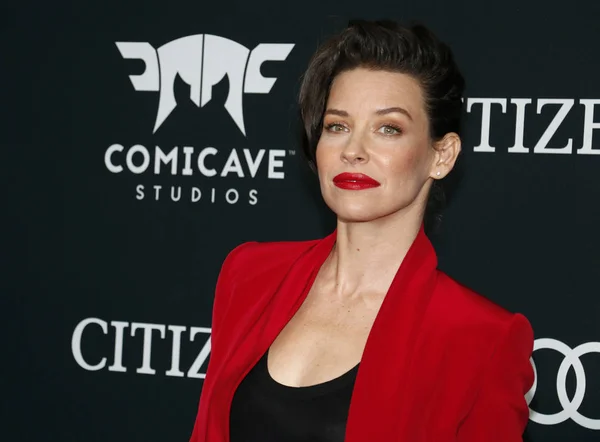
Evangeline Lilly became a flashpoint after resisting early pandemic restrictions and later appearing at anti-mandate protests. Her statements framed public-health measures as threats to liberty, which placed her at the center of a broader celebrity-driven culture war around masks, mandates, and state power.
What made the episode linger was not only the position itself, but the contrast between blockbuster fame and public-health messaging during a global emergency. Once celebrity speech is folded into a high-stakes social debate, it tends to outlast the original post or appearance that started it.
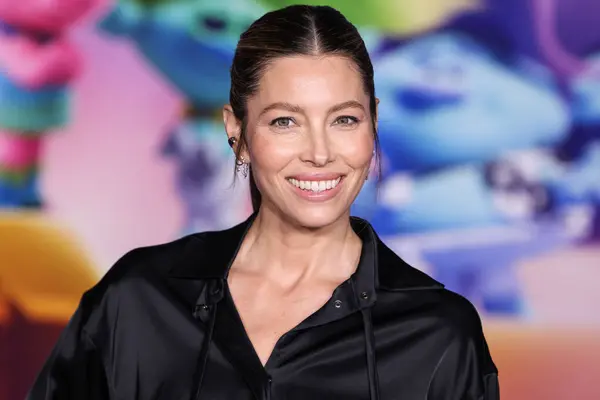
8. Jessica Biel and the “not anti-vaccine” controversy
Jessica Biel’s case stood out because she publicly said she was not anti-vaccine while still joining opposition to a California bill limiting medical exemptions. That distinction became the center of the backlash. Her critics argued that the language of “medical freedom” and “parental choice” can overlap with movements that weaken vaccination policy without adopting the anti-vaccine label outright. That made her an example of a subtler celebrity dynamic: a star does not need to fully endorse a conspiracy theory to become part of the ecosystem that helps it travel.
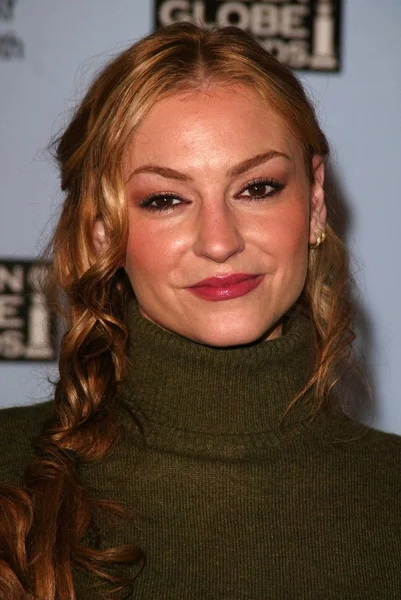
9. Drea de Matteo and distrust of mandates and institutions
Drea de Matteo became increasingly vocal about medical mandates, pharmaceutical power, and what she described as coordinated pressure from institutions. Her public posture reflected a wider entertainment-world shift in which anti-establishment messaging migrated from fringe corners of the internet into celebrity podcasts, interviews, and personal brands.
Her story resonates because it links belief, identity, and livelihood. When performers frame themselves as punished truth-tellers, conspiracy-adjacent rhetoric can become part of a broader public persona rather than a one-off controversy. That gives the narrative staying power with audiences who already distrust official systems.
These cases are not all identical. Some revolve around health claims, some around historical denial, some around hidden elites, and some around extraterrestrial belief. But they reveal the same modern pattern: celebrity attention can make fringe ideas feel bigger, more intimate, and more persuasive than they would otherwise be. That helps explain why the backlash can be so intense. In Hollywood, unusual beliefs are not new. What has changed is the speed, reach, and permanence of public reaction once those beliefs are broadcast to millions.

