
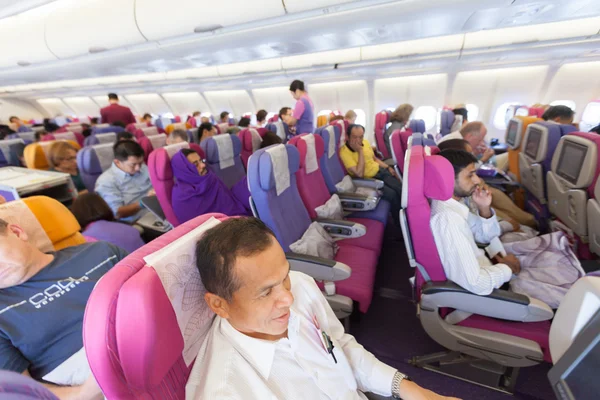
Air travel has a way of turning ordinary manners into awkward mistakes. In a tight cabin, a gesture that seems considerate on the ground can disrupt service, create safety issues, or make the trip harder for everyone nearby.
That is why flight etiquette is less about doing more and more about reading the room. As Tania M., a flight attendant with nearly two decades of experience, put it, “We certainly appreciate it when passengers go out of their way to be helpful. usually.”
1. Policing another passenger
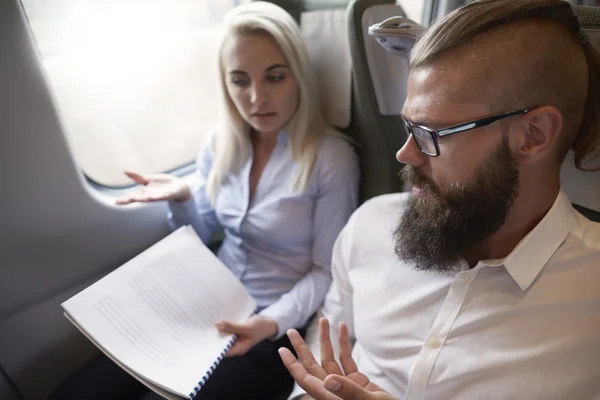
Correcting a stranger over a seat belt, a mask, a seat assignment, or a tray table can escalate faster than many travelers expect. Cabin crew are the people trained to handle noncompliance, and stepping in as the unofficial enforcer can create a second problem instead of solving the first.
The smoother move is simple: alert a flight attendant quietly and let the crew decide how to respond. That approach matters even more because crew members are responsible for enforcing FAA-related instructions during critical phases of flight.
2. Reorganizing overhead bins
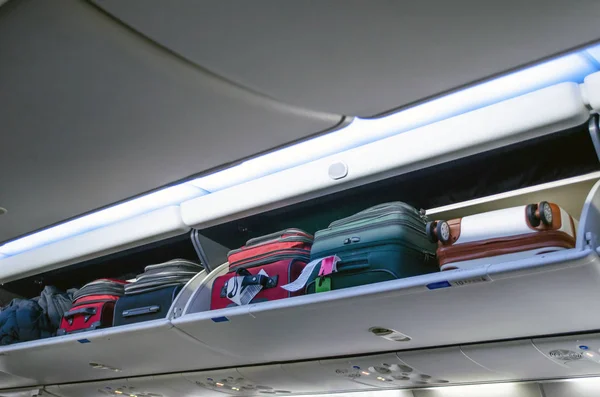
Sliding another traveler’s bag, turning luggage without permission, or compressing items to “help” rarely lands well. It slows boarding, confuses other passengers, and can create a mess when someone later tries to find medication, electronics, or a fragile item.
Flight attendants also regularly deal with bags that are oversized or loaded badly, so extra passenger handling only adds friction. The most useful habit is to place one’s own bag quickly, keep straps tucked in, and move out of the aisle.
3. Touching crew to get attention
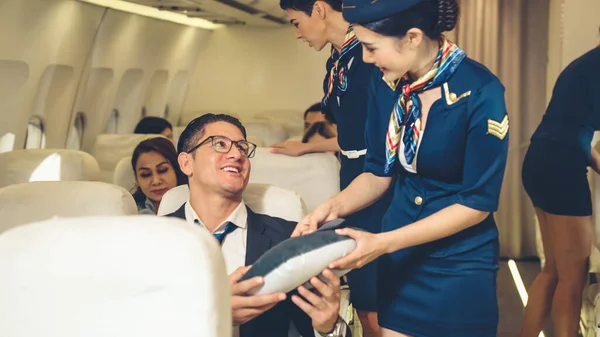
A tap on the arm may seem gentler than calling out, but many crew members do not want to be touched while working. The same goes for pushing trash toward them or poking them as they pass. “Excuse me” works. So does the call button, which is there for exactly that purpose. According to flight attendants quoted in passenger pet peeves collected from cabin crew, poking staff is one of the behaviors they want travelers to stop immediately.
4. Asking for a full refillable bottle during service
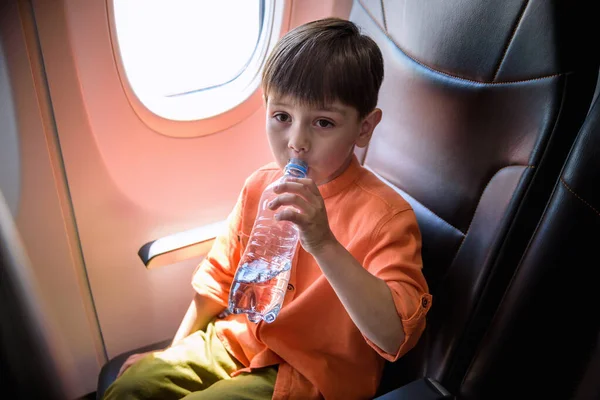
Bringing a large reusable bottle is practical in an airport, but asking crew to fill the whole thing on board can strain limited supplies. Tania M. said, “We just can’t fill up all of your water bottles, or there wouldn’t be enough to offer.” A better plan starts before boarding. Fill the bottle at the terminal, then ask for a cup of water during service if needed.
5. Reaching into the drink cart or handing over trash at the wrong moment
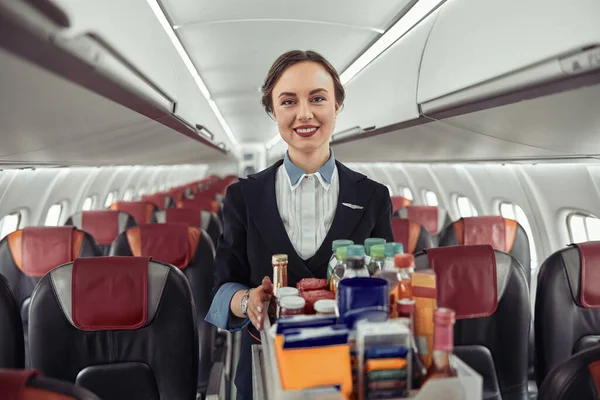
Taking a soda before the cart reaches the row may feel efficient, but it interrupts the service pattern and crowds the aisle. The same goes for thrusting used tissues, diapers, or loose trash into a flight attendant’s hands while food and beverages are being served.
This is partly etiquette and partly hygiene. Crew have to manage cross-contamination, and some waste requires different disposal. In one roundup, attendants specifically objected to being handed trash when they do not have gloves or a trash bag.
6. Taking too long to perfect a carry on setup
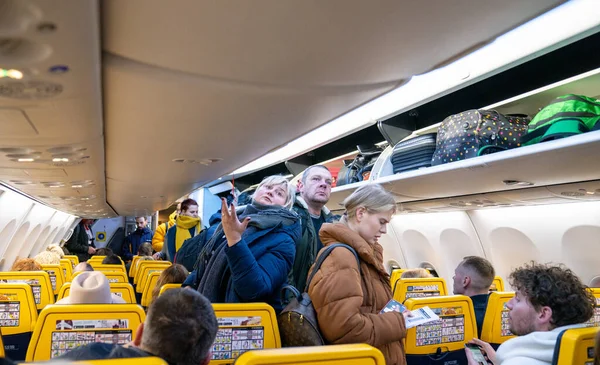
Boarding stalls when one passenger keeps rotating a suitcase, guarding bin territory, or preventing nearby bags from being placed. It also raises tension in the aisle, where the line behind is already compressed and impatient. Preparation makes the biggest difference. Travelers who zip bags, flatten pockets, and tuck in loose straps before boarding are usually the ones who move through the cabin without causing a backup.
7. Using the call button for non-urgent cleanup
The button is useful, but it is not meant to summon a private trash pickup every time a wrapper appears. On most flights, attendants pass through the cabin multiple times, and stopping them for minor cleanup requests can slow service elsewhere.
Reasonable uses include help with a spill, a needed drink after service, or a genuine concern. Even etiquette experts note that the call bell is acceptable when the request is polite and necessary, not when patience would solve the issue.
8. Starting a chat when the crew is mid-task
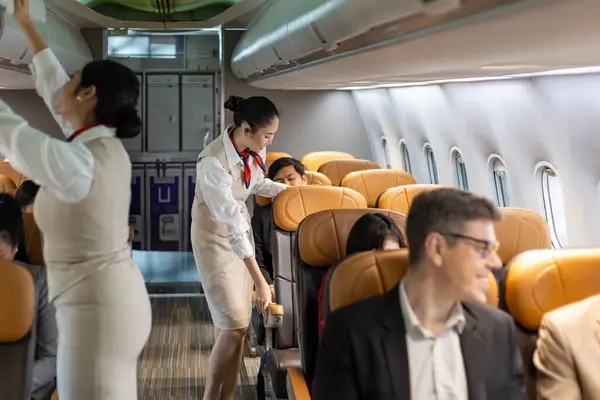
Friendly conversation is not the problem. Timing is. A flight attendant moving through safety checks, paperwork, meal service, or cabin prep is still working even if the aisle looks calm. Ethan S. described passengers who call him over just to keep him company, unaware that other tasks are already in motion. Brief pleasantries are welcome, but the better moment comes when service has eased and the crew is not actively managing the cabin.
9. Thanking the pilot while ignoring the cabin crew
Many travelers naturally notice the pilot at the door or feel compelled to praise the person in command. But the attendants who handled boarding, safety checks, service, cleanup, and passenger needs throughout the flight notice when they are passed by without a word.
That small moment matters. A quick thank-you to the people in the cabin acknowledges the work passengers saw up close, and it is one of the easiest ways to leave a good final impression. The pattern behind all of these habits is straightforward. Trouble usually starts when a passenger mistakes visibility for usefulness and inserts help where the crew already has a system.
Better flying manners tend to look quieter than expected: wait for one’s turn, keep hands to oneself, use the call button thoughtfully, and treat the aisle as shared space. On a crowded plane, that kind of restraint is often the most considerate behavior in the cabin.

