
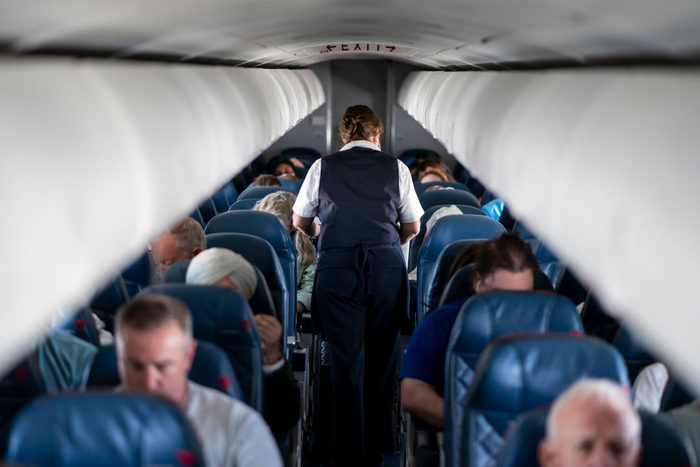
Most travelers do not set out to make a flight harder for anyone. In fact, many of the habits that frustrate cabin crews begin as attempts to get comfortable, stay organized, or move a little faster through an already stressful day.
But inside a crowded aircraft, even polite intentions can create delays, safety problems, or extra work for the people managing the cabin. Flight attendants are not just serving drinks. As one crew member told Travel + Leisure, “We are first and foremost safety professionals and are trained to handle emergency situations that can occur at any point during a flight.”
1. Treating the overhead bin like private storage
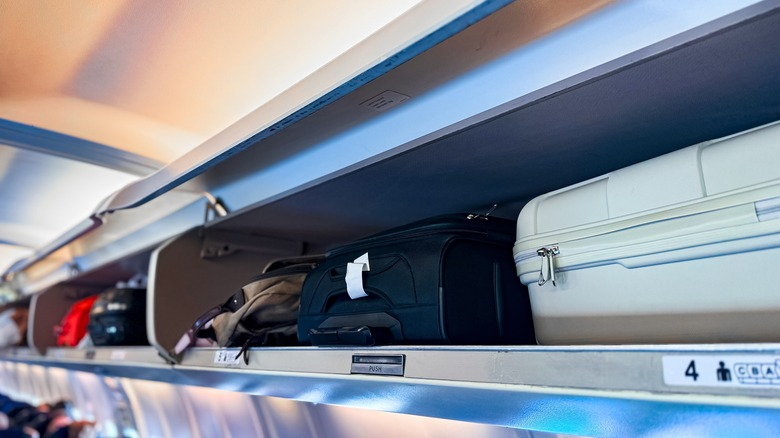
Passengers often place every item overhead to free up foot room, but crews regularly point out that bins are shared space. Smaller items are generally meant to go under the seat in front, and using the bin for purses, backpacks, and coats too early can leave larger carry-ons without room.
Flight attendants also note that boarding slows down when people stop to rearrange bags or place them far from their row. According to flight attendants discussing bin etiquette, crowding in the aisle raises the chances of a delayed departure because the cabin cannot be secured until everything is properly stowed.
2. Asking for help with a bag that is too heavy
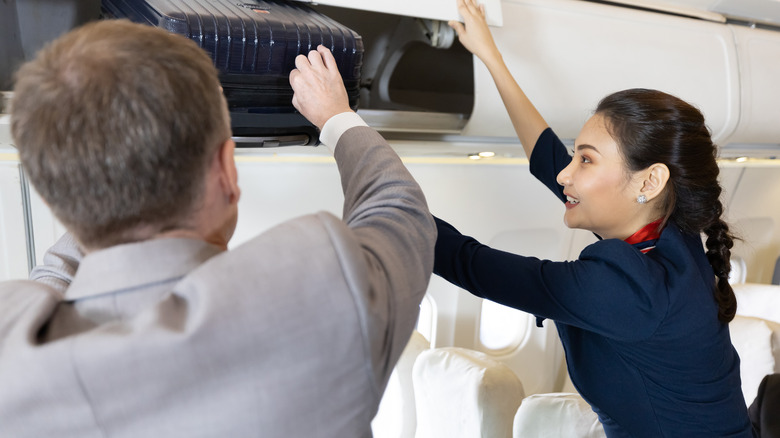
This request is often made politely, but crews say it can put them in a difficult position. Flight attendants can guide passengers on where a bag should go, yet many airlines restrict them from lifting heavy luggage because of injury risk.
That concern is not minor. A Travel + Leisure report on overhead bin rules from flight attendants explains that assisting with overhead bags is one of the most cited reasons for crew injuries. A carry-on that cannot be safely lifted by its owner usually needs another plan before takeoff.
3. Getting settled in the aisle instead of in the seat
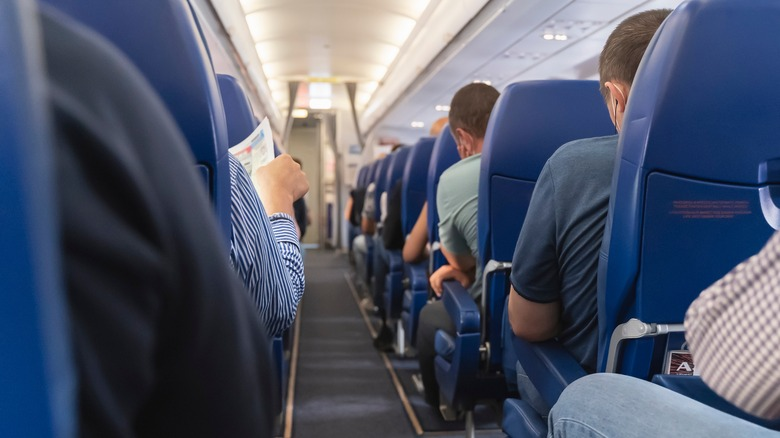
Many passengers like to pause at their row, open a carry-on, grab a sweater, find headphones, and organize snacks before sitting down. It feels efficient in the moment. To everyone waiting behind, it creates a traffic jam.
Flight attendants repeatedly urge travelers to move first and sort later. Boarding works best when passengers step into the row, stow what they need to stow, and sit down before unpacking smaller items.
4. Playing audio out loud because it is “just for a minute”
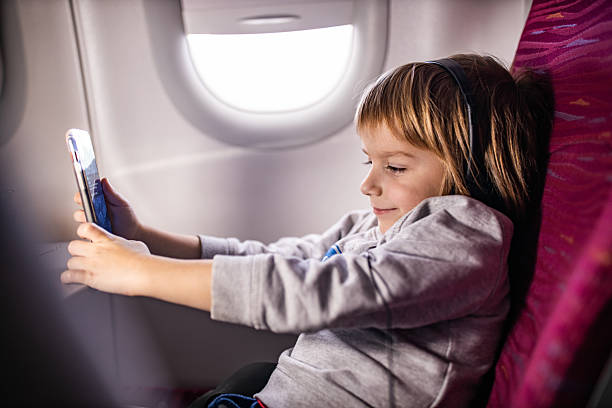
Cabins amplify small noises. A quick video clip, a game, or a child’s show without headphones can travel rows farther than expected, especially during quieter parts of the flight. Former flight attendants interviewed by Yahoo and Southern Living described this as one of the most common etiquette problems they see. It becomes even more disruptive when adults leave children to watch shows at full volume for long stretches.
5. Reclining quickly without checking behind
Seat reclining is allowed on most flights, which is why many passengers assume no extra courtesy is required. Flight attendants disagree with that approach. A sudden recline can knock a drink, jam a laptop, or turn a meal into a balancing act for the person behind. The issue is usually not the recline itself. It is the surprise. Crews consistently recommend a glance back and a slow movement instead of an abrupt lean.
6. Heading for the lavatory during beverage or meal service
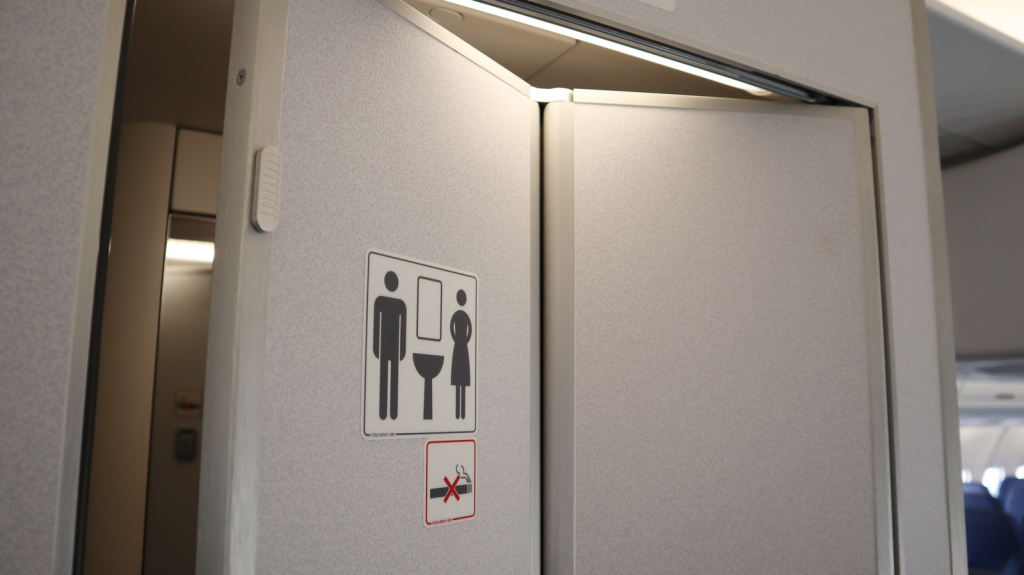
This is another habit that often comes from perfectly normal timing. A passenger finally remembers to use the restroom just as the cart appears. The problem is that service carts take up most of the aisle, leaving little room for anyone to pass safely.
One flight attendant quoted in BuzzFeed put it plainly: “If you’re going to get up to use the lavatory during beverage service, then be OKAY with waiting in the back until we are done. Please don’t make us pull these 200-pound carts all the way back to let you get back to your seat.”
7. Bringing food with a smell that fills the cabin
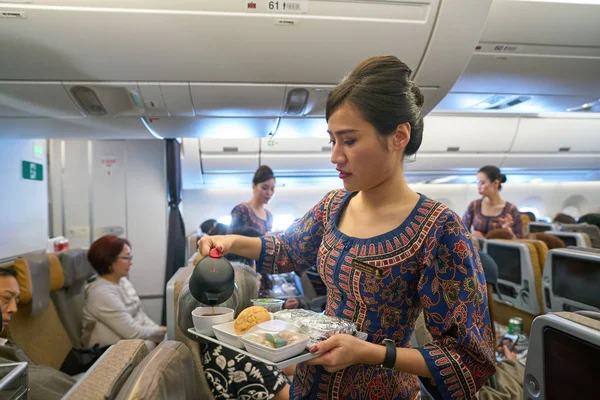
Passengers often pack favorite meals thinking only about convenience. On a plane, strong food odors do not stay personal for long. Fish, egg salad, heavy garlic, and highly spiced dishes can linger in a sealed cabin and make nearby travelers uncomfortable.
Several etiquette guides cited by travel publications recommend sticking with neutral snacks when possible. It is less about taste and more about how far scent travels in close quarters.
8. Standing up the moment the plane lands
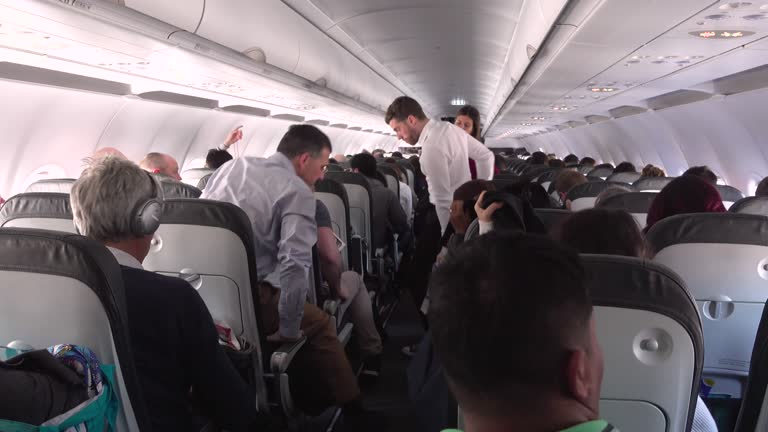
The urge is understandable. People want to stretch, reach their bag, and feel one step closer to the terminal. Flight attendants still flag this as a persistent problem because landing is not the same as being ready to deplane.
As former flight attendant Michelle Hall said in Yahoo’s coverage, “What’s the rush? You can’t go anywhere if the door is closed. Just wait for your turn.” Crews say early aisle crowding can also slow the row-by-row exit that usually works best.
9. Forgetting basic acknowledgment during service
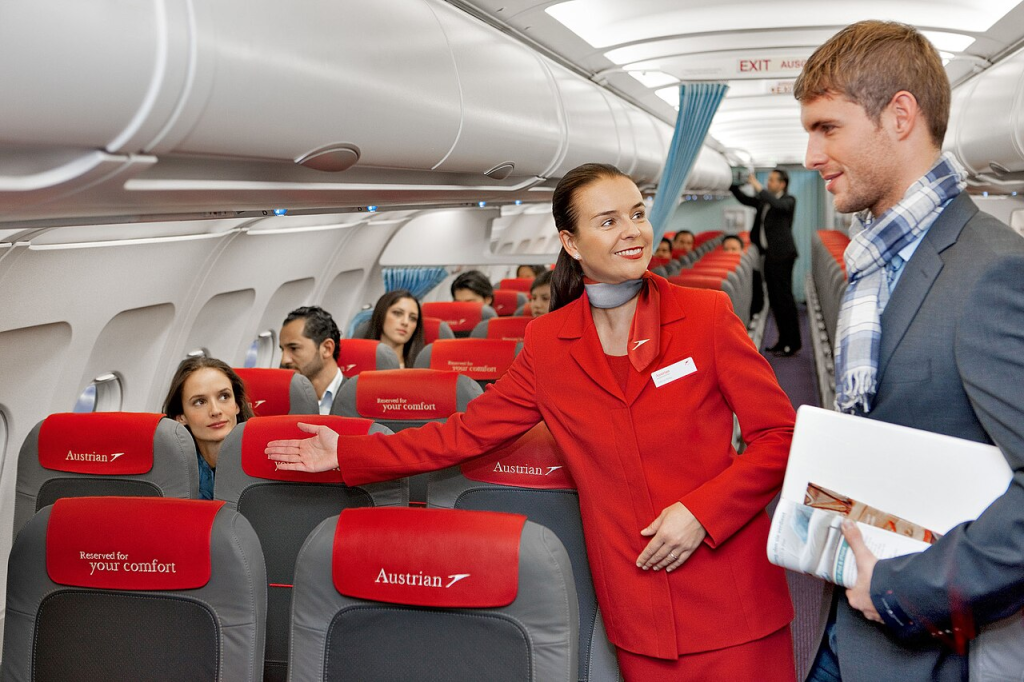
Headphones stay on. Eyes stay on screens. A drink order has to be repeated. None of that may be intended as rude, but attendants say it slows service and adds friction to simple interactions. Several crew members interviewed by Southern Living and Travel + Leisure said eye contact, a brief pause, and a quick “please” or “thank you” make a noticeable difference. In a cramped cabin, small signals of awareness matter.
Most of these habits are easy to miss because they feel harmless from one seat. From the aisle, they look different. A delayed boarding line, a blocked cart, an overflowing bin, or a distracted service interaction can affect the entire cabin within minutes. That is why the most appreciated passengers are rarely the fanciest or most experienced. They are the ones who move with awareness, share space well, and remember that smooth air travel depends on dozens of tiny courtesies happening at once.

