
Celebrity relationships often become public property, but interracial partnerships involving Black male stars have drawn a distinct kind of attention for decades. In Hollywood, the reaction is rarely just about romance. It often turns into a broader conversation about identity, public image, fandom, and what audiences think they are owed from people they admire.
That tension sits inside a larger social shift. In the United States, 94% of adults approve of Black-White marriage, yet approval in the abstract does not always prevent online backlash aimed at specific couples. For some actors, the criticism has followed marriages that long predated fame. For others, it intensified the moment photos surfaced.
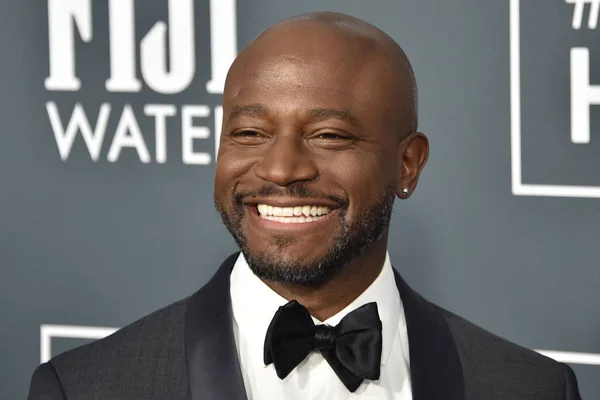
1. Taye Diggs
Taye Diggs became one of the most discussed examples after marrying Idina Menzel, his former “Rent” co-star. Their relationship was frequently framed as a high-profile interracial Hollywood marriage, and public reaction did not stop when the marriage ended. Diggs has repeatedly faced commentary about his dating choices, with critics treating his private life as evidence of broader social patterns rather than personal preference. Reference coverage has also noted that he received severe hostility early in his career over the relationship, showing how long this scrutiny has followed him.
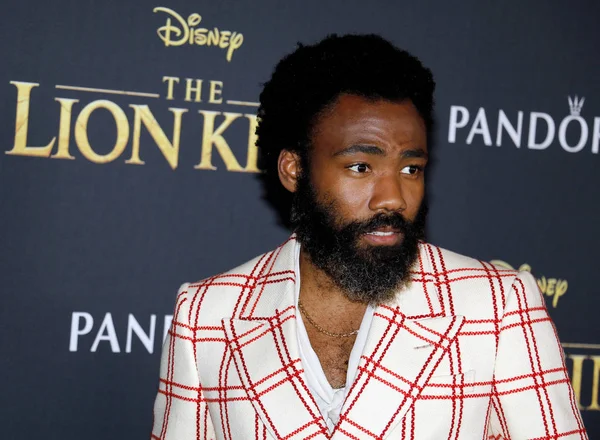
2. Donald Glover
Donald Glover’s relationship with Michelle White sparked debate for a different reason: audiences linked his private life to his art. Because his work often examines race, culture, and Black identity, some viewers tried to read his partner into the meaning of his projects. That dynamic became especially notable because “Atlanta” openly satirized the way successful Black men are discussed when they date white women. In his case, the backlash was not only about the relationship itself, but also about whether the public believed his art and his life needed to match in a way they could approve.
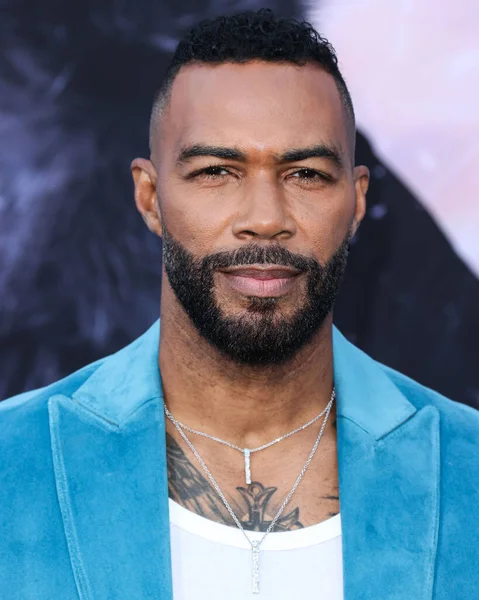
3. Omari Hardwick
Omari Hardwick has been unusually direct when defending his wife, Jennifer Pfautch, against online attacks. Fans of “Power” often blurred the line between the actor and the character he played, then projected that expectation onto his marriage. Hardwick has made clear that support for his family and commitment to the Black community are not opposing ideas. His situation illustrates how fandom can turn intensely personal, especially when a performer is treated as a symbol instead of a person.
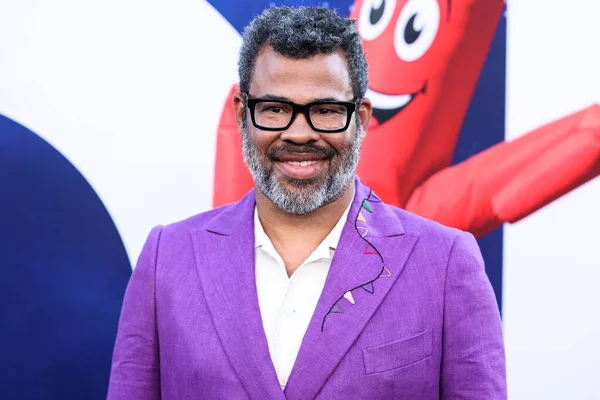
4. Jordan Peele
Jordan Peele’s marriage to Chelsea Peretti drew commentary because his films have explored liberal racism, social performance, and interracial unease. That made some viewers eager to turn his marriage into a clue, contradiction, or thesis statement. The public fascination grew after “Get Out,” a film that placed interracial dating at the center of its horror framework. Peele has largely let the work speak for itself, but the attention around his marriage shows how quickly audiences can collapse fiction, authorship, and personal life into one ongoing argument.
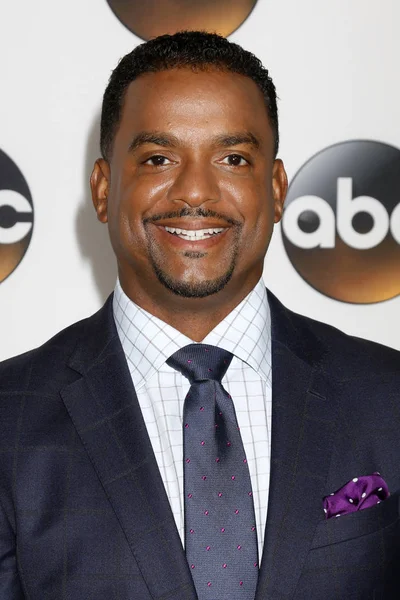
5. Alfonso Ribeiro
Alfonso Ribeiro has described frustration with people who use his marriage to Angela Unkrich as a shortcut to judge his racial identity. The reaction often carries an extra layer because many people still tie him to Carlton Banks, the character that made him famous. That overlap between role and real life has fueled assumptions that his off-screen family somehow confirms old stereotypes about cultural distance. Ribeiro has pushed back on that reading and has frequently centered his family rather than the noise around it.
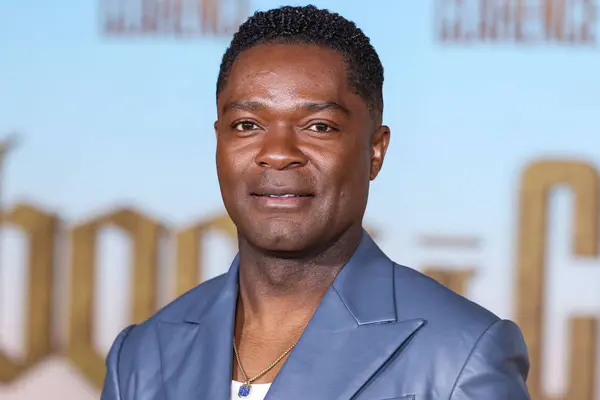
6. David Oyelowo
David Oyelowo’s marriage to Jessica Oyelowo stands apart because of its longevity. The two met as teenagers, long before his Hollywood rise, and built a family over many years. Even so, public conversation has sometimes pulled his marriage into discussions of his portrayals of major Black historical figures, including Martin Luther King Jr. His response has consistently emphasized history, faith, and the fact that the relationship did not begin as a product of celebrity. That long view matters, especially in a culture that tends to force symbolic meaning onto every visible couple.
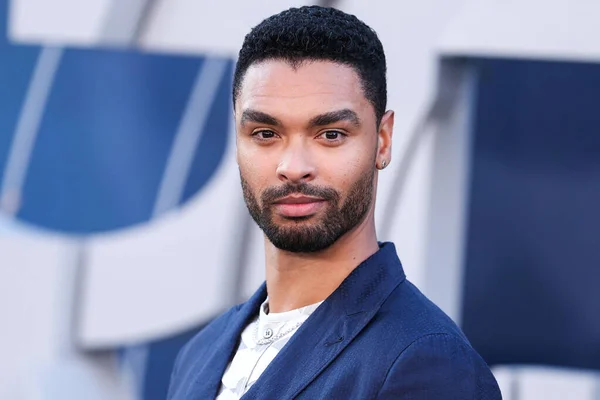
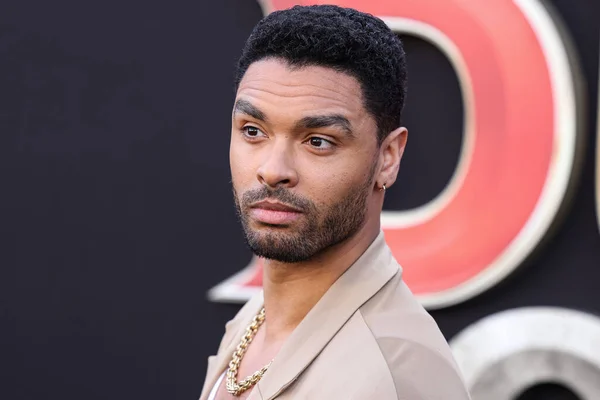
7. Regé-Jean Page
Regé-Jean Page experienced a particularly modern version of backlash: intense reaction driven by fantasy. After “Bridgerton,” some fans became invested in his on-screen romance and responded sharply when photos linked him to Emily Brown. The commentary revealed how quickly celebrity attraction can turn into entitlement. Page has kept the relationship largely private, avoiding the cycle in which every public appearance becomes fuel for debate.
8. Sidney Poitier
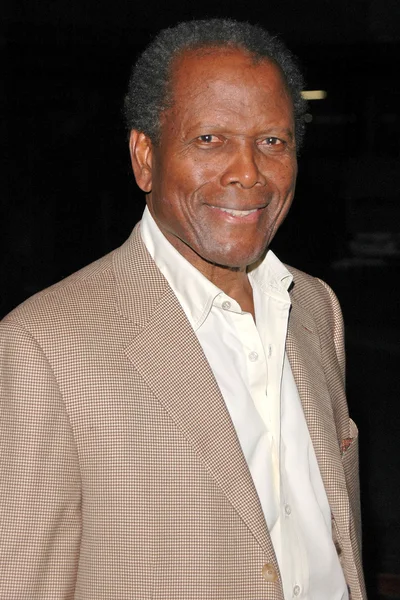
Sidney Poitier’s marriage to Joanna Shimkus belonged to an earlier and more dangerous era, which gives his story a different historical weight. Their union existed in the shadow of laws and attitudes that once criminalized interracial marriage, and his screen legacy often intersected with that social reality. The broader change since then has been dramatic: 17% of newlyweds were interracial in 2015, up sharply from earlier decades. Poitier’s life stands as a reminder that public scrutiny of these relationships did not begin on social media.
9. Quincy Jones
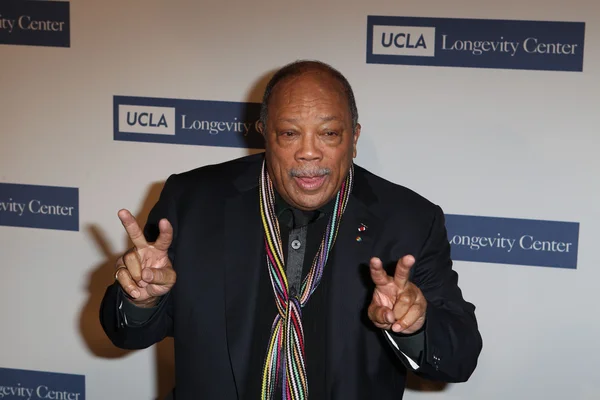
Quincy Jones has long been candid about his relationships, and that openness has made him a recurring reference point in conversations about interracial dating among Black public figures. His marriages and partnerships, including with white women, have often been discussed alongside the biracial identities of his children, including Rashida Jones. In his case, the attention has extended across generations, turning one person’s romantic history into a wider cultural lens on race, family, and visibility in entertainment.
The public response to these actors shows a persistent gap between broad social acceptance and the judgment aimed at individuals. National attitudes have changed substantially, but celebrities still encounter a level of symbolism that ordinary couples do not. That is part of why the subject continues to resurface. For many of these men, the real story has not been who they loved, but how quickly the public tried to turn that choice into a referendum on identity, loyalty, and image.

