
Hollywood has always sold glamour, but it has just as often manufactured fallout. For actresses in particular, public controversy rarely stays contained to one moment; it lingers, reshapes careers, hardens reputations, and often exposes the rules the industry applies unevenly.
Some scandals were driven by legal trouble or ill-judged remarks. Others revealed how quickly a woman could be branded difficult, unstable, disloyal, or impossible. Taken together, these stories say less about one bad week in a celebrity life than about how Hollywood decides who gets forgiven, who gets mocked, and who gets rewritten.
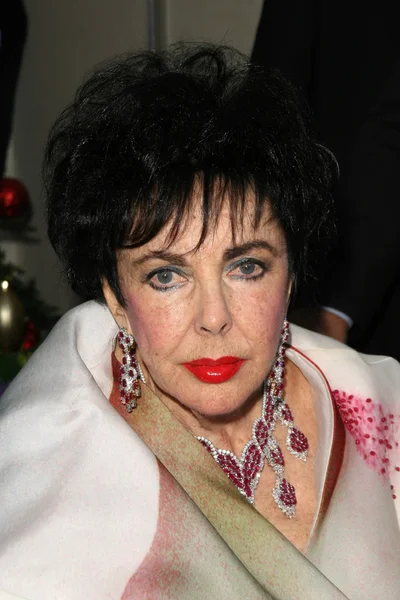
1. Elizabeth Taylor and the scandal that became old Hollywood spectacle
Elizabeth Taylor’s relationship with Richard Burton during the making of Cleopatra became one of the defining celebrity scandals of the 1960s. Both were married to other people, and the affair turned a film production into a global morality drama. The outrage was so severe that even the Vatican publicly condemned the pair, helping cement the idea that movie stars’ private lives could become international cultural theater. Taylor’s story also showed something else: scandal did not end her influence. Over time, she transformed notoriety into a far more durable legacy through philanthropy and AIDS activism.
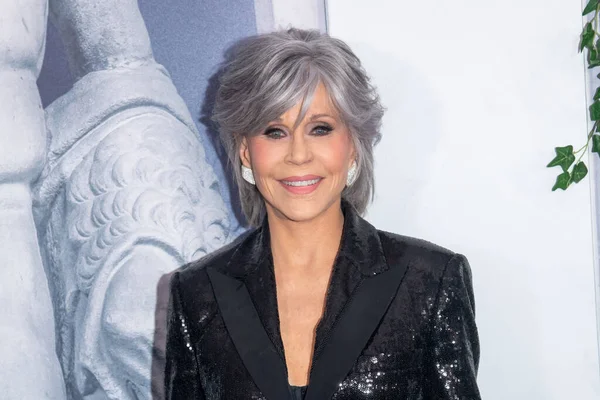
2. Jane Fonda and the controversy that outlived an era
Few actresses carried a single public label as long as Jane Fonda did after her trip to North Vietnam. The nickname “Hanoi Jane” became shorthand for a controversy that followed her for decades, turning political activism into a permanent part of her star image. What made the episode so enduring was not only the original backlash, but how it kept resurfacing long after the moment had passed. Fonda’s later career demonstrated how an actress could remain commercially successful while still being treated as a cultural lightning rod, a pattern that would echo through later generations of celebrity activism.
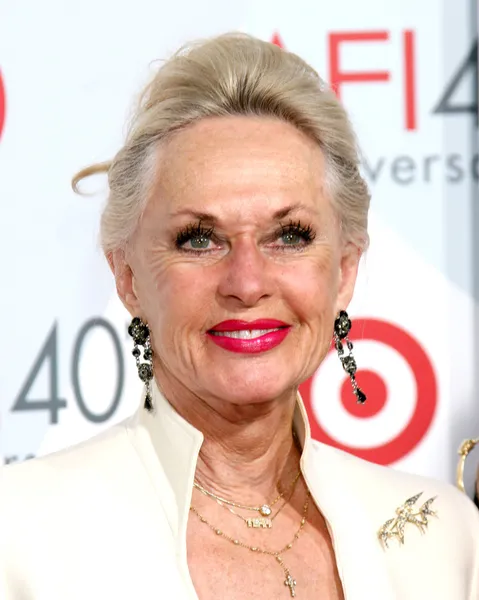
3. Tippi Hedren and the power imbalance Hollywood could no longer hide
Tippi Hedren’s allegations about Alfred Hitchcock changed the way many viewers understood classic Hollywood. Her account of harassment and career retaliation turned what once looked like a glamorous director-muse story into a case study in coercion. The significance of Hedren’s experience grew even more in retrospect, as later industry reckonings gave her claims new visibility. Her story stands apart because it was not about an impulsive public mistake. It was about how an actress could be punished for resisting a powerful man, and how that punishment could be disguised as professional decline.
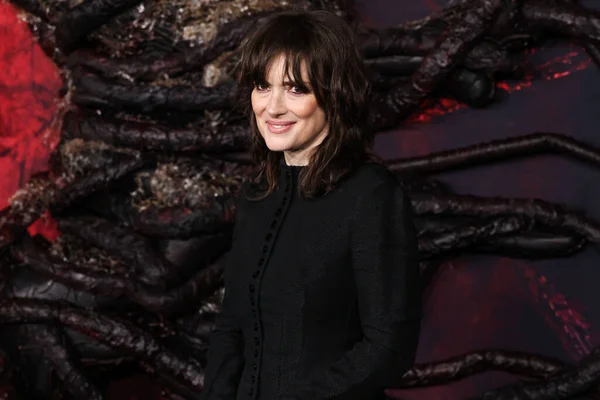
4. Winona Ryder and the tabloid trial that froze a career
Winona Ryder’s shoplifting arrest became one of the earliest modern examples of a single legal incident swallowing an actress’s public identity. She had already built a respected career, but the case quickly overtook everything else. The headlines were relentless, and the fallout became a reference point for how abruptly Hollywood could close ranks around a woman seen as having fallen off-script. Her later revival through Stranger Things gave the story a second act, but the original scandal still endures as a warning about how punishment in celebrity culture often continues long after the courtroom is done.
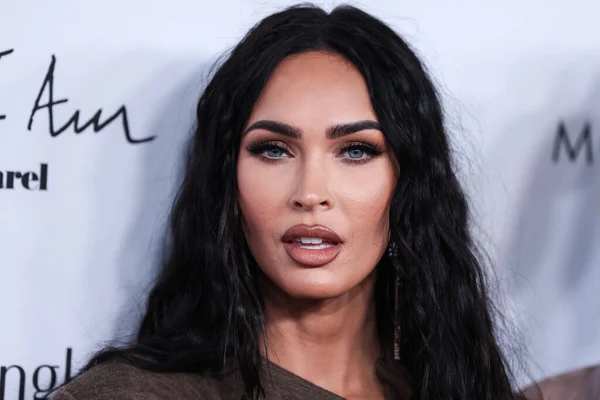
5. Megan Fox and the “difficult woman” label that stuck
Megan Fox’s career dip after making an extreme comparison about Michael Bay became more than a feud headline. It fed an industry pattern in which outspoken young actresses were quickly recast as ungrateful or unmanageable. Fox later spoke openly about being overly objectified and sidelined, and her story gained new relevance as conversations around misogyny in entertainment became harder to ignore. What once looked like a self-inflicted career error increasingly came to represent the cost of speaking bluntly in a system that preferred compliance.
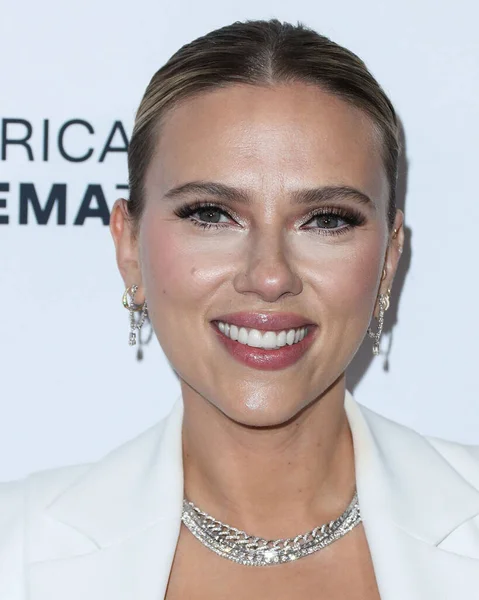
6. Scarlett Johansson and the casting debates that changed studio conversations
Scarlett Johansson’s controversies centered less on personal conduct than on representation. Backlash to Ghost in the Shell revived criticism of whitewashing, while her exit from a role as a transgender man sharpened public scrutiny around who gets to portray whom. These disputes mattered because they pushed casting politics into the mainstream, moving the conversation beyond fan circles and into awards coverage, interviews, and studio strategy. Johansson became one of the clearest examples of how a bankable actress could end up at the center of industry-wide arguments about authenticity.
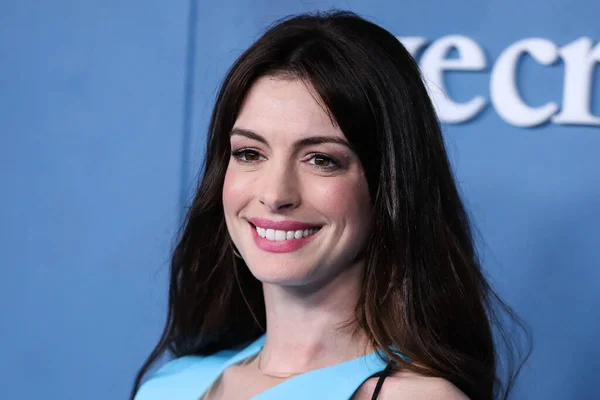
7. Anne Hathaway and the backlash with no single scandal
Anne Hathaway’s so-called “Hathahate” remains unusual because it was never tied to one crime, one affair, or one lawsuit. Instead, the backlash seemed to grow out of internet irritation with her perceived sincerity and polished awards-season image. That made it revealing in a different way. An actress did not need to do something catastrophic to become a target; sometimes public fatigue, online mockery, and endless commentary were enough. Hathaway later discussed the mental toll of that period, and her experience now reads as an early blueprint for reputation damage in the age of online backlash waves.
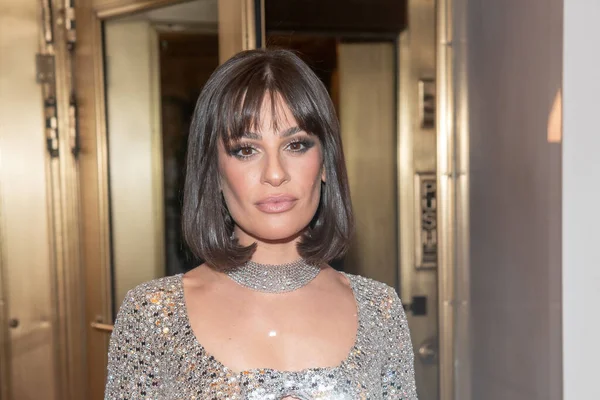
8. Lea Michele and the collapse of the “professional perfectionist” defense
When former Glee colleagues accused Lea Michele of bullying and creating a challenging work environment, the fallout was immediate. An endorsement deal disappeared, and the allegations recast long-running rumors about difficult behavior in a far harsher light. This kind of controversy landed differently from older Hollywood feuds because it emerged in an era when workplace conduct could directly threaten commercial partnerships. Michele’s later Broadway success showed that careers can continue after reputational damage, but not without a permanent change in how the public reads the star persona.
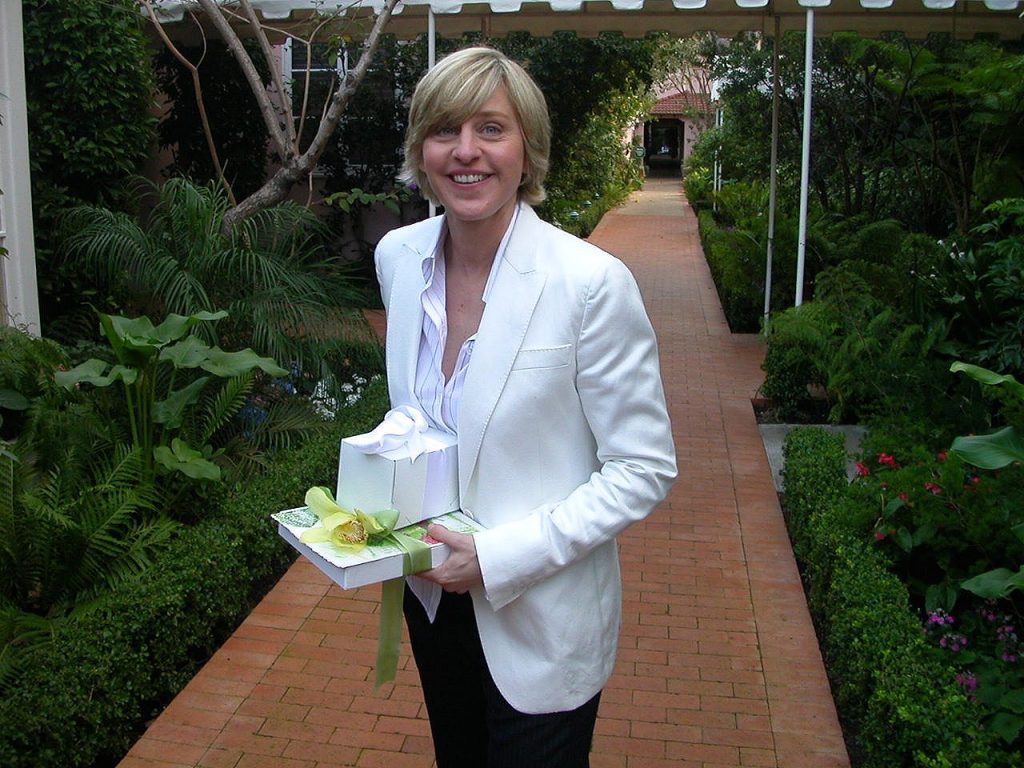
9. Ellen DeGeneres and the persona gap that rattled audiences
Ellen DeGeneres was not framed for years as a controversial celebrity or a tabloid magnet. She was framed as kind. That is why allegations from former employees about a toxic workplace hit with unusual force. The controversy exposed one of the most consequential dynamics in modern fame: the wider the gap between brand and reported behavior, the faster public trust can collapse. For audiences, the issue was not simply allegations of inappropriate behavior. It was the shock of seeing a carefully curated identity stop matching the off-camera accounts.
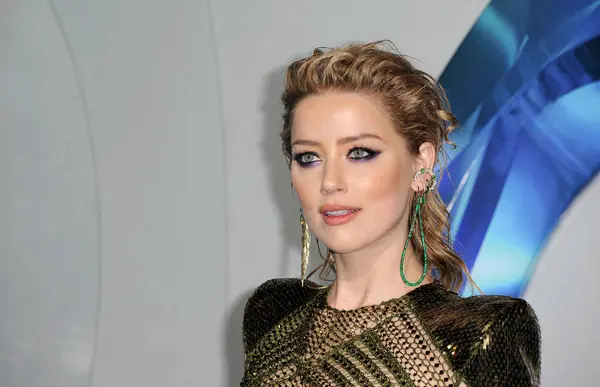
10. Amber Heard and the era of scandal as global spectator event
Amber Heard’s legal battle with Johnny Depp turned celebrity controversy into a live, worldwide referendum. The trial was not merely covered; it was consumed, clipped, memed, and argued over in real time across platforms. That scale matters. Earlier actresses might have faced tabloids, gossip columns, or late-night ridicule, but Heard faced a digital ecosystem that transformed litigation into participatory entertainment. Her case marked a turning point in how public opinion now forms around celebrity conflict: not slowly, and not privately, but through viral repetition, factional loyalty, and a permanent online archive.
Across decades, the details changed, but the pattern remained recognizable. A scandal could begin with a quote, a courtroom, a casting choice, a feud, or an accusation, then grow into something much larger: a referendum on gender, power, respectability, and who gets a second act. That is why these actresses remain such enduring flashpoints. Their controversies were never only about personal missteps. They became mirrors for the culture watching them.

