
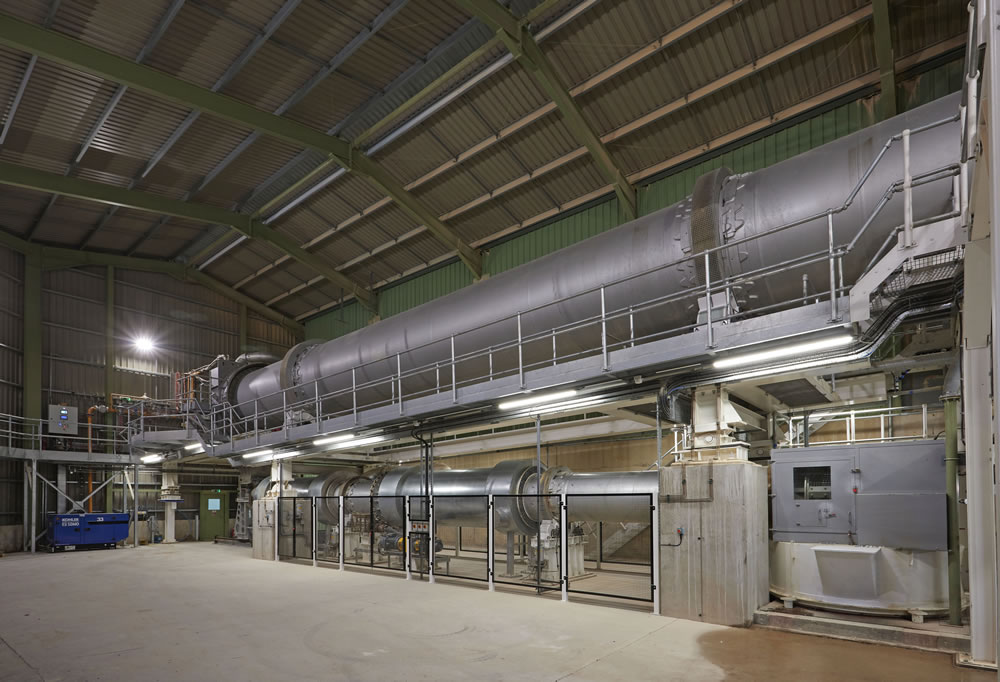
Tyson’s decision to close its Lexington, Nebraska, beef plant and reduce shifts in Amarillo, Texas, has drawn attention to a bigger problem than one company’s balance sheet. The pressure comes from a cattle industry that has been shrinking for years, leaving processors, ranchers, local employers and shoppers exposed in different ways. The layoffs are significant on their own, but they also offer a clear window into how the modern beef business works when cattle are scarce, demand stays firm and recovery moves at the speed of biology.
1. The cattle herd is still unusually small
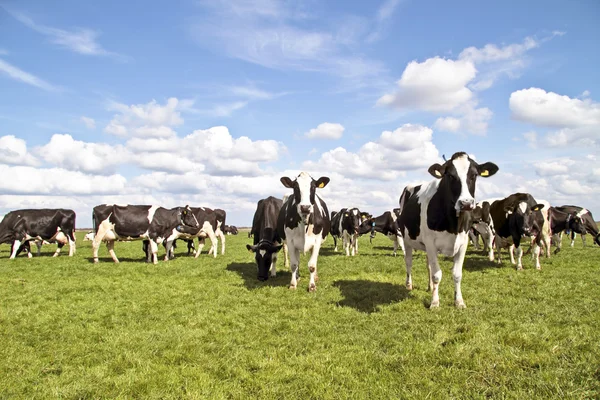
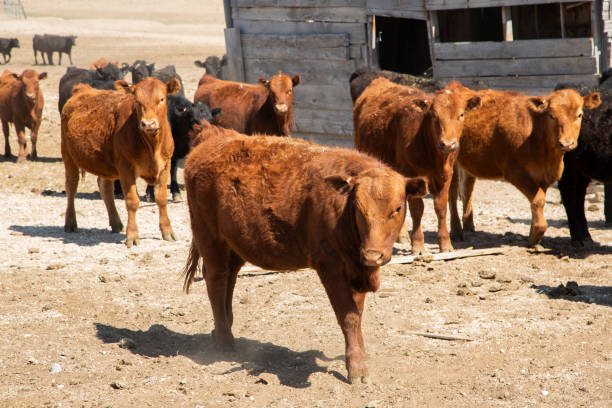
The supply problem did not begin with one plant closure. It has been building through drought, higher feed bills and the sale of breeding animals that would normally be kept to grow future herds. USDA data showed the U.S. cattle inventory fell to 86.7 million head, with beef cows at 27.9 million. Earlier reporting from the Farm Bureau said the national herd had already dropped to its smallest level since 1951. That decline matters because fewer cows today means fewer calves entering the system later, even before weather, labor or financing problems are added.
2. High cattle prices do not guarantee packer profits
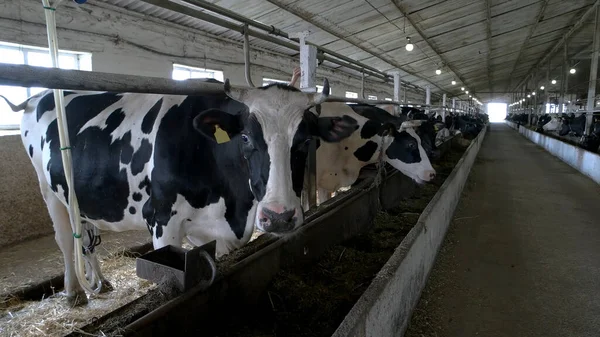
Scarcity tends to reward one part of the supply chain while squeezing another. In a low-herd cycle, ranchers and cow-calf producers can benefit from stronger cattle prices, but processors face the opposite problem: they must pay more for the animals they need while running expensive plants below ideal capacity. Tyson’s beef division recorded $426 million in losses in the 12 months ending Sept. 27, 2025, according to the main report. Economists cited in the reference coverage described beef as a cyclical business in which all segments rarely prosper at the same time. With cattle numbers down, processors are left competing for limited supply while fixed plant costs remain stubbornly high.
3. Plant closures do not always mean an immediate grocery shock
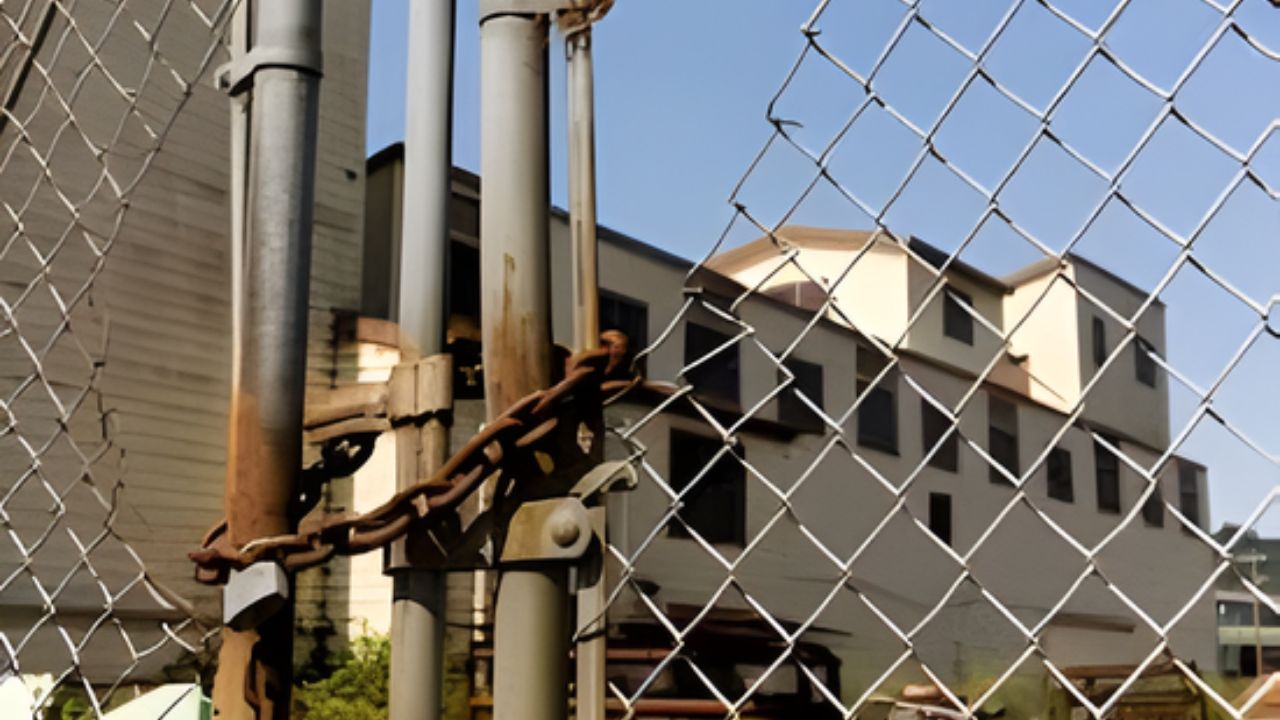
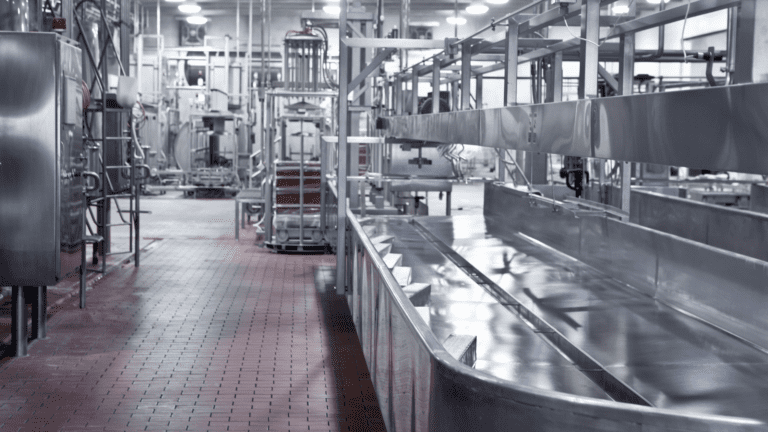
A shutdown sounds like a direct path to even higher prices at the meat case, but the effect is less simple when the industry already has extra processing capacity relative to available cattle. According to reporting from Wisconsin Public Radio, the Tyson changes remove about 7 percent to 9 percent of total beef processing capacity nationwide. Texas A&M livestock economist David Anderson said the cut may not have a major effect on either cattle prices or grocery-store beef prices because plants were already operating below capacity. In other words, the bottleneck is not only plant space. It is the number of animals available to process.

4. Rural communities can lose far more than payroll
Lexington’s case shows why a plant closure can reshape a town, not just a workforce. The facility employed about 3,200 people in a community of roughly 11,500, making it the area’s dominant employer and a major force behind local spending, housing demand and business activity. A University of Nebraska analysis estimated the closure could cause $3.283 billion in annual statewide economic impact losses, including direct and multiplier effects. The same analysis projected 7,003 jobs affected across the broader economy and sharp declines in tax revenue. That scale helps explain why plant decisions in cattle country are often felt by schools, retailers, landlords, trucking firms and health services long after the last shift ends.
5. Rebuilding the herd is slow even when profits look attractive
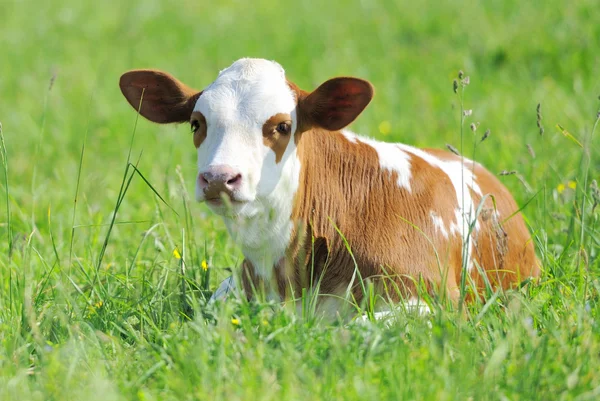
Strong cattle prices can suggest a quick comeback. The production cycle says otherwise. Industry analysts have repeatedly pointed to the same barrier: time. A heifer retained today does not become near-term relief for processors or consumers. Patrick Linnell of CattleFax described the rebuild as slow and cautious, shaped by aging operators, labor shortages, high interest rates, urban sprawl and memories of drought.
He also said, “Whether somebody’s looking at retaining that heifer calf or selling her, honestly, it’s hard to argue with either decision.” That hesitation shows up in the numbers. Replacement heifers have not increased enough to signal a full rebuilding phase, and economists cited in the source material said tighter supplies can persist even before producers begin seriously holding animals back for breeding.
6. The industry is producing more beef from fewer animals
One reason store shelves have not emptied is that the beef system has become more efficient. Heavier carcass weights and long-term genetic gains have allowed the industry to produce more beef per animal than in earlier cycles. Linnell said, “We’ve been able to just produce more with less, too.” Farm Bureau analysis noted record high average dressed weights helped keep more beef moving through the system even as inventories fell. That efficiency has softened some of the immediate supply pressure, but it has not eliminated the underlying shortage of breeding stock.

7. Beef demand has stayed resilient even as prices climb
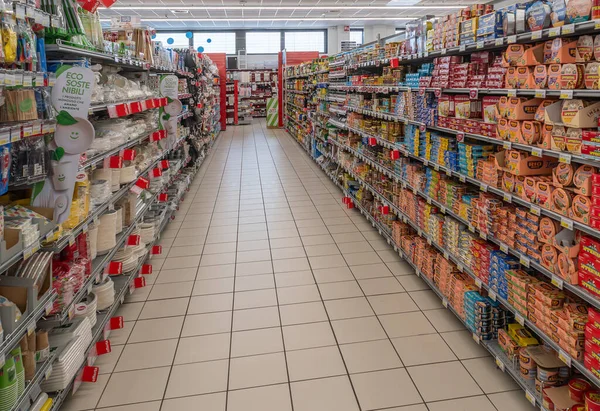
The supply story explains only part of the tension. Demand has remained strong enough to support elevated retail prices, which means the industry is dealing with both scarcity and a consumer base that has kept buying. Reference reporting said per capita beef consumption rose to its highest level since around 2010 at just over 59 pounds per person, while retail prices hovered near $9.50 a pound. The main article also noted average retail beef prices rising from $8.51 per pound in August 2024 to $9.85 a year later.
That combination keeps revenue flowing, but it also leaves less room for shoppers, restaurants and processors to absorb another round of strain. The Tyson cuts are not just a story about layoffs. They capture the mechanics of a beef economy under pressure: too few cattle, expensive operating costs, a slow herd rebuild and communities that depend heavily on a single plant. For readers trying to make sense of rising beef prices and rural job losses at the same time, the answer is that both can happen together. In a tight cattle cycle, scarcity does not spread pain evenly.

