
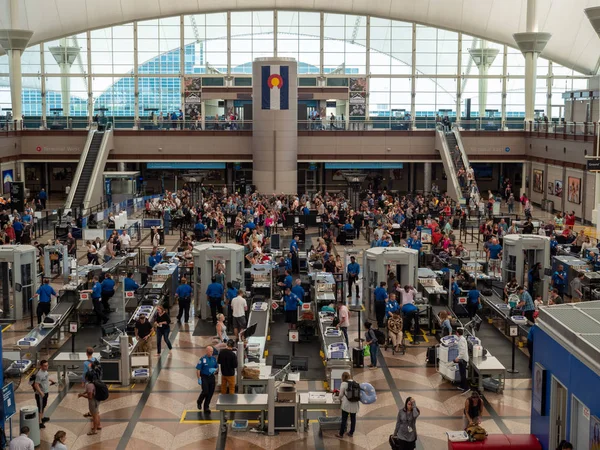
Airport security backups are not always caused by long passenger volume alone. Many slowdowns start with small, familiar habits: a laptop buried under clothing, a quart bag of liquids packed somewhere unreachable, or a traveler arriving at the belt before doing any prep at all.
The Transportation Security Administration says it screens approximately 3.3 million carry-on bags daily, which means even minor delays multiply fast. These are the airport security habits that quietly jam the line, add extra screening, and make a rushed checkpoint feel even slower.

1. Keeping ID and boarding information buried in a bag
A checkpoint starts moving slowly when travelers reach the front and begin searching for documents. IDs, boarding passes, and passports for international trips work best when they are already in hand or in an outer pocket. A last second rummage holds up document checks and creates a ripple behind every person waiting.
2. Waiting until the conveyor belt to get organized
One of the most common line stalling habits is using the belt area as a packing station. Shoes, belts, jackets, phones, and pocket items can often be handled before reaching the bins. Travelers who wait until the last possible moment force everyone behind them to pause while they sort out basics that could have been handled a few steps earlier.
3. Packing liquids without following the 3-1-1 rule
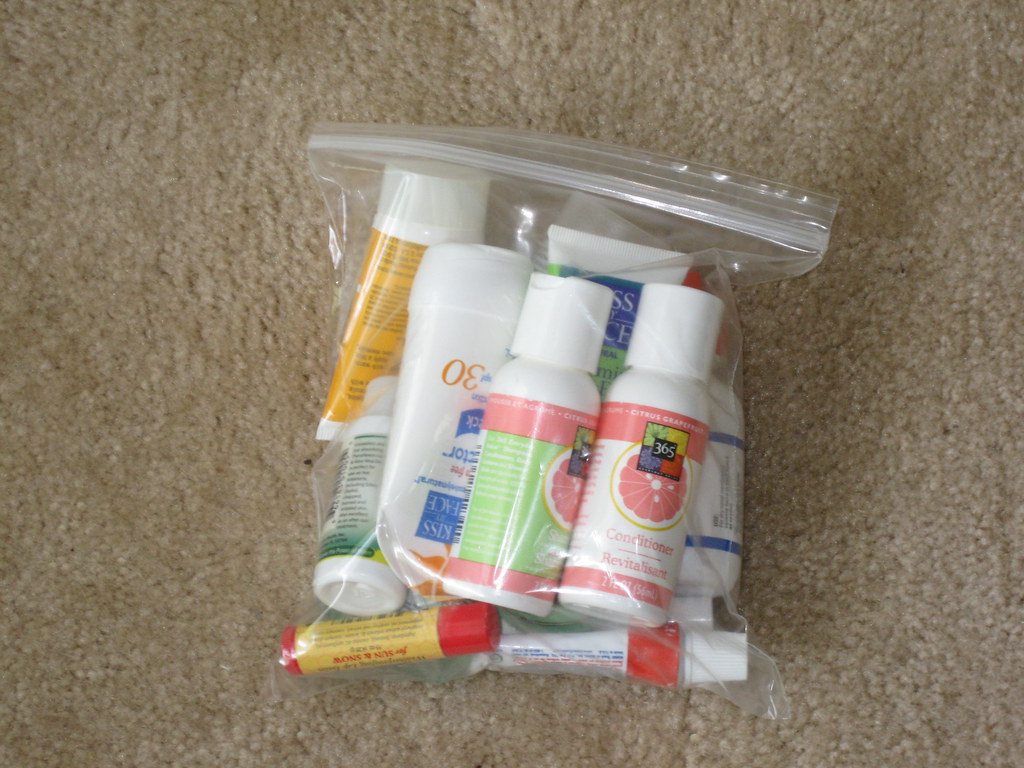
Liquids remain one of the easiest ways to trigger delays. TSA allows 3.4 ounce containers in one quart sized bag for carry on screening, and anything outside that standard can lead to extra checks, disposal, or repacking at the checkpoint. When that happens, the delay rarely affects one person alone.
4. Burying laptops and large electronics under everything else
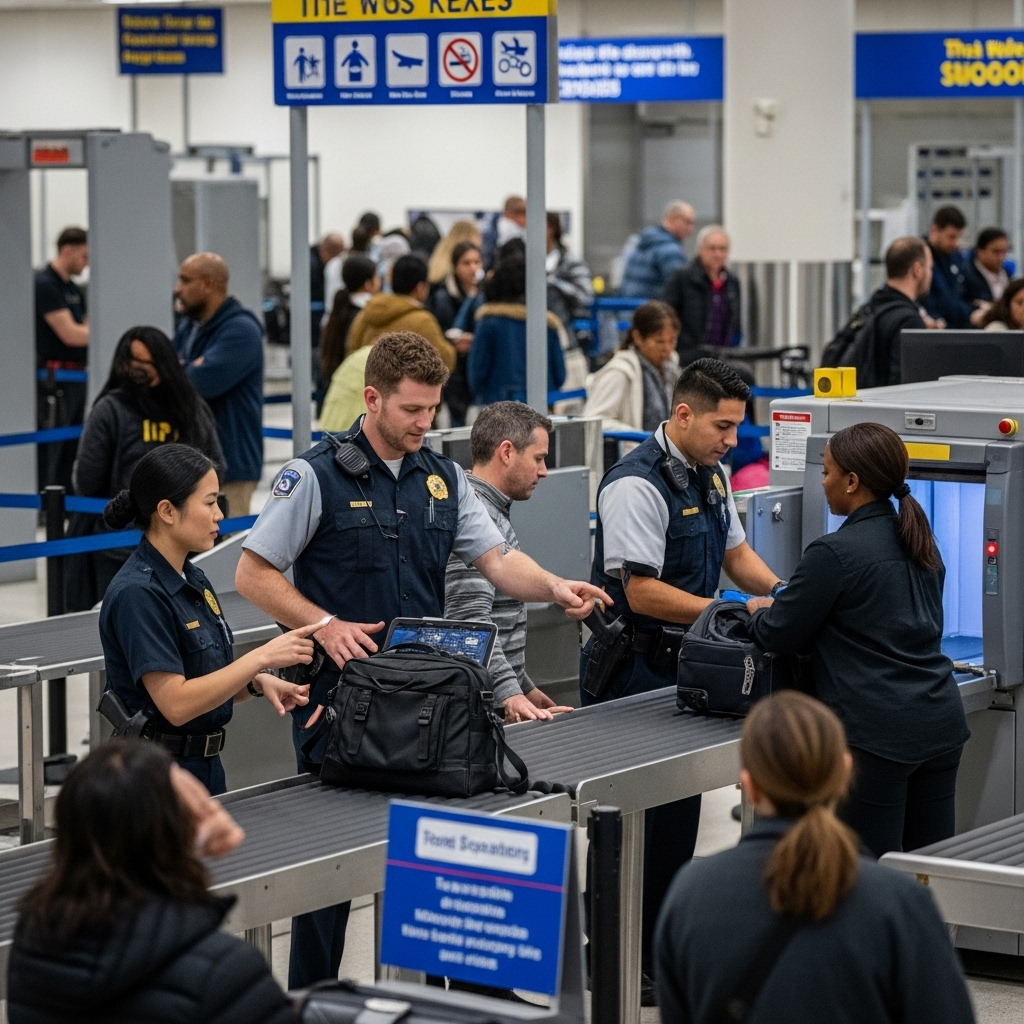
In standard lanes, personal electronics larger than a cell phone are often screened separately. TSA notes that laptops, tablets, e-readers, and handheld game consoles may need to come out of the bag, so packing them where they are easy to reach matters. Digging through a crowded carry on at the X-ray belt turns a routine step into a traffic jam.
5. Overstuffing carry-ons until X-ray images become harder to clear
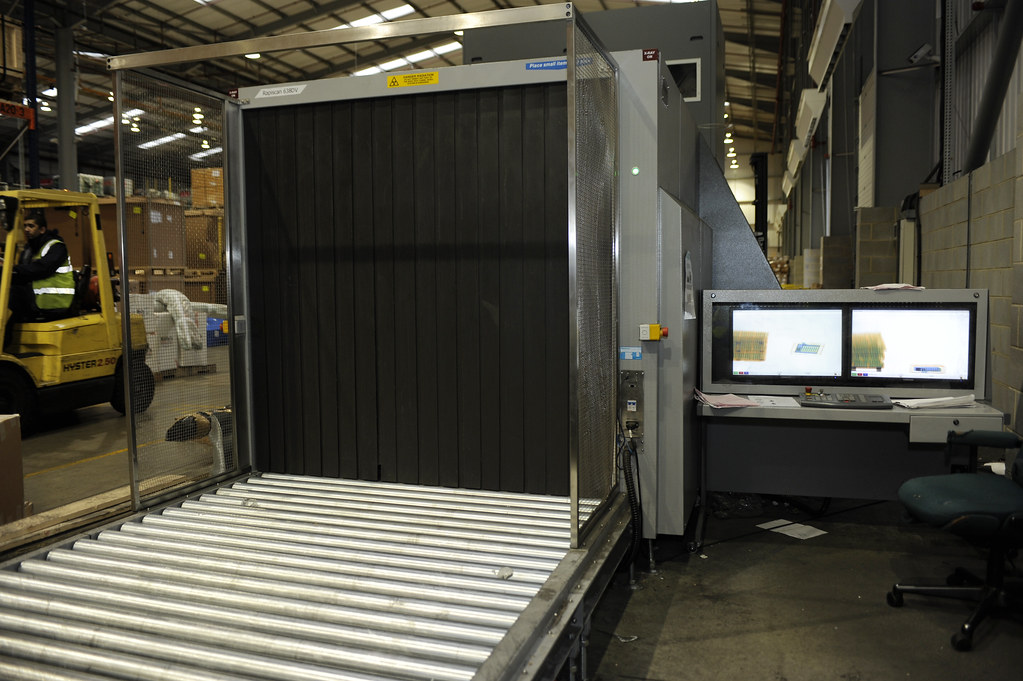
A tightly packed bag can look efficient in the terminal and still slow the checkpoint. TSA advises travelers to keep bags organized because cluttered, jam packed luggage can obstruct clear X-ray images and require officers to take a closer look. Dense packing also makes it harder to remove electronics, liquids, powders, and other items that may need separate screening. One messy bag can stop the flow while bins pile up and the line stalls behind it. The problem is not only what is packed, but how it is packed. Layered packing and accessible essentials reduce the odds of a manual search and keep the belt moving.
6. Wearing clothing and accessories that require extra handling
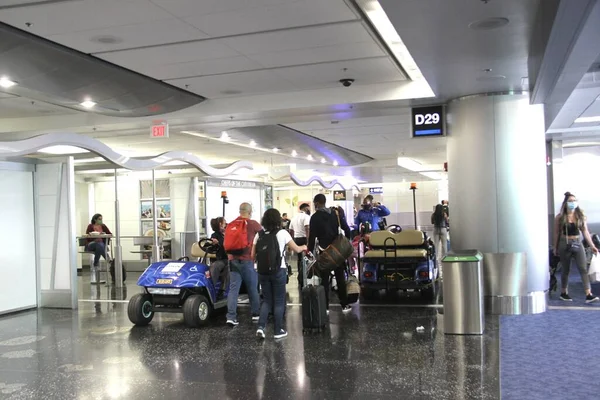
Security lines often slow when travelers arrive in hard to remove shoes, bulky outerwear, or metal-heavy accessories. In standard screening, that can mean extra time at the bins and a greater chance of alarms. TSA also notes that light outer garments and bulky clothing can require removal or additional screening in advanced imaging lanes.

7. Forgetting to empty pockets before screening
Keys, phones, loose coins, and money clips are small items that create outsized delays. When a scanner alarms, the process pauses for re-checks or additional screening. Empty pockets before stepping forward, and the process becomes much less stop and start.

8. Bringing prohibited items and hoping they pass unnoticed
Some of the longest individual delays begin with an item that should never have been in the bag. TSA says prohibited items in carry ons can trigger an alarm, and then an officer has to open the luggage to resolve it. Travelers can check uncertain items with the agency’s “What Can I Bring?” list before leaving home instead of discovering the answer in the middle of the line.
9. Ignoring checkpoint instructions because another airport did it differently
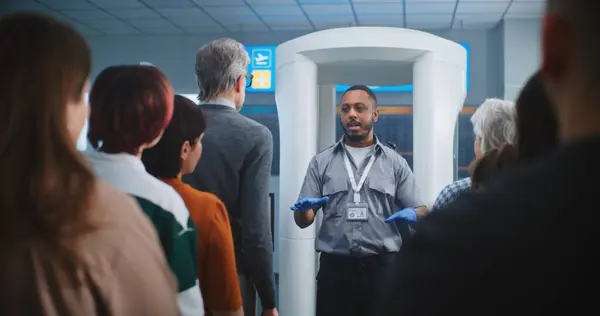
Travelers often assume every airport lane works the same way. It does not. Officers may direct passengers to separate certain foods, powders, or electronics depending on the equipment and screening setup in use, and ignoring those instructions usually means repeating steps. Listening in real time prevents avoidable rework.
10. Showing up late and trying to rush the process
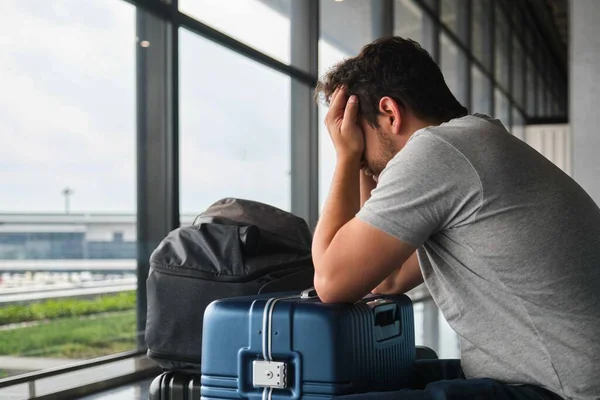
Late arrivals can create a different kind of bottleneck. A rushed traveler is more likely to forget pocket items, mishandle bins, argue over procedure, or scramble at the belt. TSA guidance has long emphasized arriving early, especially during heavy travel periods and on international itineraries, because pressure tends to create mistakes that slow screening for everyone.
Most checkpoint delays do not begin with dramatic problems. They begin with ordinary travel habits that seem harmless until they are repeated hundreds or thousands of times a day. A smoother line usually comes down to preparation: accessible documents, a less cluttered bag, liquids packed correctly, and attention to the instructions in front of the scanner. At an airport checkpoint, efficiency is rarely about moving faster. It is about needing fewer corrections.

