
Some role-playing games are hard because enemies hit like trucks. Others are hard because the game never tells players what actually matters. That second kind has built a strange legacy of its own: beloved worlds, brilliant systems, and just enough hidden logic to send even experienced players searching for notes, maps, and walkthroughs.
That tension still matters because modern retro-inspired RPGs often try to keep the depth while cutting the old friction. Developers behind newer throwback hits have openly talked about removing the tedium players remember less fondly, a point reflected in the recent revival of retro-style RPGs. The older games below remain compelling for the opposite reason: they ask players to decipher them.
1. The Elder Scrolls III: Morrowind
Morrowind trusts written directions more than interface help, which means quests often depend on reading landmarks carefully and hoping a cave is actually where an NPC described it. Faction relationships can also collide in ways that quietly close off progress. For many players, the real challenge is not combat but interpreting the world correctly. That design helped make Vvardenfell memorable, but it also turned note-taking into part of the experience.
2. Phantasy Star II
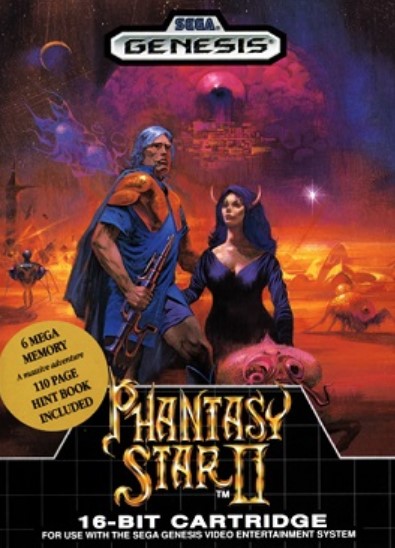
This classic is infamous for sprawling dungeons built from repeating tile sets, multi-level routes, and a steady chance of getting hopelessly turned around. The confusion was so central that early copies originally included a physical map with the game. Without outside help, basic navigation can drain resources before the boss even appears.
3. Shin Megami Tensei III: Nocturne
Nocturne hides enormous power behind systems it barely explains. Demon fusion inheritance, Magatama resistances, and boss gimmicks all punish casual experimentation. A strong party can become weak through a few bad decisions, and the hidden route asks players to clear optional labyrinths with strict conditions. It is one of the clearest examples of an RPG expecting players to learn through failure and research.
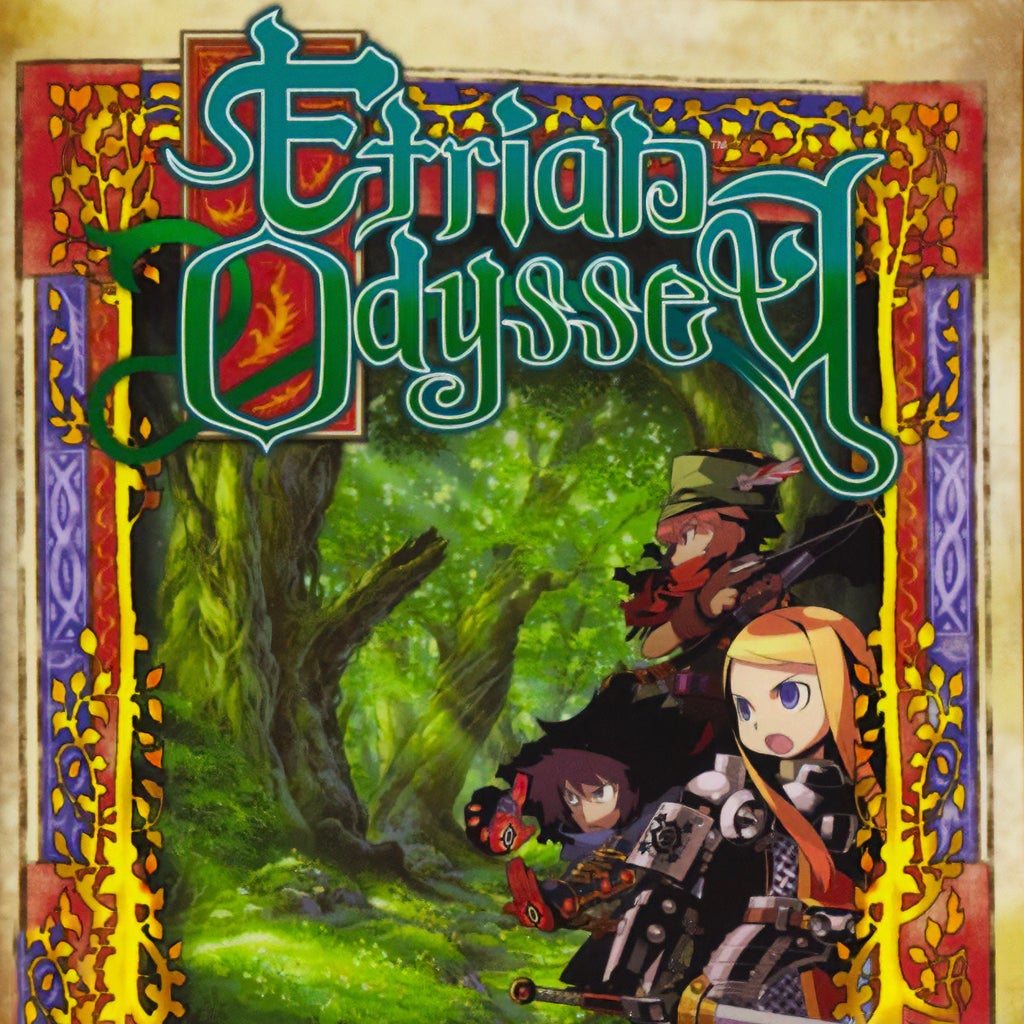
4. Etrian Odyssey
Few RPGs make mapping feel this literal. Players are expected to chart floors, mark hazards, and learn the movement patterns of FOEs that can wipe a team long before a proper boss fight. Skill planning matters just as much as navigation, since a bad build can waste hours. It revived old-school dungeon design and also revived the old habit of keeping reference material close.
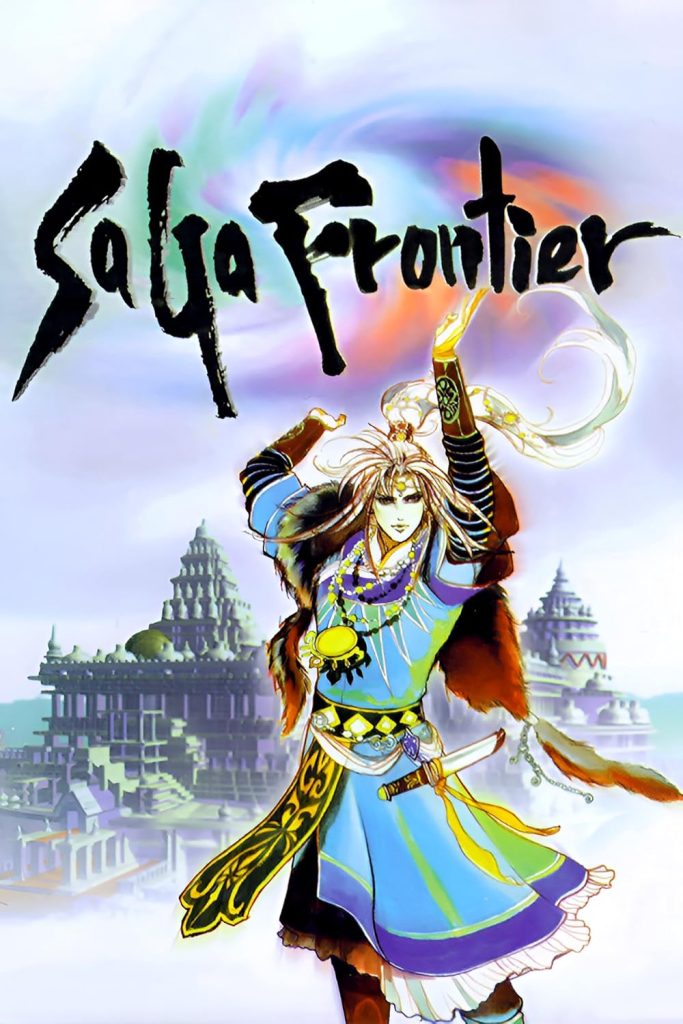
5. SaGa Frontier
SaGa Frontier gives players seven protagonists and very little guidance on how its event flags actually behave. Visit towns in the wrong order and recruitments or quests may never happen. The growth system adds another layer of uncertainty because techniques appear through sparks rather than predictable level-ups. Its freedom is real, but so is the risk of wandering into dead ends with no warning.
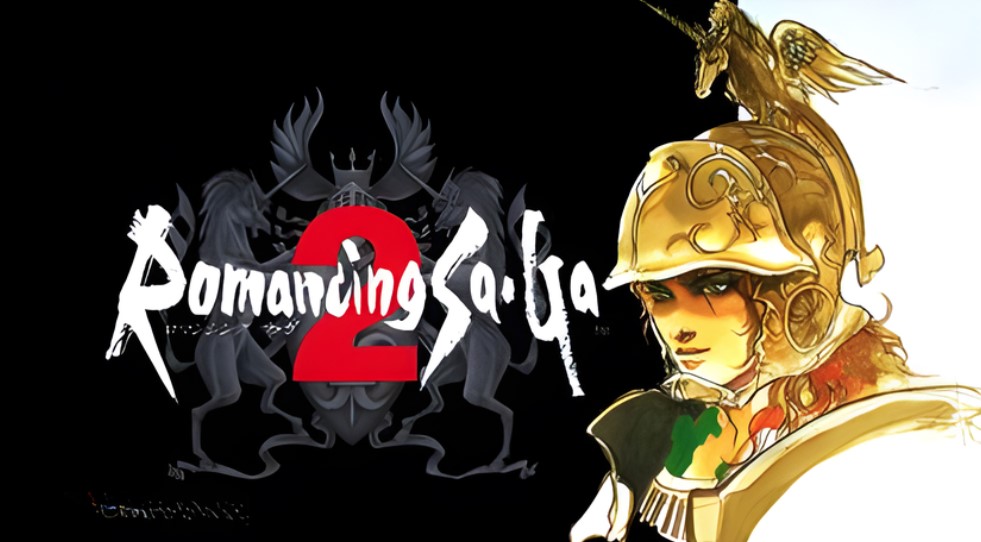
6. Romancing SaGa 2
This game turns long-term planning into the real puzzle. Time advances through actions, generations pass, and entire opportunities disappear if the empire develops in the wrong rhythm. Weapon choices, formations, and obscure artifacts all feed into endgame success. It is less about one difficult fight than a chain of opaque decisions spreading across an entire campaign.
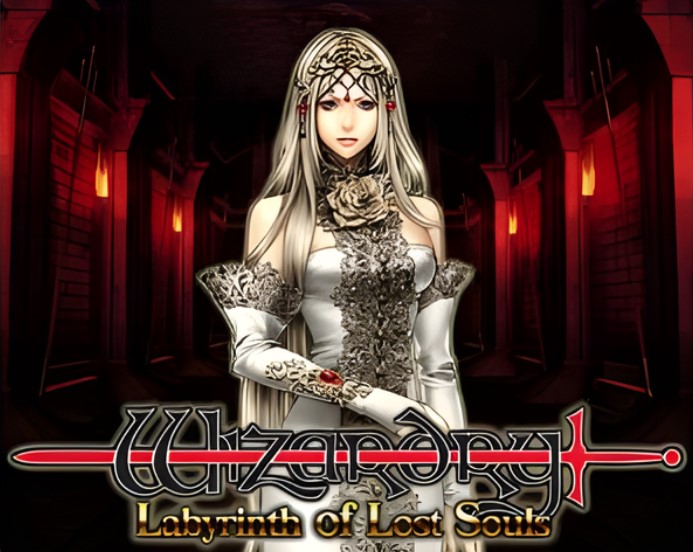
7. Wizardry
Wizardry helped define the old-school dungeon crawl, and it did so without much mercy. Players had to map floors by hand, remember coded spell names, and survive traps that could scramble orientation or wipe out a party permanently. The lack of modern explanation is the point. It remains one of the purest examples of a game that assumes preparation outside the screen.
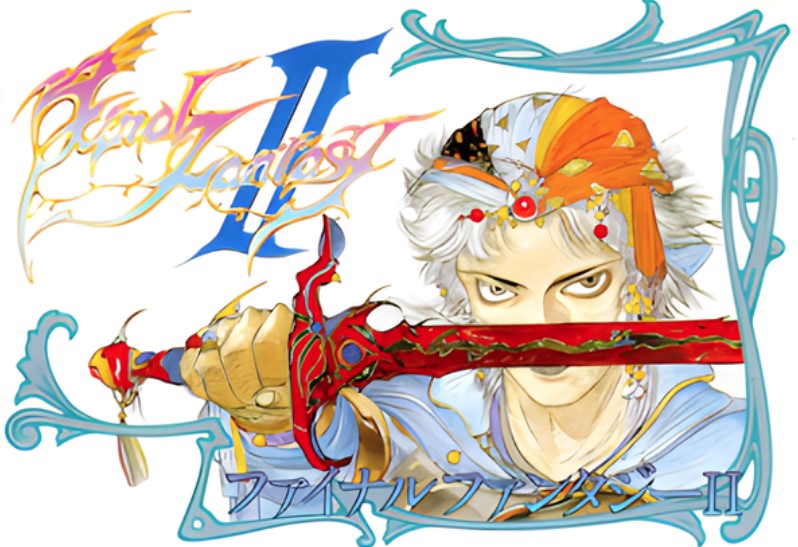
8. Final Fantasy II
Instead of normal experience gains, stats rise based on actions taken in battle. That sounds flexible until party growth turns lopsided and fragile because training was handled poorly. Add missable gear and an overworld that opens up faster than the guidance does, and the result is a game many players finish only after learning what not to do from someone else first.
9. Vagrant Story
Vagrant Story hides its logic in affinities, materials, enemy classes, and crafting chains that feel almost deliberately unreadable at first. Level alone means very little if a weapon is tuned for the wrong enemy type. The deeper players go, the more it becomes clear that the real system is not the one shown on the surface. That reputation has only grown over time.
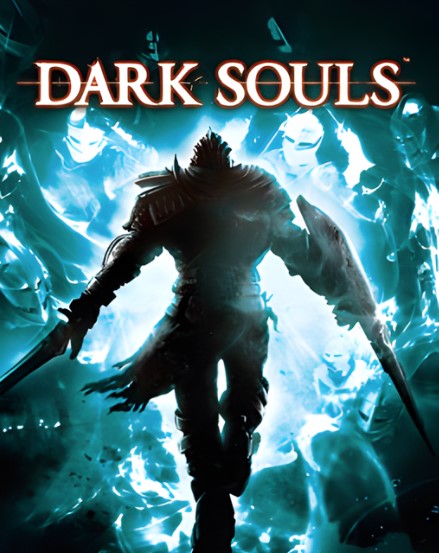
10. Dark Souls
Dark Souls is remembered for combat, but its guide-heavy reputation often comes from everything around the combat. NPC questlines depend on exact timing and unusual encounters, key paths can be missed, and essential systems are explained sparingly. Community documentation became part of the game’s long life, especially as players tried to unravel characters who move between locations without warning.
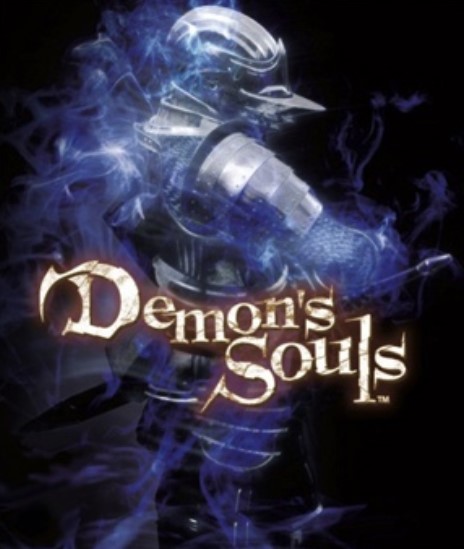
11. Demon’s Souls
World tendency remains one of the most notorious hidden systems in modern RPG history. Enemy strength, loot, and access to events can all shift based on actions the game barely clarifies. Upgrade paths are similarly picky, with rare materials tied to narrow conditions. Players are not just fighting monsters here; they are trying to decode the rules.
12. Path of Exile
Its passive tree alone can overwhelm new players before the first major act is over. Then the game adds crafting currencies, affix logic, league mechanics, atlas strategy, and build planning that often begins outside the client. Path of Exile is popular partly because of that depth, but it also normalized the idea that a browser tab is almost part of the interface.
13. Divinity: Original Sin 2
This one looks more readable than many older RPGs, yet it still traps players with branching quests, race-specific interactions, and party builds that pay off only when planned well in advance. Environmental creativity is a strength, but it can also break objectives in unexpected ways. Many players can finish it blind, though far fewer see everything cleanly without help.
14. Disco Elysium
Disco Elysium turns small interactions into major gates. Clothing changes, thought choices, hidden passive checks, and time movement can all open or close leads with very little fanfare. Its design is more literary than mechanical on the surface, but it still rewards the kind of careful tracking that guide users know well. Missing a detail can mean missing an entirely different angle on the case.
15. Kingdom Come: Deliverance
Its medieval simulation layers survival needs, reputation shifts, skill friction, and timed quests into a world that rarely pauses for confusion. Reading, alchemy, and lockpicking each demand their own learning curve. Even routine errands can collapse if the player arrives too late or lacks the right preparation. The realism gives the game weight, but it also makes foreknowledge valuable.
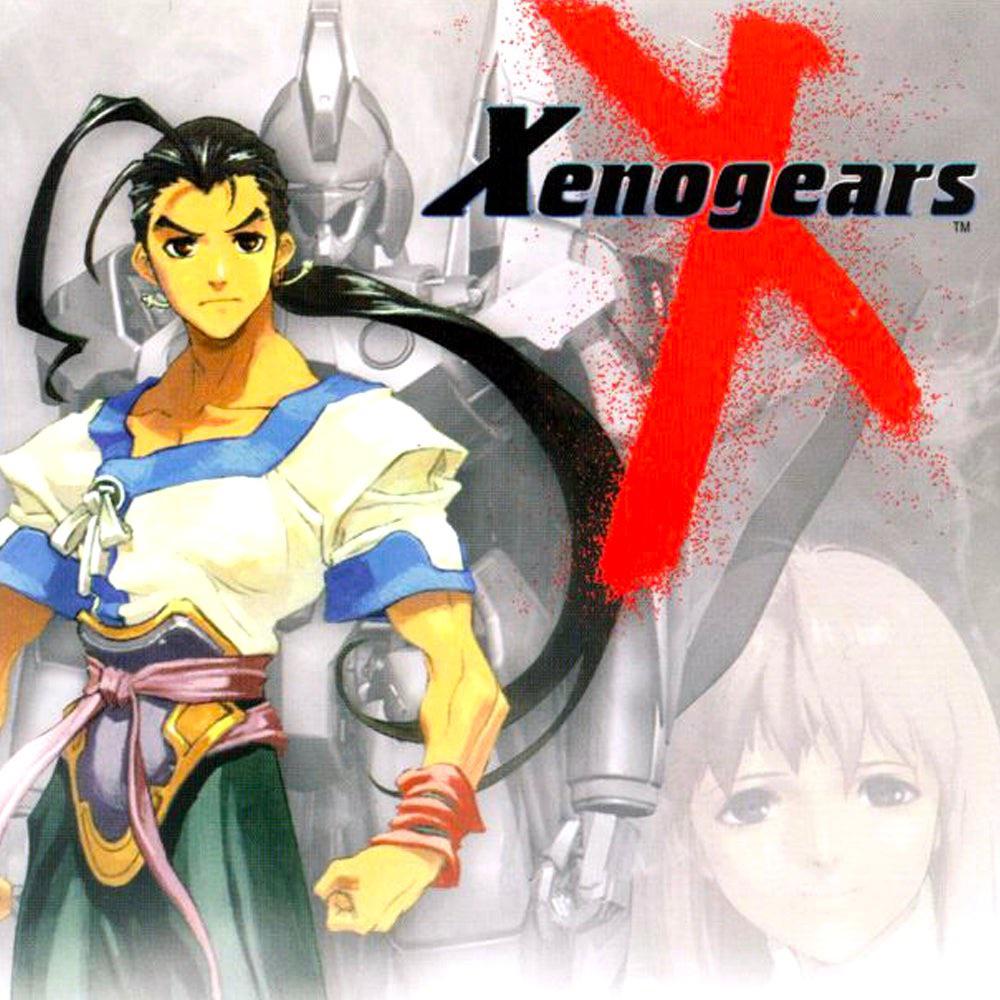
16. Xenogears
Xenogears asks players to manage separate systems for on-foot battles and Gear combat while also hiding meaningful upgrades and optional content behind ordinary NPC conversations. Some dungeon sequences sprawl across multiple rooms and floors with limited clarity. By late game, preparation matters enough that missing the right equipment can create serious friction.
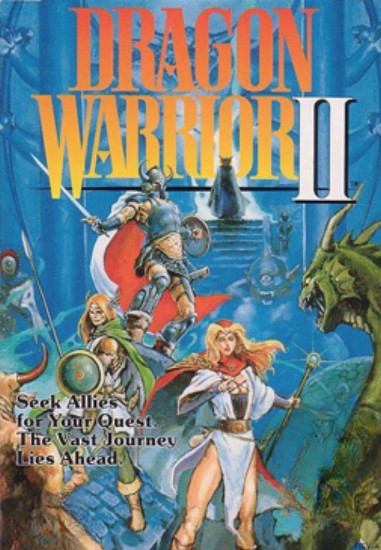
17. Dragon Quest II
Early console limitations are all over this one. Quest objectives can feel vague, the world map is broad, and the endgame asks for exact preparation before a punishing final stretch. It became one of the genre’s classic examples of how older RPGs often relied on manuals, magazines, and shared community knowledge to smooth over what the game itself did not communicate.
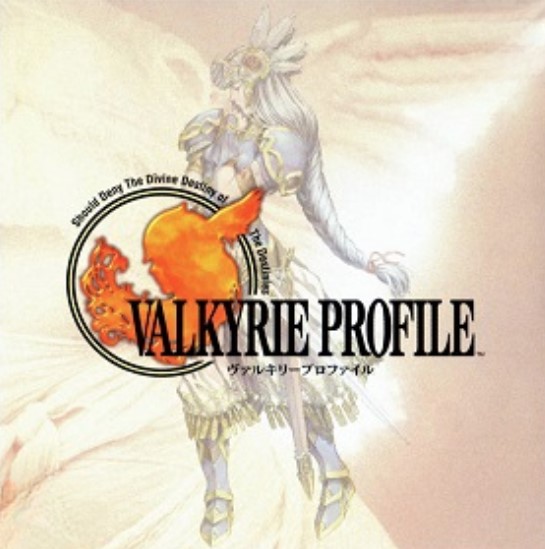
18. Valkyrie Profile
Getting the best ending is less a reward for strong play than for knowing hidden requirements in advance. Seal values, event timing, and route management all operate beneath the surface. A first run can be excellent and still miss the conclusion many players consider essential. Few RPGs make outside planning feel so closely tied to seeing the full story.
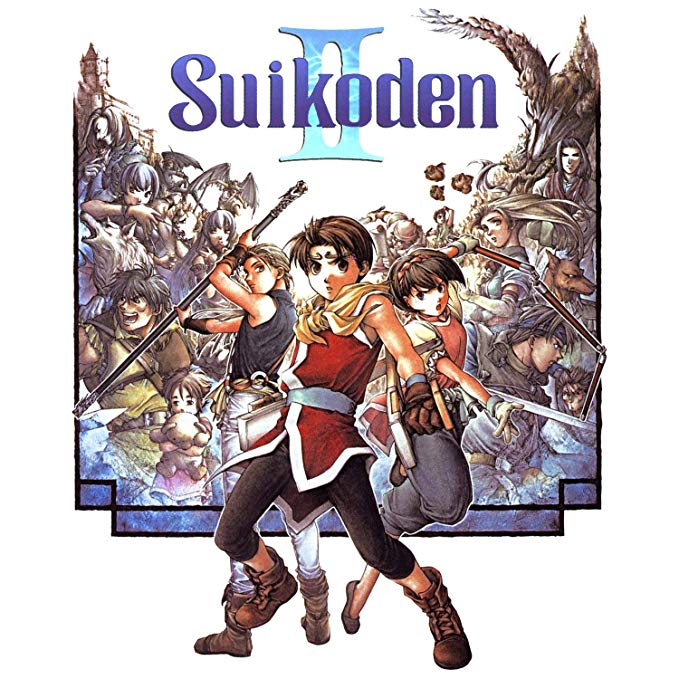
19. Suikoden II
Recruiting all 108 Stars of Destiny is where the guide usually comes out. Some characters only join during narrow windows or after specific choices, and missing even one can affect the best ending. The core story remains approachable, which makes its completionist side more deceptive. It looks generous until one missed conversation says otherwise.

20. EarthBound
EarthBound presents itself with warmth and humor, then slips in progress checks that feel almost surreal without prior knowledge. One famous segment requires players to stand still for three real minutes. It originally shipped with a strategy guide, which says plenty about how its stranger ideas were meant to be navigated.
The through line in all of these games is not simple difficulty. It is opacity. Some hide quests behind timing, some bury power inside unexplained math, and some confuse players with navigation that borders on ritual. That design style still has an audience, but modern RPG creators often try to separate mystery from annoyance. These older titles remain fascinating because they never made that separation. For many players, the guide was not a backup plan. It was part of the genre.

