
Hollywood has long rewarded reinvention, but it has also made room for performers who openly tie their public image to religion, conservative social values, or “traditional” family messaging. In many cases, the real flashpoint has not been a single quote. It has been the collision between personal belief, brand identity, and an entertainment business that increasingly treats representation as part of the product.
That tension has been especially visible among actresses whose comments, affiliations, or career choices have been read as resistance to LGBTQ+ inclusion. Some built those reputations through interviews and activism. Others did it by joining media platforms that openly emphasize heterosexual romance and faith-centered storytelling.
1. Candace Cameron Bure and the “traditional marriage” network divide
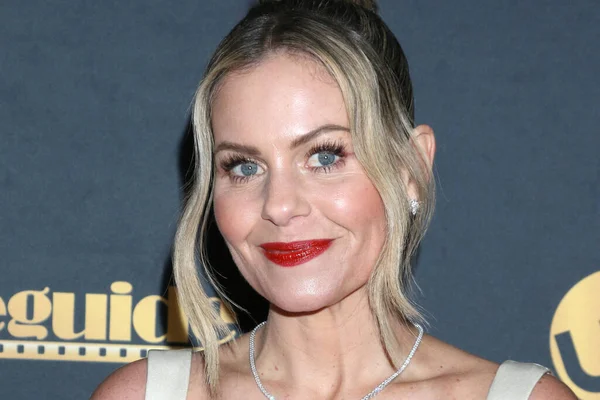
Candace Cameron Bure became a central figure in this debate when she moved into a leadership and starring role at Great American Family, a channel tied to explicitly traditional holiday and family programming. The controversy grew after her remarks about keeping faith-centered public identity at the core of her work aligned with the network’s stated emphasis on traditional marriage. For many viewers, the issue was bigger than one actress changing employers. It marked a visible split in made-for-TV entertainment, where casting and romance plots had become shorthand for cultural values.
2. Patricia Heaton and the influence of religious advocacy
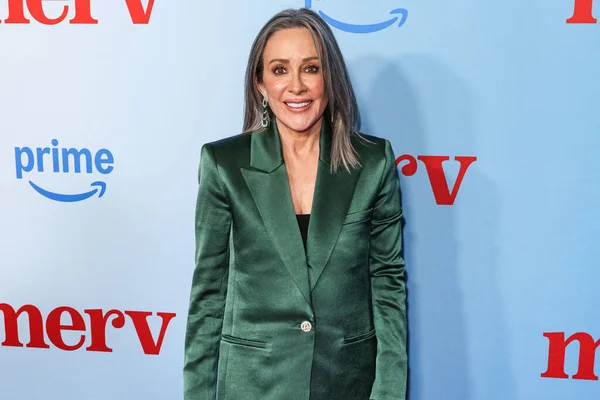
Patricia Heaton’s screen reputation was built on mainstream sitcom success, but her off-screen profile has long included Catholic advocacy and public support for organizations centered on religious freedom and conventional family frameworks. Her position has drawn attention because it reflects a familiar Hollywood pattern: artists who stay in broad family entertainment while signaling that faith shapes the boundaries of what they publicly support. The career effect is less about cancellation than classification. Once an actress is read through that lens, every affiliation is interpreted as part of a larger worldview.
3. Stacey Dash and the culture-war version of celebrity commentary
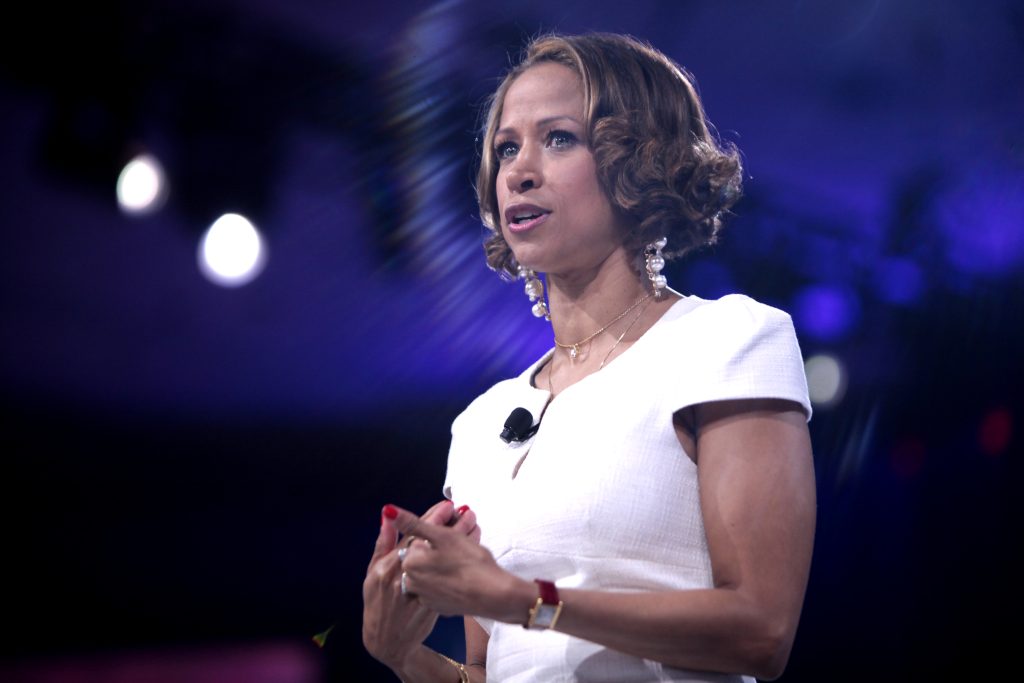
Stacey Dash moved from teen-movie recognition into punditry, where her statements on gender identity and social issues often overshadowed her acting credits. That shift matters because it shows how quickly an actress can stop being discussed as a performer and start being treated as a political symbol. In entertainment culture, repeated commentary on social identity tends to harden public perception more than any single role ever could.
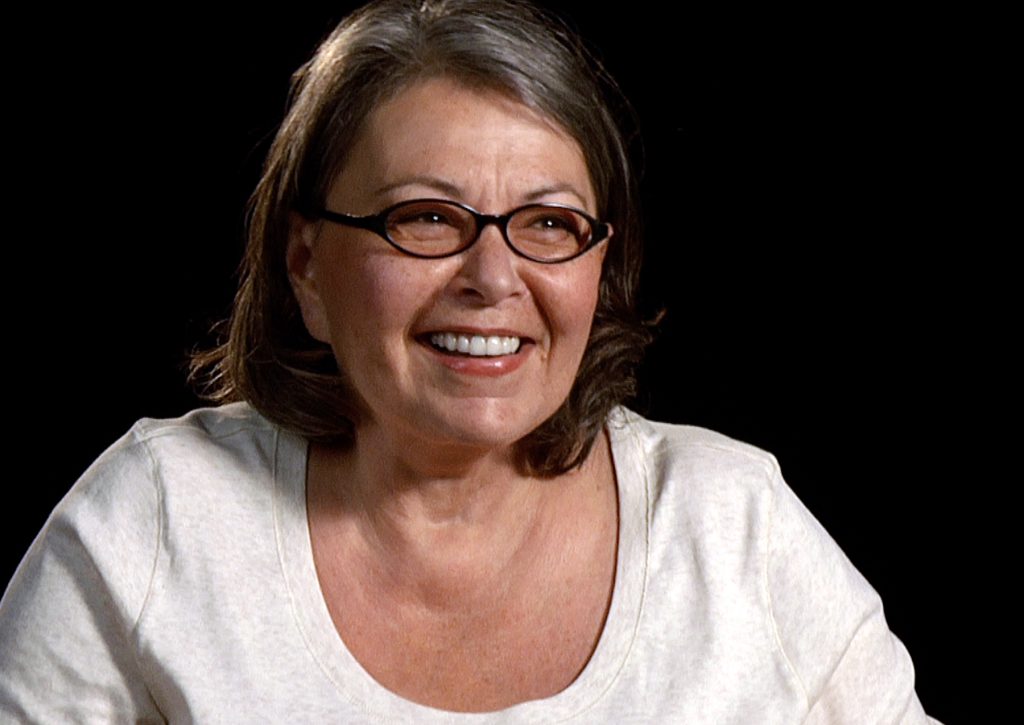
4. Roseanne Barr and the cost of provocation
Roseanne Barr’s career offers a different model: a major star whose public persona became inseparable from combative commentary on culture, identity, and social change. Her controversies were not limited to LGBTQ+ topics, but debates around gender and modern activism became part of the broader backlash surrounding her. The professional consequences were substantial, showing how a performer’s public voice can overwhelm decades of television history. That pattern is not unusual in celebrity culture.
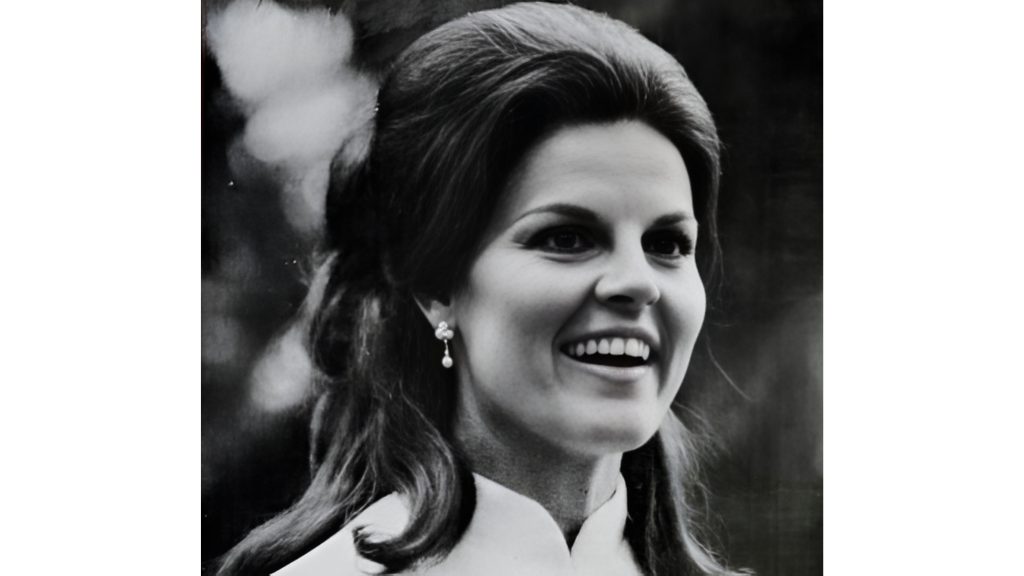
5. Anita Bryant and the blueprint for entertainment backlash
Before many of today’s culture-war disputes, Anita Bryant had already become one of the clearest examples of how anti-LGBTQ+ activism could remake an entertainment career. She led celebrity activism beyond the screen, but in a direction that placed her against gay-rights protections. The result was lasting reputational change. Her name remains part of the historical vocabulary of show business conflict, where fame can amplify a cause and permanently fuse it to a public image.
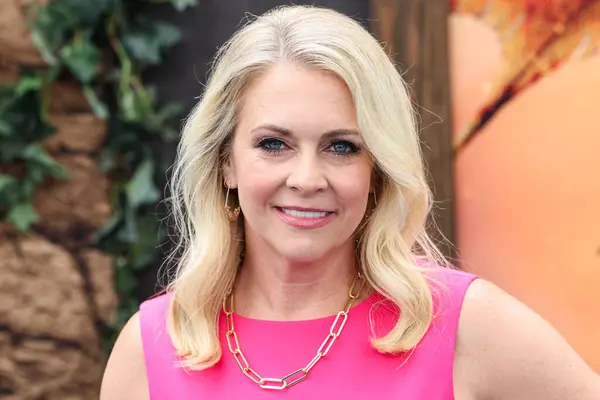
6. Melissa Joan Hart and the quieter version of traditional branding
Melissa Joan Hart has not cultivated the same level of confrontation as some others on this list, yet her public identity has still leaned toward conservative and faith-oriented entertainment spaces. That distinction matters. In Hollywood, not every controversy comes from blunt rhetoric; sometimes it comes from a gradual pattern of affiliations, film choices, and values-driven messaging that audiences interpret for themselves.
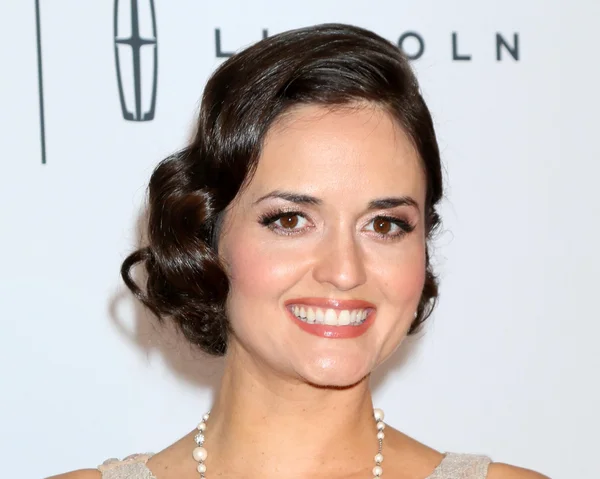
7. The Great American Family cluster: Jen Lilley, Danica McKellar, Jill Wagner, and Lori Loughlin
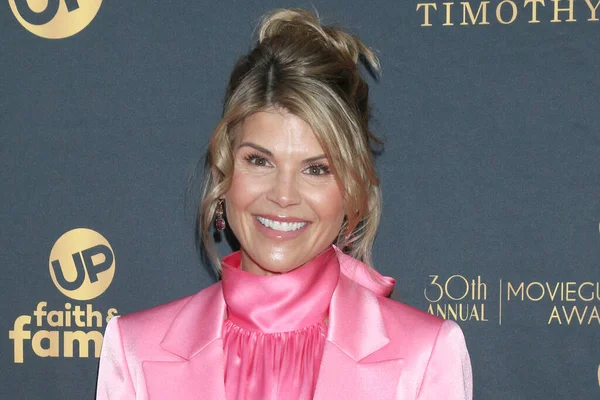
A notable shift in recent years has been the migration of several familiar television actresses toward Great American Family, including Jen Lilley, Danica McKellar, Jill Wagner, and Lori Loughlin. The network has been widely associated with career choices shaped by religious convictions and traditional romance narratives. That does not make every performer on the channel an activist, but it does place them inside a media ecosystem with a clearly read cultural identity. For audiences, the network itself has become the message, and the actresses attached to it are often discussed through that frame whether they make direct statements or not.
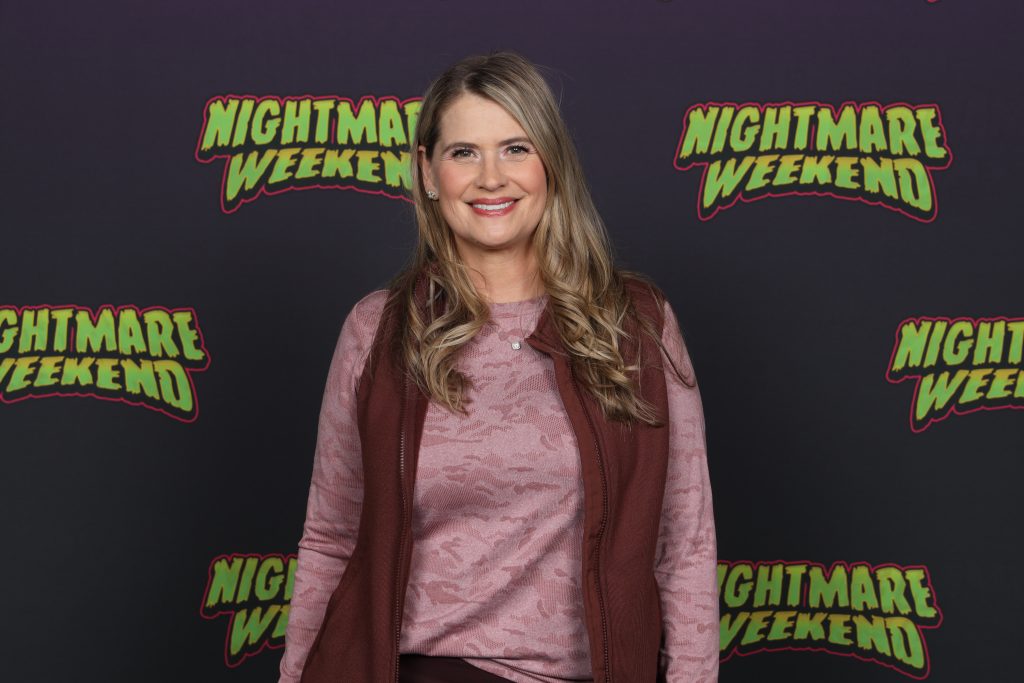
8. Kristy Swanson and the social media amplifier
Kristy Swanson’s example shows how social platforms changed the stakes. A performer who once might have been known mainly for a cult-favorite role can now become a daily participant in ideological debates. Social media erased the old separation between celebrity image and celebrity opinion, turning every post into a branding decision and every reaction into a public referendum.
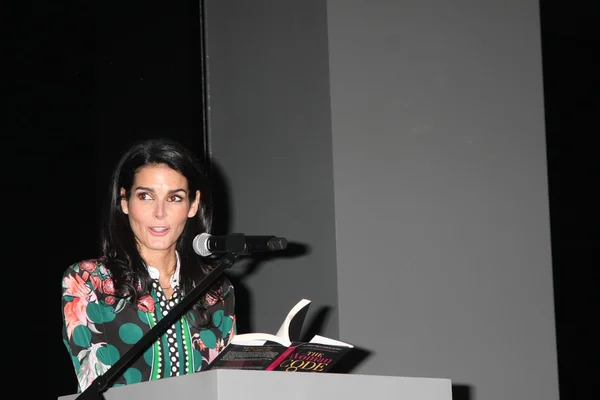
9. Angie Harmon and the faith-forward public persona
Angie Harmon has often been described as guided by faith and traditional values, and that framing has shaped how fans interpret her public associations. Her case underscores a broader entertainment truth: belief itself is not unusual in Hollywood, but belief that is openly attached to contested social issues becomes part of a celebrity’s market identity. Once that happens, interviews, appearances, and project choices all carry extra symbolic weight.

10. Why the backlash keeps recurring
The deeper story is not only about individual actresses. It is about an industry that sells identity as much as performance, and about stars who choose to connect their careers to religion, family values, or older cultural norms. Some celebrities in entertainment openly describe art and belief as inseparable; Rainn Wilson, for example, said “the arts are the same as worship”. That idea does not explain anti-LGBTQ+ positions, but it helps explain why belief-driven career decisions can become so visible.
In Hollywood, values are rarely treated as private once they shape casting choices, partnerships, and the stories a star agrees to help sell. What remains consistent across these careers is that the strongest reaction usually comes when private conviction turns into public programming, activism, or commentary. At that point, audiences are no longer evaluating only talent. They are evaluating the worldview attached to it. That is why these actresses continue to draw attention well beyond their filmographies.

