
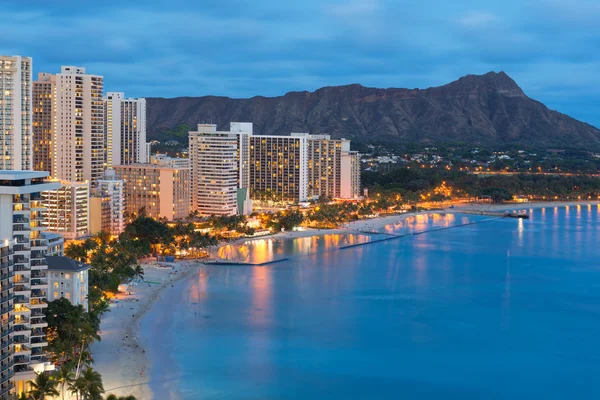
Some attractions become so famous that the visit starts to feel less like discovery and more like crowd management. The postcard image still exists, but locals often describe a different reality on the ground: noise, bottlenecks, long waits, traffic, and a pace that leaves little room for actually enjoying the place.
Across the United States, the most visited landmarks often carry the same warning. The draw is real, but so is the friction. These 10 attractions stand out not because they lack appeal, but because their popularity can overwhelm the very experience people travel to have.
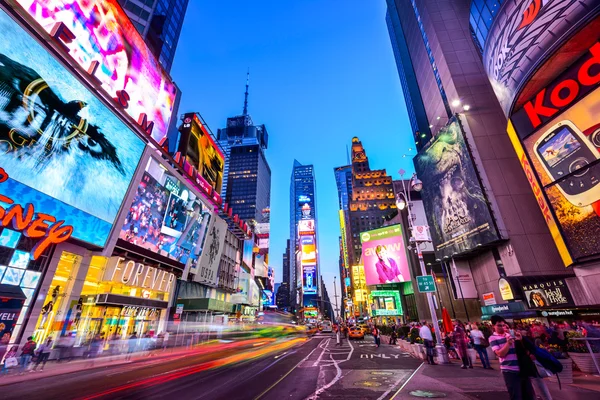
1. Times Square, New York City
Few American attractions symbolize overload quite like Times Square. It draws enormous foot traffic, with an average of 360,000 people daily in and out of the area, and that density shapes everything from walking speed to noise levels. The giant screens and nonstop motion are the attraction, but they also create the fatigue that locals routinely mention.
Its transformation into a polished tourism hub only intensified that feeling. A survey of 81 popular attractions cited it as the world’s most chaotic tourist trap, with visitors describing it as “crowded, grimy and overrated.” New Yorkers often treat it as a place to pass through rather than linger in.
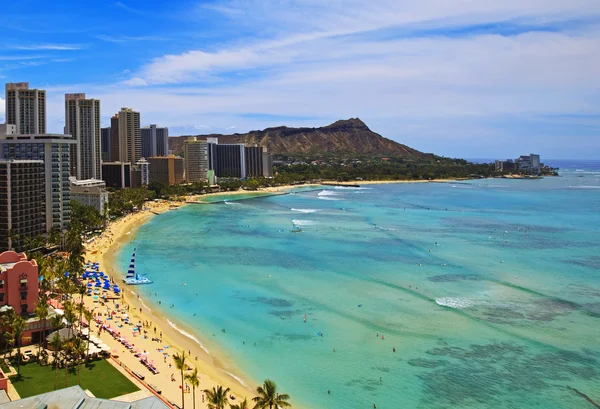
2. Waikiki Beach, Honolulu
Waikiki remains one of the most recognized urban beaches in the world, but recognition has come with tradeoffs. In a widely cited beach complaint analysis, Waikiki Beach ranked as the most complained-about beach in the world. Overcrowding was the main issue, followed by noise and cleanliness concerns.
That pattern helps explain why locals often steer visitors elsewhere on Oahu when they want a calmer shoreline. The beach still offers a famous skyline-and-ocean view, yet the constant density can make even a short outing feel highly managed rather than restorative.
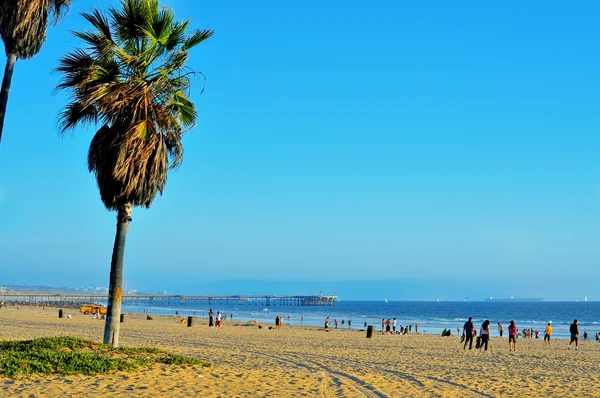
3. Venice Beach, Los Angeles
Venice Beach sells a strong image: street performers, boardwalk energy, murals, and an unmistakably Southern California atmosphere. What locals tend to point out is that the spectacle can overshadow comfort. The same complaint study placed Venice Beach near the top globally, with its score driven largely by cleanliness concerns.
The issue is not a lack of personality. It is that the area’s intensity can make a simple beach day feel chaotic, especially for visitors expecting a relaxed stretch of sand instead of a crowded, highly performative public space.
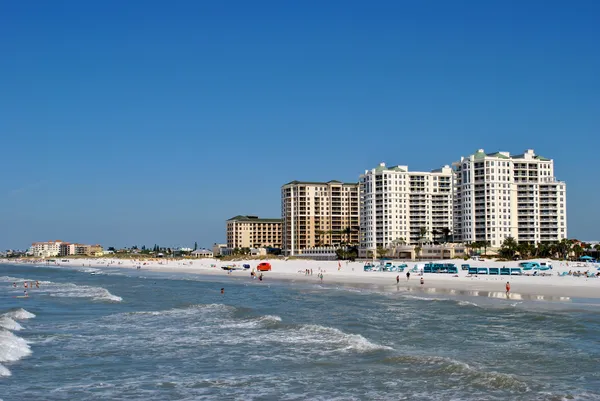
4. Clearwater Beach, Florida
Clearwater Beach is often pictured as classic Gulf Coast ease, yet fame has made it harder to experience that way during peak periods. It also appeared in the top tier of the global complaint rankings, a sign that crowding is no longer just a local gripe.
Residents across Florida frequently describe the same pattern at marquee beach spots: traffic into the area, limited breathing room on the sand, and a day that requires more patience than spontaneity. The beach remains visually striking, but ease is not always part of the package.
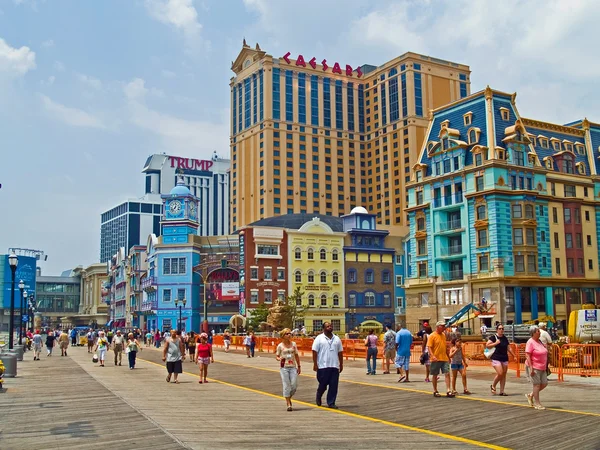
5. Atlantic City Boardwalk, New Jersey
Atlantic City still carries the aura of an American seaside legend, but locals often talk about disconnection between its image and the visit itself. The city’s long dependence on casino-driven tourism left deep marks on the boardwalk district and surrounding economy. As one critic quoted in a long-term analysis put it, “The only reason that casinos were able to get passed in A.C. was because the folks that run the casinos just feasted on the desperation of that community.”
That history matters because it shaped the visitor experience for decades. Instead of broad-based redevelopment, the city became tied to one industry, and when that model weakened, the strain became impossible to ignore. For travelers, the boardwalk can still feel iconic, but locals often see it as a place where nostalgia competes with visible wear and uneven vitality.
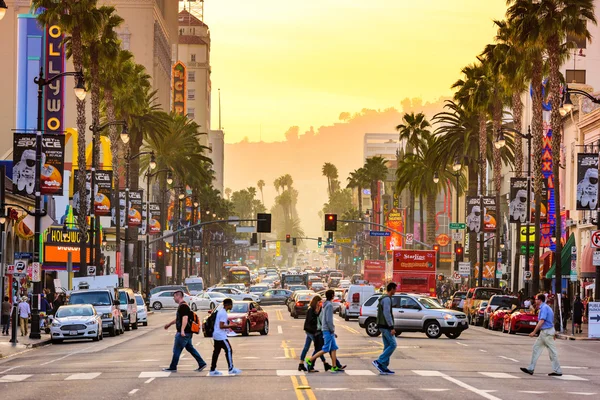
6. Hollywood Walk of Fame, Los Angeles
The Walk of Fame is one of the country’s best-known attractions, yet it regularly appears in conversations about underwhelming tourist stops. The appeal is simple enough on paper: famous names underfoot and a direct link to entertainment history. In practice, locals often describe a crowded commercial strip where expectations rise faster than the experience.
Its inclusion among heavily criticized tourist traps in international survey coverage reflects a broader complaint: visitors often expect glamour and find congestion instead. The landmark remains culturally recognizable, but recognition alone does not guarantee a satisfying stop.
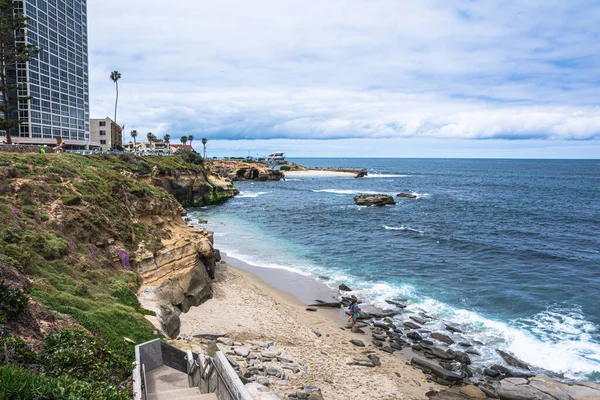
7. La Jolla Cove, San Diego
La Jolla Cove is beautiful, compact, and easy to romanticize. That compactness is exactly what creates stress when visitation spikes. It ranked among the most complained-about beaches in the same Cloudwards analysis, with crowding and related frustrations shaping traveler reviews.
Locals tend to know the limits of the cove’s size. Once too many people arrive at once, scenic charm gives way to jostling for space, slow parking searches, and a shoreline experience that feels much smaller than its reputation.
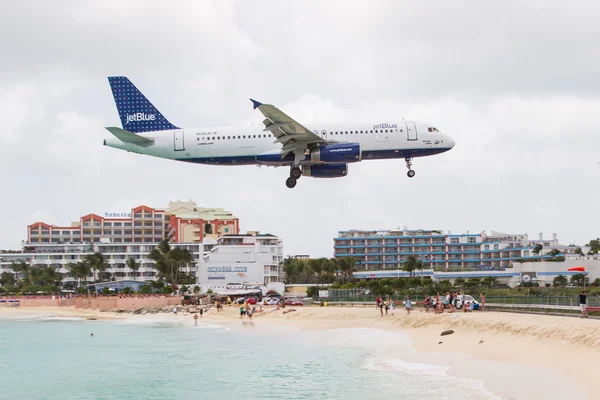
8. Maho Beach, Sint Maarten-linked comparisons and U.S. copycat expectations at famous airport beaches
American travelers often bring the same expectation to famous airport-adjacent beaches in the United States: dramatic spectacle, easy access, and a memorable photo. Locals around heavily promoted beach zones know the pattern well.
The more a place circulates online, the more likely it is to become crowded, noisy, and constrained by safety rules, traffic, and limited room. That tension now shapes several U.S. coastal attractions that were once treated as local secrets. The visit may still produce the image people came for, but not always the sense of ease they imagined.
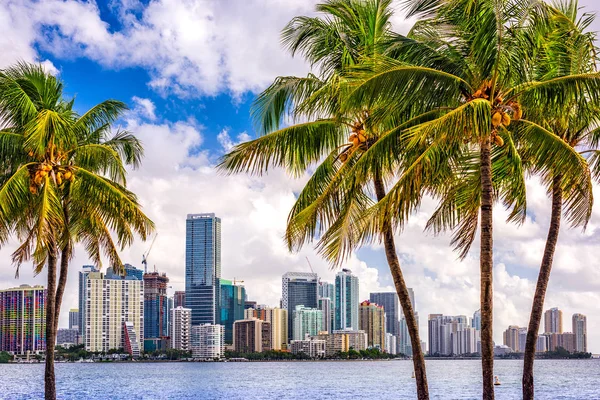
9. Major Florida Theme-and-Beach Corridors
Florida welcomed 143 million tourists in 2024, and that scale has consequences far beyond the state’s headline attractions. Locals frequently point to the same practical issues: clogged roads, packed restaurants, and destination districts where the day revolves around timing rather than enjoyment.
This does not reduce the state’s appeal. It explains why residents so often suggest quieter coastal towns or off-peak visits instead of the best-known corridors. In heavily promoted areas, the crowd can become the defining feature of the trip.
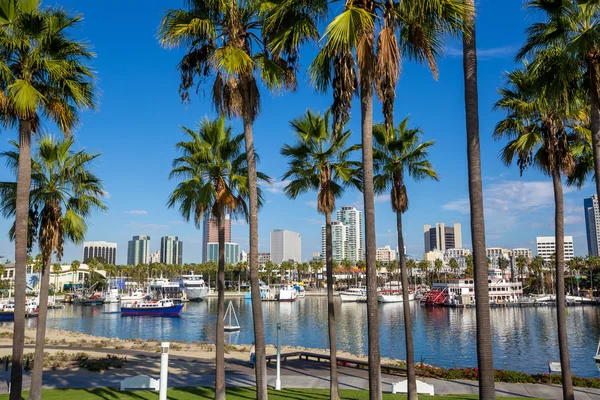
10. California’s marquee visitor zones
California led the nation with 278.3 million annual visitors in 2025, a number that helps explain why so many famous stops feel strained at peak times. Beaches, entertainment districts, and urban landmarks all compete with the same pressures: traffic, queueing, and high-density tourism. Locals do not usually argue that the signature places are unworthy. Their warning is narrower and more practical. The most famous version of California is often the least relaxed version of it.
The common thread in these destinations is not disappointment so much as saturation. A place can be iconic and still feel exhausting once demand outpaces comfort. Locals tend to understand that distinction best. Their advice is usually less about skipping famous attractions entirely and more about recognizing when popularity starts to erode the very qualities that made those places famous in the first place.

