
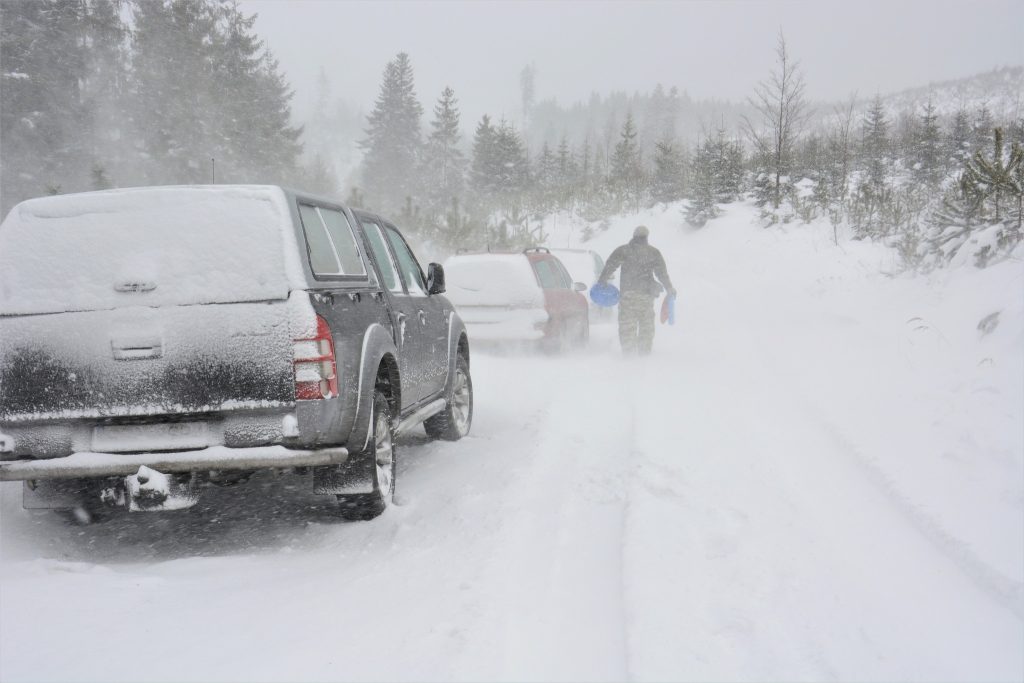
Ice storms tend to test a home in ways ordinary winter weather does not. The obvious supplies usually get attention first, but the items and habits that matter most during a long outage are often the ones households overlook until the lights are already out.
A better approach is to think beyond flashlights and bottled water. Food safety, indoor air quality, pipe protection, and reliable alerts all shape how manageable an outage becomes when cold weather settles in.
1. A weather radio with backup batteries
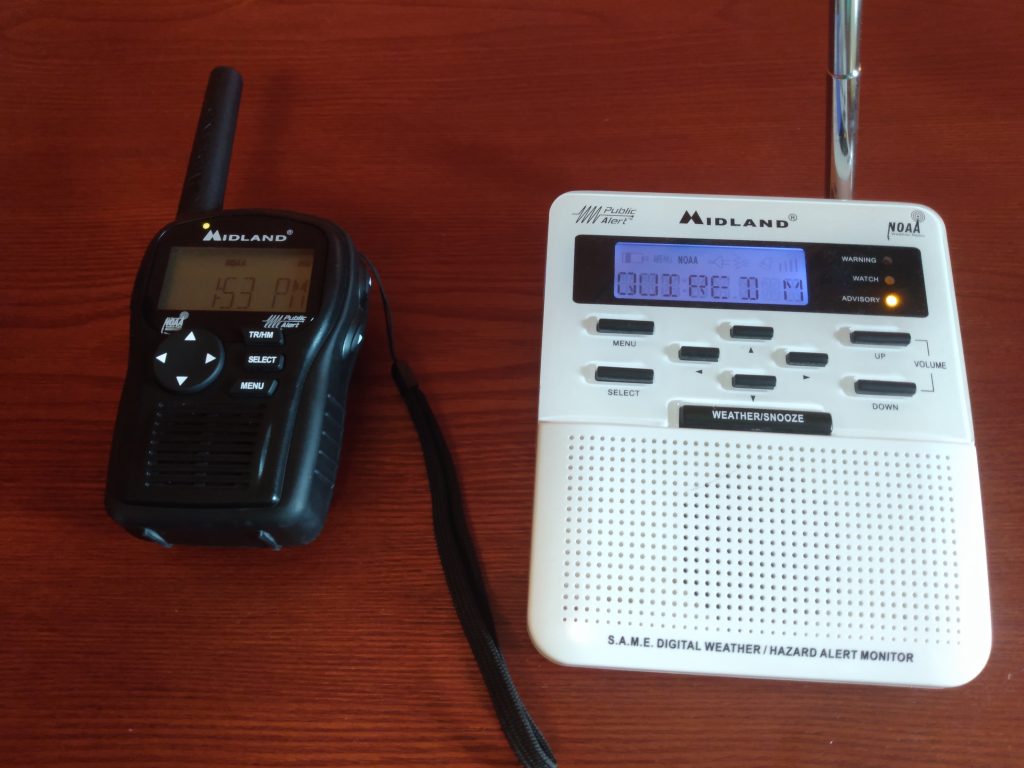
Phones are useful until towers, internet service, or charging options become unreliable. A NOAA weather radio adds a separate layer of information, with continuous weather information 24 hours a day and alert capability that can sound while people are asleep. Battery checks matter just as much as owning the radio. Local emergency guidance recommends paying attention to weekly tests and changing backup batteries at least twice a year, especially because extended outages can last longer than expected.
2. Carbon monoxide detectors on every level
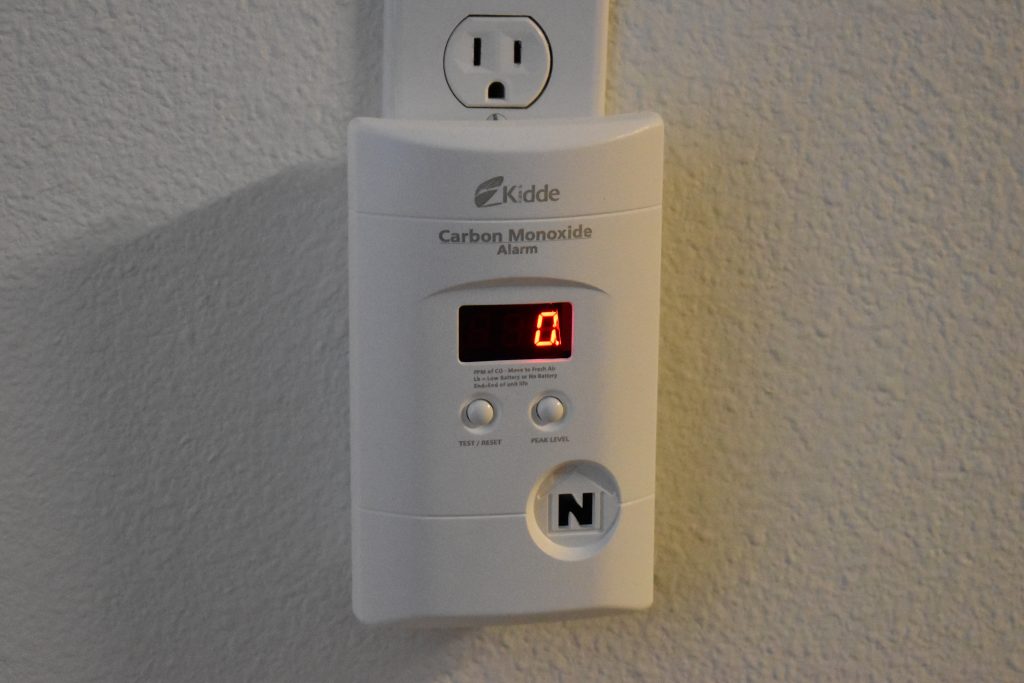
When the power goes out, households often rely more heavily on fireplaces, fuel-burning heaters, or generators. That shifts one of the biggest risks indoors: carbon monoxide. This is the quiet emergency many homes underprepare for. The Environmental Protection Agency notes that hundreds of people die and thousands more get sick from carbon monoxide produced by generators each year. Working detectors are essential because the gas cannot be seen or smelled, and symptoms can escalate before anyone realizes what is happening.
3. Safer generator placement
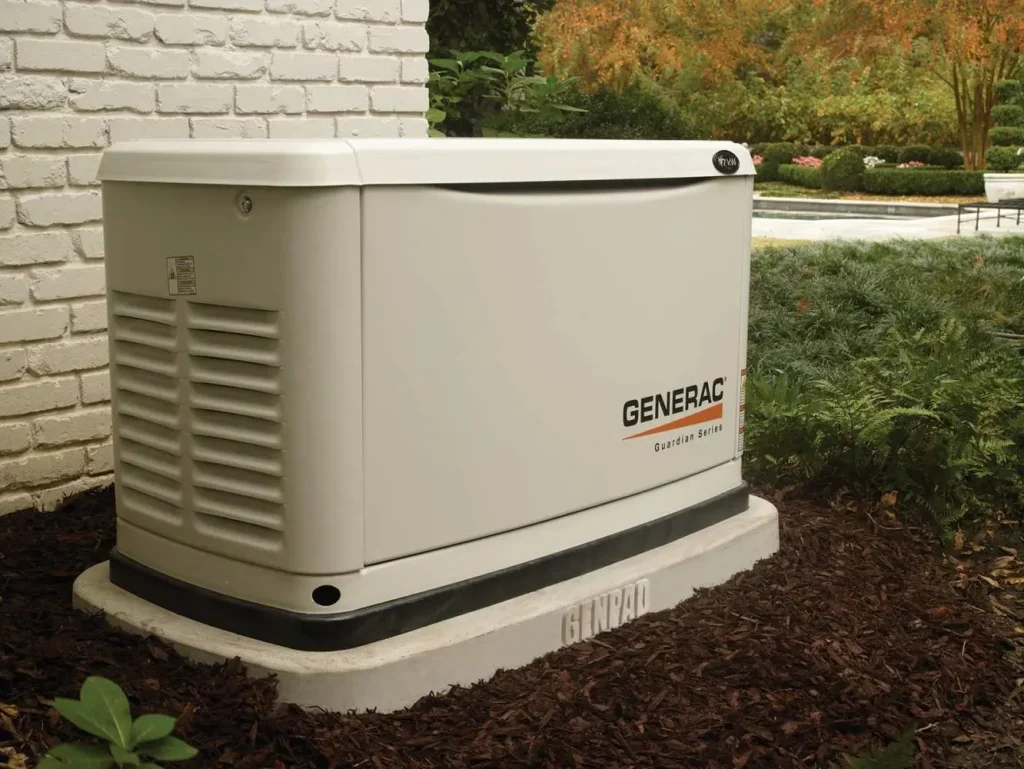
Owning a generator is not the same as using it safely. Recent federal safety guidance raised attention around distance, especially for stationary units placed too close to a house. A federal warning now recommends placing stationary generators at least 25 feet from homes. The reason is serious: carbon monoxide can enter through openings and linger. Windows, soffits, and nearby air paths all matter during an outage, when homes are often closed up against the cold.
4. A plan to keep the refrigerator closed
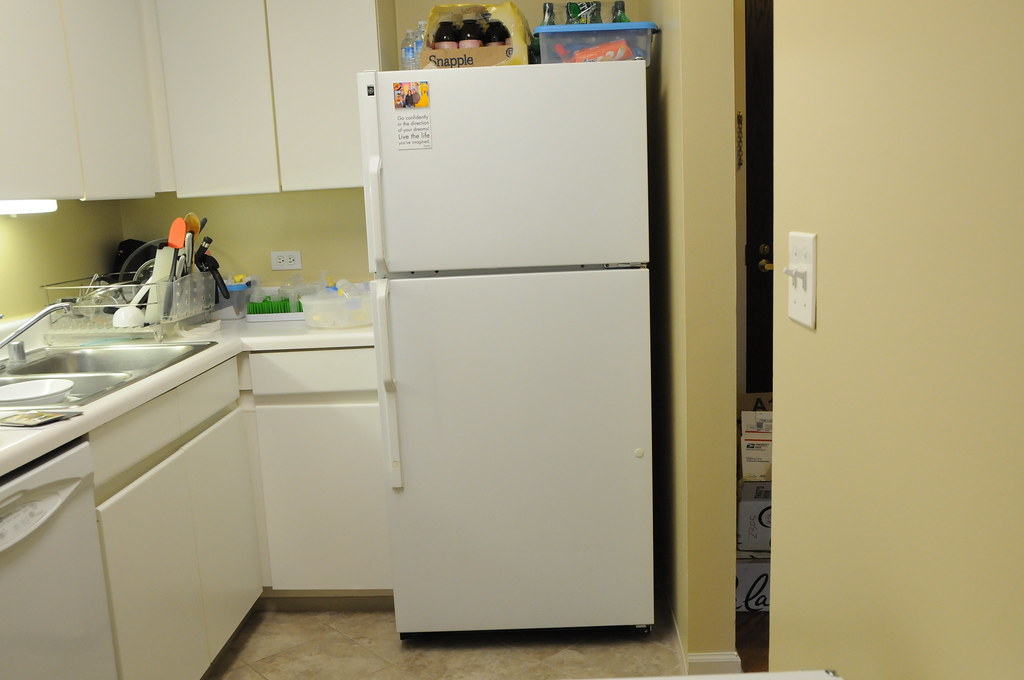
Many households focus on how to power the refrigerator without first considering how much energy can be saved by leaving it alone. Refrigerator energy use changes with room temperature, how full it is, and how often the door opens. One practical rule stands out: a full, undisturbed refrigerator can hold temperature surprisingly well. If door openings are kept to a minimum, food stays cold longer and backup power stretches further. In an outage, organization becomes part of energy management.
5. A real measurement of fridge power use
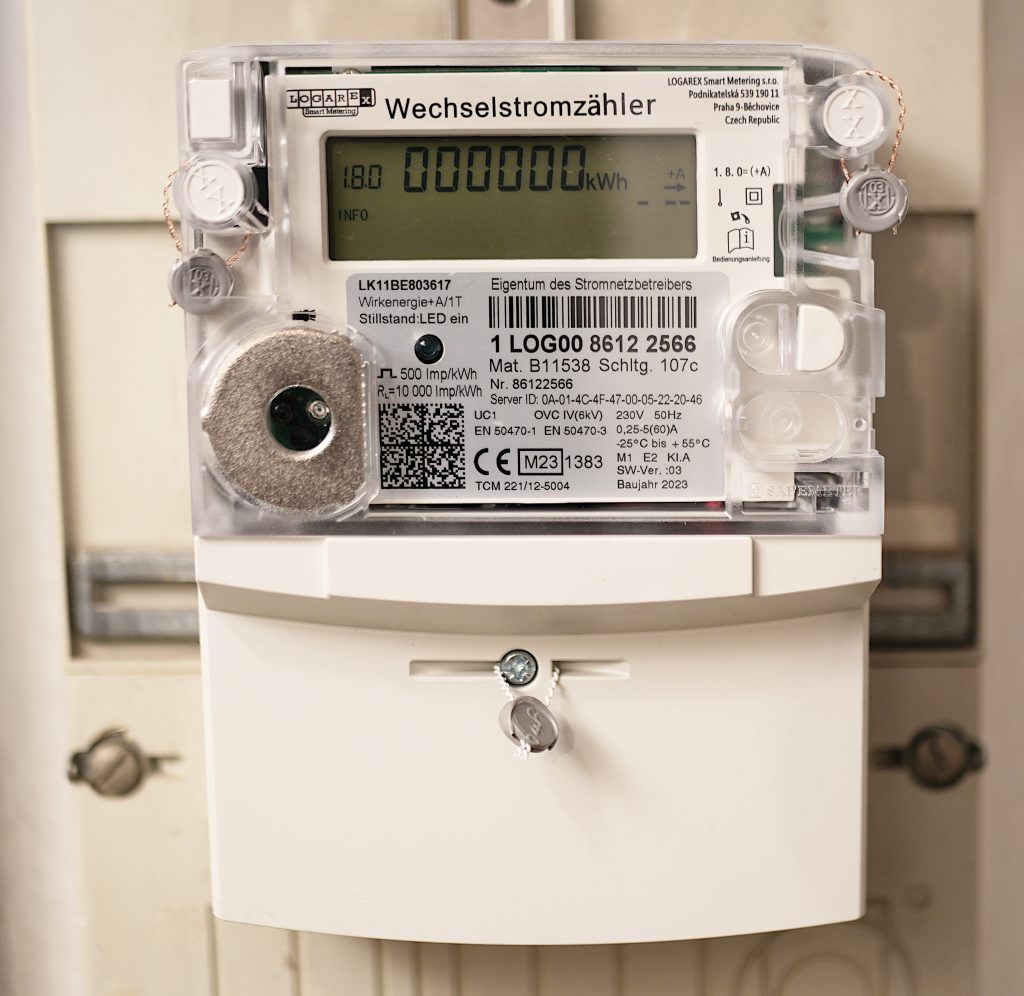
Nameplate numbers can be misleading. Refrigerators cycle on and off, and startup surges are different from everyday use. That is why a plug-in energy meter is more useful than guessing from labels or averages. Some references put modern refrigerators around roughly 100 to 800 watts while running, but actual daily consumption depends heavily on the appliance and household habits. For outage planning, measured use is more valuable than broad estimates.
6. Clean refrigerator condenser coils
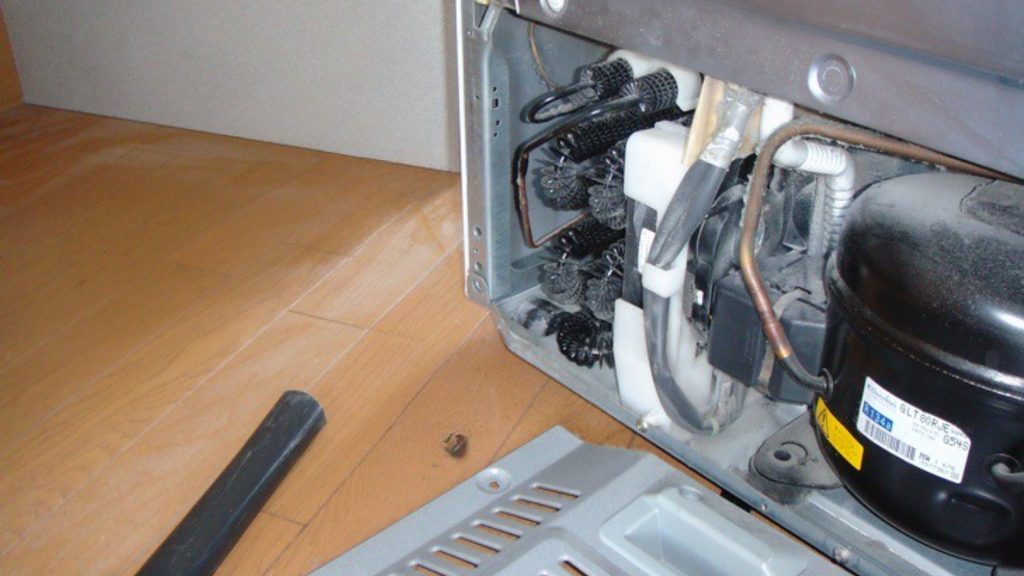
This one is easy to miss because it does not feel like storm prep. It is still one of the simplest ways to improve refrigerator efficiency before winter weather arrives. Dirty coils force a refrigerator to run hotter and longer. Cleaning them every six months, or more often in dusty homes or homes with shedding pets, reduces strain and helps backup power last longer when it matters.
7. Extra thermal storage for food
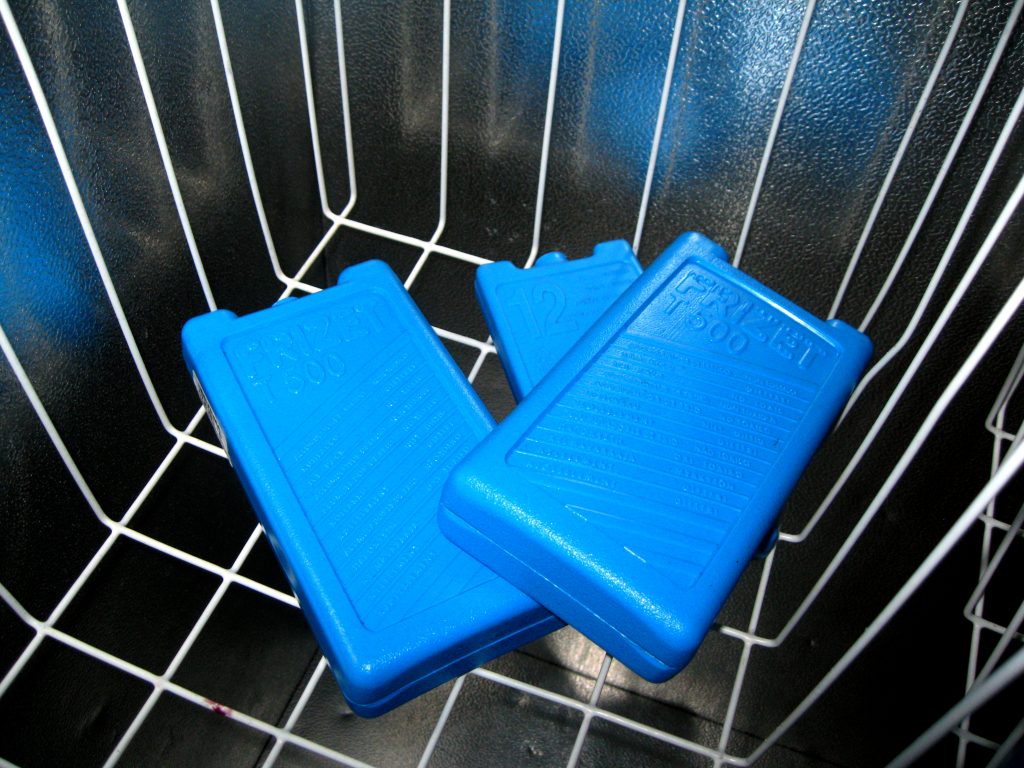
Ice packs are not just for lunch bags and coolers. Keeping several frozen packs in the freezer creates a small reserve of cold that can be moved where it is needed most. During an outage, those packs can help stabilize refrigerator temperatures, reduce compressor demand once power returns, and buy extra time before food enters an unsafe range. This is especially useful in homes that cannot dedicate much backup power to refrigeration.
8. The freezer penny check
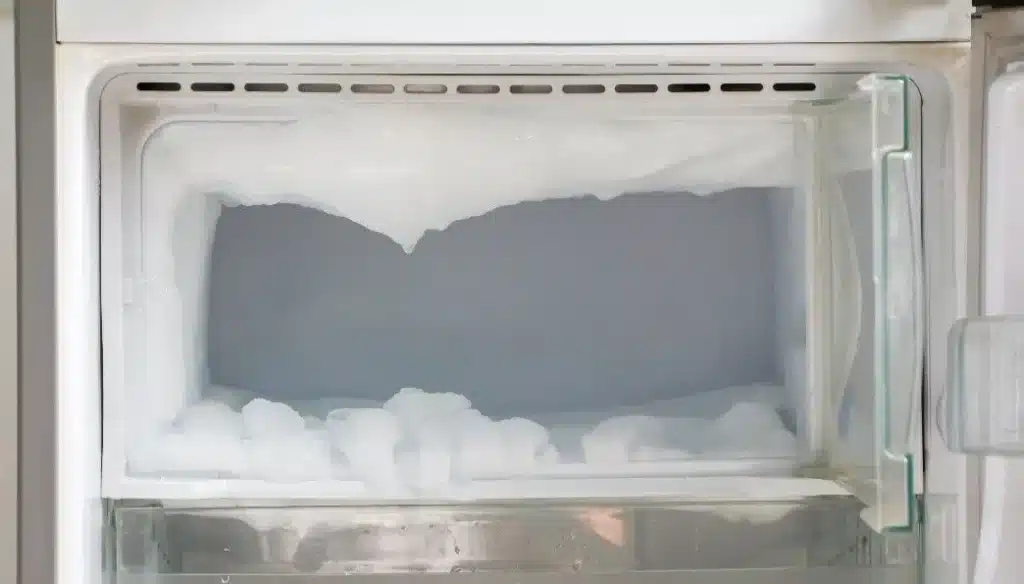
After a power outage, the hardest question is often the simplest one: did the freezer contents stay frozen? A basic cup of frozen water with a coin placed on top offers a quick visual clue. If the coin remains near the top, the contents likely stayed frozen. If it sinks deeply after thawing and refreezing, that suggests the freezer warmed enough to compromise food quality and safety. It is not a substitute for full food-safety guidance, but it gives households one more piece of evidence after the storm passes.
9. Water stored for toilets, not just drinking
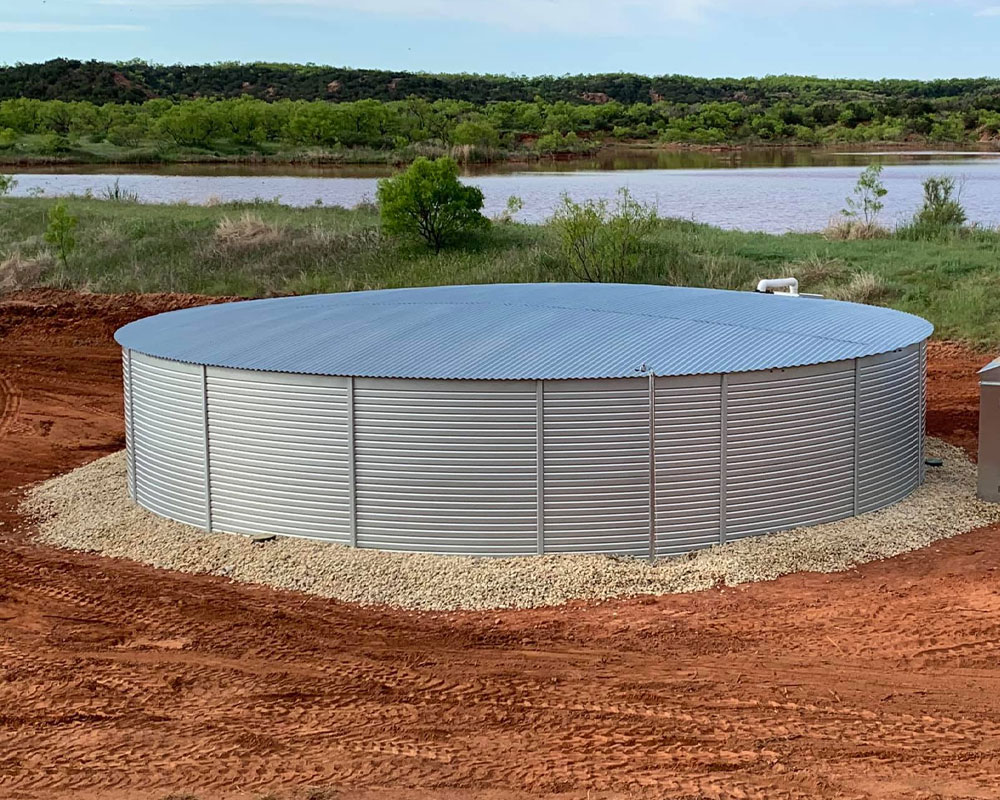
Homes often stock bottled water for hydration but forget sanitation. If pipes freeze, service is interrupted, or well systems lose power, flushing becomes an issue quickly. Filling a bathtub and keeping a bucket nearby provides non-drinking water for toilets. This small step can make a home feel much more livable during a multi-day outage, especially with a full household.
10. Open sink cabinets and protect exposed pipes
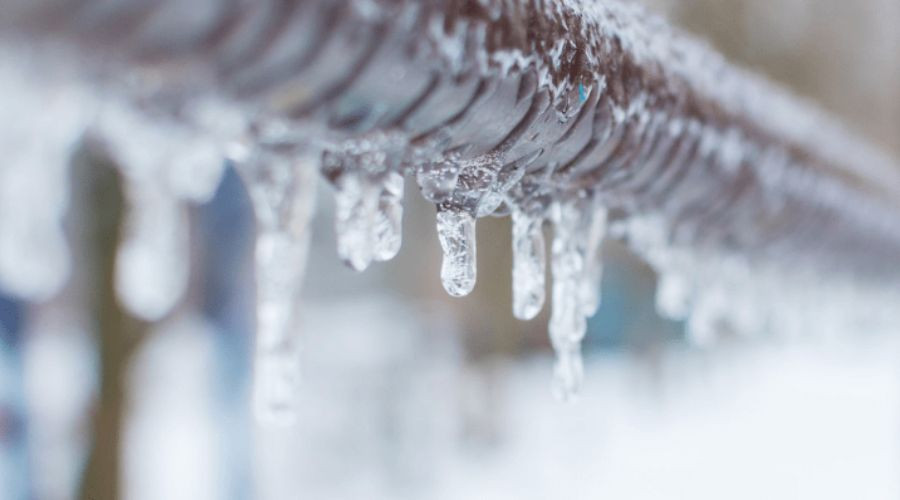
Ice storms do not just cut power; they can expose plumbing to damaging cold inside the house. Pipes in exterior walls, garages, crawl spaces, and under sinks are often the weak points. Opening cabinet doors lets warmer indoor air circulate around plumbing. Pairing that with insulated exposed pipes, disconnected outdoor hoses, and attention to the main water shut-off valve can limit the odds of a burst pipe turning a cold-weather outage into a water-damage emergency.

11. Cash and paper copies of key documents
Power outages can affect card readers, ATMs, and internet-dependent payment systems. A small amount of cash often becomes more useful than expected, particularly for fuel, food, or basic supplies. Printed insurance details and identification documents also help if phones are dead or service is patchy. This is less dramatic than stocking gear, but it removes friction when families already have enough to manage.

12. A single warm room strategy
Trying to heat an entire house during an outage is difficult and often unsafe. Many homes do better by concentrating warmth where it counts. Closing doors, drawing window coverings, gathering blankets, and keeping everyone in one sheltered area helps retain body heat. Some households even keep a camping tent ready for indoor use as a smaller heat-retaining space. The goal is not comfort in every room. It is preserving warmth efficiently until power returns.
Ice storm preparation works best when it focuses on the details that usually stay invisible in everyday life. Alerts, air safety, food management, plumbing protection, and warmth all depend on a few decisions made before the outage begins. The homes that handle winter outages more smoothly are often not the ones with the most gear. They are the ones that remembered the essentials people tend to forget.

