
Yahweh did not enter history as a fully formed idea wrapped in later theology. In scholarship, the name emerges in fragments: a damaged Egyptian inscription, early Hebrew poetry, desert geography, and contentious archaeological finds that refuse to line up neatly with later biblical simplicity.
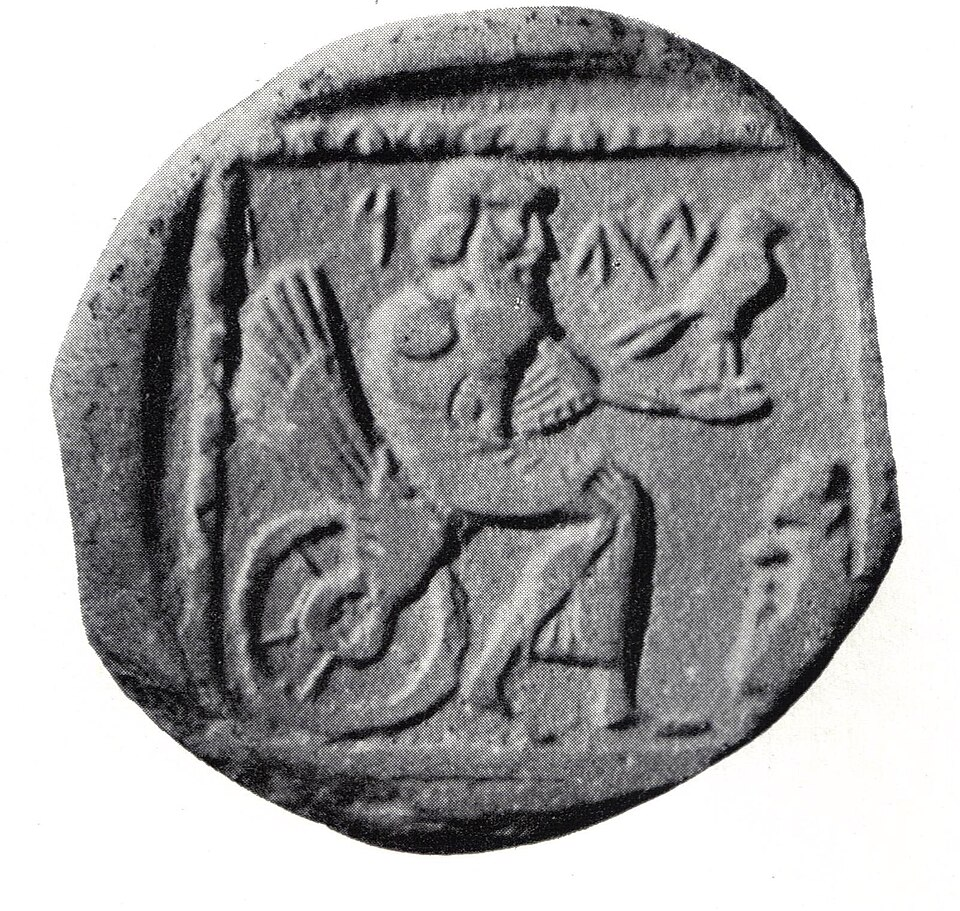
The result is not a tidy origin story. It is a reconstruction built from scattered clues, each one small on its own, but together revealing how a regional deity associated with southern landscapes became the sole God of Israelite and later Jewish tradition.
1. An Egyptian inscription may preserve the earliest outside mention of Yahweh
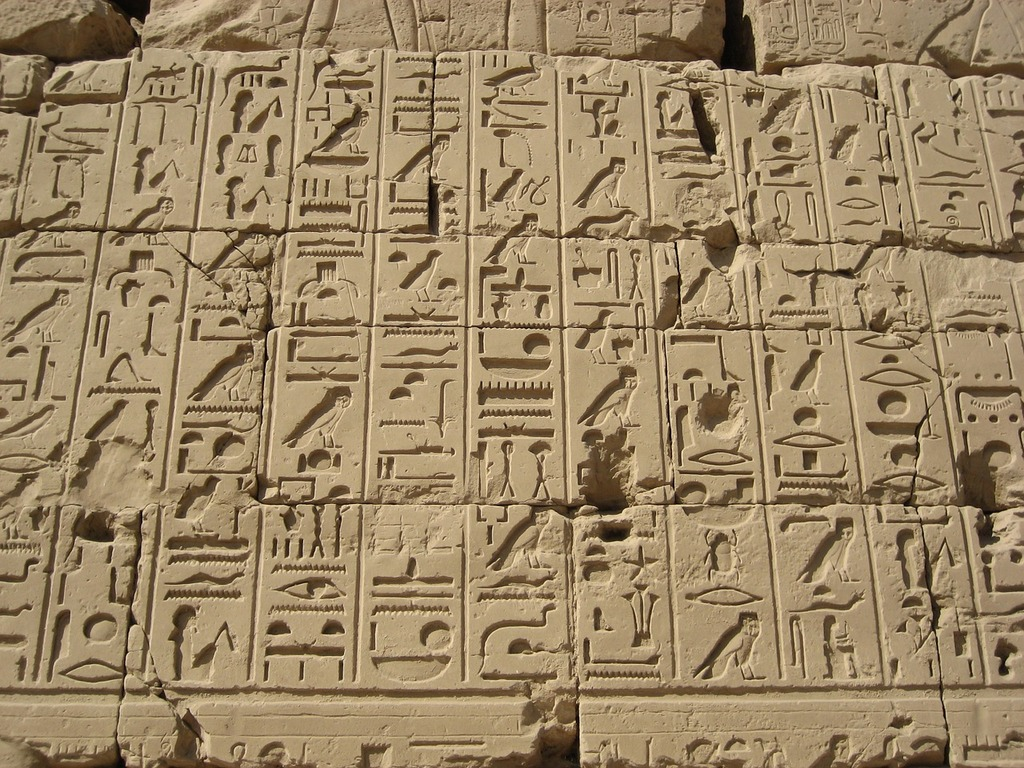
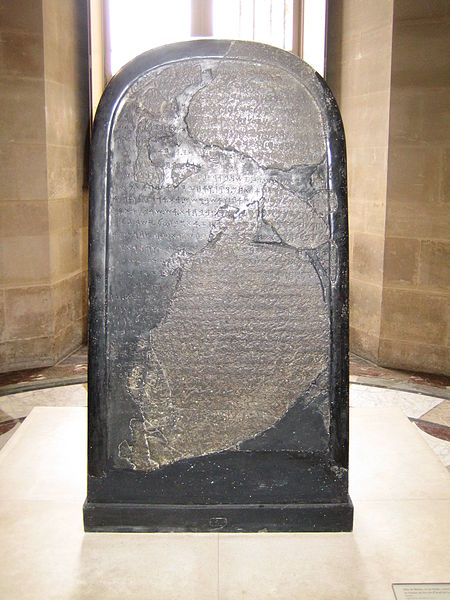
One of the oldest non-biblical clues appears in a temple list from Soleb in Nubia, usually dated to the reign of Amenhotep III. Scholars often focus on a phrase rendered as “the land of the Shasu of Yahweh”. The wording matters because it places the name in an Egyptian setting rather than an Israelite text, and it links that name to mobile groups moving through southern territories.
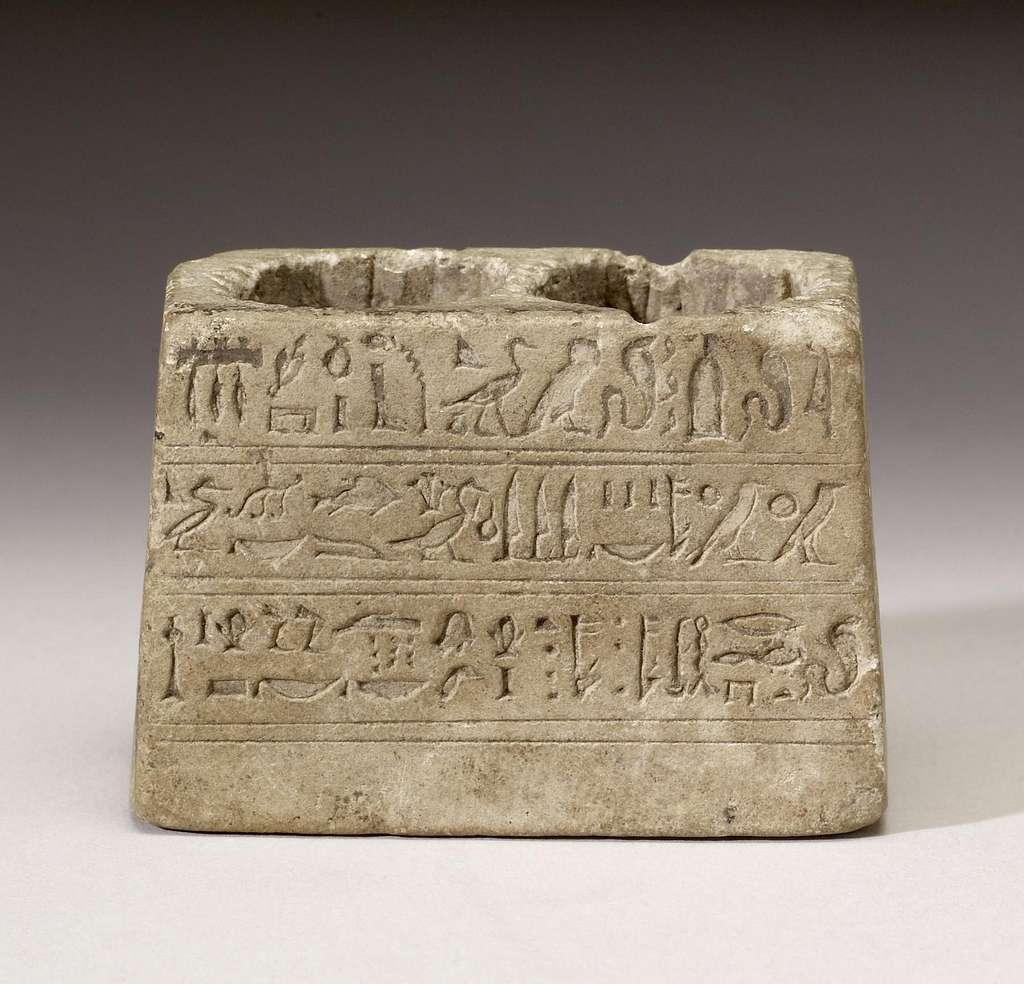
The inscription is damaged, and debate remains over whether “Yahweh” there refers to a deity, a place, or a people associated with one. Even so, the setting is significant. It points attention away from royal capitals and toward deserts, caravan routes, and borderlands where identities and cults could move with herders, traders, and smaller communities.
2. Southern deserts loom larger than the Israelite highlands in early reconstructions
Many scholars place early Yahweh worship not in the central hill country, but farther south, in zones connected with Midian, Edom, Seir, Paran, and Teman. This broad model is often called the Kenite or Midianite hypothesis, though it remains debated rather than settled.
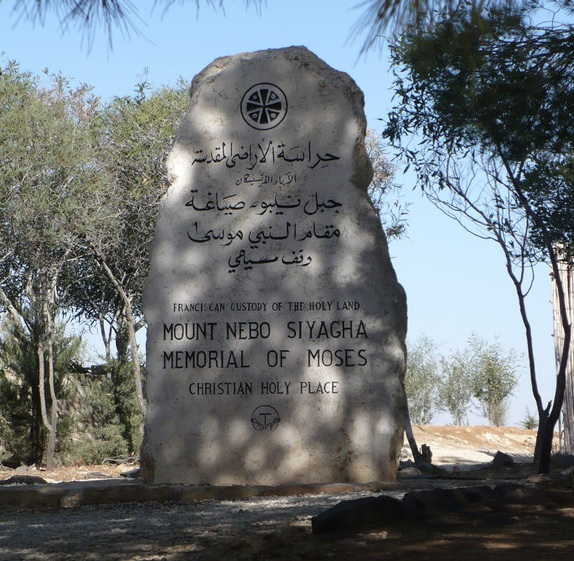
The theory draws strength from several kinds of evidence at once: biblical traditions linking Moses to Midian, poetic passages portraying Yahweh as coming from the south, and Egyptian references to southern groups. In this reading, Yahweh first appears not as a universal deity detached from place, but as a god tied to a particular region and to communities that were not yet centered in settled Israelite state religion. Later scholarship has kept the southern connection alive, even while questioning whether influence moved in one dramatic transfer or through a much longer process of cultural contact.
3. Early Israelite religion appears to have favored Yahweh before it denied all other gods
One of the most important distinctions in the field is the difference between monolatry and monotheism. In many reconstructions, early Israelites worshipped Yahweh as their chief or exclusive god without yet claiming that no other gods existed at all.
That makes the history less abrupt than later readers sometimes expect. Exclusive devotion likely came before universal denial. Over time, Yahweh worship hardened from loyalty to one god into the theological claim that other gods were not rivals, not peers, and ultimately not real divine competitors in any meaningful sense.
4. Ancient Hebrew poems may preserve some of the oldest Yahweh-alone language
Poetry often carries older religious memory than prose narrative, and some scholars see early Hebrew poems as the place where the strongest claims about Yahweh first surface. Passages such as Exodus 15, Judges 5, and Deuteronomy 32 have long drawn attention because they combine archaic style with elevated theological language.
The line “Who is like yourself among the gods, O YHWH?” has been read in more than one way, but some interpreters argue it functions less as a nod to a crowded pantheon than as a rhetorical declaration that no real competitor exists. Similar force appears in expressions such as “Who is a God like YHWH?” and “There is no God besides Me.” These texts do not prove that every community was already monotheistic. They do show that a monotheistic conceptual world may have existed in some of the earliest layers of Israelite literature.
5. Archaeology suggests ordinary worship was more crowded than later biblical ideals
The lived religion of ancient Israelites appears more complicated than the purified version preserved by later editors. Household practice, local shrines, and inscriptions point to a world in which Yahweh could be invoked alongside other sacred figures, symbols, or cultic objects.
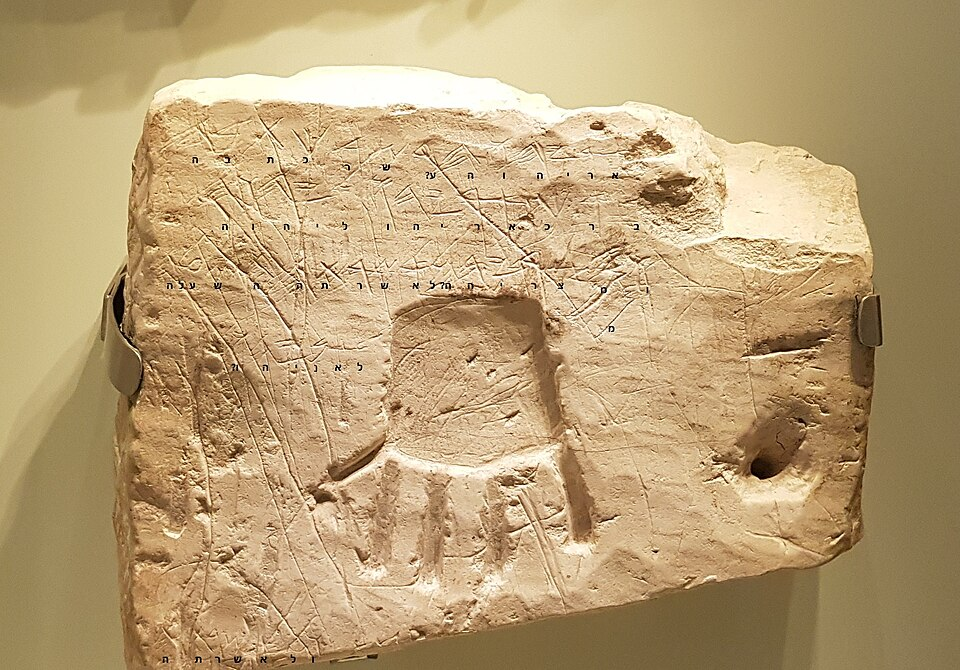
The most famous evidence comes from Kuntillet Ajrud inscriptions, dated to the late ninth century BCE, where blessings refer to “Yahweh of Samaria” and “Yahweh of Teman” and also mention “his Asherah.” Scholars dispute what that phrase means. It may point to the goddess Asherah, a cult symbol, or a shrine-related object rather than a divine spouse in a simple sense. The drawings found with the inscriptions are equally contested, with some identifying them as Bes-like figures rather than Yahweh at all. Still, the inscriptions matter because they show that Yahweh devotion in practice was localized, textured, and not yet reduced to a single uncontested form.
6. Crisis, reform, and scribal editing helped turn worship into identity
The rise of exclusive Yahweh worship was not only a matter of abstract belief. It also unfolded through political collapse, reform movements, temple centralization, and sustained literary editing. As kingdoms fell and communities redefined themselves, devotion to Yahweh became a boundary marker. That changed the stakes. What had once been one pattern of worship among several became the basis for communal identity, memory, and law. In that setting, older traces of rival practices were condemned, absorbed, or rewritten, and the earlier religious landscape was narrowed into a more disciplined theological inheritance.
Seen together, these clues do not yield a single undisputed origin. They do, however, point in the same broad direction: Yahweh’s rise was gradual, southern associations mattered, early worship was less exclusive than later tradition, and poetry and archaeology preserve memories that prose alone cannot. That is why the subject remains so contested. The history survives in broken stones, edited texts, and inscriptions that are brief enough to invite argument but substantial enough to keep reshaping the story.

