
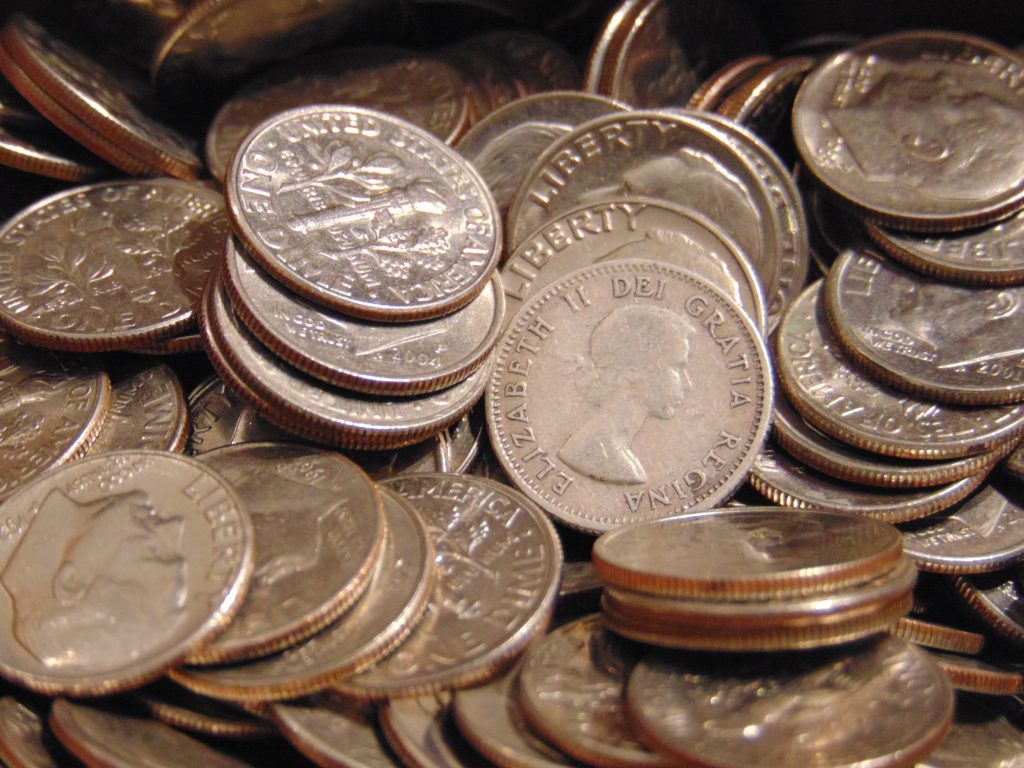
A coin can pass through hundreds of hands without anyone noticing that something went wrong at the mint. That quiet possibility is part of what keeps error collecting alive: the idea that an ordinary handful of change may include a piece with an unusual backstory.
Most modern mistakes are screened out before coins leave the mint, especially after automated filtering changes introduced in 2002. Even so, several well-known U.S. error types and varieties have been found in circulation, coin rolls, cash drawers, and inherited jars. These are seven that still draw attention because they can, at least occasionally, turn up where nobody expects them.
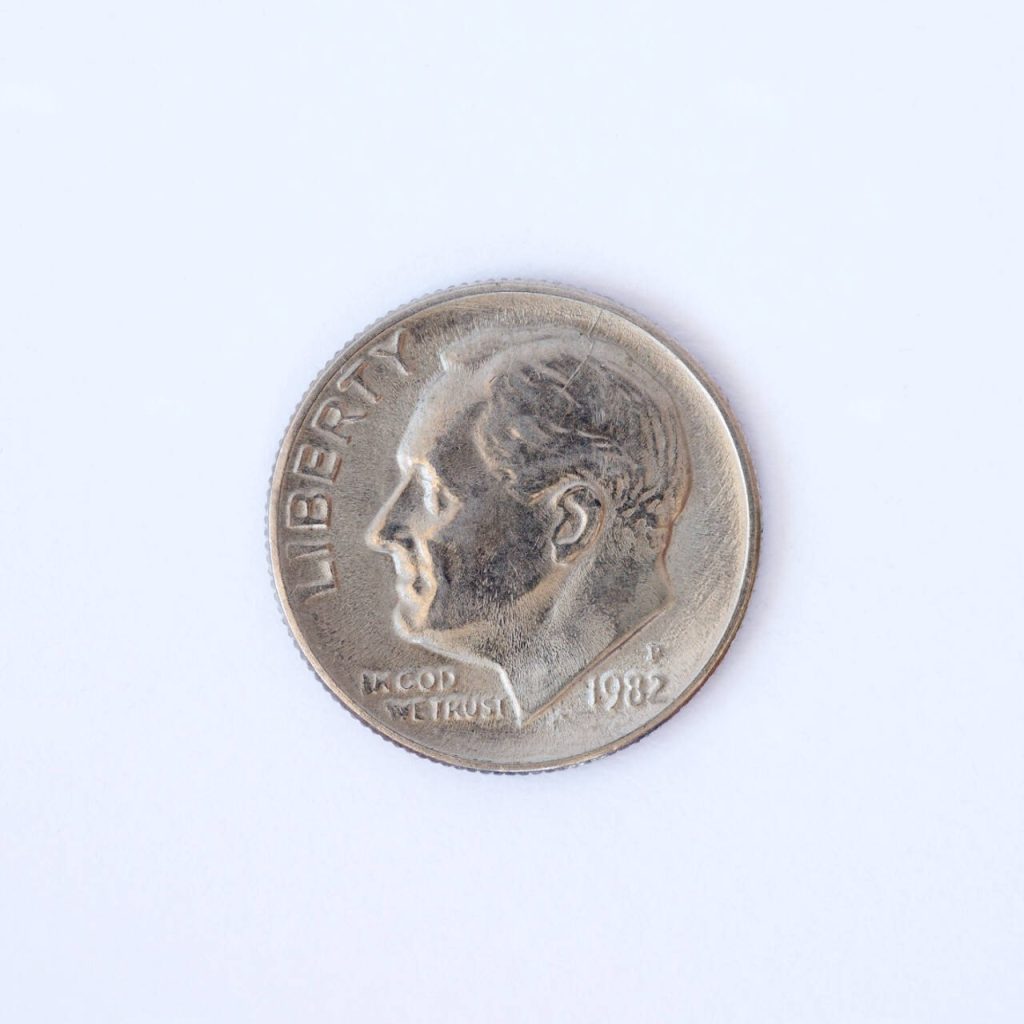
1. 1982 Roosevelt Dime With No Mint Mark
This dime looks ordinary until the viewer checks the obverse and notices what is missing. Philadelphia dimes of that year were expected to carry a “P” mint mark, but some were struck without it, creating one of the most recognized modern dime varieties.
The appeal lies in accessibility. Reference material on the Roosevelt dime series notes that the 1982 no-mintmark Roosevelt dime can be found in circulation, which makes it unusual among widely collected modern errors. Heavy wear does not erase the key trait, so this is one of the few notable varieties that can still be spotted by a patient person checking everyday change.
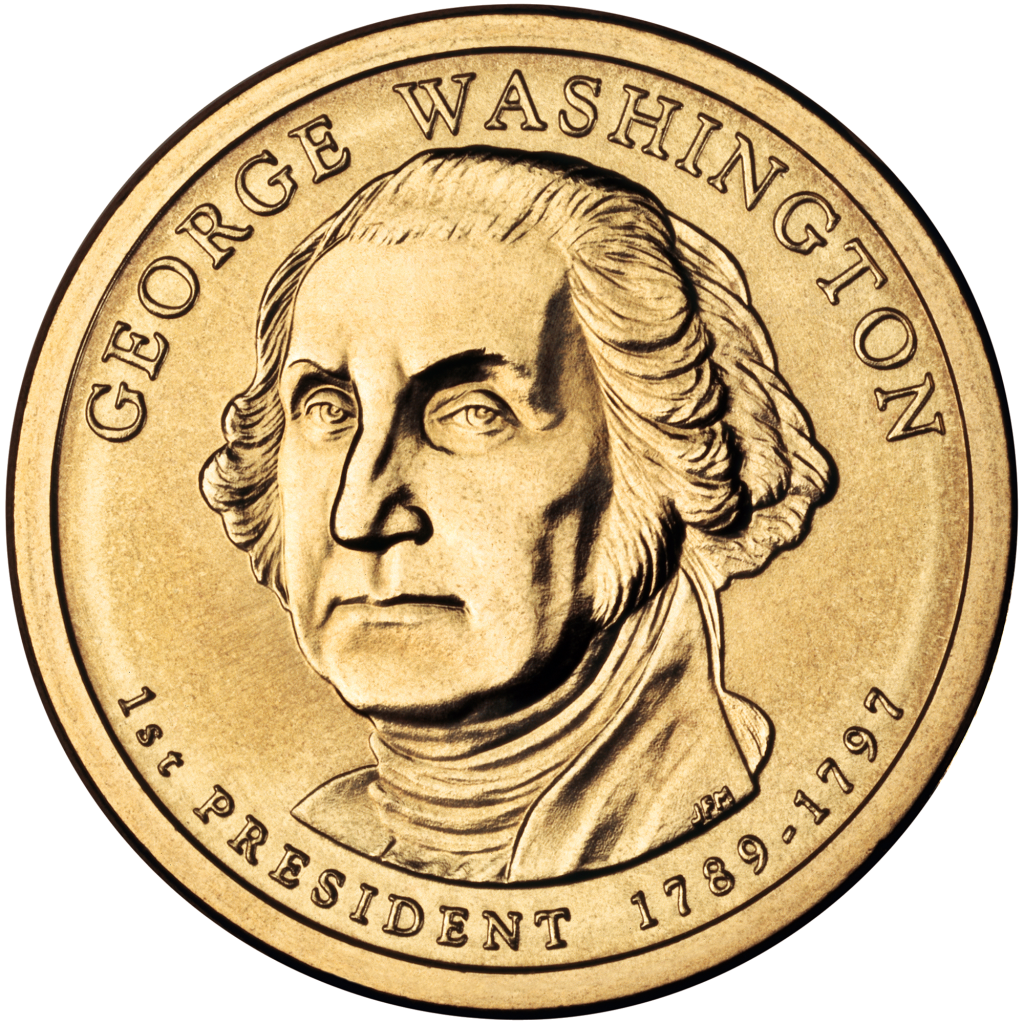
2. 2007 Presidential Dollar Missing Edge Lettering
When Presidential dollars debuted, part of their design was placed on the edge rather than the face. On some 2007 George Washington dollars, that edge lettering never appeared, leaving a plain edge where inscriptions should be.
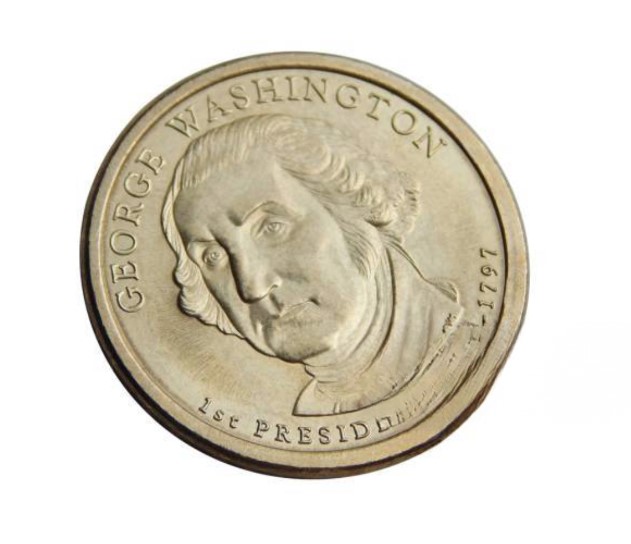
The missing text gave the coin instant notoriety because the flaw is easy to understand without magnification. A normal example should show the edge inscription; an error piece will not. Since Presidential dollars entered circulation in large numbers, this became one of the modern errors that ordinary searchers could realistically encounter in change or in saved dollar coins.
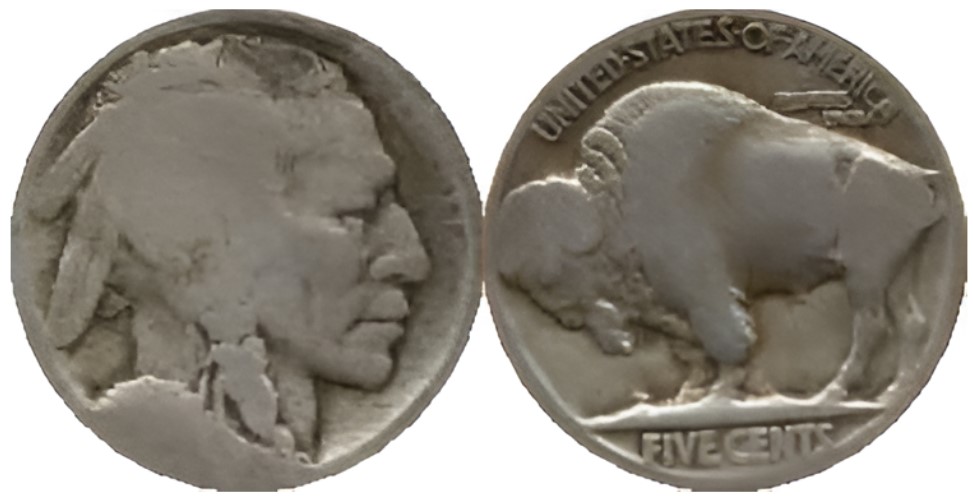
3. 1937-D Three-Legged Buffalo Nickel
Few U.S. errors are more famous than the Buffalo nickel that appears to show the bison missing one front leg. The effect was created after over-polishing of the die removed part of the design before additional coins were struck. Its fame has outgrown its small physical size.
The Buffalo nickel series already has strong visual appeal, and this variety adds a dramatic mistake that can be recognized with the naked eye once the viewer knows where to look. While it is far scarcer in circulation today than in decades past, it remains one of the classic reminders that a coin’s odd appearance may be a mint-made error rather than damage.
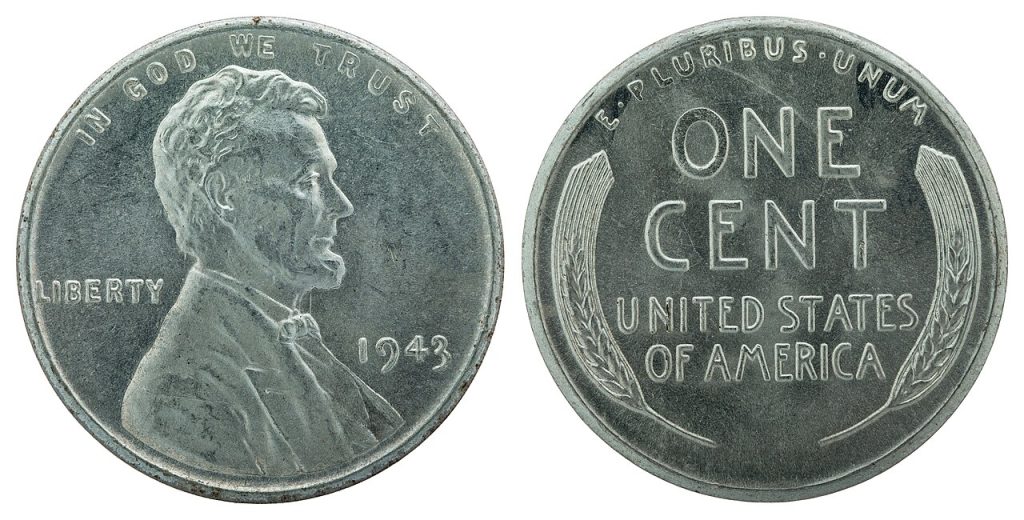
4. 1943 Cent Struck Over a Mercury Dime
This is a true double-denomination error, produced when a dime was struck again with cent dies. The resulting coin combines elements of both designs, sometimes allowing traces of the Mercury dime to remain visible beneath the cent’s details. It stands apart from a simple wrong-planchet piece because the earlier coin had already been struck.
That layered history gives the error its fascination: one coin, two denominations, and evidence of both. It is not a routine pocket-change discovery, but its continued reputation comes from the same enduring theme that drives all circulation finds a coin can look wrong for a very specific reason.
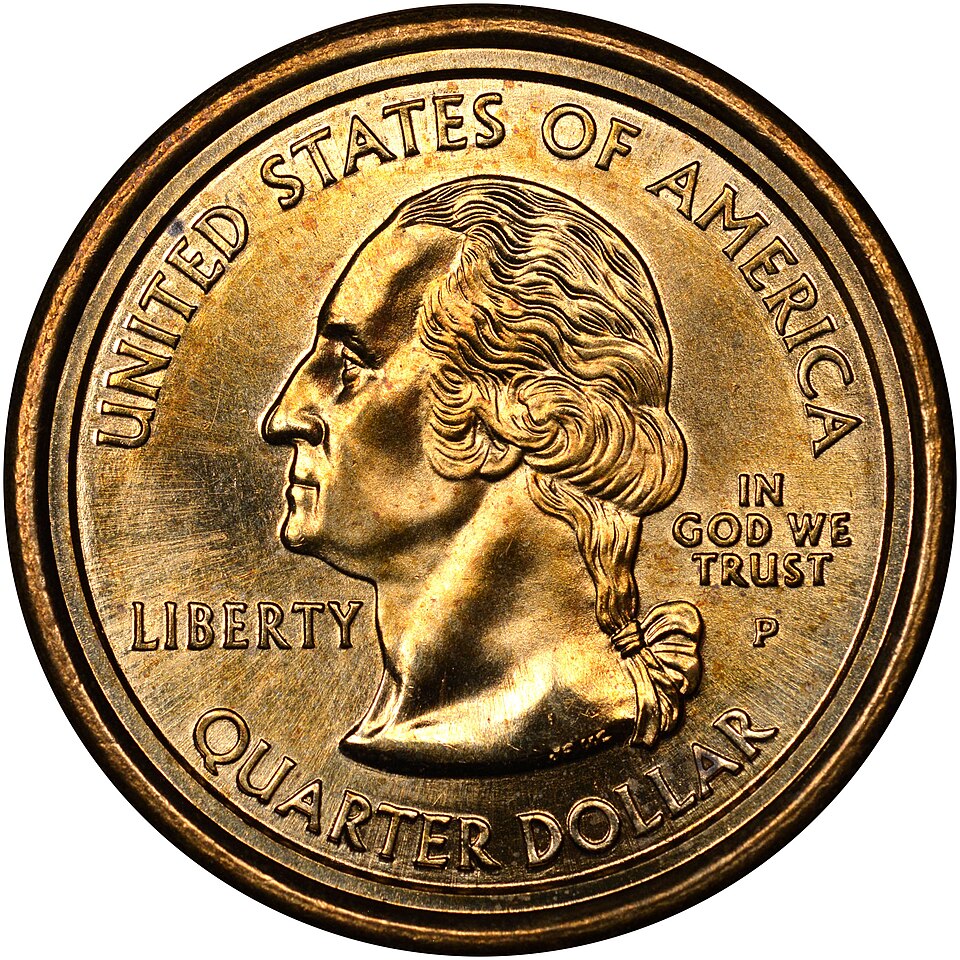
5. 2000-P Sacagawea Dollar Mule
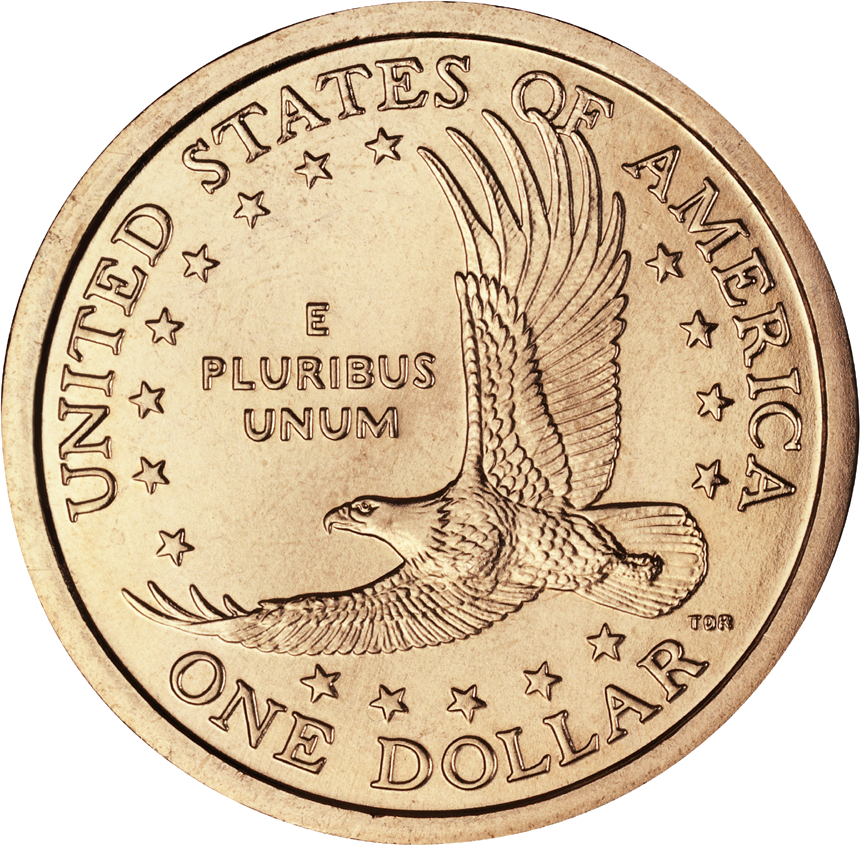
A mule is a coin struck with dies that were never meant to be paired. In this case, one side bears Washington’s portrait from a quarter while the other shows the Sacagawea dollar reverse, creating one of the most startling mismatches in modern U.S. coinage.
The error became historic because it was the first authentic mule known among regular-strike U.S. coinage. It also remains famous for a more democratic reason: some examples reportedly surfaced through everyday transactions. Fewer than 20 specimens were known in that reference, but the story endures because it ties a major mint mistake to the ordinary flow of money.
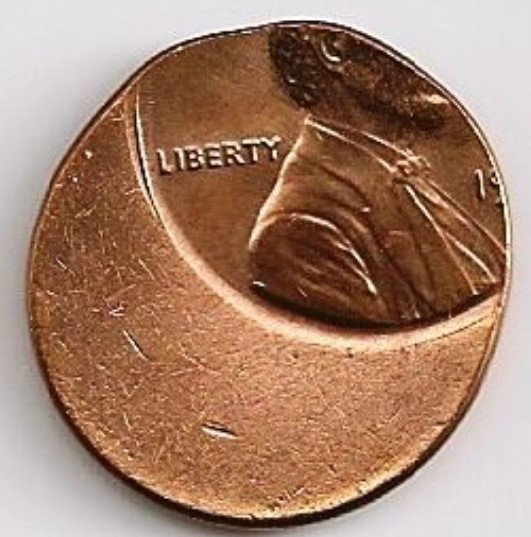
6. Off-Center Strikes
An off-center coin is struck when the blank is not seated properly, causing part of the design to miss the planchet. The result is a coin with an uneven image and a blank crescent where metal received no impression. These errors continue to attract attention because they are visually immediate.
No specialist language is needed to understand that a cent, nickel, or quarter should not have part of its design shifted off the edge. Off-center pieces from modern circulation are among the best-known error types searched for in rolls and loose change, especially when the date remains visible.
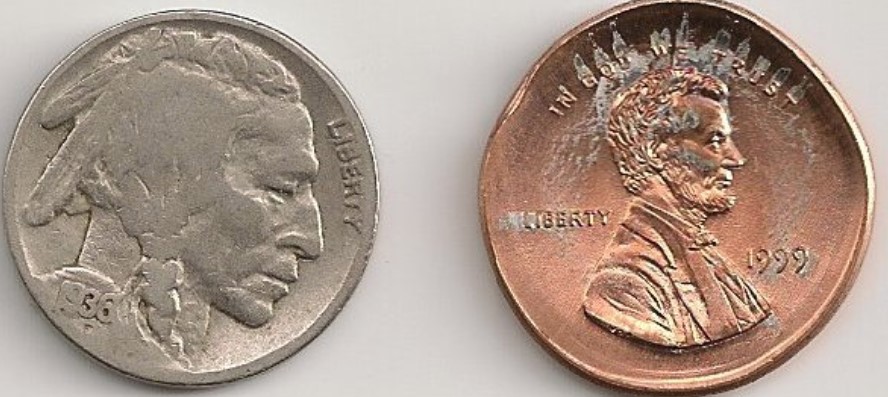
7. Broadstrikes and Other Collar Errors
Coins are normally struck within a retaining collar that gives them their final shape and edge. When that step fails, a coin may spread out wider than normal, creating what collectors call a broadstrike, or show other edge-related abnormalities. These mistakes do not depend on a rare date. They depend on a moment in production when the coin was not properly constrained. That makes them a useful reminder that pocket-change searching is often less about a specific year and more about paying attention to shape, edge, and proportions. A coin that feels too wide, too flat at the rim, or oddly formed can warrant a closer look.
The most persistent lesson in circulation searching is simple: the best clues are often visual. Missing letters, absent mint marks, mismatched designs, and strangely shaped rims tend to reveal themselves long before a collector knows the technical term. Most change will remain exactly what it appears to be. Still, the continued attention given to errors such as the 1937-D three-legged Buffalo nickel and the 2000-P Sacagawea dollar mule explains why people keep checking jars, trays, and pockets: once in a while, a common coin is not common at all.

