
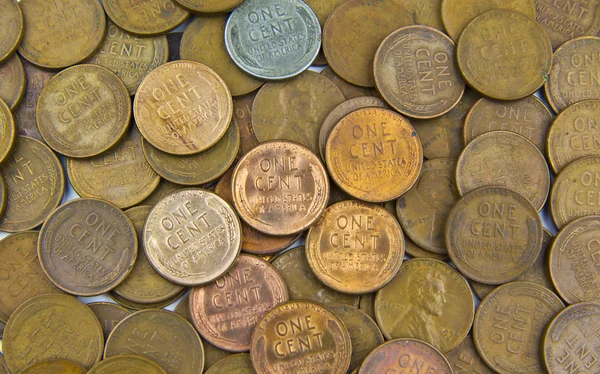
Wheat pennies reward close looking. Their most important clues are rarely dramatic at first glance; they tend to hide in a letter that looks too soft, a date digit that does not match its neighbors, or a reverse that appears sharper than the front should allow.
For collectors, rarity often begins with diagnosis rather than age alone. Across the Lincoln Wheat series, especially on celebrated pieces such as the 1922 No D and the 1955 doubled-die obverse, a handful of repeatable details help separate ordinary cents from coins worth a second look.
1. A missing mintmark that should not be missing
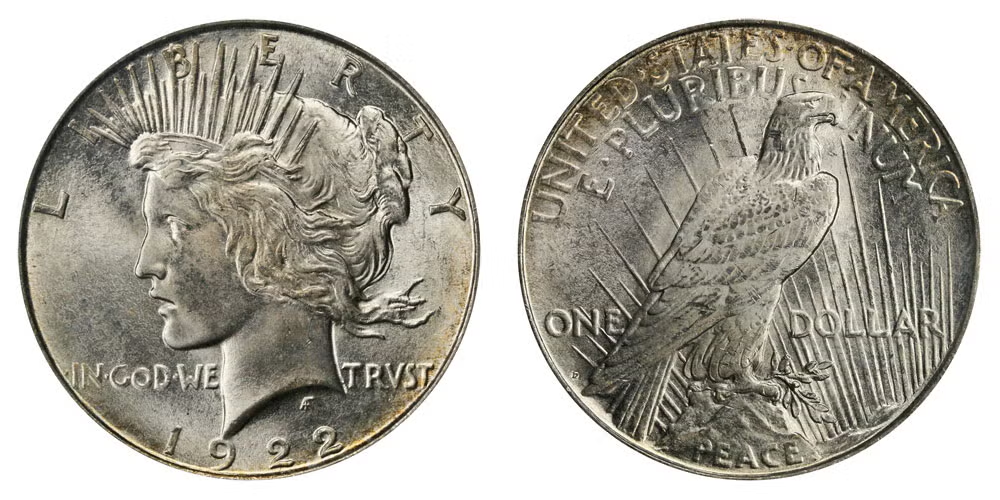
One of the best-known Wheat cent diagnostics begins with a simple question: should a mintmark be there at all? In 1922 only the Denver Mint was responsible for producing Lincoln Cents, which means a 1922 cent without a visible D immediately invites scrutiny.
That absence alone is not enough to confirm rarity, because wear can weaken small details. Still, collectors treat a missing or ghostlike D on 1922 cents as a major signal to inspect the rest of the coin. On genuine varieties, the missing mintmark is tied to specific die problems rather than random circulation damage.
2. The strength of the reverse compared with the obverse
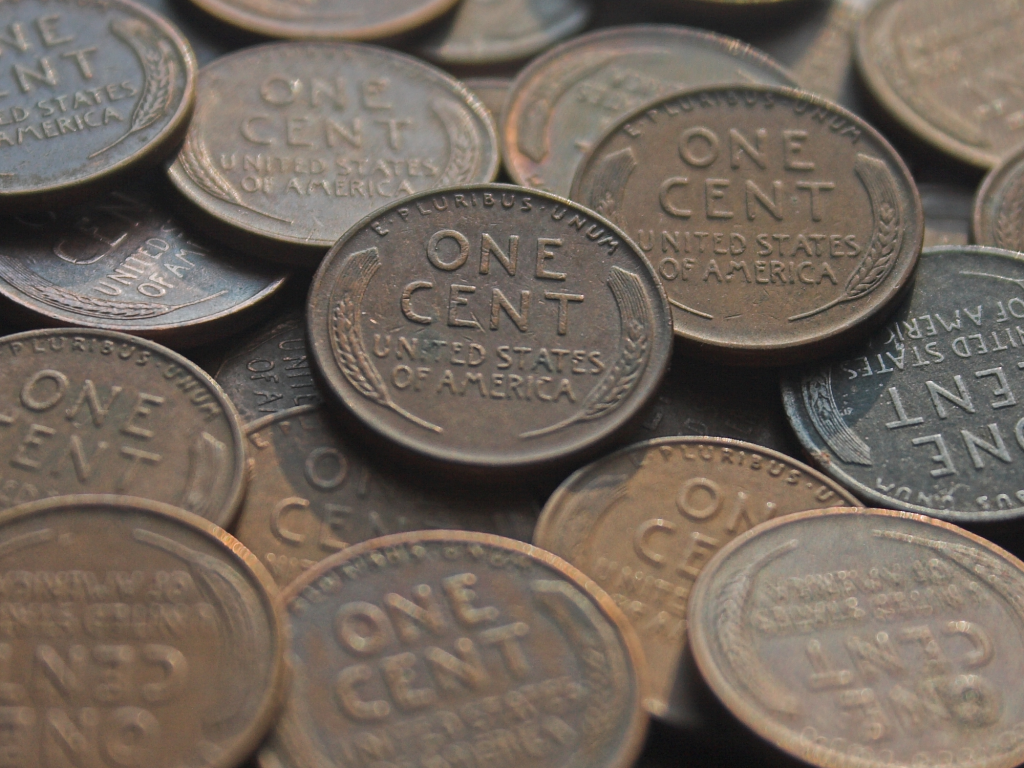
Collectors often compare both sides of a coin before deciding whether an apparent error is meaningful. The famous 1922 Plain, also known as the No D strong reverse, stands apart because it combines a soft obverse with unusually crisp reverse details.
That mismatch matters. According to variety research, the Strong Reverse variety recognized today as FS-401 was created when an over-polished obverse die was paired with a fresher reverse die. By contrast, other 1922 weak D and no D pieces often show weak reverses with fading wheat lines. In practice, collectors look for a coin whose back appears unexpectedly bold for the level of softness seen on the front.
3. Date digits that do not look equally formed
On rare Wheat cent varieties, the numerals can tell their own story. Specialists studying 1922 cents note whether the second 2 is sharper or weaker than the first, because different die pairs created different patterns.
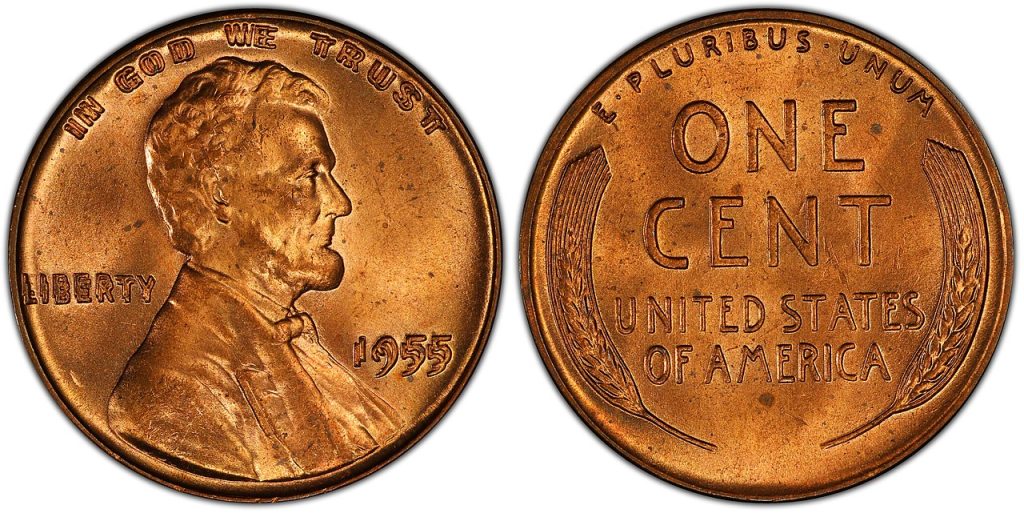
That kind of unevenness is not random decoration. It can point to a particular obverse die and help distinguish a scarce variety from a damaged coin. The same habit of checking the date also helps with the 1955 doubled-die obverse, where the date is part of the most obvious doubling and is widely described as hard to miss on genuine examples.
4. Lettering that turns mushy, sharp, or visibly doubled
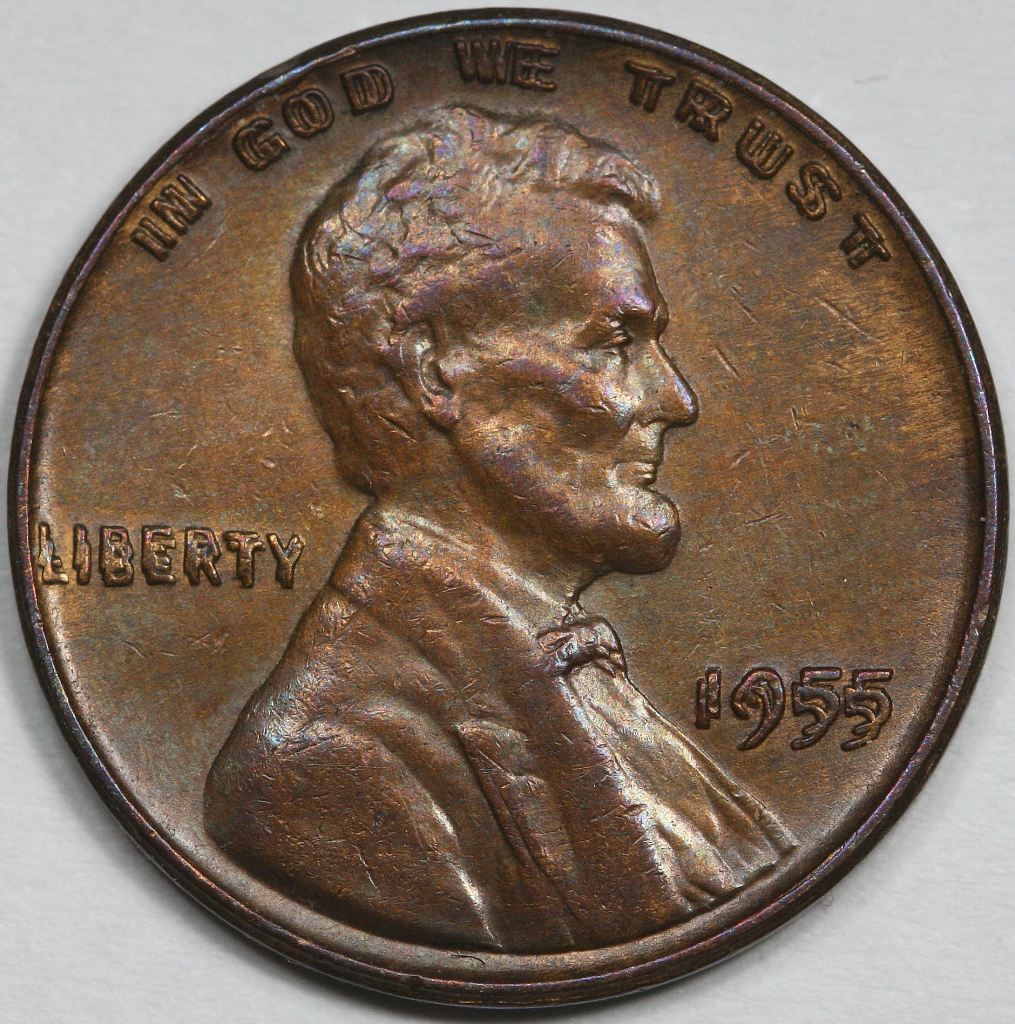
Mottoes and legends are among the first places experienced collectors study. On 1922 varieties, the words IN GOD WE TRUST and LIBERTY can shift in sharpness from one die pair to another, with some coins showing notably mushy WE or stronger letters in TRUST.
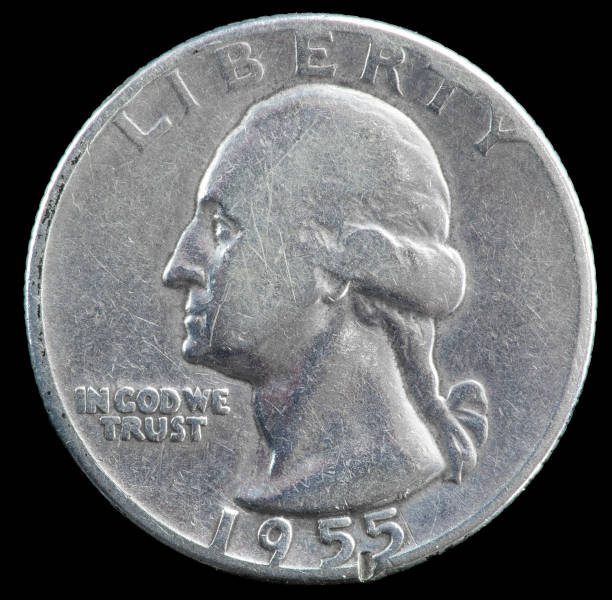
On the 1955 doubled-die obverse, lettering becomes even more important because “IN GOD WE TRUST” and the word “LIBERTY” are very clearly doubled. This is one reason the variety remains so recognizable. Rather than hunting for vague blur, collectors look for bold, repeated outlines in the inscriptions and date.
5. Contact points with the rim
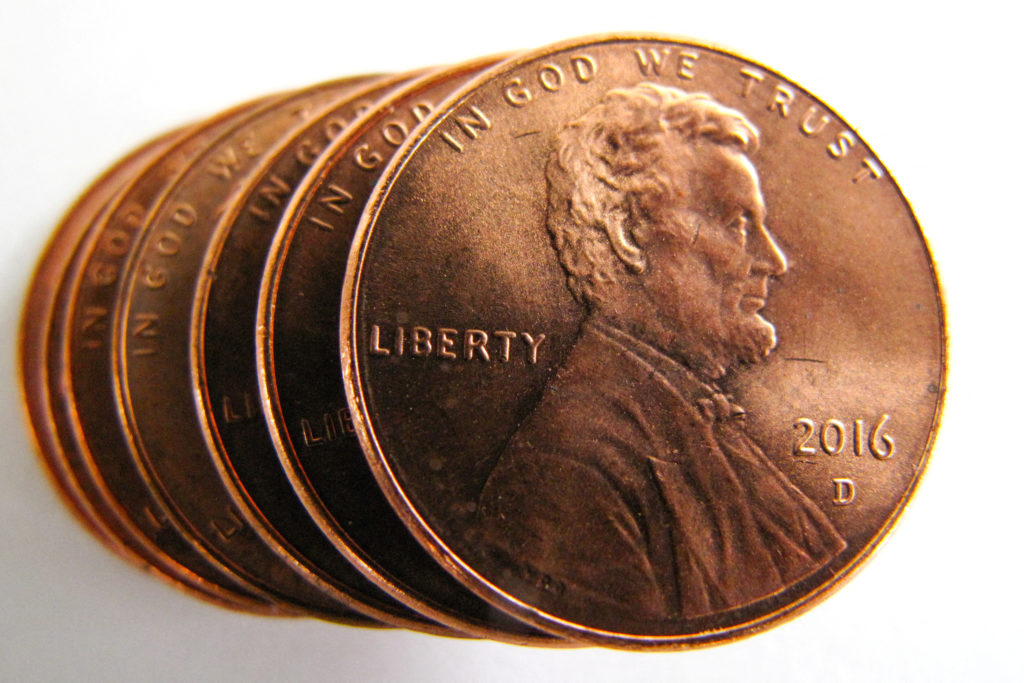
Some of the most useful diagnostics involve where design elements sit against the edge. On certain 1922 die pairs, the L in LIBERTY touches or nearly presses into the rim, while other details around Lincoln’s portrait can help narrow the attribution further.
A particularly memorable example comes from Die Pair 4, nicknamed “coattails.” In a quoted description from ANACS grader Andrew Vickery, “The front of Lincoln’s coat from about 4 o’clock to 5 o’clock appears to merge into the rim”. Collectors favor these rim relationships because they are structural features of a die state, not casual surface distractions.
6. Die cracks, rotation, and other repeat markers
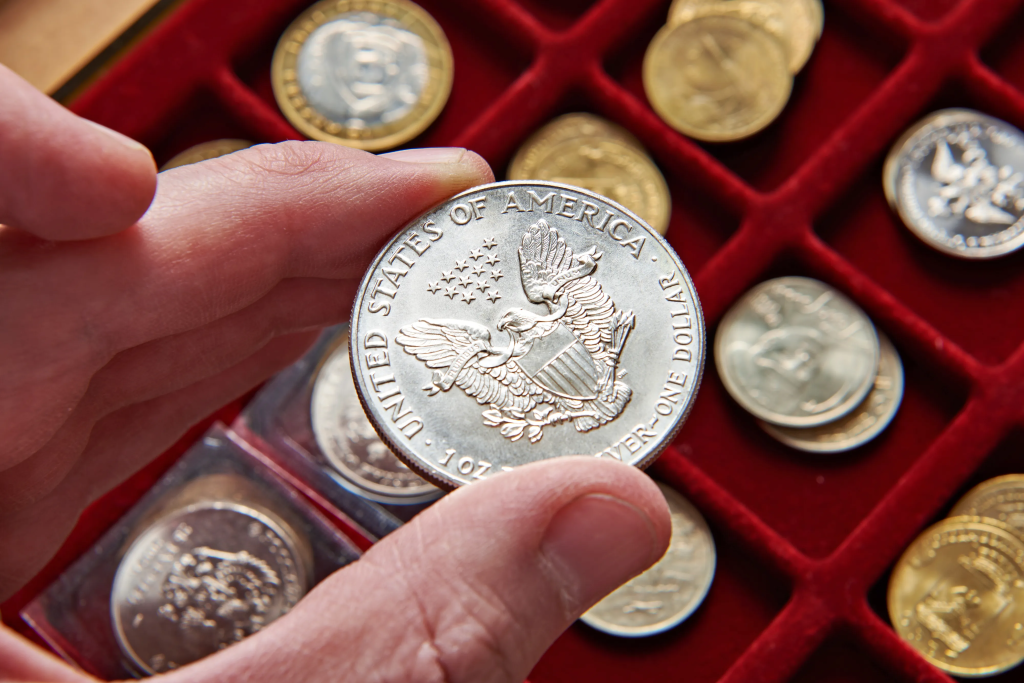
Rarity becomes more convincing when a coin shows a repeating marker known from a specific die. The 1922 weak D and No D families include examples with a “jogging” die crack on the reverse running from L in PLURIBUS through O in ONE, while another variety is noted for a straighter crack in a similar area.
There are subtler markers as well. One die pair has a slightly counterclockwise rotated reverse, and another develops a wavy look around the O in ONE as the die deteriorates. These are the kinds of details collectors trust because they recur from the die itself.
7. Weight and composition checks used carefully, not alone
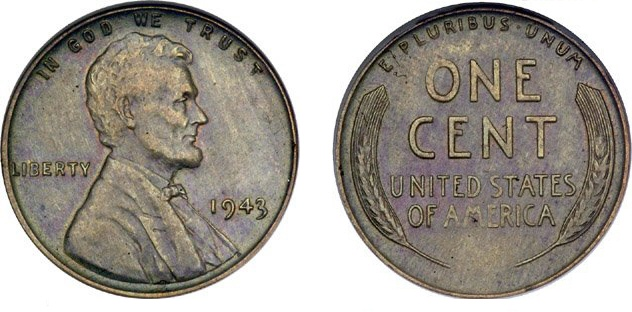
Physical specifications can help eliminate obvious mismatches, but seasoned collectors do not treat a kitchen-scale reading as final proof. Wheat cents were typically struck to standard specifications, and many reference listings for bronze examples note Mass / Weight: 3.11 grams.
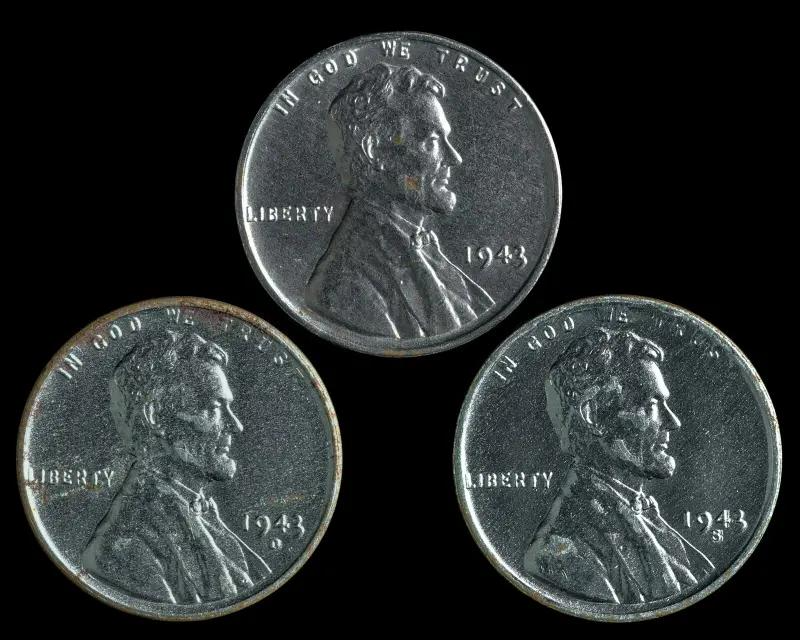
Even so, small weight differences, wear, environmental effects, and inaccurate scales can complicate quick judgments. A published expert exchange about an alleged 1943 copper cent emphasized that basic tests can only go so far and that verification matters most when a coin appears extraordinary. For collectors, weight is best used as a screening tool alongside visual diagnostics, not as the deciding clue.
The appeal of Wheat pennies lies in this blend of history and minute observation. A coin that looks ordinary from across a room can become important under magnification once its lettering, rims, reverse strength, and die markers begin to line up. That is why collectors keep returning to details. In the Wheat series, rarity often announces itself quietly.

