

For many people, a cotton swab feels like part of a normal hygiene routine. Ear specialists describe it very differently: as a common reason wax gets pushed deeper, the skin inside the ear gets injured, and hearing changes start.
Earwax is not simply debris to remove. It helps trap dirt, supports the ear’s natural moisture barrier, and moves outward through a self-cleaning system that usually works without help. That is why doctors keep repeating the same advice: nothing belongs inside the ear canal.

1. Pushing wax deeper instead of removing it
The most common problem with cotton swabs is also the most misleading. The swab may come out with some wax on it, but much of the material is often pushed farther inward, where it can pack tightly near the eardrum. Once wax is compacted in the deeper part of the canal, the ear’s normal outward movement becomes less effective. This can leave hearing muffled, create a feeling of blockage, and make professional removal more likely. According to ear specialists, impacted earwax is a frequent cause of temporary conductive hearing loss.
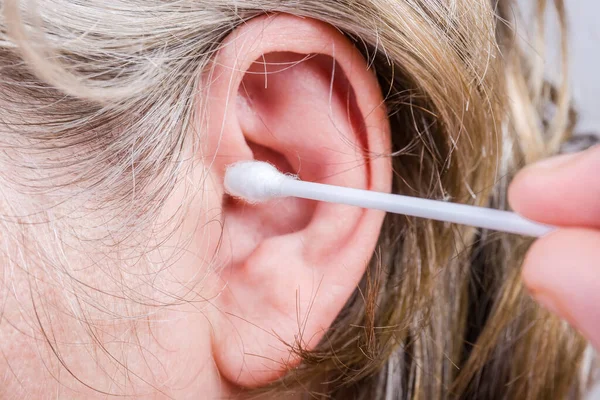
2. Scratching skin that is thinner than most people realize
The lining of the ear canal is delicate. Rubbing it with a cotton tip can create tiny abrasions, even when the motion feels gentle. Those small injuries can sting, bleed, and make the ear more vulnerable to irritation. Doctors warn that repeated friction also removes the waxy coating that helps keep the canal comfortable. Without that protective layer, the ear may become dry and itchy, which often leads to more swab use and more damage.

3. Raising the risk of outer ear infections
Earwax helps block harmful bacteria and fungi while also acting as a light waterproof barrier. Removing too much of it can upset the environment of the outer ear canal, especially after swimming or showering. If a swab also leaves behind small scratches, microbes have an easier path into the skin. That combination can contribute to swimmer’s ear, also called a painful infection of the outer ear. People who deal with recurring ear infections are often advised to stop inserting anything into the canal and have buildup checked by a clinician instead.

4. Accidentally puncturing the eardrum
A perforated eardrum does not require a sharp object with obvious force. Specialists note that even a soft cotton tip can do harm if the hand slips, the person gets bumped, or the swab goes farther than intended. Pain, drainage, and sudden hearing loss can follow. Some injuries heal on their own over weeks, but others need medical treatment or surgery. One of the clearest cautions from otologists is simple: “Accidents are called accidents for a reason.”

5. Triggering dizziness, ringing, or pressure symptoms
When wax is jammed inward or pressure is placed against structures near the eardrum, symptoms can go beyond feeling clogged. Some people notice ringing in the ear, a sense of fullness, or brief vertigo. These symptoms may ease once the obstruction is removed safely. That is one reason doctors treat new tinnitus, dizziness, or pressure as a reason to look inside the ear rather than keep trying to clean it at home.

6. Leaving cotton fibers behind
Swabs do not always stay intact. Small fibers can shed and remain in the ear canal, where they mix with wax or act as a foreign-body irritant. In some cases, specialists have had to remove lodged cotton tips during office visits. What seems like a cleaning tool can become one more thing trapped inside the ear.
7. Using trendy removal tools that are not safer
Cotton swabs are not the only problem. Doctors also caution against ear candles, home scraping gadgets, and many suction or vacuum-style tools sold for wax removal. These products may not work, and some can burn the ear, injure the canal, or press wax into a harder blockage. Mayo Clinic notes that many ear cleaning home remedies are not well studied and may be dangerous. Ear candling in particular is not recommended.

8. Ignoring safer ways to handle wax
Most ears need very little cleaning. A tissue or washcloth can be used on the outer ear only, especially after bathing, when wax that has already migrated outward is easy to wipe away. If wax buildup causes muffled hearing, fullness, itching, trapped water, or ringing, clinicians may remove it with suction, curettes, or careful irrigation.
For selected patients, doctors may also suggest earwax-softening agents such as mineral oil, saline, olive oil, or carbamide peroxide drops used exactly as directed. People with ear infections, eardrum openings, ear tubes, recent ear surgery, or repeated ear problems are generally told to get medical guidance before trying drops at home.
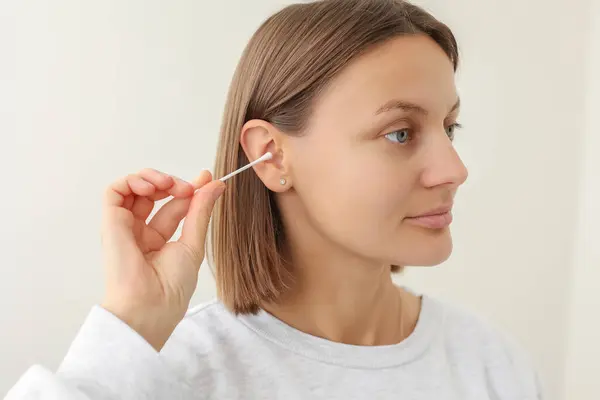
The larger message is straightforward. Earwax is usually a protective part of ear health, not a sign of poor hygiene. When ears feel blocked, painful, itchy, or suddenly different, the safer move is evaluation, not a swab. In many cases, the best ear-cleaning habit is leaving the ear canal alone.

