
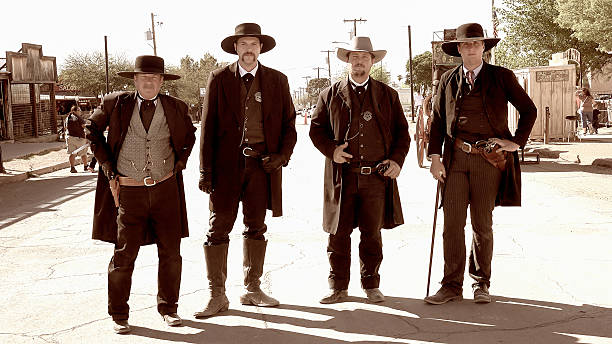
The Old West survives in popular memory as a place of noon duels, flawless aim, and men who seemed born with a revolver in hand. The historical record tells a rougher, stranger story. Many of the people later branded as gunfighters were gamblers, drifters, scouts, saloon keepers, petty criminals, or lawmen whose careers blurred into one another.
That gap between legend and lived reality is what keeps these figures fascinating. Their fame often came less from clean showdowns than from courtrooms, newspaper exaggeration, ambushes, disputed body counts, and the machinery of myth itself.
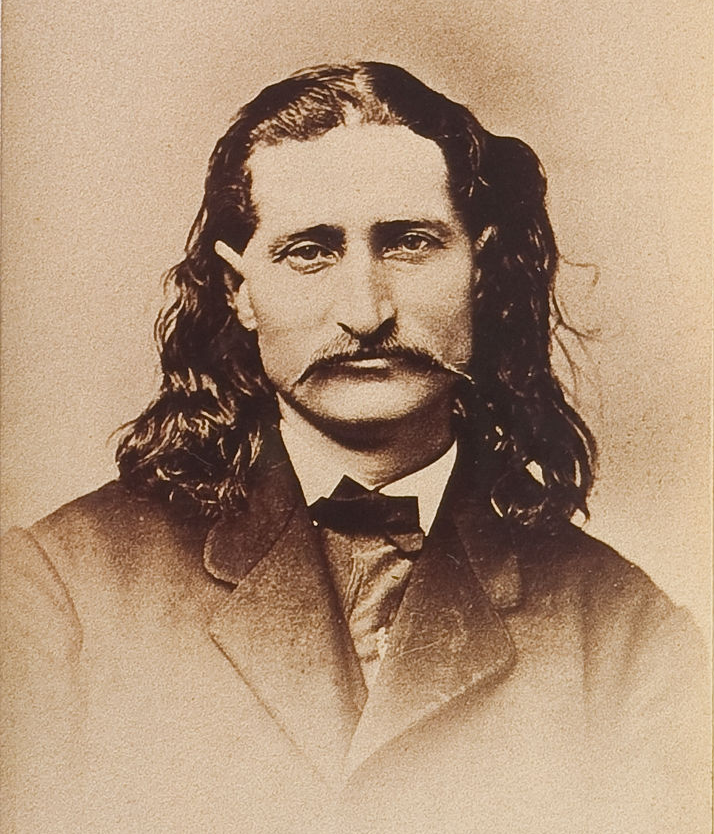
1. Wild Bill Hickok was famous as much for publicity as marksmanship
James Butler Hickok became one of the best-known names of the frontier after a public shooting in Springfield, Missouri, in 1865. The distance often attached to the encounter, about 75 yards, suggests something more deliberate than the lightning-fast draw later popular culture preferred. It was a moment built on nerve and aim, not theatrical speed.
His image grew because print culture was ready for it. Later researchers recovered court proceedings and a coroner’s report that helped separate witness testimony from later retellings. Hickok also understood the value of reputation and helped circulate his own exploits, which made him not only a frontier celebrity but an early example of self-made legend.
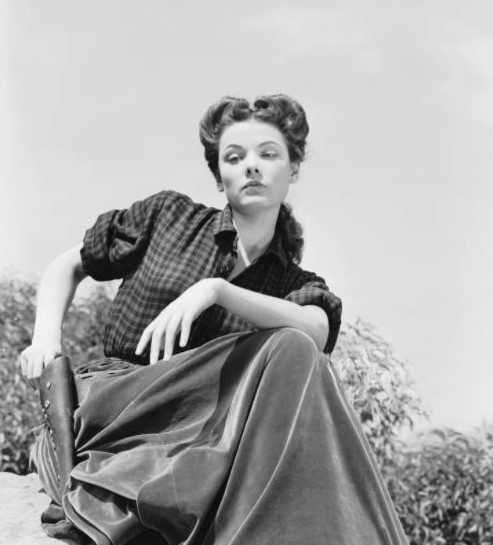
2. Belle Starr became a national symbol from a life that remained partly unknowable
Belle Starr’s notoriety owes much to what could not be pinned down. Her 1889 murder outside her Oklahoma home never produced a settled answer, and that uncertainty invited generations of embellishment. A dramatic wardrobe and the label “bandit queen” often did more work in public memory than verified biography.
Her fame also exposed how the eastern reading public consumed the West. Sensational stories turned partial facts into a ready-made persona, and Starr became a case study in how celebrity could outrun evidence. In that sense, her story feels strikingly modern.
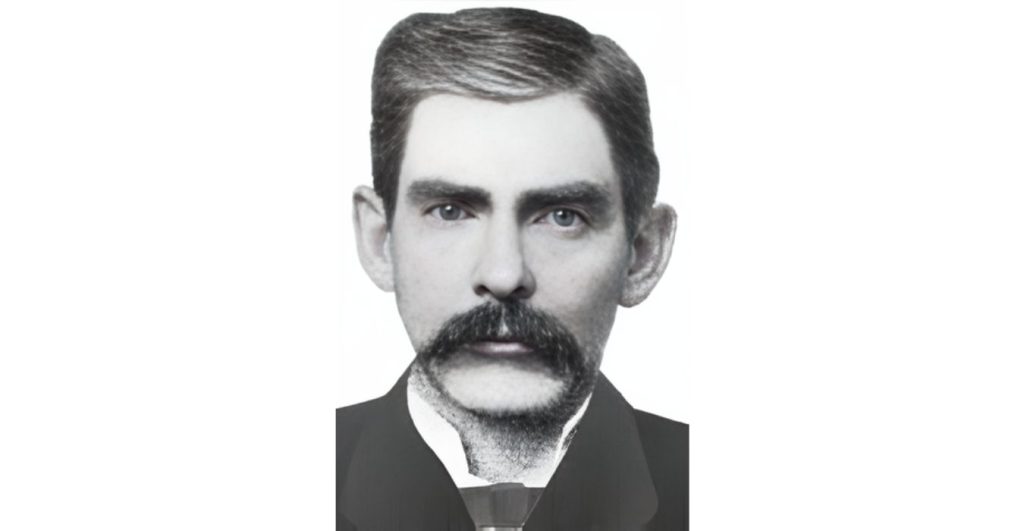
3. Doc Holliday was a trained dentist whose illness shaped his entire legend
John Henry Holliday entered western lore with one of the strangest résumés on the frontier: he was a dentist, classically educated, and seriously ill. Tuberculosis pushed him west, where gambling became his livelihood when regular dental work became difficult. Wyatt Earp later described him as “a gentleman whom disease had made a vagabond.”
That contradiction is central to his hold on the imagination. Holliday looked frail, dressed carefully, and moved through saloons with the manner of an educated man, yet he developed a fearsome reputation. At Tombstone, the violence attached to his name came not from a staged duel but from a chaotic burst in which over thirty shots were said to have erupted in seconds. His life reflected a broader frontier truth: many supposed gunfighters were precarious men living with sickness, unstable work, and little certainty about how long they had left.
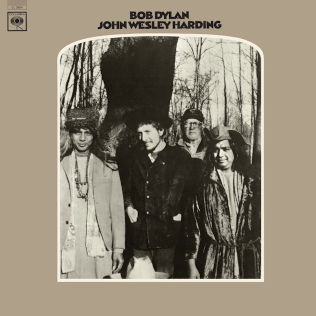
4. John Wesley Hardin built his own legend with numbers historians dispute
Hardin remains notorious partly because he was one of his own loudest promoters. He claimed to have killed more than 40 men, while historians often place the likely total far lower, closer to about 20. That difference matters because reputation in the West could function like currency.
Raised by a Methodist minister, Hardin did not fit the simple template of the born outlaw. His life moved through violence, prison, legal study, and a late attempt at respectability. Even then, he met an end that was more typical of the West than any showdown: he was shot from behind in an El Paso saloon.
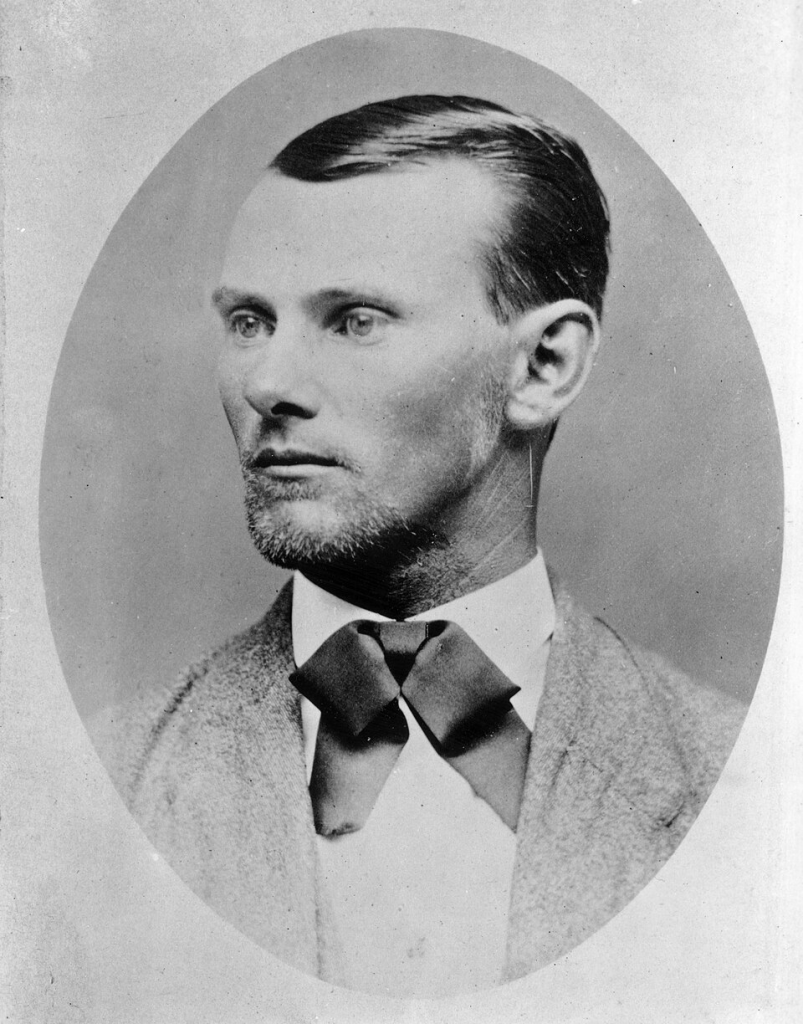
5. Jesse James survived as a folk hero despite a career built on robbery
Jesse James became one of the clearest examples of myth overpowering arithmetic. After the Civil War, he and his gang robbed banks, trains, and stagecoaches, but sympathetic storytelling often cast him as a rebel rather than a criminal. The Robin Hood tint endured even though his crimes did not match that image.
His death only sharpened the paradox. Robert Ford shot him from behind, turning James from active outlaw into permanent legend. The manner of his death stripped away the fantasy of heroic combat, but it also made him even more marketable in memory.
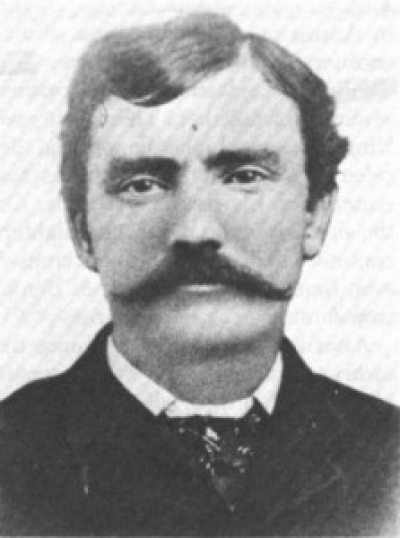
6. King Fisher showed how easily outlaw and lawman identities could overlap
John “King” Fisher embodied one of the most revealing frontier patterns: the same man could be treated as dangerous, respectable, and useful at different points in the same life. He was known for showy dress, personal magnetism, and lethal capability, while moving between outlaw status and law enforcement work.
That fluidity was not unusual in a region where law was present, if spread thin. The West did not sort people neatly into heroes and villains. Fisher’s ambush death in San Antonio reinforced that reality. Many frontier killings were practical, sudden, and deeply uncinematic.
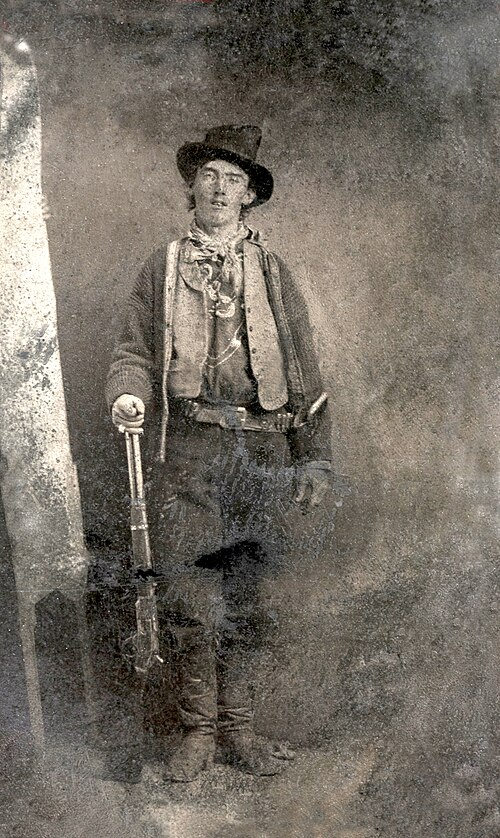
7. Billy the Kid became a legend partly because even death did not settle his identity
Billy the Kid entered history young, rootless, and already entangled in the Lincoln County War. He was long credited with killing 21 men, one for each year of his life, though scholarship has generally cut that number sharply. The statistic lasted because it was memorable.
His afterlife may be even more revealing than his crimes. The widely repeated account of his death in Fort Sumner centers on confusion in the dark, not a formal duel. Yet the myth proved so resilient that men claimed to be Billy the Kid for decades afterward. Few frontier figures better show how a usable identity could outlive the body attached to it.
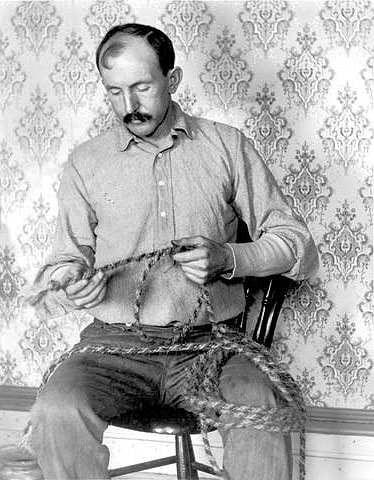
8. Tom Horn turned frontier violence into paid work
Tom Horn’s story carries the West away from personal feud and toward something colder. He worked as a scout and tracker before becoming associated with cattle interests in the range wars of the 1890s, when violence could be hired as a business tool. That made his reputation especially durable.
He was convicted in the killing of 14-year-old Willie Nickell, and the case remained controversial because it combined confession, retraction, and disputed motive. One statement attributed to Horn still lingers as a summary of his self-image: “If I get killed now I have the satisfaction of knowing I have lived about 15 ordinary lives.” His life suggests that the West’s harshest violence was not always impulsive. Sometimes it was organized, compensated, and folded into local power.
Taken together, these eight lives point away from the tidy gunslinger of film and dime fiction. The very term “gunslinger” is a modern, 20th-century invention, and many of the people associated with it would have recognized only parts of the role.
What endures is not the duel, but the distortion that followed: biographies, trial records, rumors, and retellings that kept turning difficult people into portable myths. The real West was less polished than legend, and far more revealing because of it.

