
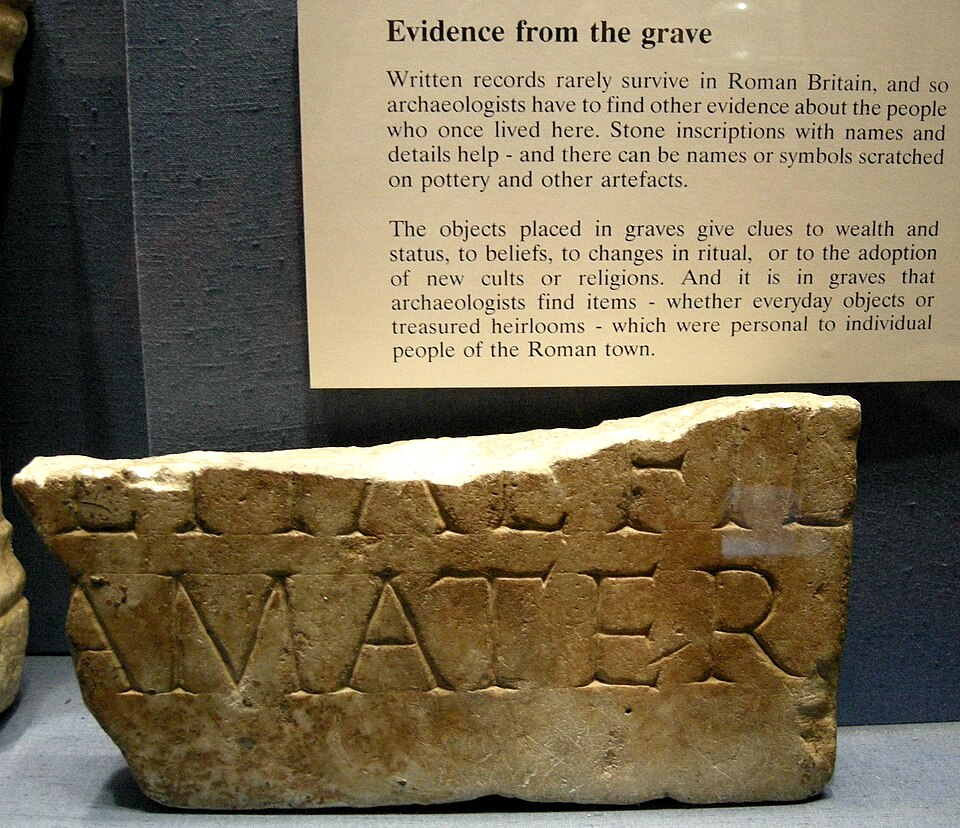
The Exodus has long been treated as a yes or no question, as if one dramatic artifact should settle everything at once. Archaeology rarely works that way, especially in the Nile Delta, where mudbrick, water, and time erase more than they preserve.
What has kept the discussion alive is not a single smoking gun, but a cluster of clues. Texts, labor scenes, border landscapes, and inscriptions from Egypt continue to matter because each one touches a different part of the tradition: migration, forced work, memory, identity, and the emergence of Israel as a people.
1. A servant list that places Semitic households inside Egypt
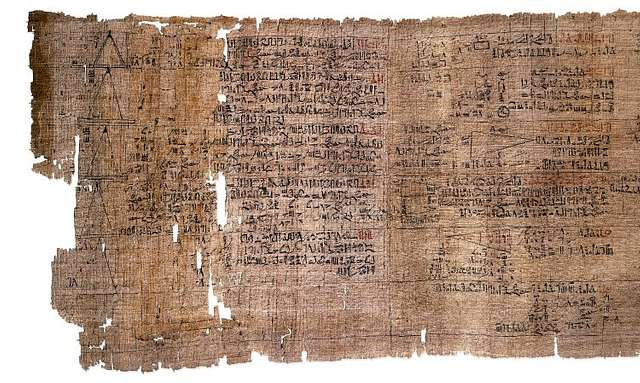
Papyrus Brooklyn 35.1446 remains one of the clearest background clues in the debate. The document records 95 household servants, and a substantial share of the names are Semitic rather than Egyptian. It does not identify Israelites, and it says nothing about Moses or a departure from Egypt. Its value is more basic and more durable: it confirms that West Semitic people were present within Egyptian domestic and labor systems, which is the kind of social setting the Exodus tradition assumes.
2. Brickmaking scenes that match the texture of the biblical memory
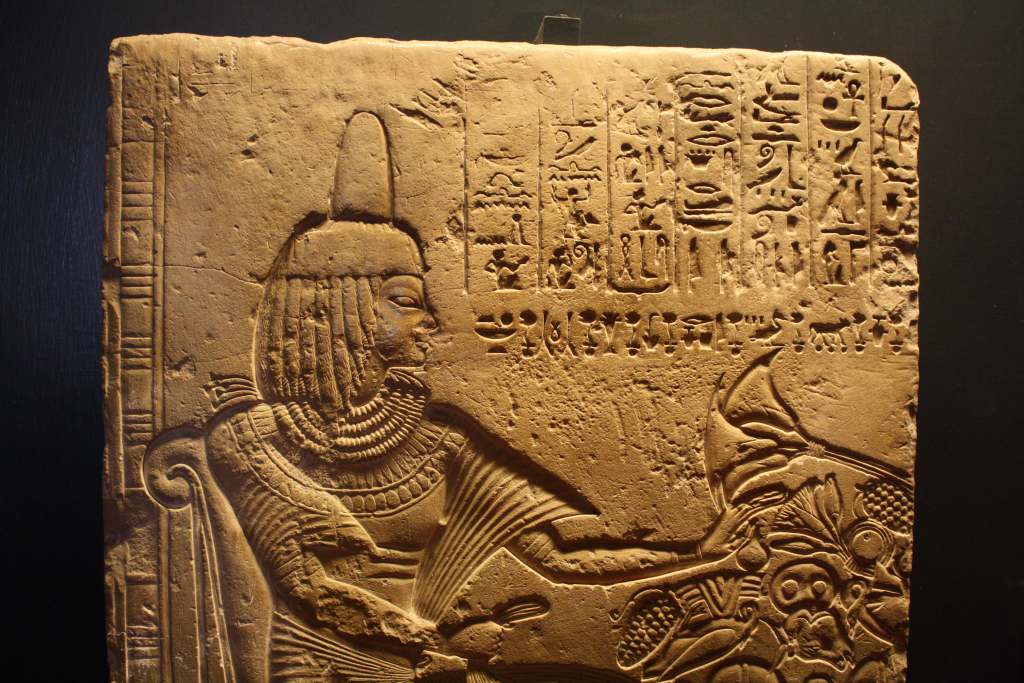
Egyptian tomb art and administrative material preserve a world of mud, straw, quotas, and oversight. The visual record includes workers mixing materials, shaping bricks in molds, and laboring under supervision, while texts from Egypt also mention shortages tied to brick production. That combination matters because the Exodus story lingers on the physical details of labor rather than offering vague oppression language. Even without naming Hebrews, the Egyptian evidence shows that the brickmaking imagery fits real practice in ancient Egypt.
3. Manetho’s hostile story about a Moses like expulsion
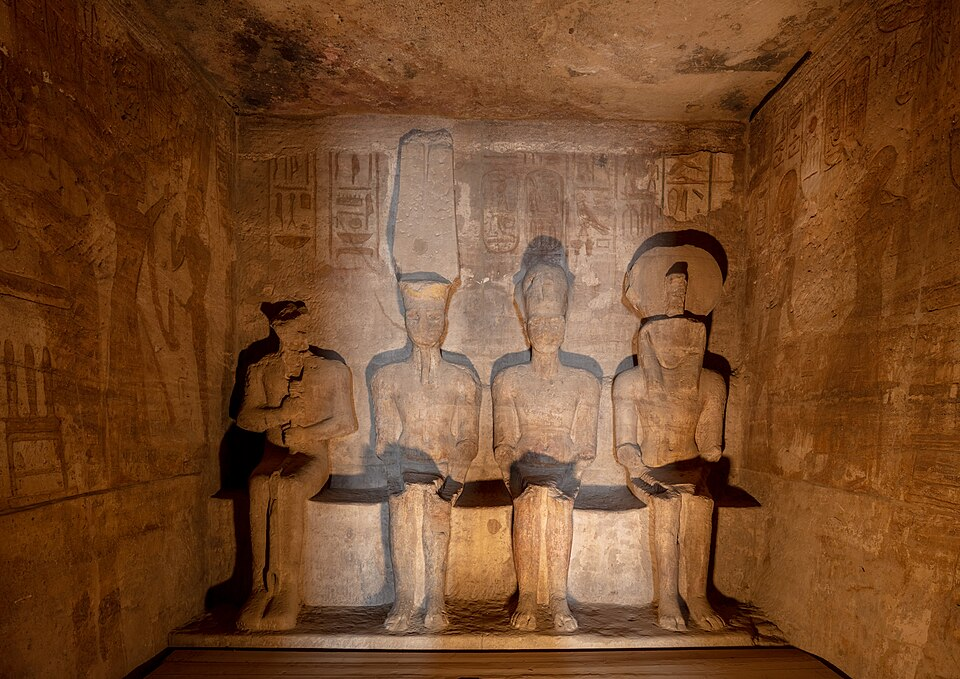
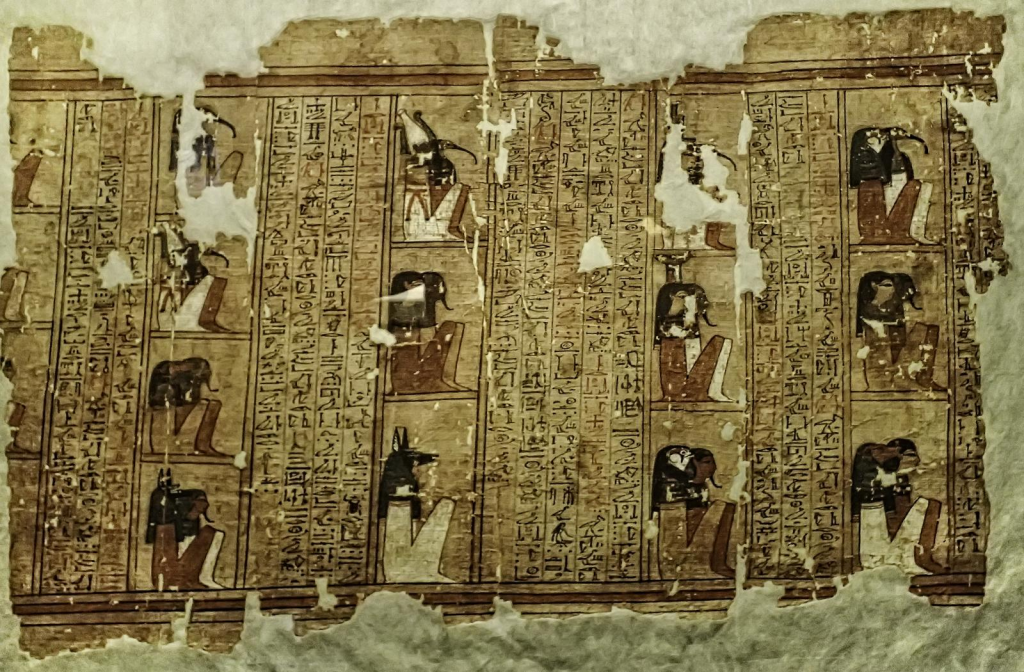
One of the strangest evidence threads comes from Manetho, an Egyptian historian known mainly through later preservation. In his version, a marginalized group in Egypt is associated with a renegade leader called Osarseph, who later takes the name Moses. The account is polemical, not neutral, and that is precisely why scholars continue to revisit it. Egyptian hostility toward foreigners, religious disruption, and expulsion are all folded into the story, suggesting that some kind of memory about a disruptive departure circulated in Egyptian tradition, even if preserved in distorted form.
4. A crisis text describing foreigners and disorder inside Egypt
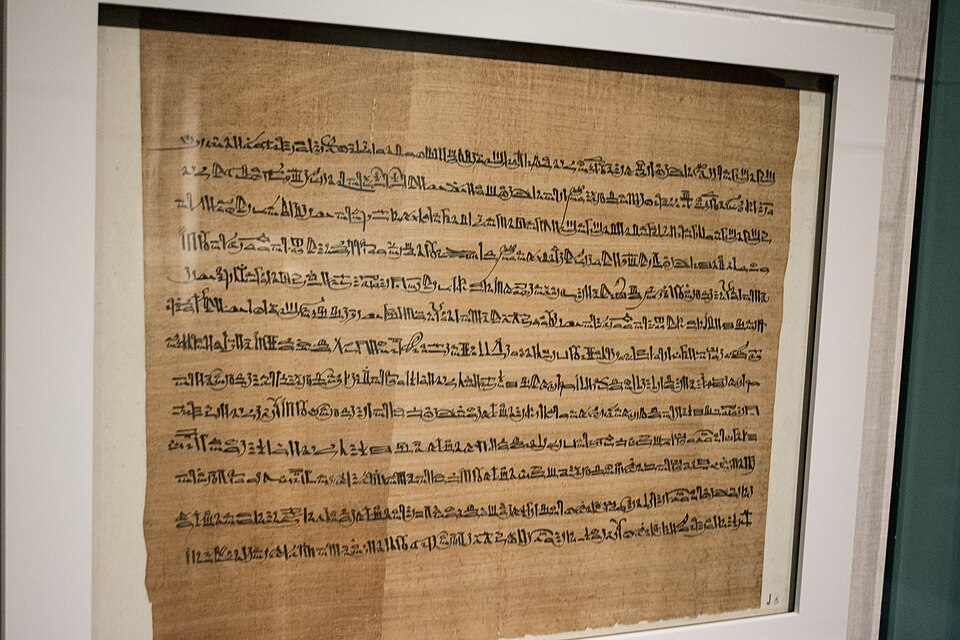
The Great Harris Papyrus adds another layer. It refers to a period of upheaval involving a foreign-linked figure described as an “irsu,” along with disrupted order and a later restoration under royal authority. That does not turn the document into an Exodus account, but it shows that Egyptian records themselves preserved episodes in which outsiders were tied to internal instability. For a debate often framed as if Egypt left no room at all for such memories, that detail keeps the conversation open.
5. The “sea of reeds” looks more geographical than symbolic
The phrase often rendered “Red Sea” is widely understood to point to a marshy frontier zone, a sea of reeds rather than open deep water alone. Egyptian frontier imagery, including the Seti reliefs, depicts a border threaded with fortifications and watery barriers, and geological work has supported a canal linked lake system in the eastern frontier. That older landscape helps explain why the route traditions sound so waterlogged in places that now appear dry. It shifts the discussion away from modern maps and back toward an ancient environment shaped by wetlands, channels, and border defenses.
6. Early alphabetic inscriptions make written memory easier to imagine
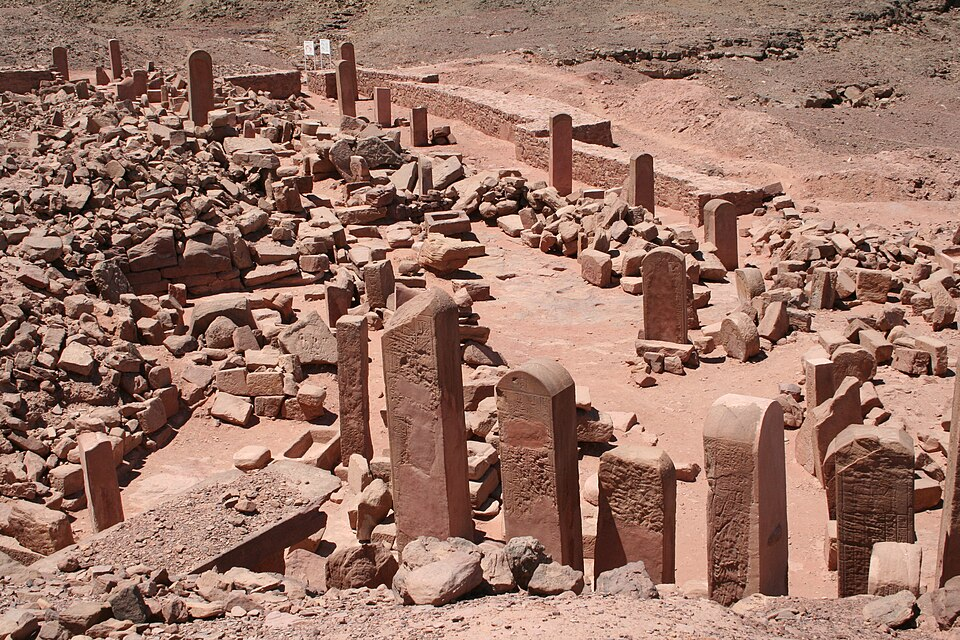
At Serabit el-Khadim in Sinai, Semitic workers adapted Egyptian signs into an early alphabetic system. These inscriptions are generally dated to the mid-second millennium BCE and show that simple alphabetic writing existed in the right broad region and era. That does not prove who wrote any biblical tradition. It does, however, weaken the old assumption that a figure associated with Egypt and Sinai belonged to a world without practical writing tools for Semitic speakers.
7. The Levites may preserve a smaller Egyptian memory inside Israel
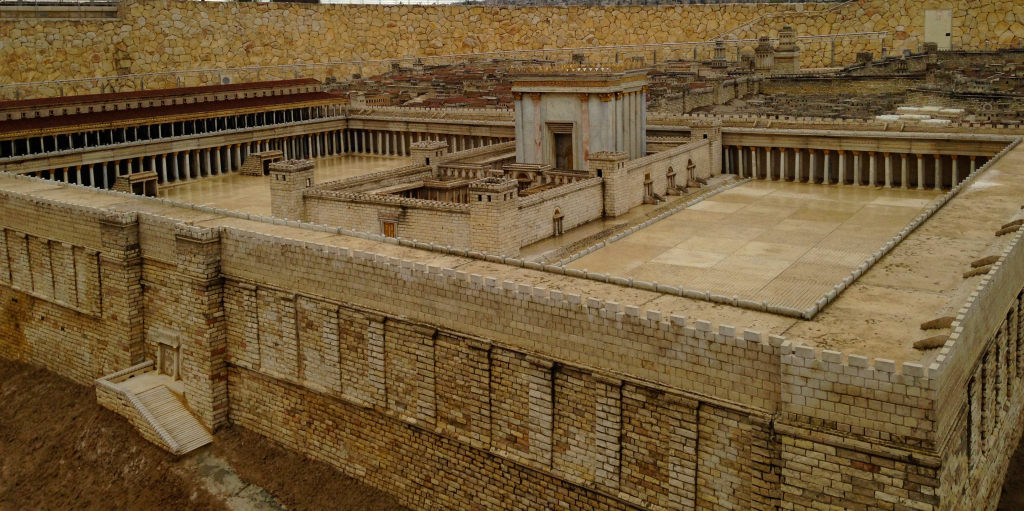
Some scholars no longer treat the Exodus as an all or nothing migration story. Instead, they focus on the possibility that a smaller group carried an Egyptian experience into early Israel, with the Levites often placed at the center of that memory. Egyptian style personal names, distinctive ritual links, and sanctuary traditions have all fed that discussion. In that model, the national story grows from the memory of one group whose experience was later shared more widely.
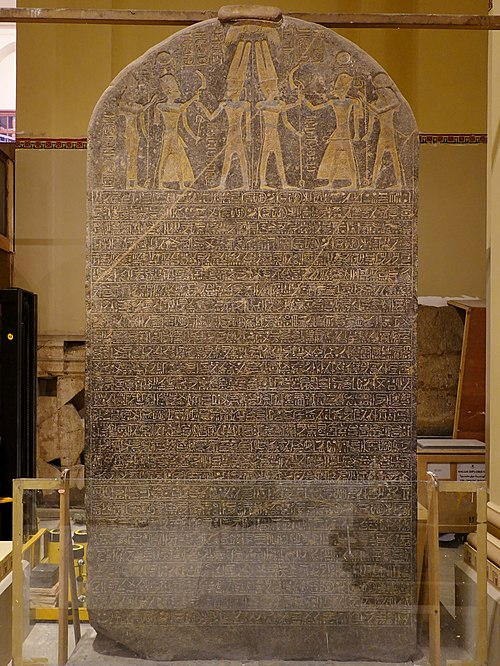
8. The Merneptah Stele still matters, even with debate around it
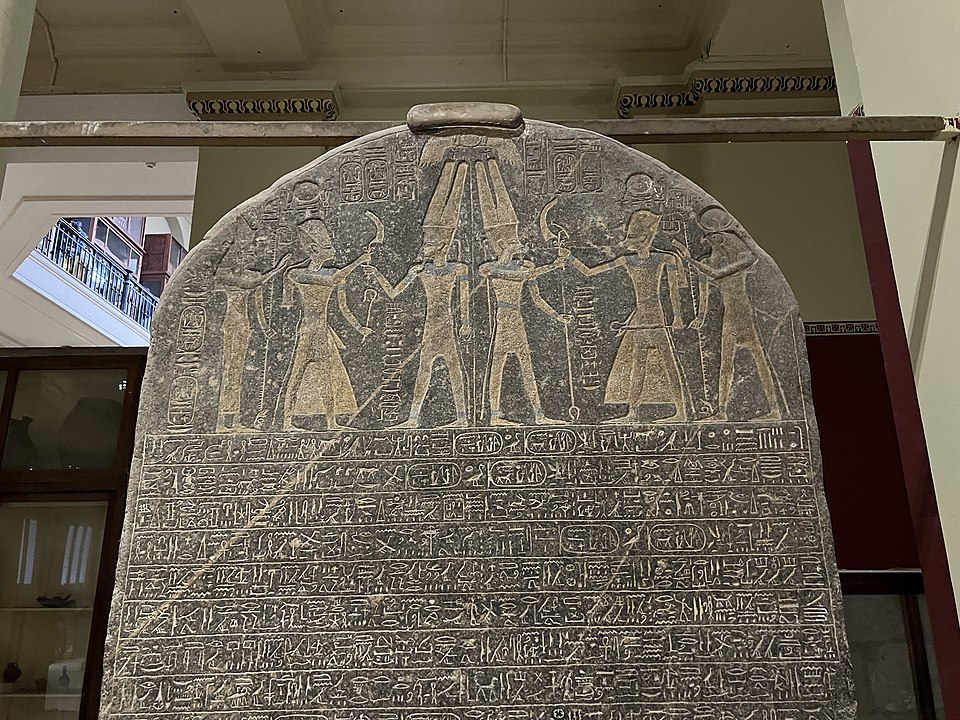
The Merneptah Stele is famous because it contains the oldest securely dated mention of “Israel” outside the Bible. Just as important, the inscription marks Israel as a people rather than a city-state. That small grammatical choice has big consequences: it suggests Egypt recognized Israel as a social group in Canaan rather than a single urban center. Scholars also note that its boastful destruction language belongs to a wider ancient habit of exaggeration, not a literal final erasure, which makes the inscription more useful for identity than for conquest history.
9. A possible earlier mention of Israel complicates the timeline
The Merneptah inscription may not stand alone forever. A debated Egyptian inscription from Berlin has been read by some scholars as a possible reference to Israel around 1400 B.C.E. Not all specialists accept that reading, and the disagreement is part of the story. Even so, the proposal shows how unsettled the early timeline remains and why tidy conclusions about when Israel first appeared continue to fray under closer study.
No single discovery forces a verdict on the Exodus. That is exactly why the question persists. The Egyptian material is strongest not when it is pushed to say too much, but when it is allowed to do what archaeology does best: reveal settings, systems, and recurring memories. Taken together, these nine clues do not close the case. They explain why it refuses to close.

