
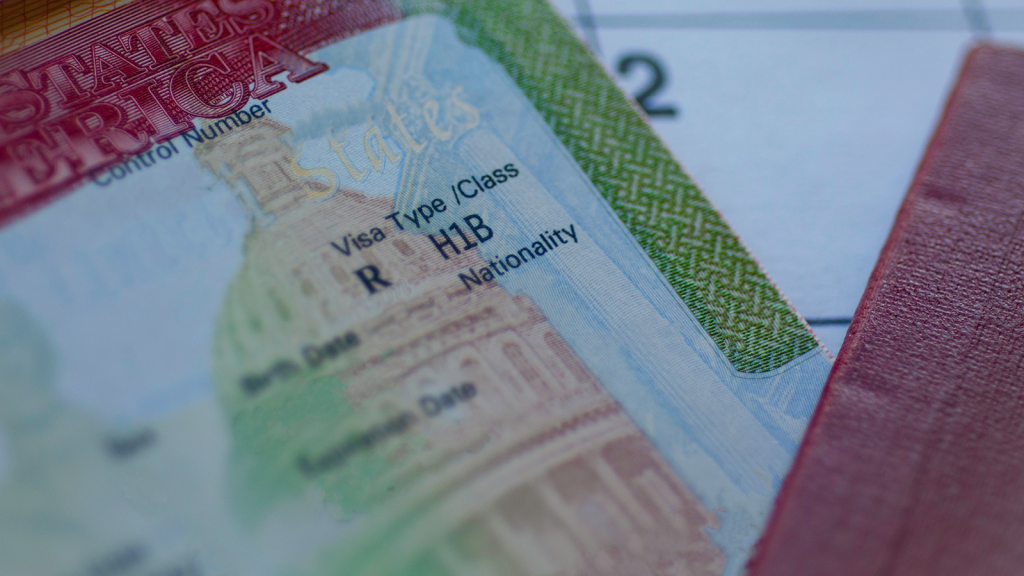
The H-1B system has long functioned as a pressure valve for employers hiring specialized talent, especially in technology, engineering, research, healthcare-adjacent work, and corporate operations. That balance shifted after a $100,000 fee for most new H-1B petitions began reshaping hiring decisions for workers outside the United States.
The change has not landed evenly. Some companies have said they will keep sponsoring candidates, while others have narrowed eligibility, paused offers, or rewritten job postings to favor applicants already authorized to work in the country. What looks like an immigration policy change on paper is increasingly showing up as a labor-market filter.

1. Walmart is pulling back despite being one of retail’s biggest H-1B users
Walmart paused hiring candidates who require H-1B visas, even though it has been one of the largest retail users of the program. According to government approvals in the first half of 2025, the company accounted for more than 2,000 H-1B visas, placing it at the top of the retail sector.
The move matters because Walmart is not a niche employer. With roughly 1.6 million U.S. workers, its hiring posture can influence how other non-tech employers think about specialized international recruiting. A company spokesperson said Walmart remains “committed to hiring and investing in the best talent to serve our customers, while remaining thoughtful about our H-1B hiring approach.”

2. Tata Consultancy Services is shifting harder toward local hiring
Tata Consultancy Services, one of the largest historical users of H-1B visas, has said it will no longer hire applicants through the program for new needs, citing a workforce that is already more localized in the United States. That marks a notable adjustment from a company long associated with cross-border staffing models.
The significance is broader than one employer. When a major IT services firm says it can adapt by relying more heavily on an existing U.S. base, it suggests that multinational companies with scale may be better positioned to absorb policy shocks than smaller businesses. TCS executives have described that localization as a strategic cushion rather than a temporary workaround.

3. Cognizant is narrowing access through job-listing language
Cognizant’s approach has been less dramatic but just as consequential: some listings now state that only applicants already authorized to work in the United States without employer sponsorship will be considered. That kind of wording changes the candidate pool before an application is even reviewed.
The company has also said it has reduced reliance on visas over several years and uses them only for select roles. For job seekers, that means the tightening is not always announced through a formal hiring freeze. Sometimes it appears quietly, line by line, in the eligibility section of a posting.

4. Intuitive Surgical showed how uncertainty alone can disrupt recruiting
Intuitive Surgical temporarily paused offers to candidates who required H-1B sponsorship, with notices reportedly appearing across more than 100 job listings. The company later said it was continuing to recruit such candidates after reviewing its processes.
That sequence captured an important feature of the current environment: uncertainty can be almost as disruptive as a permanent rule. Employers do not need to fully exit the program to slow recruitment. A brief pause, legal review, or internal policy reset can delay hiring pipelines for specialized roles that are often hard to fill quickly.
5. The fee is targeting a narrower group than many first assumed
Early confusion around the policy triggered alarm because the plain language appeared sweeping. Subsequent federal guidance clarified that the fee applies prospectively to many new petitions for workers outside the United States, rather than to existing H-1B holders, renewals, or many in-country status changes. USCIS guidance also indicated the policy does not apply the same way to current holders or already filed cases, with new applicants outside the U.S. facing the greatest burden.
That distinction helps explain the emerging employer split. Companies dependent on overseas first-time hires face the sharpest cost increase, while businesses hiring foreign nationals already in the United States may still see the system as usable. The result is not a full shutdown of H-1B hiring, but a rerouting of who gets considered.
6. Large companies may adapt faster than startups and midsize firms
The U.S. Chamber of Commerce challenged the fee in court, arguing that it would be prohibitively expensive for many employers. Neil Bradley, the group’s chief policy officer, said the fee would make the program “cost-prohibitive for U.S. employers, especially start-ups and small and midsize businesses.”
That concern goes beyond legal theory. Big employers with deep budgets, international offices, and established immigration counsel may have alternatives, including shifting work across borders or relying on other visa categories where available. Smaller firms often do not have that flexibility. In practice, the policy may concentrate access to global talent among companies with the most operational room to maneuver, while reducing opportunity for smaller employers that use sponsorship selectively rather than at scale.

7. The impact reaches beyond technology companies
Public discussion often treats H-1B as a Silicon Valley issue, but the affected employers show a wider footprint. Retail, consulting, med-tech, universities, research institutions, and healthcare-linked systems all appear in the conversation. State-level actions in Texas and Florida, for example, have added pressure on public institutions that depend on international hiring for academic and medical roles.
That matters because specialized workforces are not confined to software teams. The H-1B channel has also supported researchers, faculty, engineers, and technical professionals whose work feeds into clinical care, product development, logistics, and higher education.
8. The labor-market effect is showing up as a preference for already-authorized workers
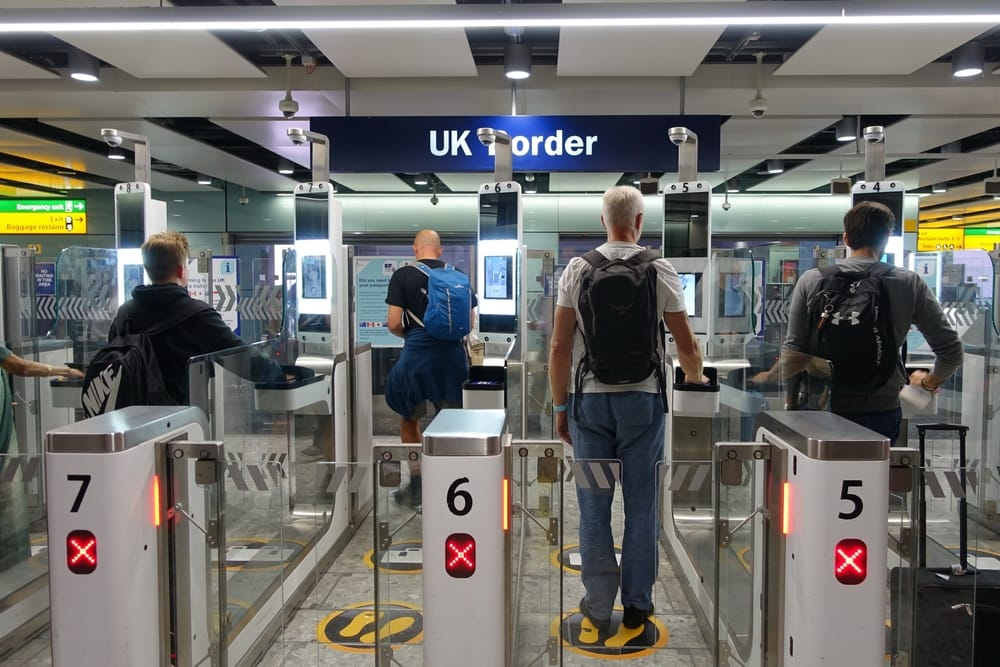
The clearest pattern is not simply that sponsorship is disappearing. It is that many employers are becoming more selective about where a candidate is located and what immigration status that person already holds. The policy has encouraged businesses to favor people already inside the U.S. labor market, including those moving from student status or changing roles domestically, while becoming more cautious about first-time overseas hires.
For workers abroad, that creates a steeper barrier to entry. For employers, it changes recruiting strategy from global search to domestic-first search. And for industries that built hiring systems around international pipelines, it marks a quieter but meaningful reset.
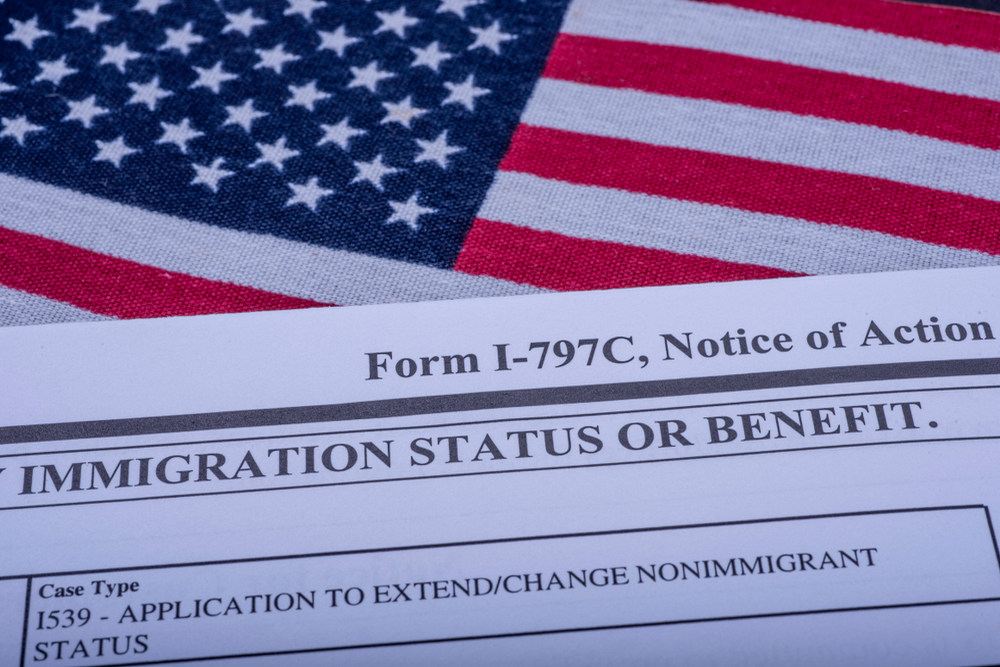
The headline change is a fee, but the deeper shift is in corporate behavior. Sponsorship is not vanishing everywhere; it is becoming narrower, more conditional, and more expensive to justify. That is why the pullback matters. It turns a visa rule into a workplace filter, with consequences for who gets seen, who gets excluded, and which employers can still compete for specialized talent across borders.

