
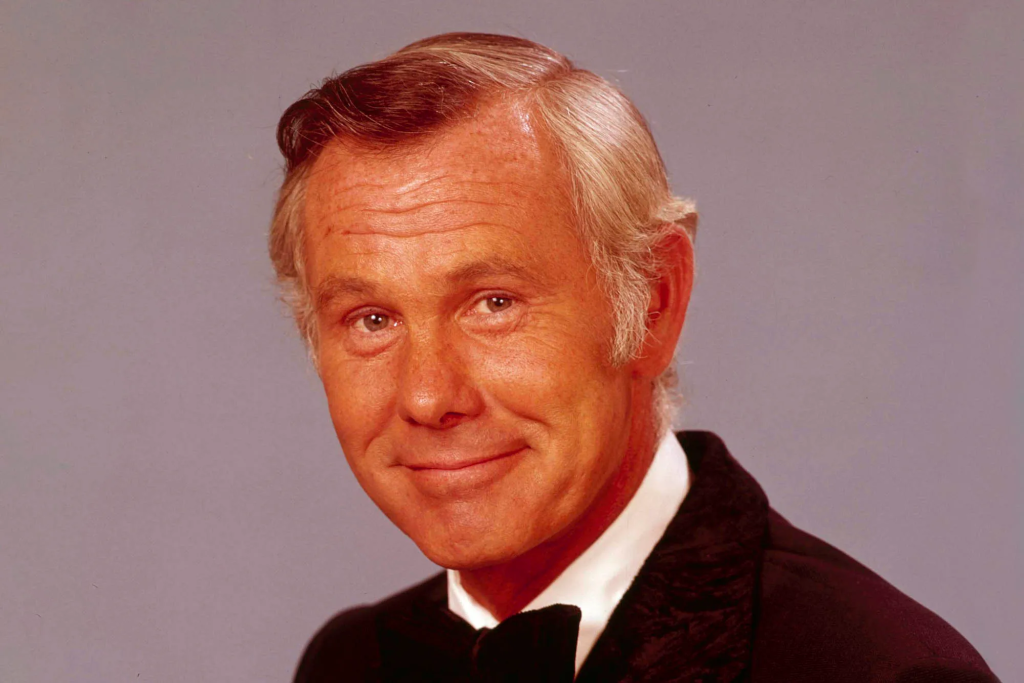
At his desk, Johnny Carson projected ease. Behind it, he was exacting. The host who helped define late night across three decades on NBC also developed a reputation for something far less public: once a guest crossed a line, the invitation could disappear without fanfare.
Accounts around Carson’s booking habits have long described not a theatrical blacklist pinned to a wall, but a practical and often personal system. According to reporting around Mark Malkoff’s biography, some names were still allowed back only when a guest host was in the chair, while Carson himself kept his distance. What mattered most was not celebrity wattage. It was whether a guest fit the discipline of his show.
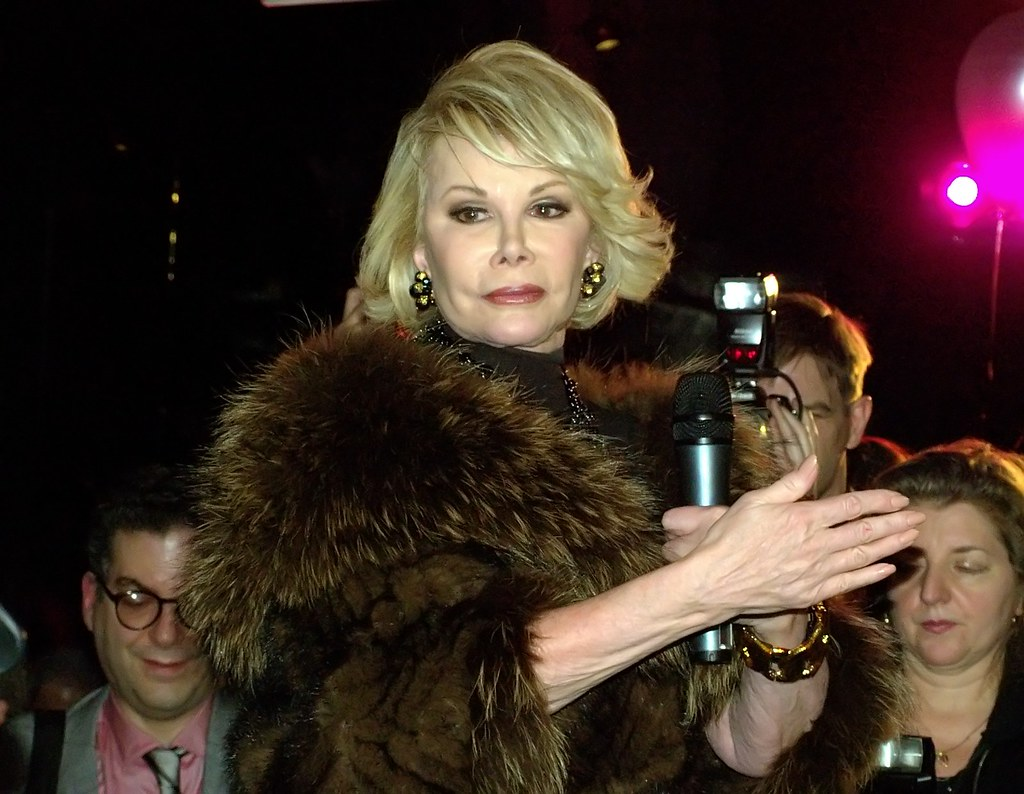
1. Joan Rivers
Few ruptures carried more lasting chill. Rivers had become Carson’s permanent guest host in the 1980s, and her rise was closely tied to the platform he gave her. When she left for a Fox late-night program, Carson reportedly saw the move not as ordinary career maneuvering but as a personal breach. The split became one of the most discussed examples of his unforgiving side, and Rivers did not return to Carson’s version of the program after that break.
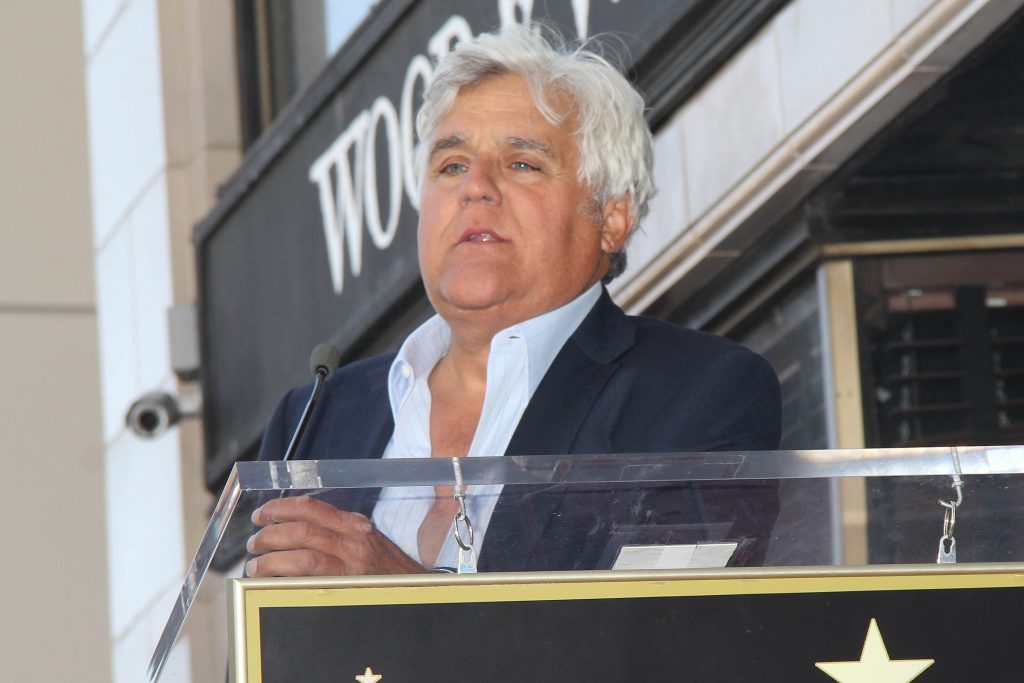
2. Jay Leno
It is one of late night’s strangest reversals that Carson’s eventual successor was, for a period, not welcome. Biographical accounts say that after an early stand-up appearance in 1978 landed weakly with the room, Carson decided he did not want Leno back. Producers were reportedly told to stop booking him. The ban did not last forever, but it revealed how quickly Carson could form a final opinion when he felt a comic’s rhythm simply did not suit the show.
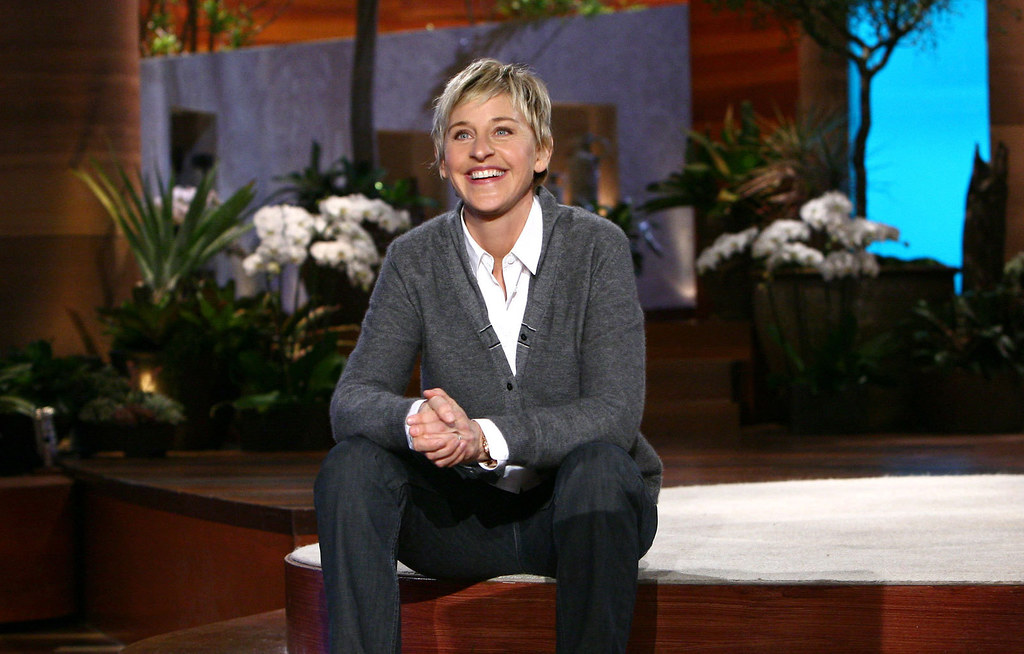
3. Ellen DeGeneres
DeGeneres made history when Carson called her over to the couch, a moment that signaled genuine approval. The relationship cooled just as quickly. Reports about her later appearance say she used material she had been warned against, and the breach was treated as a matter of discipline rather than taste. She did not reappear with Carson hosting, only later during a guest-hosted episode.
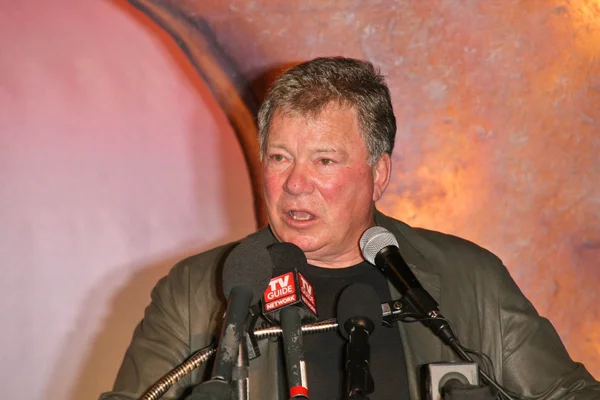
4. William Shatner
Shatner’s offense was less scandal than format failure. One account says he spoke at length without giving Carson room to steer, turned away from the host to address another guest, and mentioned the network carrying his non-NBC series, violating an unwritten convention of the show. That combination made him, in effect, the kind of guest Carson least enjoyed: hard to manage on air. He later surfaced only when someone else was hosting.
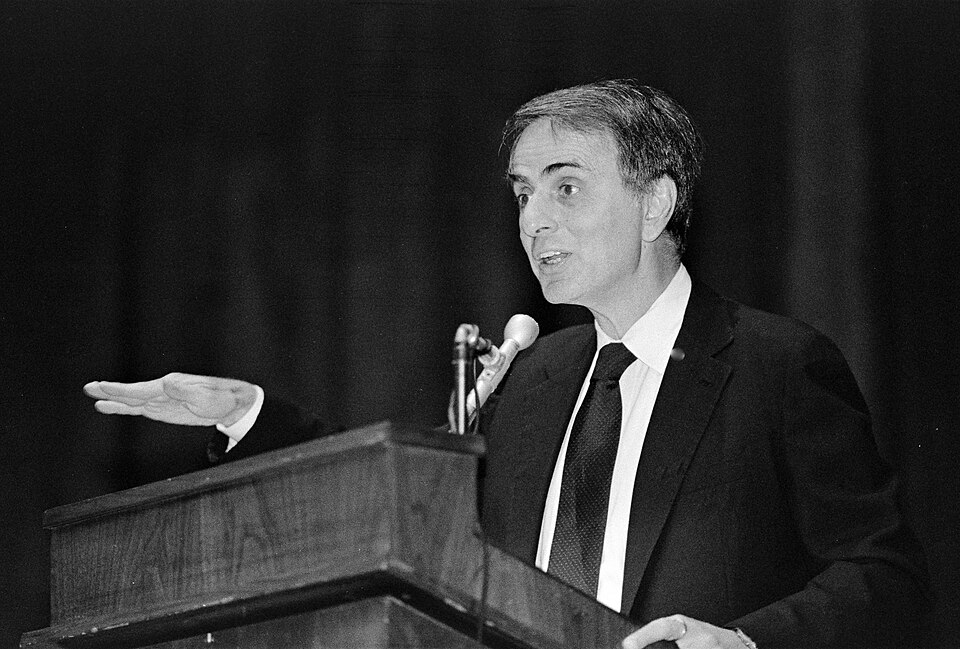
5. Carl Sagan
This one stood out because Sagan had been more than welcome for years. Carson often favored guests who could bring intelligence without stiffness, and Carl Sagan had appeared at least 24 times. Yet one uncomfortable exchange in 1986, when Sagan corrected Carson on air during a discussion of Halley’s Comet, reportedly left a sting that never quite faded. It was a reminder that embarrassment, even briefly delivered, could close the door.
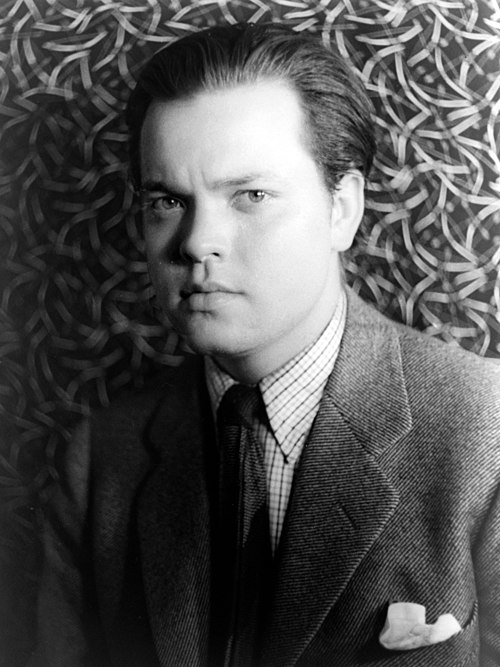
6. Orson Welles
Carson admired Welles, which made the fallout sharper. Welles was said to have staged a mentalist routine with planted audience members, a tactic Carson regarded as beyond the pale because he understood magic well enough to care about the code behind it. When the trick faltered and the setup became clear, the problem was not merely a failed bit. It was dishonesty in a form Carson especially disliked.

7. Uri Geller
Carson’s skepticism was not casual. He had a deep interest in magic and a low tolerance for claims presented as supernatural fact. His most famous collision came with Uri Geller’s widely discussed appearance, when prepared props and tighter controls undercut Geller’s usual presentation. The segment became television legend, and later accounts say Carson wanted no repeat of that kind of psychic performance on his show.
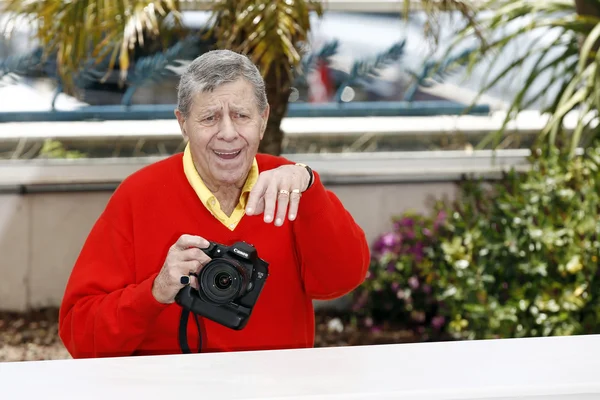
8. Jerry Lewis
Star power could not outweigh treatment of the staff. By the mid-1970s, Lewis had been part of the program repeatedly as both guest and guest host, but reports say Carson banned him after hearing that Lewis had become verbally abusive toward a cue card staffer. That detail matters because it aligns with one of the clearest patterns in Carson’s decisions: he was often more protective of crew members than outsiders realized.
9. Steve Allen
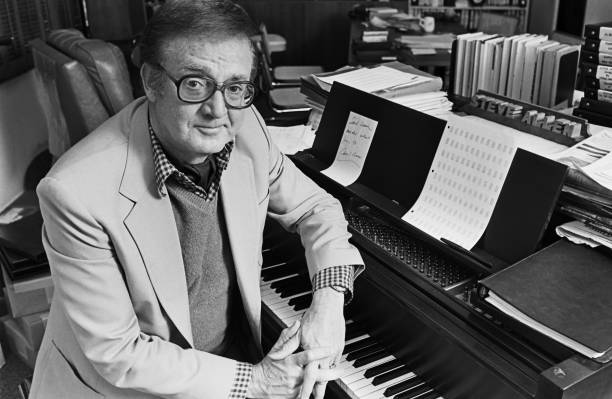
The original Tonight Show host was hardly a fringe figure. Allen was a foundational television talent, and Carson had openly credited him with helping shape the form. Still, respect had limits. Later accounts say Carson was angered by Allen’s jokes about him and by reports that Allen had been rude to crew members. Even a predecessor with enormous stature could lose standing if Carson believed the behavior had curdled into disrespect.
10. Barbra Streisand
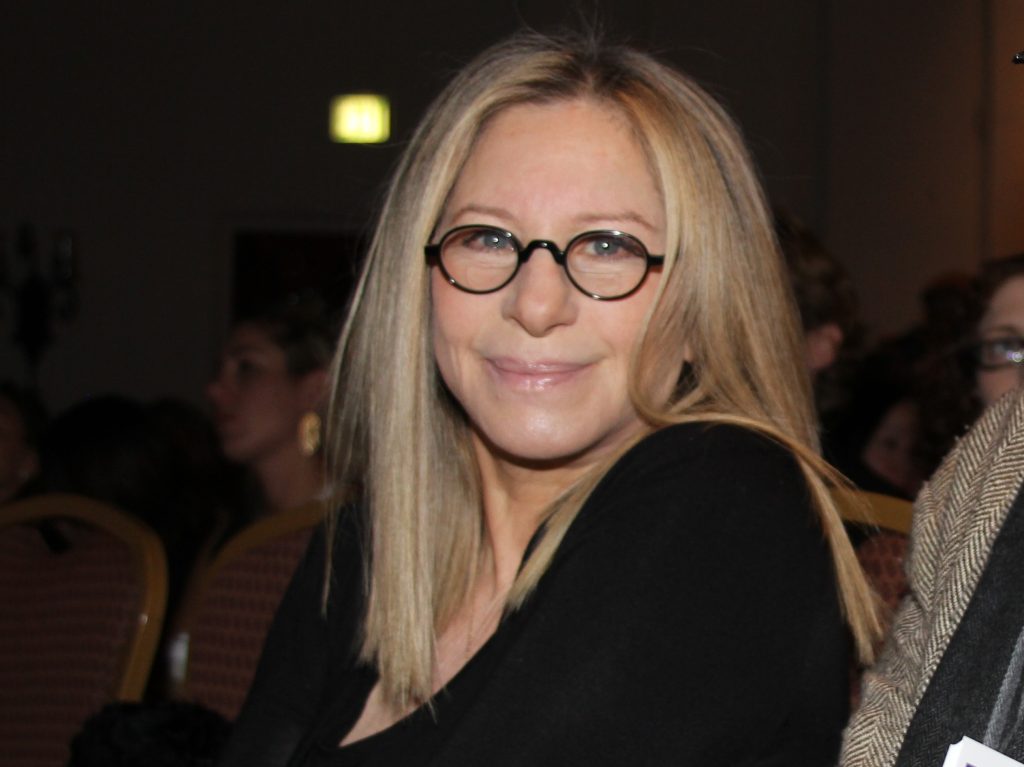
Sometimes the trigger was not an explosive feud but a breach of show-business etiquette. Streisand reportedly fell out of favor after canceling a scheduled appearance at the last minute in 1975. For a host who prized control, timing, and professional reliability, that kind of disruption carried weight. Carson’s system did not always need drama; inconvenience alone could be enough when it suggested a guest did not take the booking seriously.
The pattern across these stories is less about vanity than control. Carson’s program relied on pace, trust, and a fragile kind of on-air chemistry that could collapse in minutes. Guests who ignored instructions, embarrassed the host, mishandled the crew, or disrupted the machinery of the show often discovered that fame offered limited protection. That selective silence became part of Carson’s power. On a show with 6,714 episodes and enormous promotional value, not being invited back could say as much as an appearance itself.

