
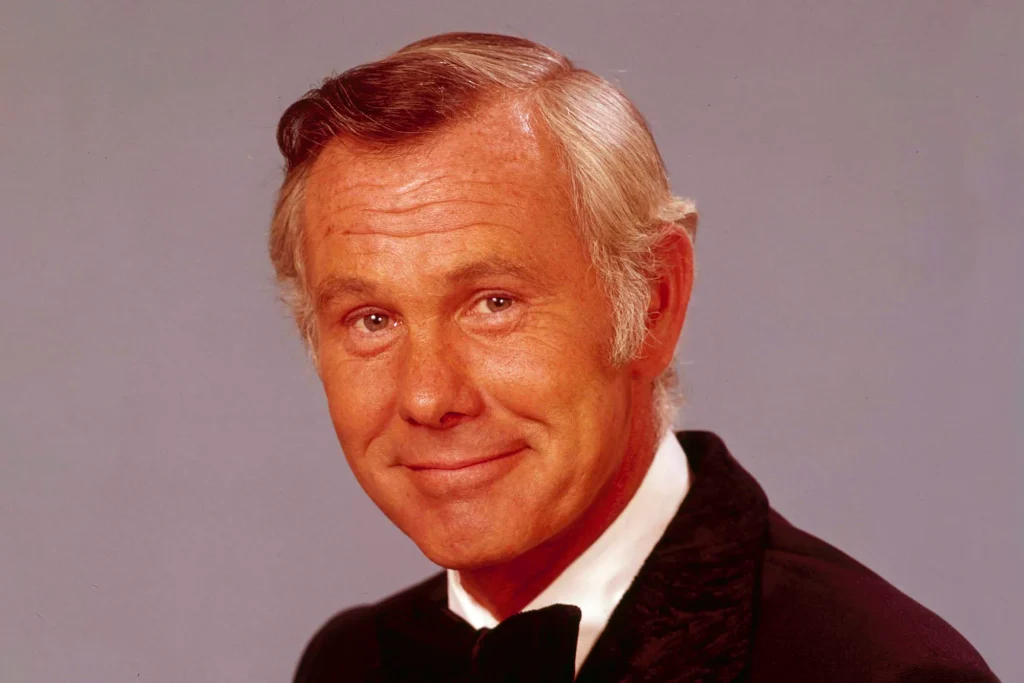
Johnny Carson’s version of The Tonight Show looked effortless on camera, but the standards behind it were famously exacting. A strong set, respect for the staff, and an instinct for the show’s rhythm mattered just as much as celebrity.
Accounts collected around Carson’s career, especially in Mark Malkoff’s book Love Johnny Carson, suggest that some guests crossed lines Carson rarely forgot. In several cases, the issue was not public scandal at all. It was timing, tone, manners, or a moment that disrupted the careful chemistry of late-night television.
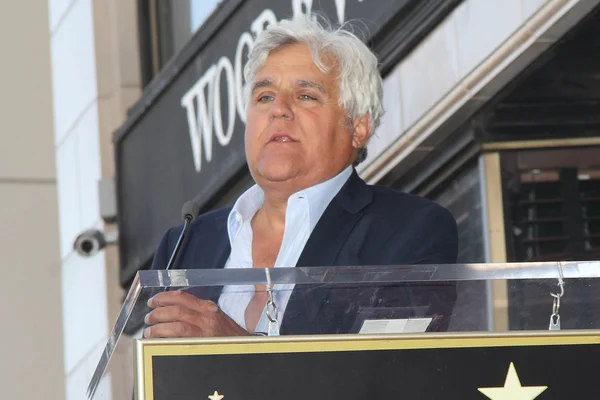
1. Jay Leno
Before becoming a defining face of the franchise, Jay Leno apparently spent time on Carson’s unofficial no-return list. According to his fifth 1978 appearance, Carson was unhappy with how lightly the material landed and decided not to bring him back for a period. The irony became part of late-night lore. Leno later described the show’s real challenge in very simple terms: “That’s what The Tonight Show is: It’s not trying to get the audience to laugh, it’s trying to get Johnny to laugh.” He eventually returned, became a regular substitute host, and later inherited the desk himself.
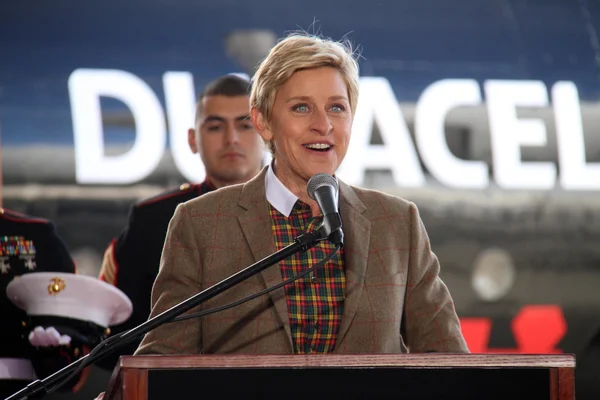
2. Ellen DeGeneres
Ellen DeGeneres’ first visit remains historic because Carson invited her to the couch, making her the first female comedian to receive that signal on his show. It was a career-shaping breakthrough. Her standing reportedly changed after a later appearance in 1987, when she used material Carson had asked her to avoid. The backstage response, as later recounted in reporting on Malkoff’s book, was swift and chilly. She did not return with Carson hosting again, though she later appeared when Jay Leno filled in.
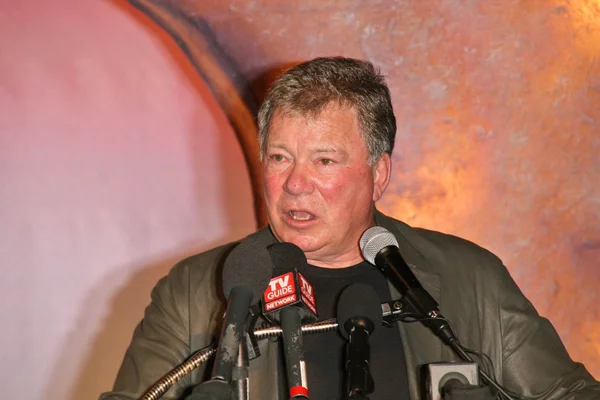
3. William Shatner
William Shatner’s trouble appears to have come from breaking several unwritten rules in one appearance. Malkoff’s reporting says Carson viewed the segment as a lesson in what not to do on the show. Shatner reportedly spoke at length without leaving room for Carson to steer the conversation, turned away from his host to address another guest, and mentioned that T. J. Hooker aired on ABC, a network detail the program preferred not to spotlight. He later appeared with guest hosts, but not with Carson at center stage.
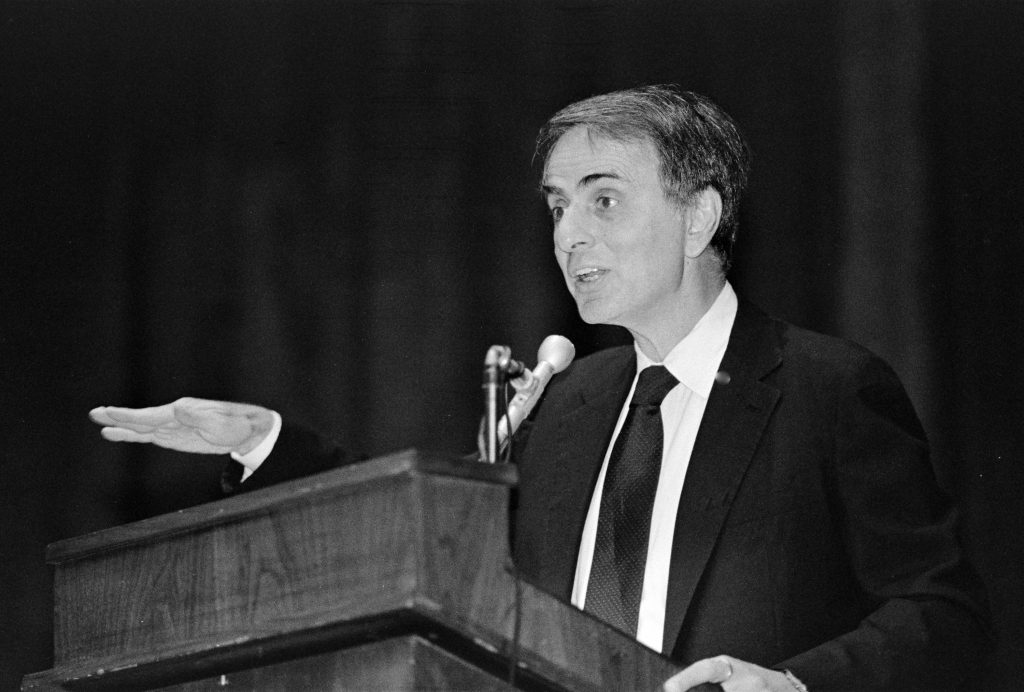
4. Carl Sagan
Carl Sagan had once been one of Carson’s most valued recurring guests, with at least 24 appearances tying science to mainstream late-night conversation. Their on-air rapport helped make astronomy unusually accessible to a broad audience. That relationship reportedly cooled in 1986 when Sagan corrected Carson twice during a discussion of Halley’s Comet. The exchange was brief, but later accounts say Carson felt stung by the public correction and stopped inviting him back.
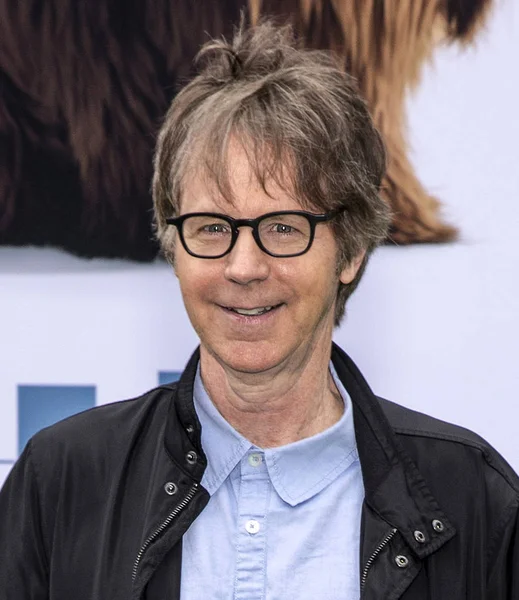
5. Dana Carvey
Dana Carvey’s Carson impression on Saturday Night Live was popular, but Carson reportedly found it unflattering. The caricature suggested a host who was older, foggier, and less connected than the real one wanted to be seen. The decisive break came after a 1990 sketch that painted Carson as out of touch while interacting with Arsenio Hall. After that, Carvey was said to be permanently off Carson’s guest list. Carson even alluded to the portrayal in his monologue, joking, “I’m getting senile. Both of us. We’re old. A couple of old farts is what we are.”
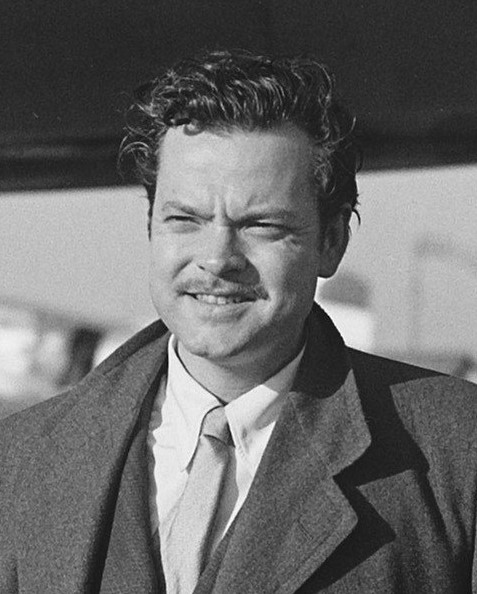
6. Orson Welles
Orson Welles had a different kind of bond with Carson. He was not simply a celebrity booking but one of Carson’s admired guests, which made the ending more striking. The rupture reportedly followed a guest-hosting stint where Welles performed a mentalist routine that failed because audience plants he had arranged did not execute their part correctly. Malkoff’s account says Carson was less upset by the flop than by the deception behind it. For a host who valued control and credibility, that distinction mattered.
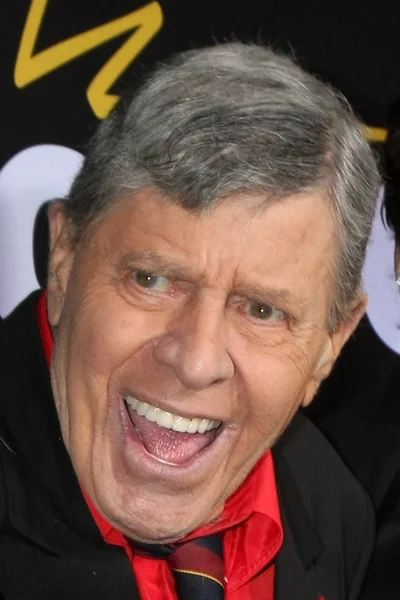
7. Jerry Lewis
Jerry Lewis had deep history with the show and had appeared or guest-hosted dozens of times. His exclusion was not tied to a weak appearance but to an off-camera dispute. According to the book’s reporting, a confrontation with cue-card staff changed everything. Carson was said to have reacted strongly after hearing that Lewis became verbally abusive toward crew during a production issue. The decision fit a pattern often attributed to Carson: major stars could be forgiven for many things, but not for mistreating staff.
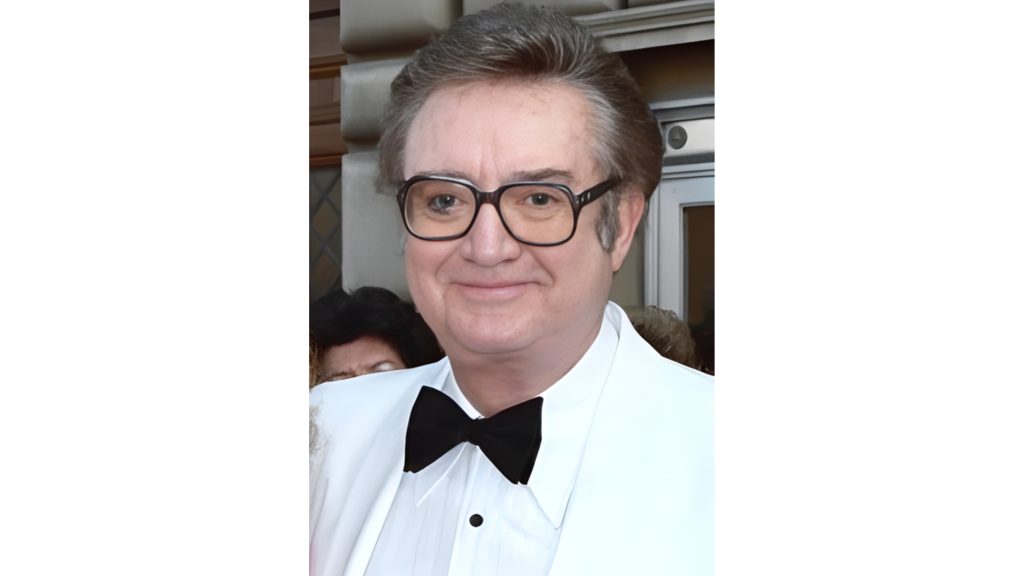
8. Steve Allen
Steve Allen’s case carried symbolic weight because he was the original host of The Tonight Show. Carson had long shown him respect and welcomed him back many times, making the eventual ban especially notable. Later accounts say the break stemmed from Allen joking about one of Carson’s injuries and, more seriously, from anger directed at a crew member after production changes. A separate recap of the episode notes Allen had guest-hosted the show more than 60 times before the 1982 fallout. He later resurfaced only when guest hosts took over.
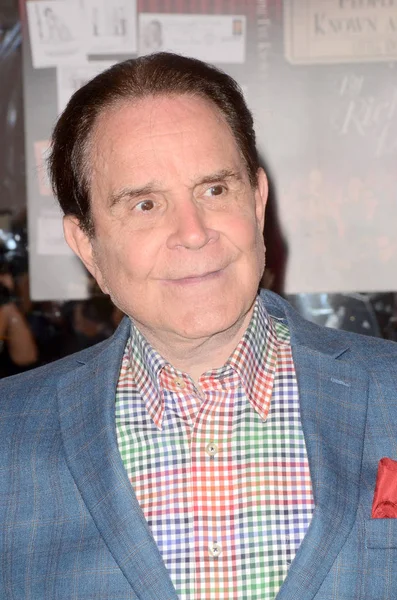
9. Rich Little
Rich Little is often mentioned less for the exact reason behind a ban than for his connection to the mythology around it. Reporting on Malkoff’s book says he was among the people who claimed to have seen a physical version of Carson’s rumored blacklist, supposedly containing more than thirty names. That detail matters because it places Little inside the show’s backstage legend, even when the full contours of his own status are less developed in public retellings. In Carson lore, the comedian became part of the evidence that the ban culture was real, whether formalized on paper or not.
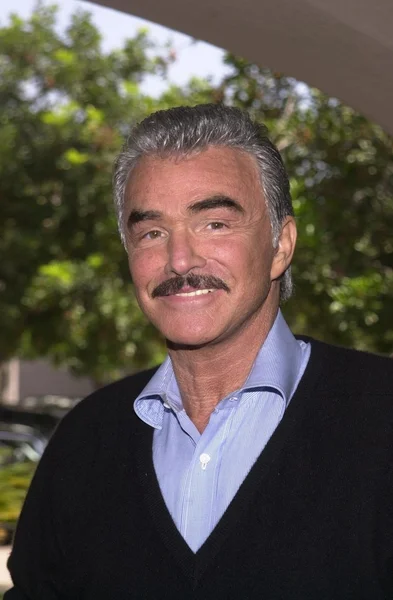
10. Burt Reynolds
Burt Reynolds occupies a similar place in the story. He was also cited as someone who claimed to have seen a hard-copy list of names associated with Carson’s exclusions. That does not make his entry the most detailed one, but it does make him central to how the Tonight Show’s internal politics have been remembered. Carson’s operation was polished on screen and guarded off it.
Reynolds’ association with that whispered list underscores how much of the show’s power relied on private judgments made far from the curtain. These stories have lasted because they reveal something larger than celebrity friction. Carson’s show ran on precision, deference, and an unspoken code that guests were expected to understand quickly. For some performers, one appearance opened a career. For others, one misstep closed the door just as fast.

