

Hollywood has never had a shortage of famous actresses. What it often lacks is a fair memory of what those actresses can actually do once a franchise, tabloid era, teen image, or glamorous public persona starts overshadowing the work.
That gap between visibility and respect explains why some performers keep delivering sharp, layered, and technically impressive turns while still being treated like lighter talents than they are. The actresses below have all built cases that go well beyond their most famous headlines or brand identities.
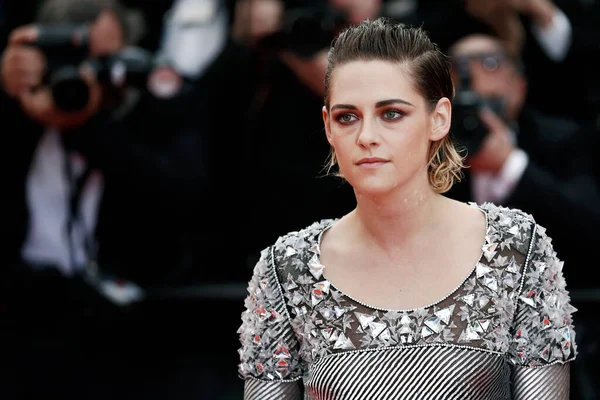
1. Kristen Stewart
Kristen Stewart’s career has become one of the clearest examples of how public perception can lag years behind the work. For a long stretch, mainstream conversation stayed stuck on her blockbuster fame, while her more precise performances in smaller films kept showing a different skill set entirely.
Her turn as Princess Diana in Spencer pushed that argument into the open. The performance relied on restraint, tension, and body language more than grand speeches, and it made visible what had already been present in films like “Clouds of Sils Maria”: a performer who can make silence feel active.
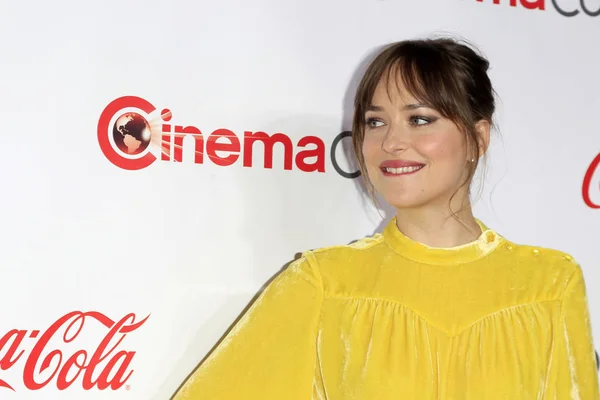
2. Dakota Johnson
It is easy for an actress to get boxed in when a single franchise becomes the dominant reference point. Dakota Johnson has spent the years since doing the less flashy work of proving range in projects that ask for discomfort, wit, and emotional control.
In Luca Guadagnino’s Suspiria, she gave a performance built around physical discipline and eerie calm. “The Lost Daughter” and “Cha Cha Real Smooth” added a different texture, showing how effectively she plays characters who reveal less than they know.
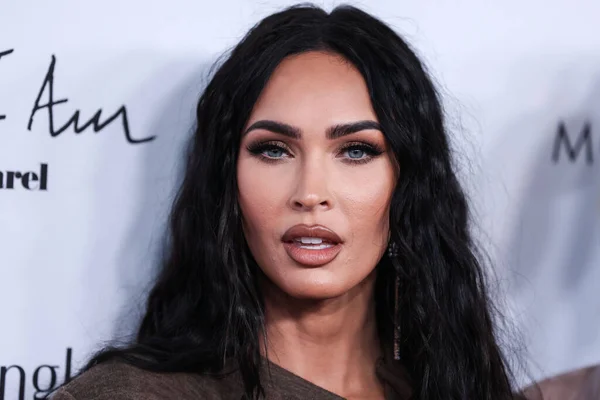
3. Megan Fox
Megan Fox remains one of the clearest cases of image overwhelming craft. Early studio-era branding reduced her to looks and attitude, which made it easy to miss how controlled and funny she could be on screen.
That reassessment has been driven in part by the lasting afterlife of “Jennifer’s Body,” now widely treated as a cult favorite rather than a curiosity. Her comic timing in “New Girl” also showed how naturally she could weaponize stillness, deadpan delivery, and self-awareness.

4. Amanda Seyfried
Amanda Seyfried has had enough acclaimed work to avoid being ignored, but she is still not always discussed like one of her generation’s most versatile screen performers. That may be because her career has moved so easily between musicals, prestige dramas, television, and character studies.
Her Emmy-winning performance in The Dropout made the full range especially hard to dismiss. The voice work, posture, emotional opacity, and gradual unraveling all pointed to an actress capable of transformation without losing control of tone.
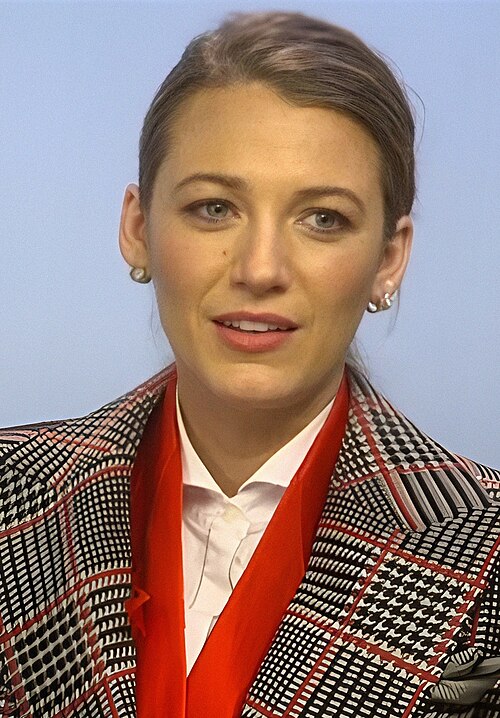
5. Blake Lively
Blake Lively’s fame often comes attached to fashion coverage and celebrity attention, which can flatten discussion of her actual screen presence. Yet she has repeatedly shown she can anchor thrillers and hold a movie together when the material depends on reaction more than dialogue.
“The Shallows” asked her to carry long stretches of tension with minimal support, and “A Simple Favor” let her lean into manipulation, wit, and ambiguity. Both performances made the same point: she is far more than a polished star image.
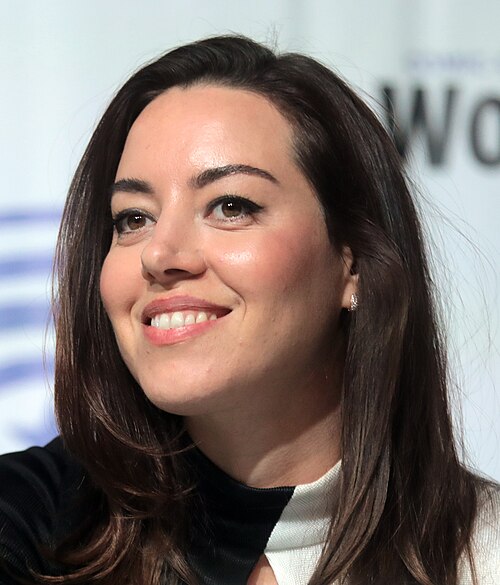
6. Aubrey Plaza
Aubrey Plaza’s deadpan persona has been so successful that it sometimes acts like camouflage. Viewers expect irony from her, and that expectation can obscure how effectively she plays volatility, exhaustion, and emotional damage.
That was central to “Emily the Criminal,” where she turned anxiety into momentum without losing the character’s hard shell. Her work in “The White Lotus” widened the frame again, mixing discomfort, desire, and vulnerability in ways that felt far removed from a single comic type.
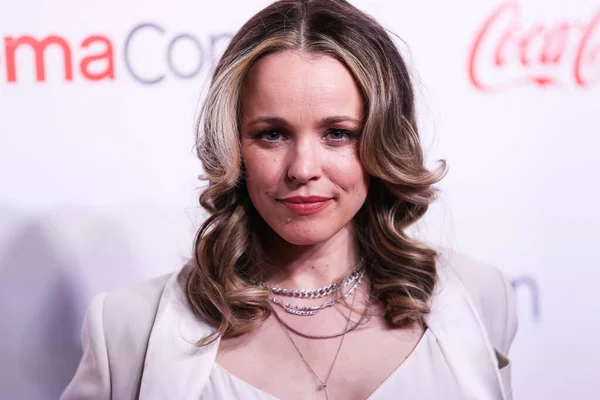
7. Rachel McAdams
Rachel McAdams has been so consistently good for so long that some of her best qualities almost get taken for granted. Romantic comedies helped make her a star, but they also encouraged a narrow reading of her strengths.
“Spotlight” remains a strong corrective, built on discipline rather than display. Then “Game Night” reminded audiences that she can be just as exact in broader material, with physical comedy and rapid-fire line delivery that never feels forced.
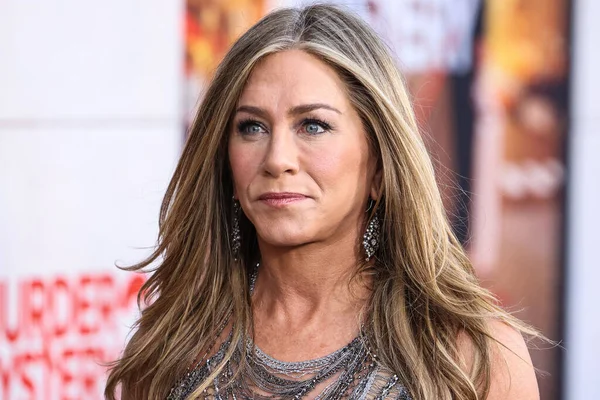
8. Jennifer Aniston
Few television roles are as culturally fixed as Rachel Green, and that kind of visibility can become its own trap. Jennifer Aniston has spent years showing a much tougher dramatic edge than her signature sitcom image suggests.
In “Cake,” she stripped away vanity and leaned into physical pain, bitterness, and emotional isolation. Her later work in “The Morning Show” added another dimension, revealing how sharply she handles ambition, anger, and the brittle performance of public composure.
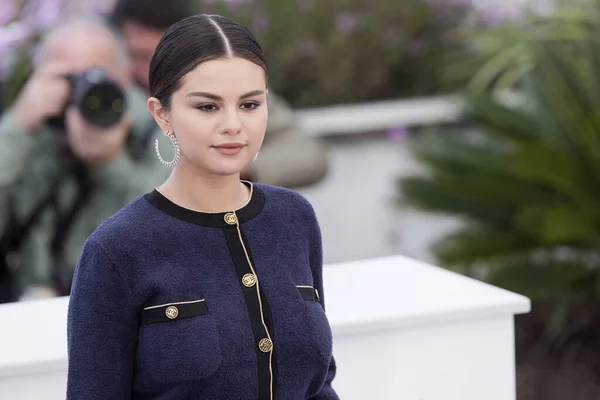
9. Selena Gomez
Selena Gomez has built a public identity across music, producing, and celebrity culture, which makes her acting easy to underrate almost by default. But her screen style is more controlled than casual, and that control has become one of her biggest assets.
On “Only Murders in the Building,” she plays understatement against larger comic energies and keeps the tone balanced. Earlier, “Spring Breakers” showed she could also work in a more exposed, unsettling register when the material called for it.
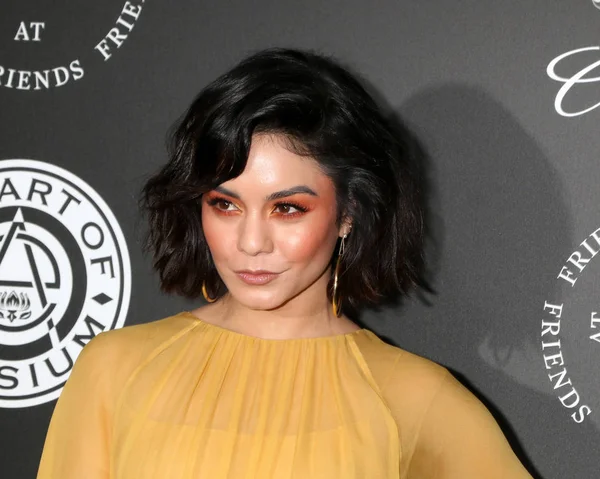
10. Vanessa Hudgens
Disney association can cling to an actress long after the résumé has changed. Vanessa Hudgens has spent years taking projects that push directly against that old image, even if those efforts do not always get folded into the broader conversation about talent.
Her dramatic work in “Gimme Shelter” showed a willingness to alter both appearance and emotional register. She also earned praise for her live performance in “Grease: Live,” a high-pressure production made even more difficult by the circumstances surrounding it.
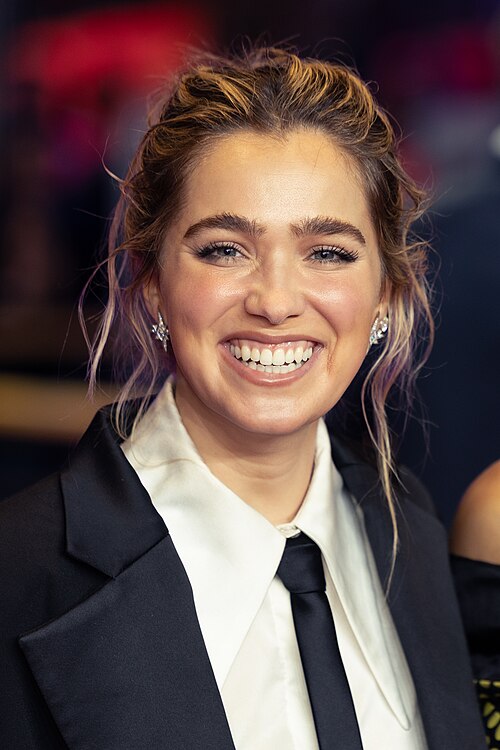
11. Haley Lu Richardson
Some actresses are not exactly underrated by critics, but still feel undervalued by the larger culture. Haley Lu Richardson fits that category. She has a naturalistic style that can look deceptively simple, even though it depends on remarkable precision.
Her work in “Columbus” was singled out as part of one of the year’s most overlooked acting pairings, and it remains one of the strongest examples of quiet screen acting from the last decade. “The White Lotus” gave her a bigger stage, but the essential quality stayed the same: she makes characters feel lived-in rather than arranged.
The pattern across all 11 names is familiar. Fame tends to simplify. It turns a performer into a franchise face, a rom-com staple, a tabloid figure, or a former teen idol, and once that label sticks, the work has to fight harder to be seen clearly. These actresses have already done that work. The more interesting question now is whether Hollywood catches up.

