
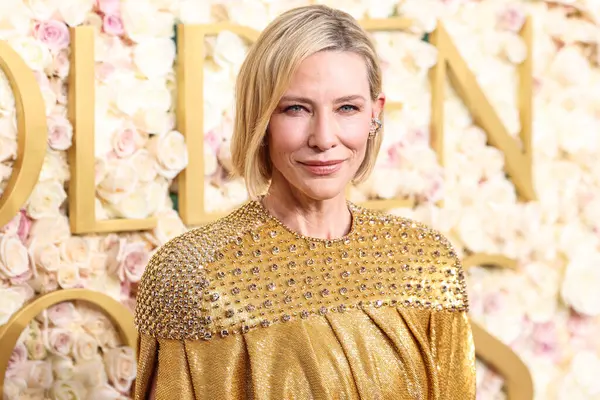
Hollywood still gets linked with red carpets, premieres, and carefully managed images. Gaming quietly breaks that pattern. For a growing number of actresses, games have not been a cute side hobby. They have been late-night obsessions, family rituals, streaming careers, research tools, and even the creative spark behind bigger projects. Some built real credibility inside gaming culture long before many fans noticed. Here are actresses whose connection to gaming went far beyond the occasional photo with a controller.
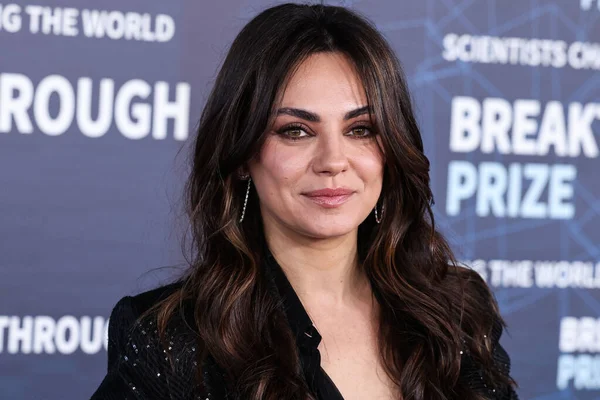
1. Mila Kunis turned an MMO habit into a real-life warning sign
Mila Kunis has spoken openly about how deeply she got into World of Warcraft, and that honesty is part of what makes her stand out. This was not framed as casual play. She was a serious raider who spent enough time in Azeroth that stepping back became necessary once work and family demanded more space.
Her gaming life did not vanish after that period. She still kept up an interest in titles like Call of Duty, and reference coverage also linked her to game-adjacent creative work, including projects developed with former guildmates. That mix of enthusiasm and self-awareness gives her one of the more recognizable celebrity gamer stories.
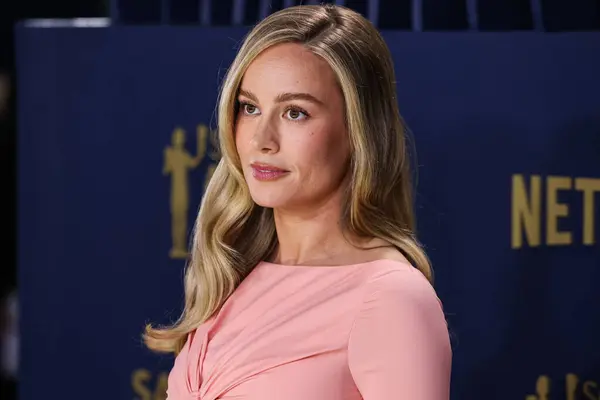
2. Brie Larson made Nintendo fandom part of her public identity
Brie Larson did not just mention a favorite game once and move on. She has repeatedly tied her public image to Nintendo, from childhood affection for Mario and Zelda to her very visible Animal Crossing era during lockdown. That consistency matters.
Her connection to the medium reads less like celebrity branding and more like someone who kept the same comfort games into adulthood. Reference coverage also notes that she grew up playing games like Super Mario Bros., which helps explain why the enthusiasm has lasted.
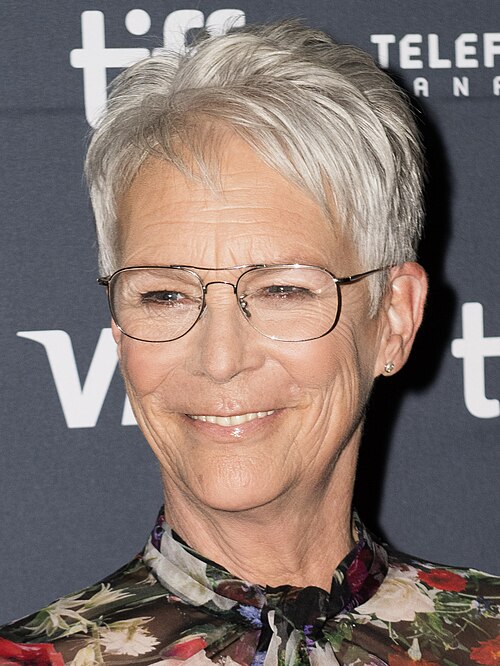
3. Jamie Lee Curtis treated gaming like family culture
Jamie Lee Curtis has long had unusual credibility in game spaces because her fandom never looked performative. She has been associated with Street Fighter, World of Warcraft, and convention appearances that showed genuine fluency with the culture around the games, not just the titles themselves.
What makes her story more interesting is how naturally gaming fits into her household. Instead of being described as a private guilty pleasure, it has been part of family bonding. That detail shifts the image completely: gaming becomes less about escaping Hollywood and more about building a shared language at home.

4. Felicia Day built a career out of gamer experience
Felicia Day belongs in a separate category because gaming did not just entertain her; it shaped her creative output. The Guild grew out of her experiences with online gaming culture, especially World of Warcraft, and became one of the clearest examples of internet-era storytelling rooted in actual player life.
In a published interview, Day said, “That’s why I sat down and wrote The Guild one day. It was really about trying to find myself again and have ownership over myself.” Her broader work through Geek and Sundry also helped legitimize game and tabletop culture for mainstream audiences without flattening it into a stereotype.
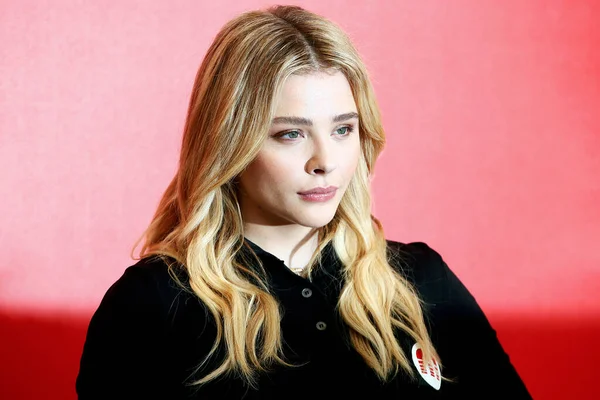
5. Chloë Grace Moretz earned respect from PC players
Many celebrity gamer stories revolve around nostalgic console titles. Chloë Grace Moretz stands out because her image has been tied to PC gaming, hardware talk, and competitive shooters. That distinction matters inside gaming communities.
Mouse-and-keyboard culture tends to attract a more vocal, technically minded audience, so a celebrity who engages there is judged differently. Her interest in Destiny and other shooters gave her a reputation that felt closer to hobbyist commitment than casual participation.

6. Grace Van Dien crossed from acting into streaming culture
Grace Van Dien represents a newer version of the celebrity gamer: someone who did not just play publicly, but entered the creator economy around games. After her breakout acting visibility, she became active on Twitch under Bluefille and streamed games such as Valorant and Fortnite to a large audience.
That shift became even more notable when she was signed by the esports organization FaZe Clan. At that point, gaming was no longer a side detail in her image. It was part of her professional identity.
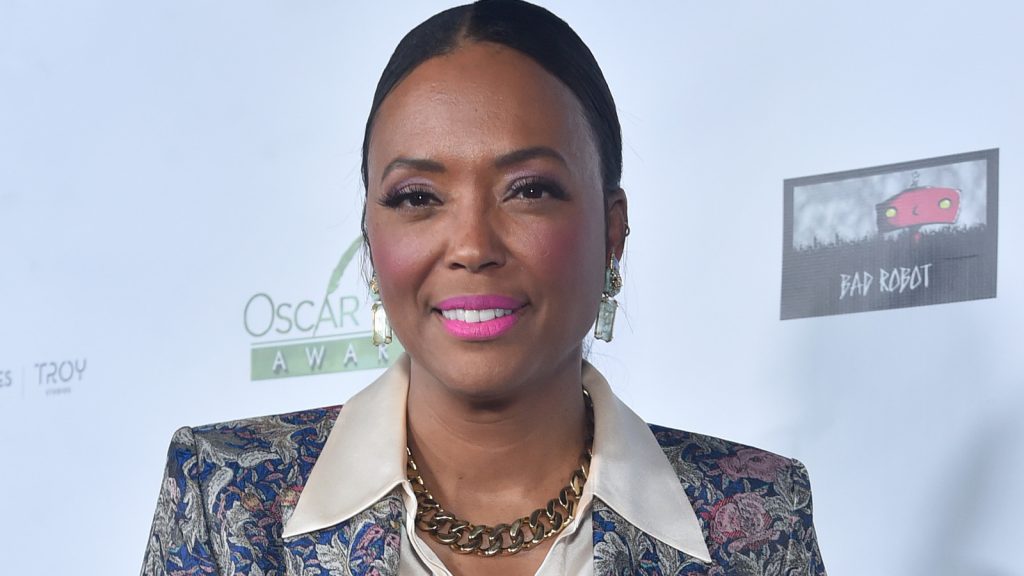
7. Aisha Tyler helped bridge Hollywood and gamer spaces
Aisha Tyler spent years in a role that quickly exposes who actually knows games and who does not: hosting major presentations for a game publisher in front of demanding fans. She also talked openly about playing Halo and Gears of War, two franchises that have long anchored competitive and co-op culture.
That combination gave her a durable kind of credibility. She was not only visible around gaming; she could speak the language fluently enough to move between entertainment audiences and dedicated players without seeming out of place.
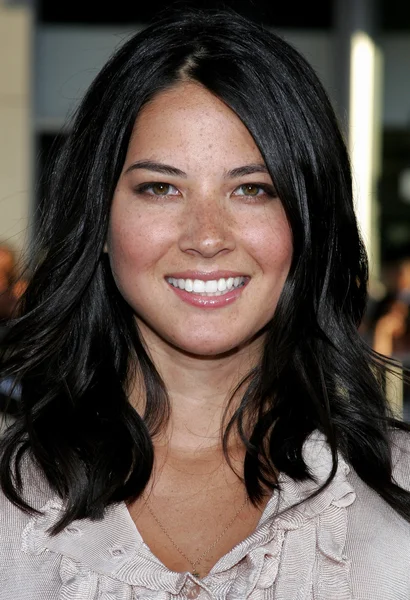
8. Olivia Munn came up through gaming media before films
Before becoming better known for movie roles, Olivia Munn had already built familiarity with gaming audiences through G4’s Attack of the Show! That background matters because it placed her inside daily game culture rather than at its edges.
Her attachment to Call of Duty and Guitar Hero also fit the era she came up in. Long before celebrity gaming became normal social media content, she was associated with a version of gamer identity that audiences immediately recognized.
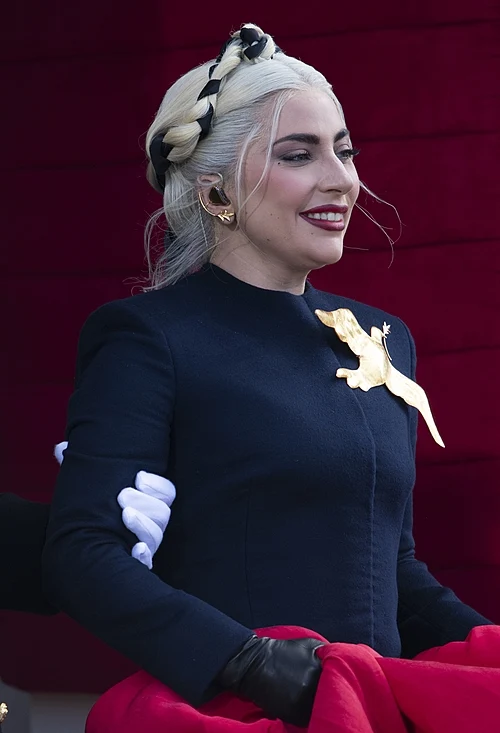
9. Lady Gaga showed what real boss-fight frustration looks like
Lady Gaga’s gaming story became memorable for one very relatable reason: she publicly documented the grind. Her social posts about fighting through Bayonetta’s brutal secret boss did not sound polished or staged. They sounded like the exhausted determination of someone who refused to quit.
That is why the moment stuck. Plenty of celebrities say they game. Fewer share the exact kind of stubborn, sleep-losing frustration that regular players instantly recognize.
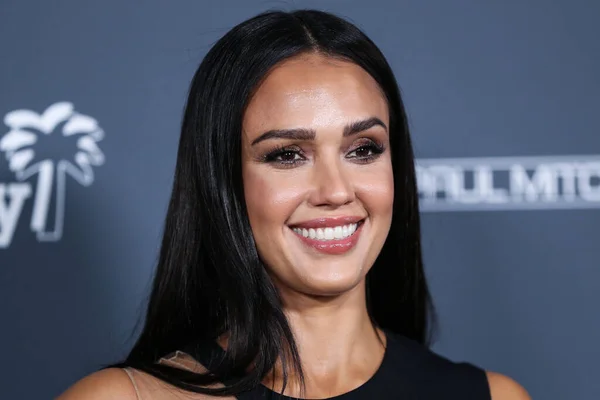
10. Jessica Alba framed games as family time, not isolation
Jessica Alba’s gaming history reaches back to Nintendo classics, but the more interesting part is how that relationship evolved. Rather than presenting games as a solitary retreat, she has described them as a way to connect with her children.
That angle reflects one of the biggest cultural shifts around gaming. For many families, games now function the way board games or movie nights once did: as a repeatable household activity. Alba’s story makes that shift easy to see.
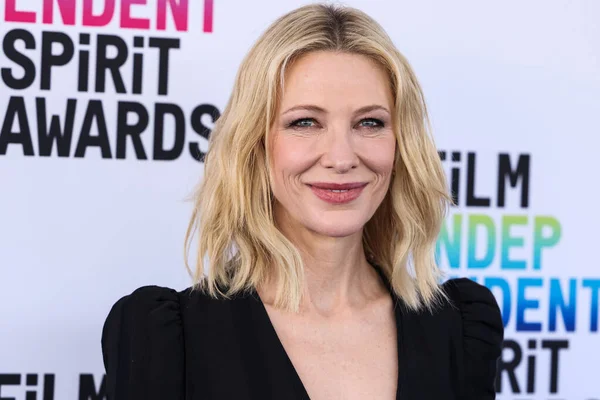
11. Cate Blanchett used gaming as character research
Cate Blanchett came to gaming later than many others on this list, but her path in is revealing. To prepare for Lilith in Borderlands, she reportedly bought a PlayStation 5 and immersed herself in the game world with her husband.
She said she got “really absorbed” in the experience, and that detail captures something broader about modern entertainment. Actors increasingly cannot treat games as side material when adapting game properties, especially when fan expectations are built around mechanics, tone, and community culture.
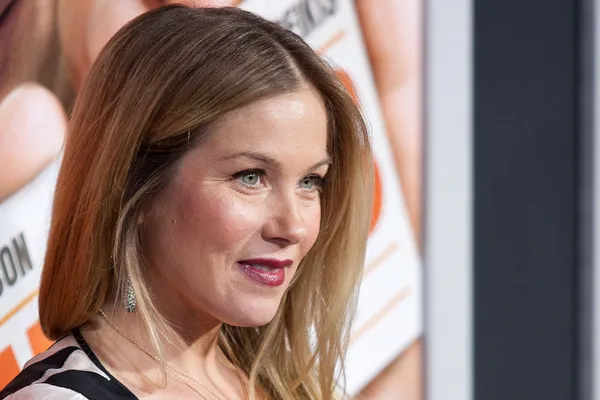
12. Christina Applegate embodied the rhythm-game era
Christina Applegate’s Guitar Hero story is memorable because it captures a very specific gaming moment. Rhythm games once consumed entire living rooms, and her account of playing so intensely that she ended up with a migraine shows how all-in that era could get. It is a small anecdote, but an effective one. Gaming history is often told through consoles and sales figures; stories like this show how certain games took over everyday life for a while.
Taken together, these actresses reveal how much gaming culture has changed. It is no longer unusual to find major performers attached to shooters, MMOs, Nintendo comfort games, retro favorites, or live streaming. The bigger shift is visibility. For some, games became a creative engine. For others, they became family ritual, online identity, or a public sign of genuine fandom. Either way, the headset-and-controller version of Hollywood is no longer hard to spot.

