
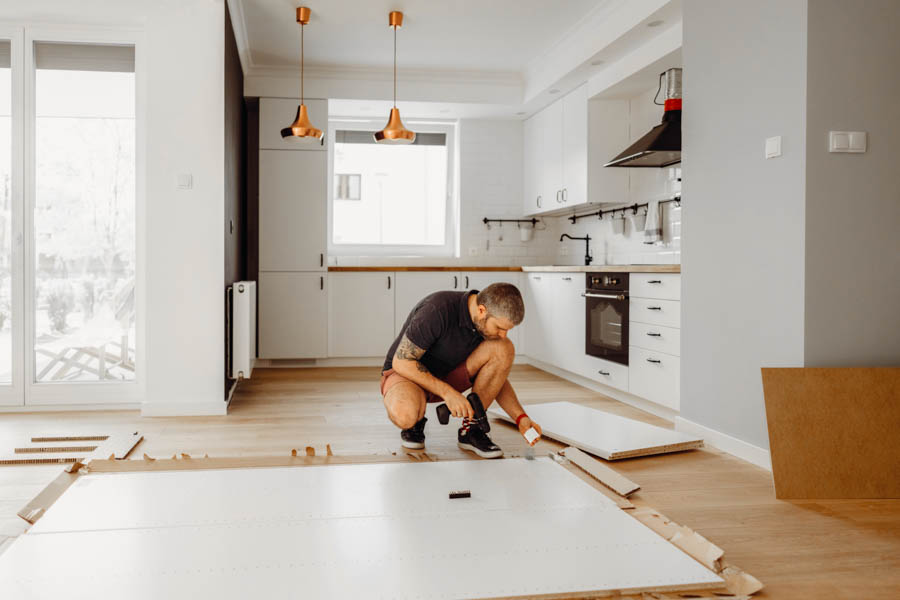
Not every upgrade makes a home easier to sell. Some renovations shrink functional space, add maintenance headaches, or lock a room into one very specific use that many buyers do not want. That matters because appraisers and buyers tend to focus on layout, storage, condition, and broad appeal. Features that feel highly personal or expensive to undo often work against resale instead of supporting it.
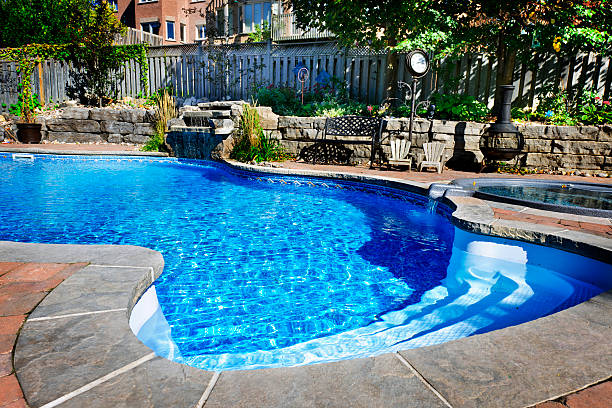
1. In-ground swimming pools
A pool can look like a dream feature, but its resale impact depends heavily on location. In warm-weather metros, pools remain common and can still carry a meaningful premium, with 24.4% of listings featuring a pool in April 2025. Outside those markets, many buyers see insurance costs, upkeep, and safety concerns before they see lifestyle value. A permanent pool also narrows the buyer pool to households willing to maintain it year after year.
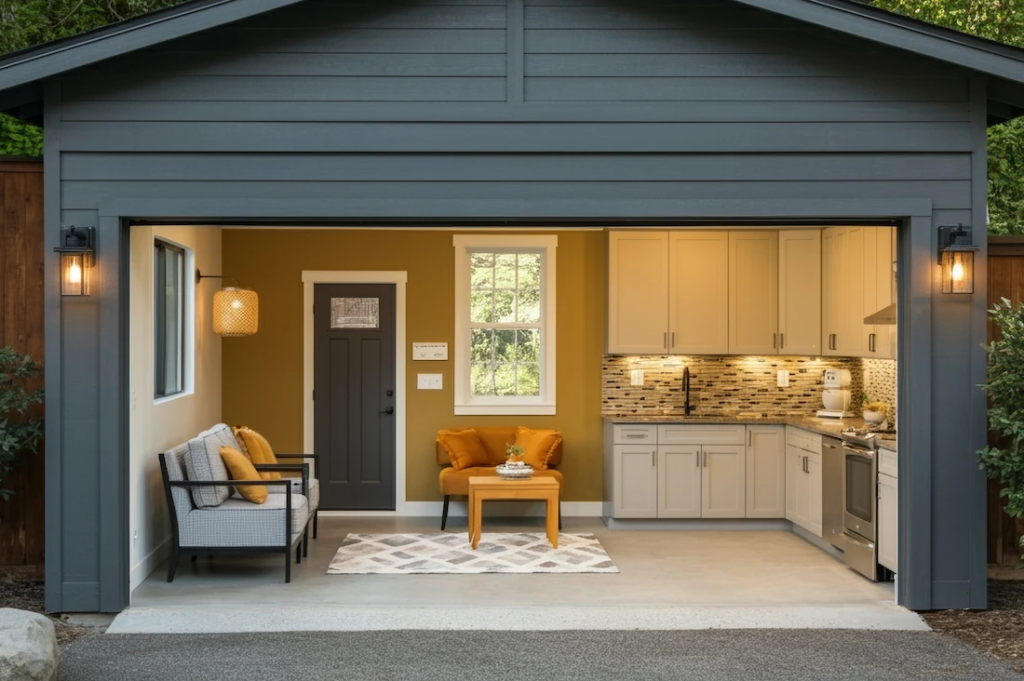
2. Garage conversions
Turning a garage into a gym, den, or guest space often removes something buyers actively expect: protected parking and practical storage. Appraisers also pay attention to parking capacity, and a home that loses enclosed parking can compare less favorably with nearby homes. In areas with winter weather, tight street parking, or outdoor gear-heavy lifestyles, the tradeoff can be even harder to justify.
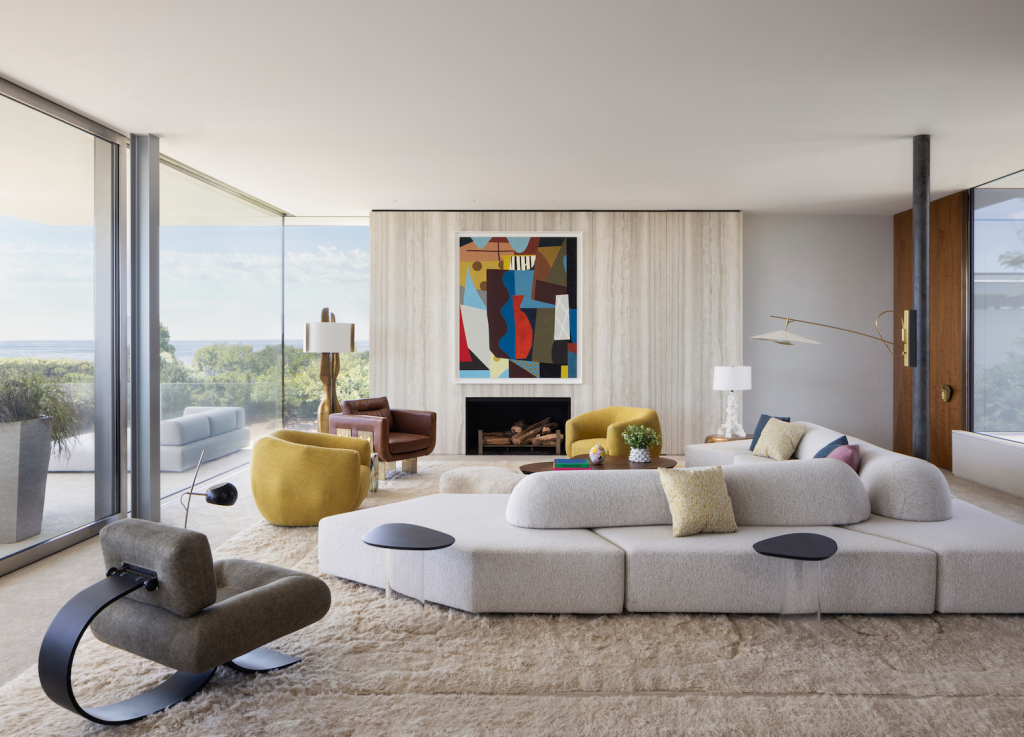
3. Removing a bedroom to create a larger suite
Bedroom count still shapes how a home is searched, compared, and valued. Trading one legal bedroom for a larger closet or a bigger primary suite can make the home feel more luxurious to one owner, but it often reduces appeal to families who need flexibility. A room count that falls below neighborhood norms may also weaken appraisal support.
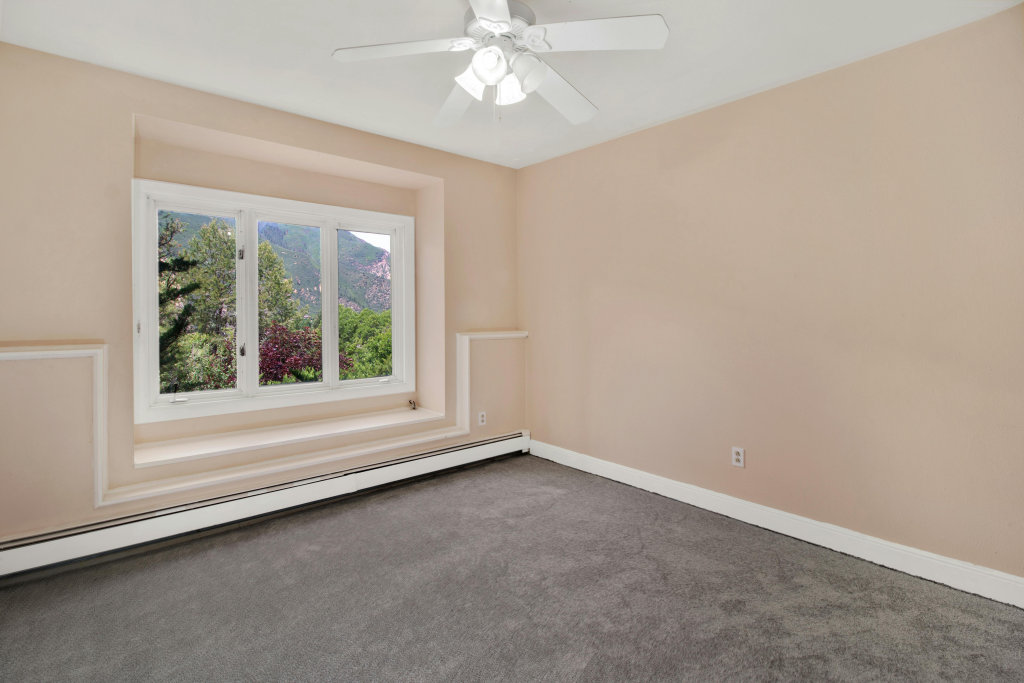
4. Wall-to-wall carpeting
Fresh carpet does not always read as an upgrade. Many buyers prefer hard surfaces for durability, easier cleaning, and a more current look, and homes with wall-to-wall carpet sell for slightly less than comparable properties in some market data. Carpet can also raise questions about stains, odors, and what may be hidden underneath.
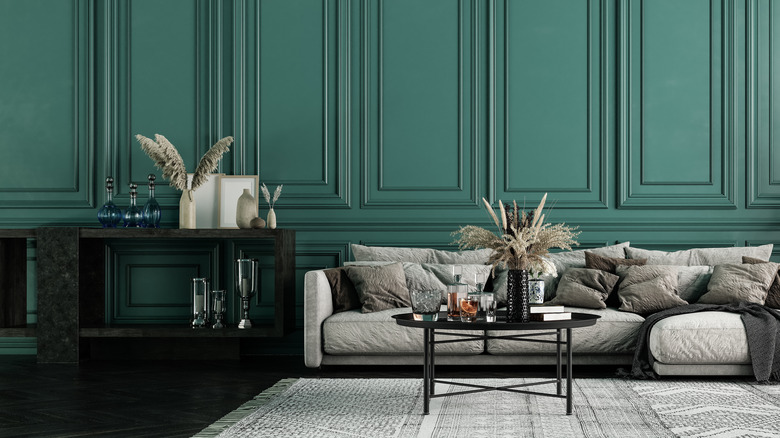
5. Bold or highly specific paint colors
Paint is easy to change, but it still shapes first impressions fast. According to consumer research cited by industry experts, 40% of buyers say paint color strongly shapes their first impression. Highly saturated walls, dark rooms, or trendy statement patterns can make buyers mentally add repainting to their move-in checklist.
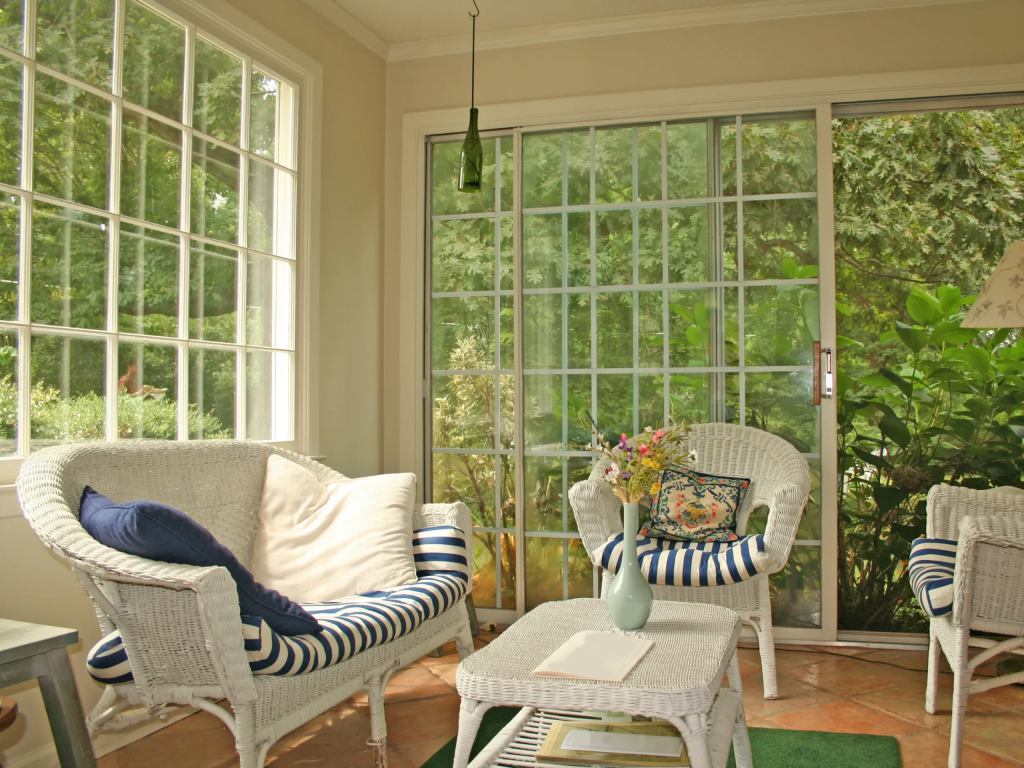
6. Sunroom additions
Sunrooms often sound more valuable than they are. If they are poorly insulated or lack proper heating and cooling, they may not count toward official square footage. Buyers may also read them as energy-hungry spaces that are too hot in summer, too cold in winter, and expensive to fix correctly.
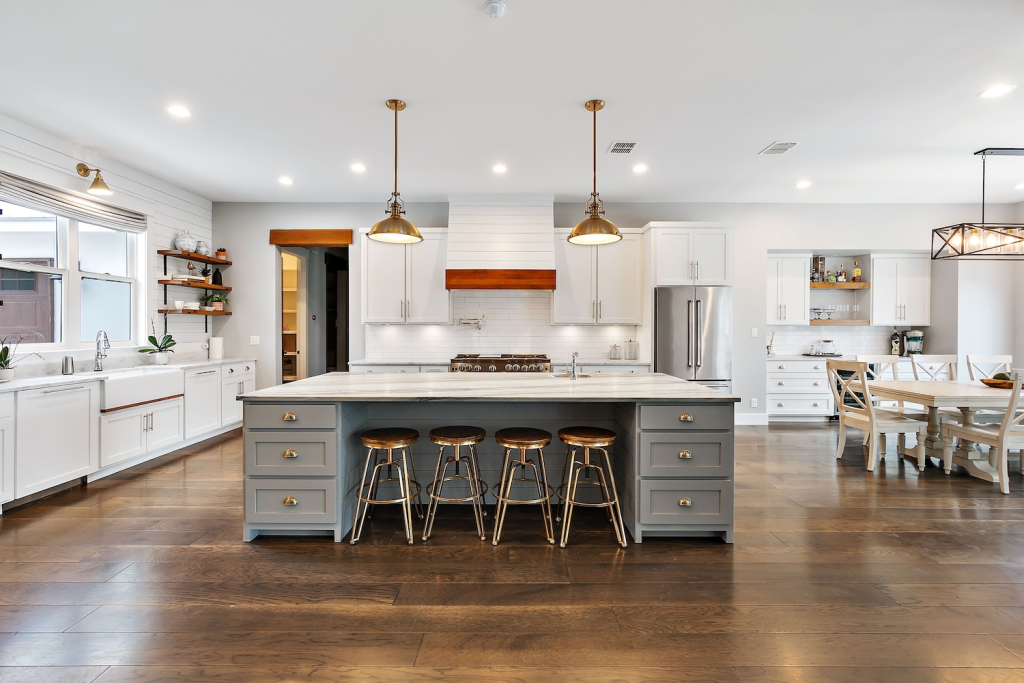
7. Overbuilt luxury kitchens
A dated kitchen can hurt value, but an ultra-high-end remodel does not always solve that problem. When a modest home gets restaurant-grade appliances, custom cabinetry, and premium stone that far exceeds neighborhood expectations, the result can be an over-improvement. Buyers may appreciate the finishes without paying enough extra to recover the investment.
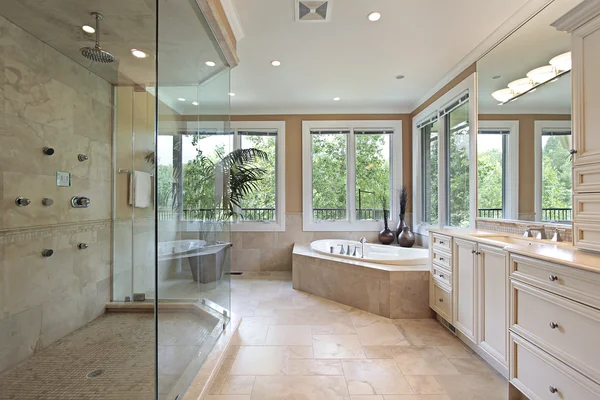
8. Over-the-top bathroom remodels
Bathrooms follow a similar pattern. Upscale finishes and major layout changes often return only part of their cost, especially when the rest of the home is more basic. An elegant, functional bath helps; a luxury spa concept that pushes far beyond local standards can become expensive decoration rather than added market value.

9. Removing closets
Storage has become more important, not less. Appraisal guidance regularly treats closets and built-in storage as meaningful features, and buyers notice when bedrooms or hallways lack them. Taking out a closet to enlarge another feature may leave the home feeling less practical in daily life.
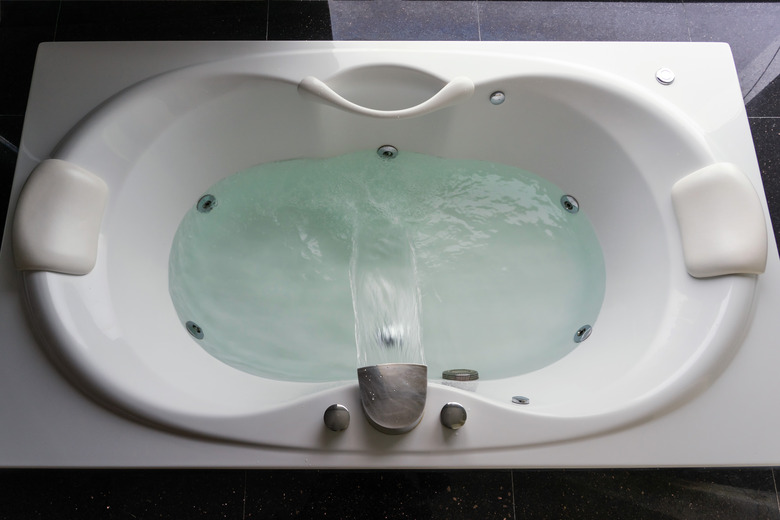
10. Jetted whirlpool tubs
Large whirlpool tubs often read as dated rather than deluxe. They take up a lot of floor space, require maintenance, and can be harder to keep sanitary than simpler fixtures. Many buyers now prefer a generous shower and a cleaner, more flexible bathroom layout.
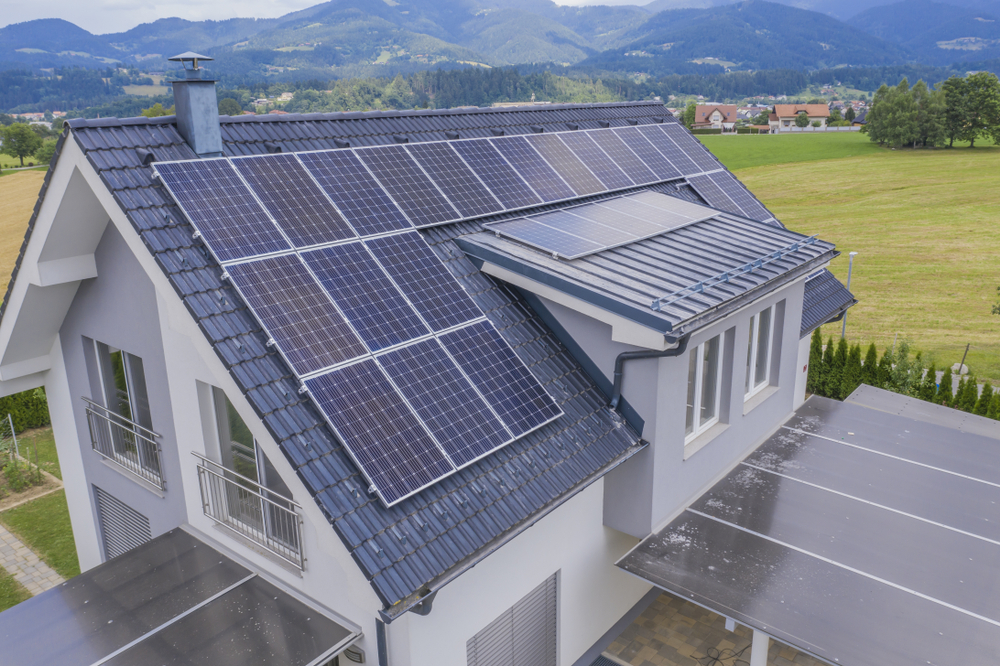
11. Leased solar panels
Energy upgrades can help a home, but lease agreements can complicate a sale. Buyers may hesitate when equipment comes with a contract they have to assume or renegotiate. Even shoppers who like solar may prefer owned systems over paperwork-heavy arrangements that carry long-term obligations.
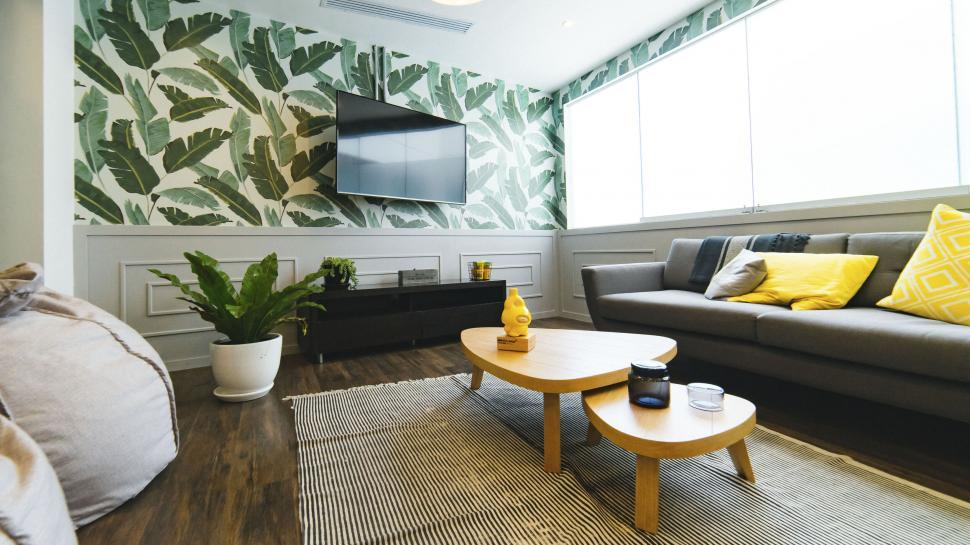
12. Extensive wallpaper
Wallpaper remains one of the clearest examples of style becoming labor. A dramatic pattern may suit one homeowner perfectly, but buyers often see removal time, potential drywall damage, and another project waiting on day one. The more rooms covered, the more the concern grows.

13. DIY or non-permitted work
This is one of the quickest ways to create distrust. Uneven finishes, amateur electrical work, awkward plumbing, or additions without permits can trigger inspection issues, appraisal questions, and renegotiation. Buyers are not only reacting to appearance; they are reacting to risk.
14. Removing the only bathtub
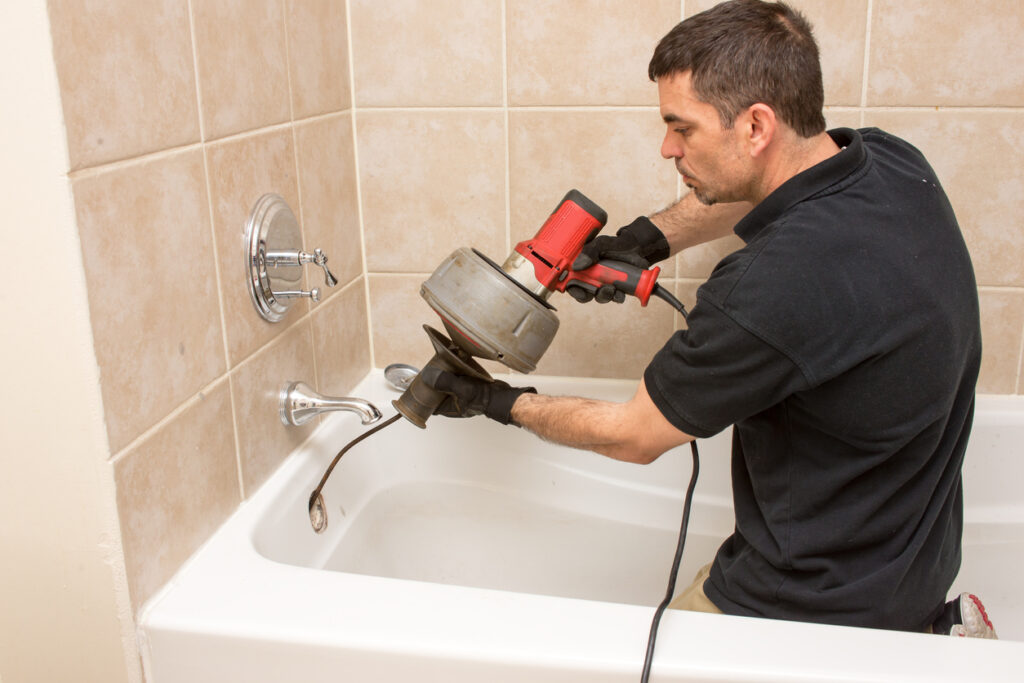
A large walk-in shower can be attractive, but taking out the home’s only tub can reduce usefulness for families with small children and even pet owners. A home does not need a tub in every bathroom, but having at least one often protects broader appeal.

15. Highly personalized fixtures
Statement chandeliers, unusual cabinet hardware, and custom niche finishes can pull attention away from the room itself. When fixtures feel too taste-specific, buyers start calculating replacement costs. Simple, durable choices tend to keep the focus on the home instead of the previous owner’s style.
16. Dark wood paneling and busy wall treatments
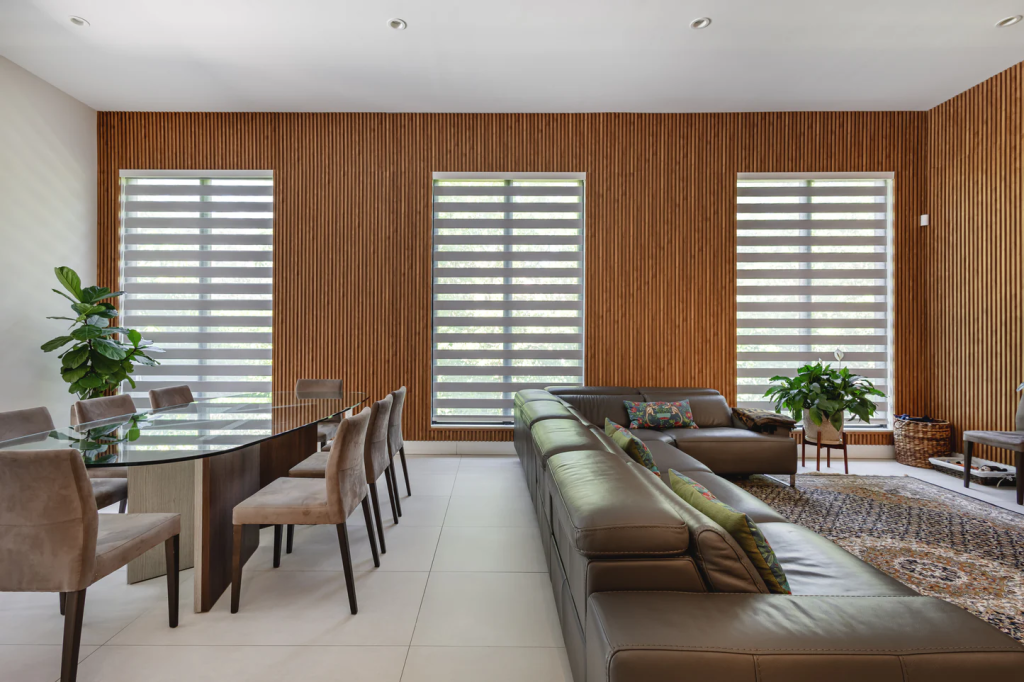
Heavy paneling, overly decorative accent walls, and similar treatments can make rooms feel darker and more dated. They also suggest extra work. Design experts and agents increasingly point to visually busy finishes as resale friction because buyers see removal, patching, and repainting rather than character.
17. Artificial turf
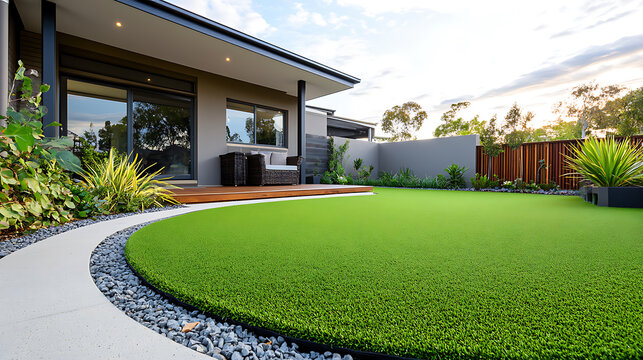
Synthetic grass can reduce yard work, but it does not appeal to everyone. Some buyers prefer natural landscaping, gardening options, or cooler outdoor surfaces for children and pets. In certain neighborhoods, appearance standards or HOA rules can also make turf a point of hesitation.
18. Built-in home offices
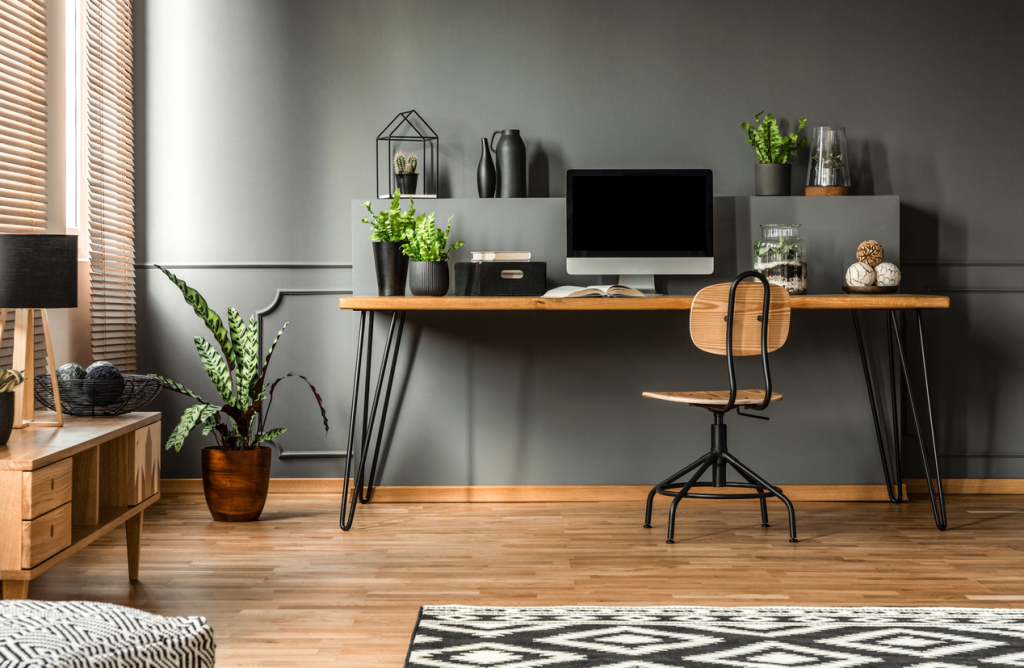
Dedicated workspaces remain useful, but permanent built-ins can make a room harder to repurpose. Buyers increasingly value rooms that can adapt to work, guests, hobbies, or sleeping space. Research shared by housing professionals found that 86% of buyers say flexible layouts help them see past size limitations, which makes one-purpose rooms a tougher sell.

19. Excessive landscaping and water features
Curb appeal matters, but complicated landscaping can become a burden instead of a benefit. Buyers often respond best to clean, maintained outdoor spaces that look manageable. Fountains, koi ponds, and elaborate gardens may be beautiful, yet they can also suggest ongoing cost and specialty care.
20. Unusual layout changes that reduce privacy
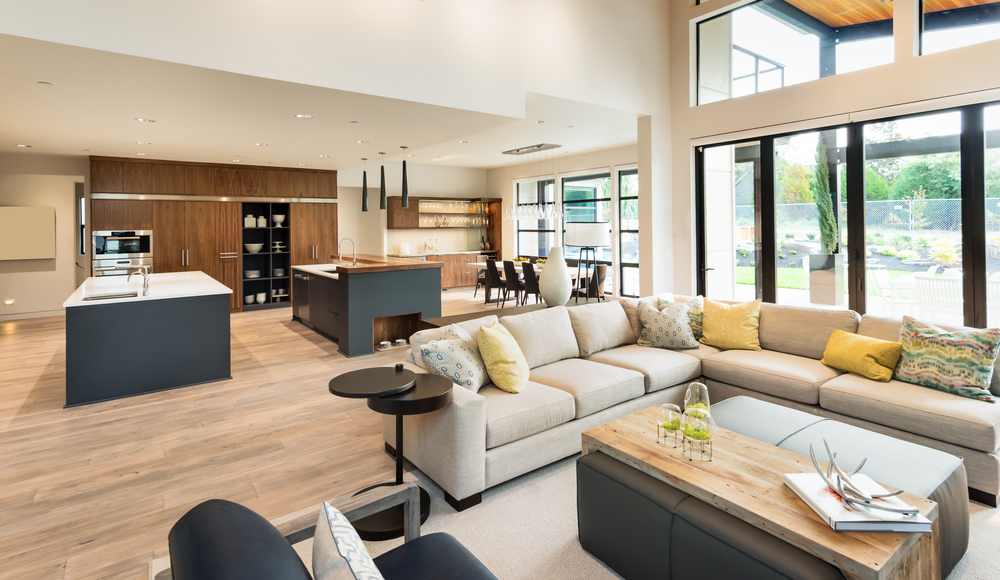
Opening walls or reshaping rooms is not automatically a win. Buyer preferences have become more mixed, with 51% preferring open layouts and 49% preferring more traditional ones. When a renovation removes privacy, noise control, or room definition, it can leave the home feeling less functional rather than more modern.
The renovations that age best usually do not demand much from the next owner. They preserve bedrooms, closets, parking, and flexible rooms while keeping finishes simple enough for a wide range of tastes. That does not make personal upgrades a mistake. It only means that homeowners planning to sell soon tend to protect value best when they choose practicality over customization.

