
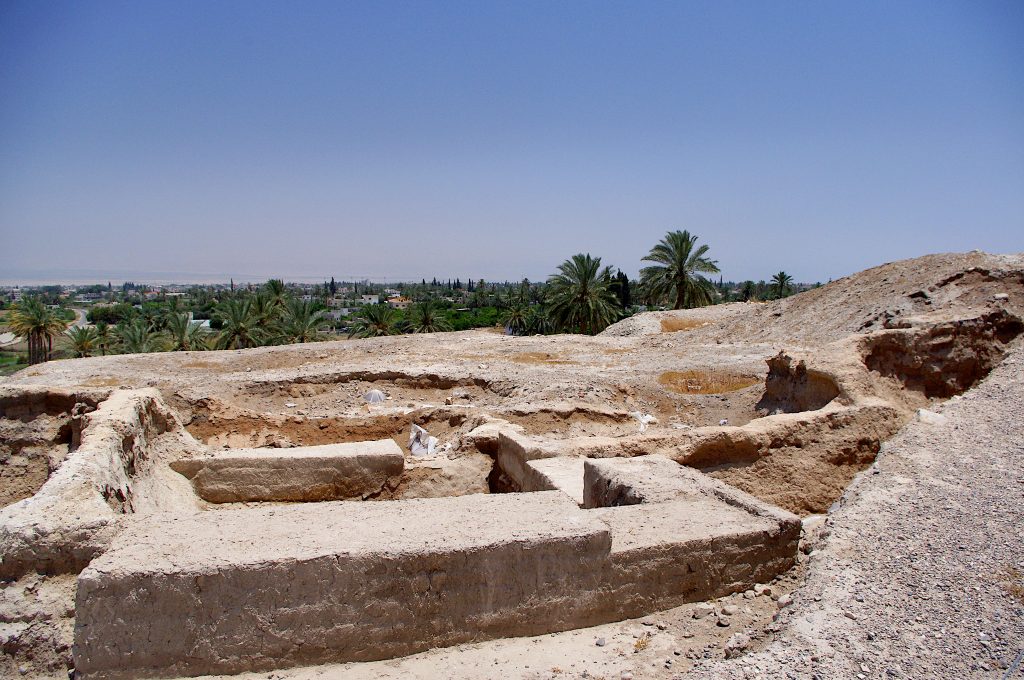
The beginnings of Yahweh worship remain one of the most debated questions in the study of the ancient Levant. Rather than pointing to a single, settled answer, scholars work from fragments: poems embedded in biblical texts, inscriptions scratched onto pottery and stone, Egyptian place lists, and the slow evolution of Israelite religion itself.
What emerges is not a simple origin story. It is a set of clues suggesting that devotion to Yahweh may have begun on the margins of early Israel, in a landscape shared by semi-nomadic groups, older Canaanite traditions, and regional cults that later biblical writers tried to streamline into a more exclusive faith.
1. Egyptian texts place the name Yahweh outside settled Israel
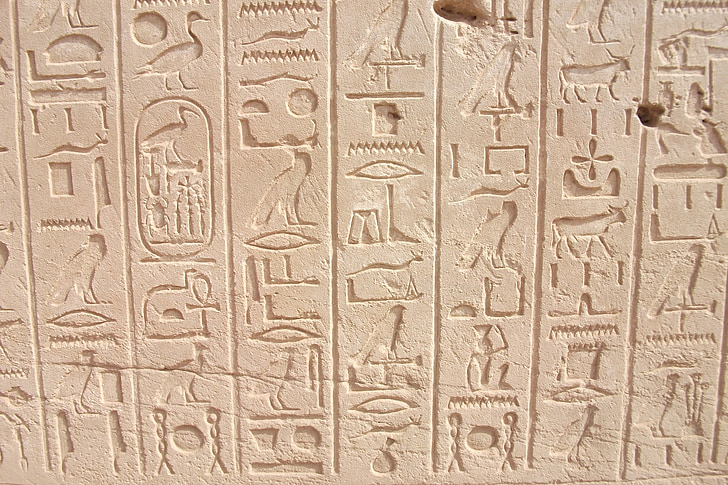
One of the oldest non-biblical clues comes from Egyptian inscriptions that mention “the land of the Shasu of Yahweh”. In these texts, the Shasu are described as semi-nomadic peoples associated with regions south and east of the central highlands later identified with Israel. That matters because the references do not place Yahweh first in Jerusalem or in a mature Israelite kingdom. They connect the name to mobile groups on the periphery of Egyptian control. Some scholars read this as evidence that Yahweh worship began among southern desert or Transjordanian populations before becoming central to Israel’s religion.
2. The oldest poetry preserves memories of a southern divine horizon
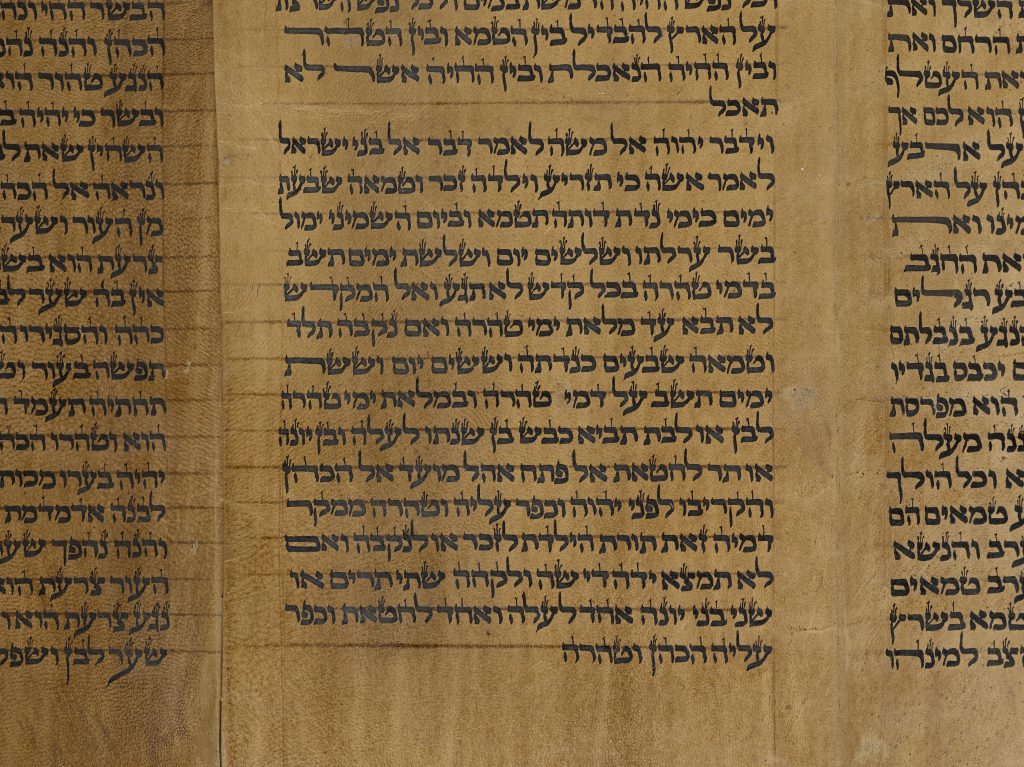
Scholars often treat archaic biblical poetry as a window into older religious memory. These poetic strata do not always explain Yahweh in the polished theological terms of later biblical prose. Instead, they preserve traces of a deity whose origins were no longer fully transparent to later writers. That is one reason Mark S. Smith’s work has drawn attention to how biblical texts may reflect “lost knowledge about Yahweh”. The phrase captures a wider scholarly problem: the texts most familiar to later communities may already stand at a distance from Yahweh’s earliest cultic setting. Old poetry does not give a map, but it suggests that the tradition inherited an origin story already partly obscured.
3. The Song at the Sea looks back from a much later religious world
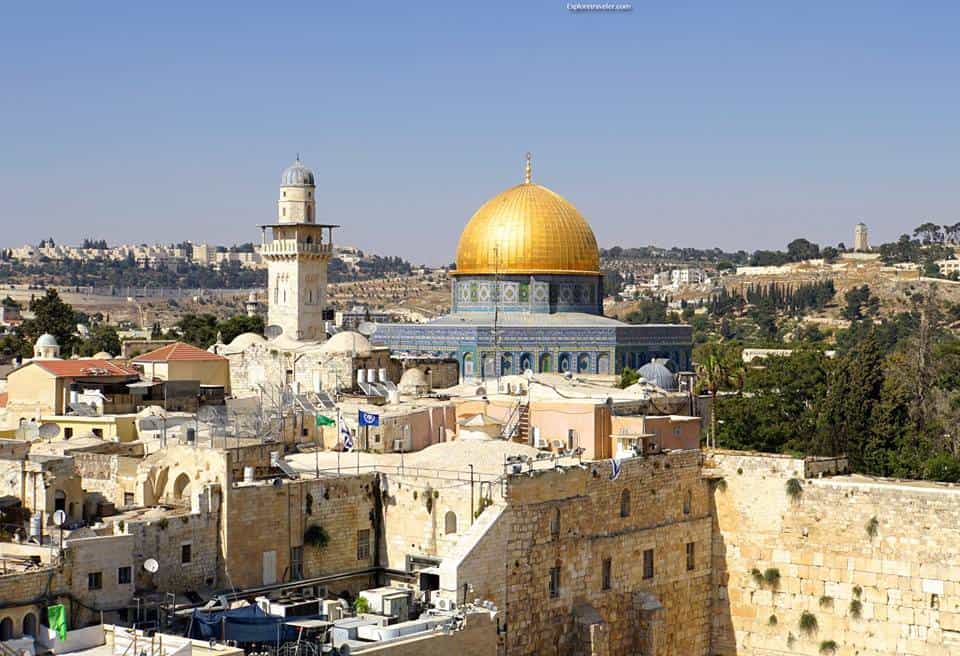
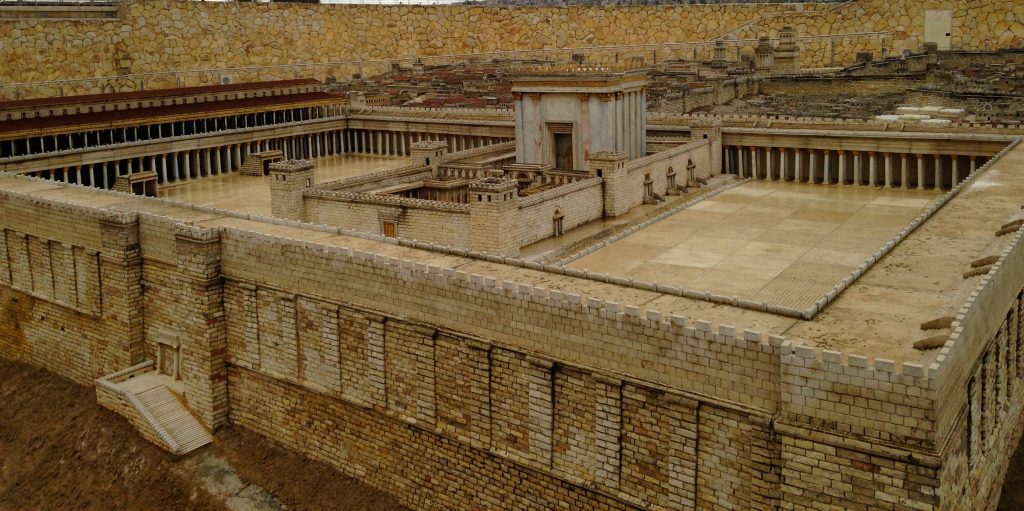
The poem in Exodus 15 is often imagined as an immediate victory song from the shoreline. Yet a close reading presented by scholars argues that the hymn’s horizon extends far beyond escape from Egypt. Its closing movement celebrates arrival in the land, fear among surrounding peoples, and the establishment of a sanctuary on God’s mountain. In that reading, the poem reaches its climax not at the sea but in the divine dwelling, with the line “the sanctuary, O Lord, which Your hands established”. That suggests the poem was shaped in a setting where Yahweh was already linked to a central cult site. For origin questions, this is important because it means some biblical passages preserve not the beginning of Yahweh worship, but a later stage in which earlier traditions had been recast around temple theology.
4. Early Israelite religion appears to have been exclusive before it was fully monotheistic
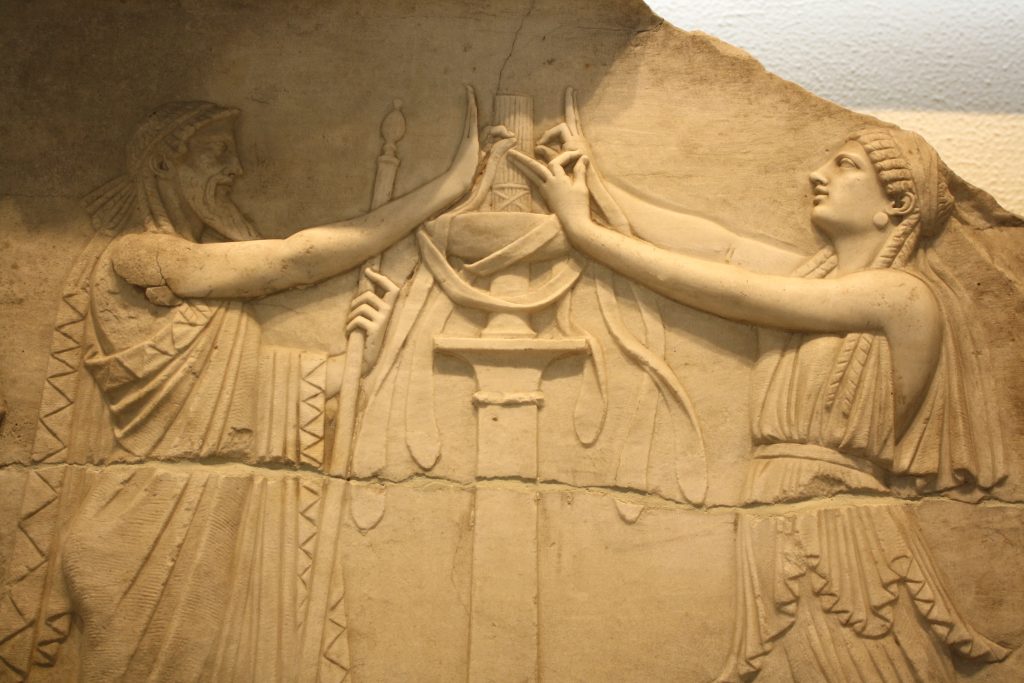
Another clue comes from the character of early Israelite belief itself. Much of the Hebrew Bible assumes the existence of other gods even while insisting that Israel must worship Yahweh alone. This pattern is often described as henotheism rather than strict monotheism.
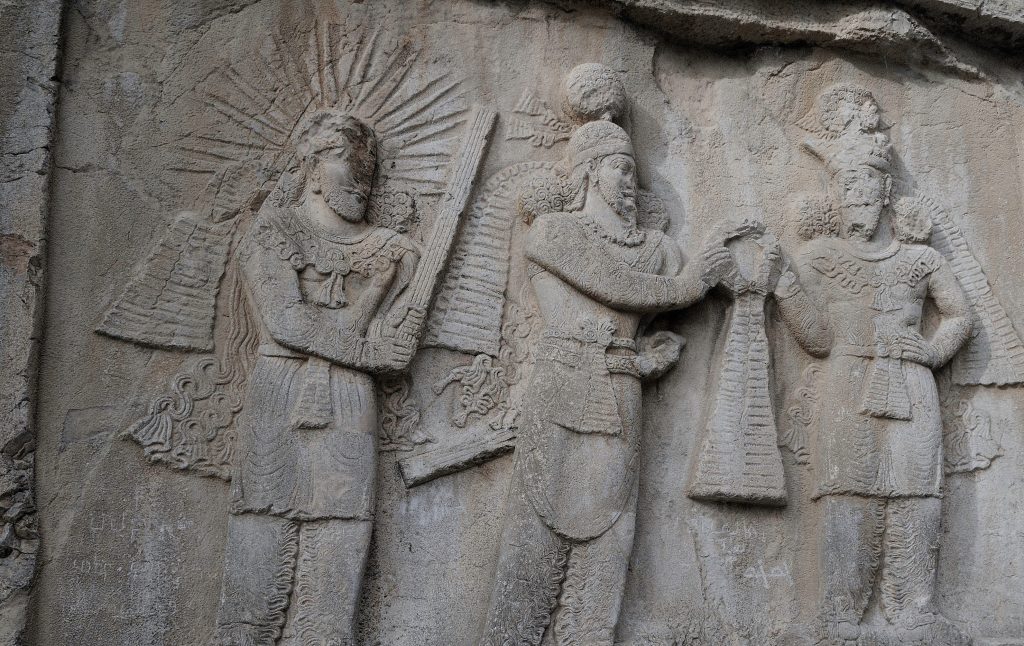
As one discussion of the evidence notes, most of the Hebrew Bible does not present the later claim that no other divine beings exist. That suggests Yahweh worship likely emerged within a wider polytheistic environment, not in isolation from it. The earliest followers may have elevated Yahweh above other deities before denying those deities altogether.
5. The Asherah evidence points to a blended religious landscape
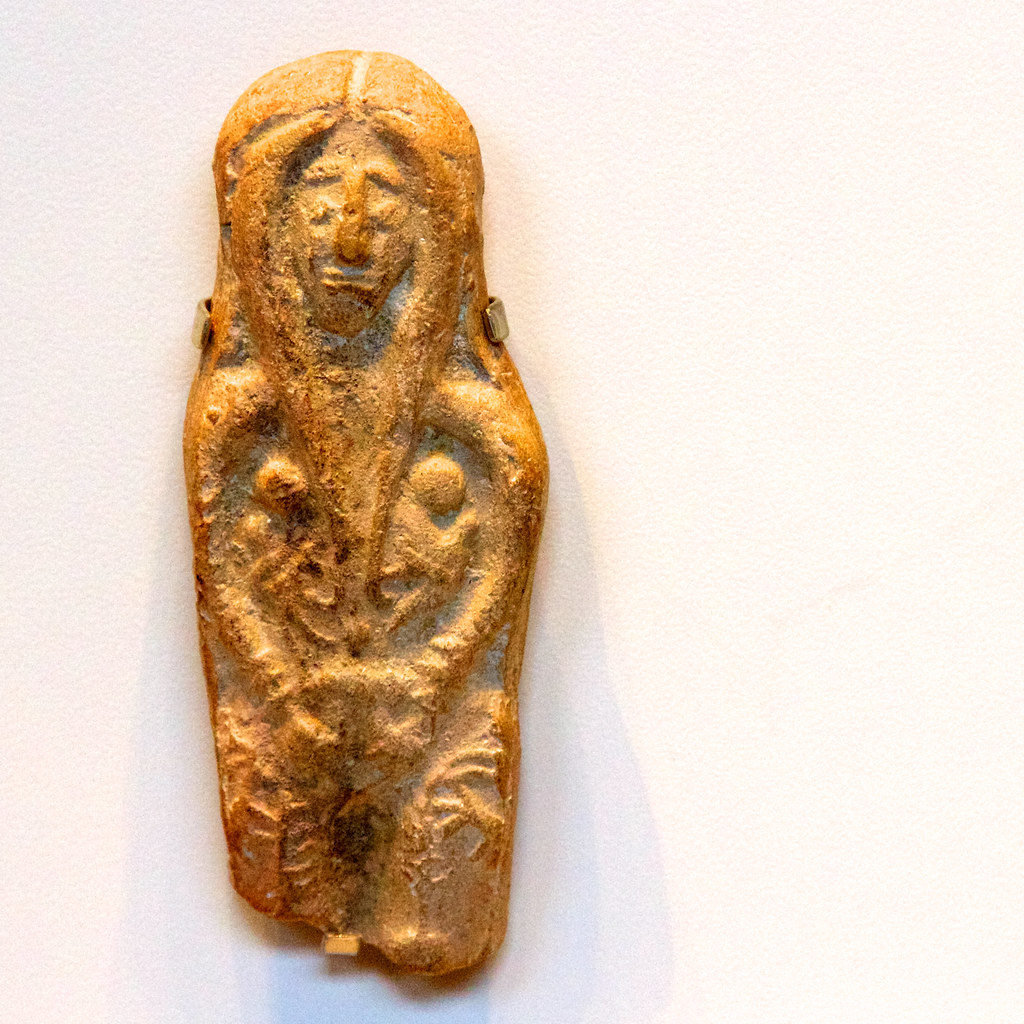
Inscriptions and biblical references complicate any picture of early Yahweh worship as cleanly separate from neighboring cults. The most discussed finds are the inscriptions from Kuntillet ‘Ajrud and Khirbet el-Qom, which include the phrase “Yahweh and his Asherah”. The wording has generated longstanding debate.
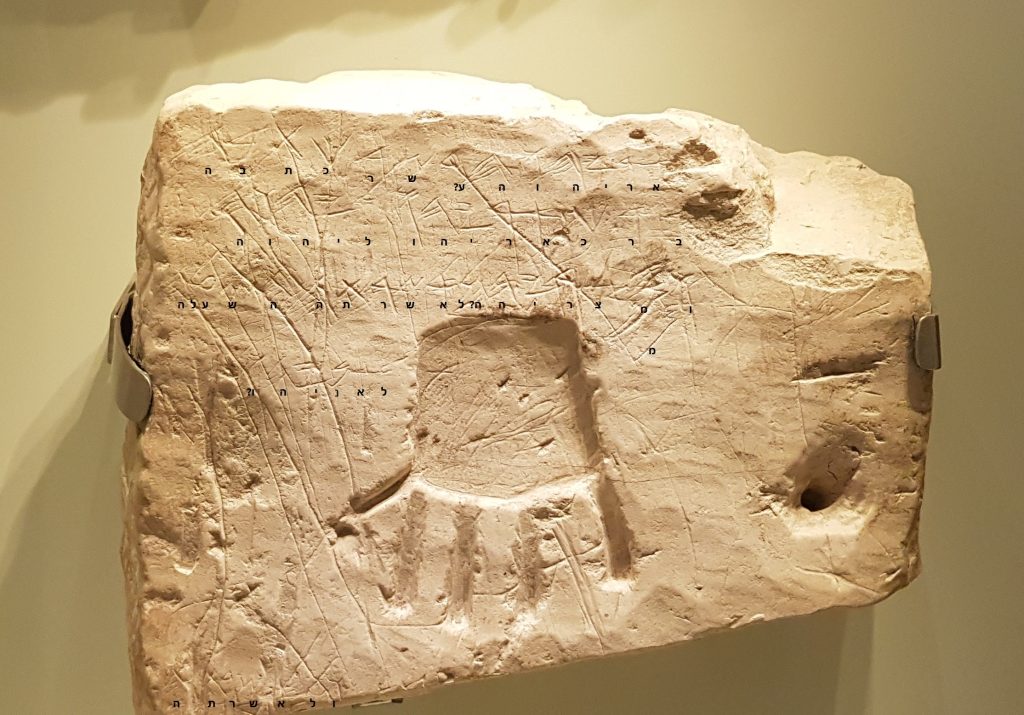
Some scholars understand Asherah here as a goddess linked to Yahweh in popular religion; others see a cult symbol rather than a divine consort. Either way, the evidence shows that early Yahweh devotion existed in a mixed environment where symbols, local practices, and inherited West Semitic divine patterns overlapped. That overlap fits a beginning in a broader regional religious culture, not a sealed-off system from the start.
6. The move from regional god to national god appears gradual
The combined evidence points less to a dramatic founding moment than to a religious migration. Yahweh may first have been revered by particular southern or marginal groups, then adopted by communities that became Israel, and only later universalized by prophets and scribes who declared that Yahweh was not merely Israel’s god but the only God. This longer arc helps explain why the evidence feels uneven. Egyptian texts connect the name to frontier peoples. Old poetry hints at memories later authors no longer fully understood. Biblical law often assumes rival gods are real, even when forbidden.
Archaeology shows ordinary religion could bind Yahweh to older cult symbols and figures. The sharp monotheistic declarations of later texts, especially in Isaiah, look like the culmination of that process rather than its beginning. No single clue settles the question of where Yahweh worship began. The strongest scholarly case comes from reading the evidence together: southern associations, early poetic memories, mixed popular practice, and the gradual narrowing of Israel’s worship toward one god alone. The result is less a pinpoint on a map than a historical pattern. Yahweh worship appears to have emerged at the edges, moved into Israel’s center, and only afterward been remembered as though it had always been there.

