
The name Yahweh sits at the center of one of religion’s longest-running historical debates. Modern scholarship does not treat its beginnings as a single dramatic moment. It reconstructs them from damaged inscriptions, archaic poetry, desert geography, and the uneven record of everyday worship. What emerges is less a tidy origin story than a slow transformation.
A deity tied by many scholars to southern landscapes and mobile communities gradually became the sole God of Israelite and later Jewish tradition, though the path from regional devotion to exclusive worship remains one of the most contested questions in biblical history.
1. An Egyptian inscription may preserve the oldest outside reference to Yahweh
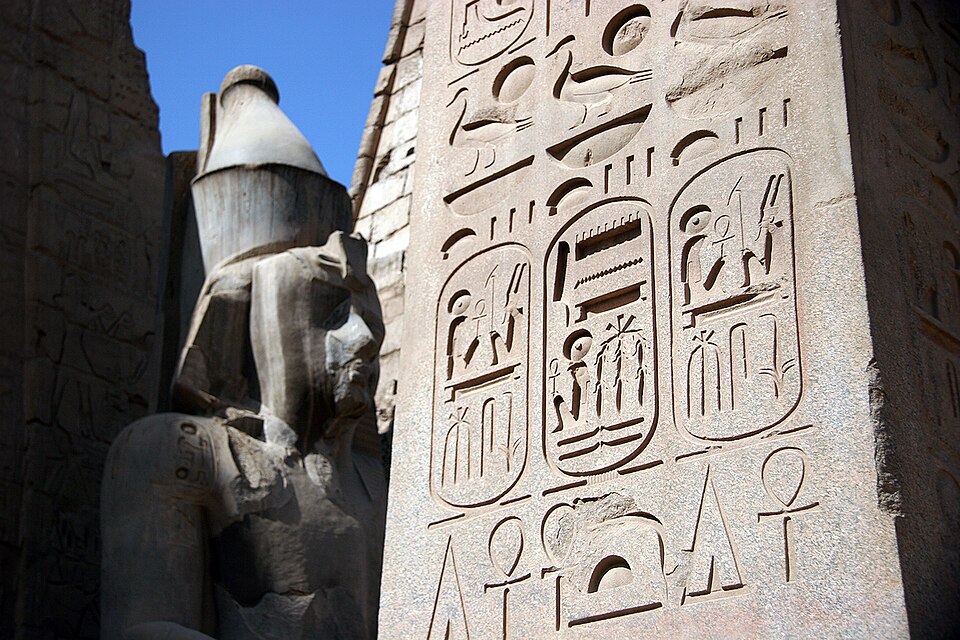
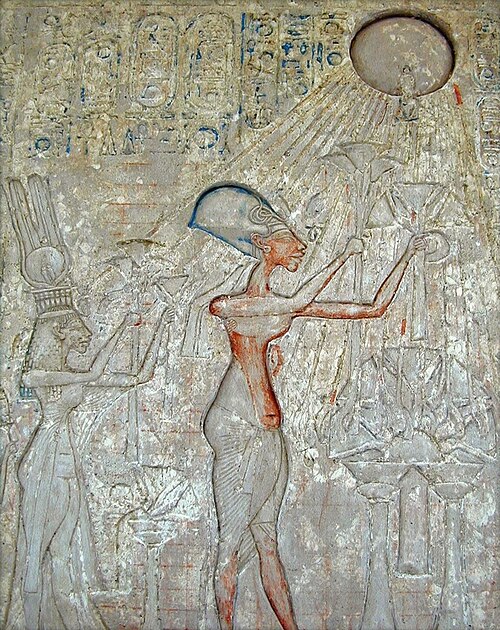
One of the earliest non-biblical clues comes from an Egyptian temple inscription at Soleb, often dated to the reign of Amenhotep III. Scholars frequently point to the phrase “Land of the Shasu Yhwꜣ” as a possible early appearance of the name later rendered as Yahweh. The inscription is fragmentary, and the debate has never fully settled. Some scholars read the term as a place-name rather than a divine name, while others see it as evidence that Yahweh was known outside Israelite literature far earlier than once assumed. Either way, the inscription shifts attention away from royal capitals and toward frontier zones, caravan routes, and the southern margins of the Levant.
2. Many scholars place Yahweh’s earliest cult in the south, not in Israel’s central highlands
A major line of scholarship connects Yahweh’s beginnings to regions such as Edom, Midian, Teman, and the broader southern desert. This reading draws strength from both inscriptional evidence and early biblical poetry that depicts Yahweh as coming from Seir, Paran, or Edom rather than from an established urban temple network. That matters because it changes the starting picture. Instead of beginning as a universal creator in the way later theology presents him, Yahweh may first have been worshipped as a powerful regional deity associated with mobile groups, storm imagery, and southern sacred geography. The absence of Yahweh from Ugaritic texts, often noted in scholarship, has reinforced this southern-origin model rather than weakening it.
3. Early Israelite religion was likely centered on Yahweh without denying every other divine being
Many historians describe early Israelite religion as monolatrous rather than fully monotheistic. In that model, Yahweh was the God Israel was bound to worship, even while the wider world was still imagined as populated by other divine powers. This helps explain why older biblical passages can sound exclusive without yet sounding philosophically modern. Commands such as having no other gods before Yahweh make the most sense in a world where rival worship is a live issue. The sharper claim that no other gods exist appears to have become dominant later, after long religious and literary development.
4. Some of the Bible’s oldest poetry already pushes toward Yahweh-alone language
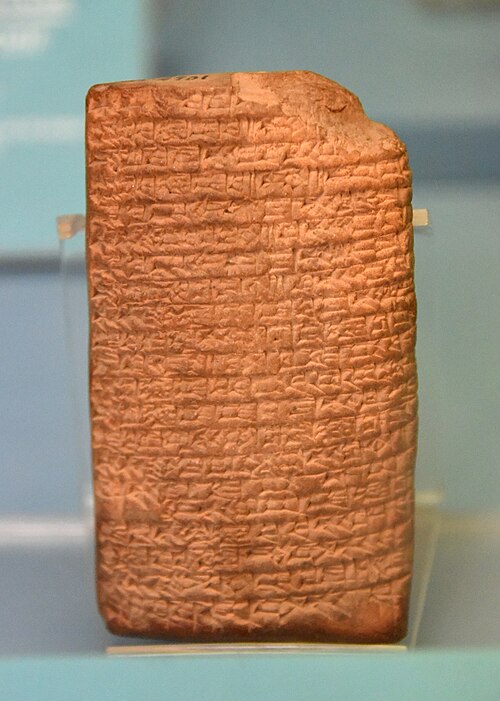
The case for early monotheistic thought often turns on poetry. Philip D. Stern argues that the Song of the Sea in Exodus 15, widely treated as a very early text, is not casually acknowledging rival gods when it asks, “Who is like You among the gods, O YHWH?” In his reading, the rhetorical force points the other way: no one is like Yahweh because no true competitor exists.
The same pattern appears in 2 Samuel 22 and reaches a clearer statement in Deuteronomy 32: “there is no god besides Me.” Stern’s argument does not claim that all Israelites were early monotheists. It argues something more precise and more intriguing: the idea itself may have been present in some of Israel’s earliest poetic traditions long before it became social consensus.
5. Archaeology shows ordinary religion was more crowded than later biblical ideals suggest
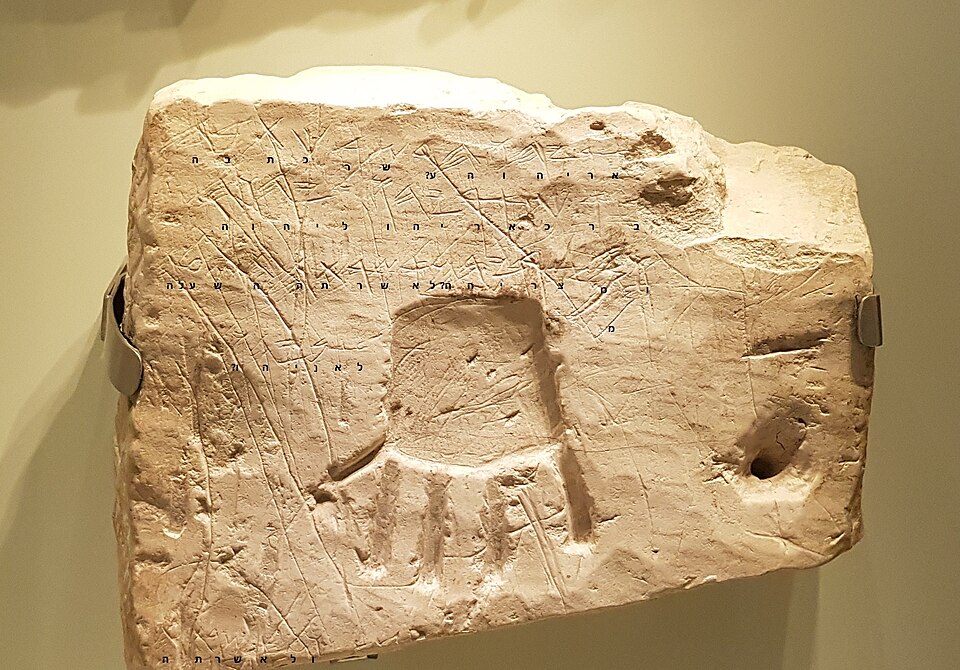
Literary theology and lived religion were not always the same thing. Archaeology has repeatedly complicated the picture by revealing that devotion in ancient Israel and Judah could include symbols, inscriptions, and cult practices that do not fit a clean Yahweh-alone model. A striking example comes from Kuntillet ‘Ajrud’s inscriptions mentioning “Yahweh and his asherah”. The site’s drawings and texts remain deeply disputed, and scholars disagree over whether they point to a goddess, a cult symbol, or unrelated imagery added at different times. Still, finds like these have made one point hard to ignore: household and regional practice could be far messier than the later edited biblical picture allows.
6. Crises and reforms appear to have turned a religious option into a defining identity
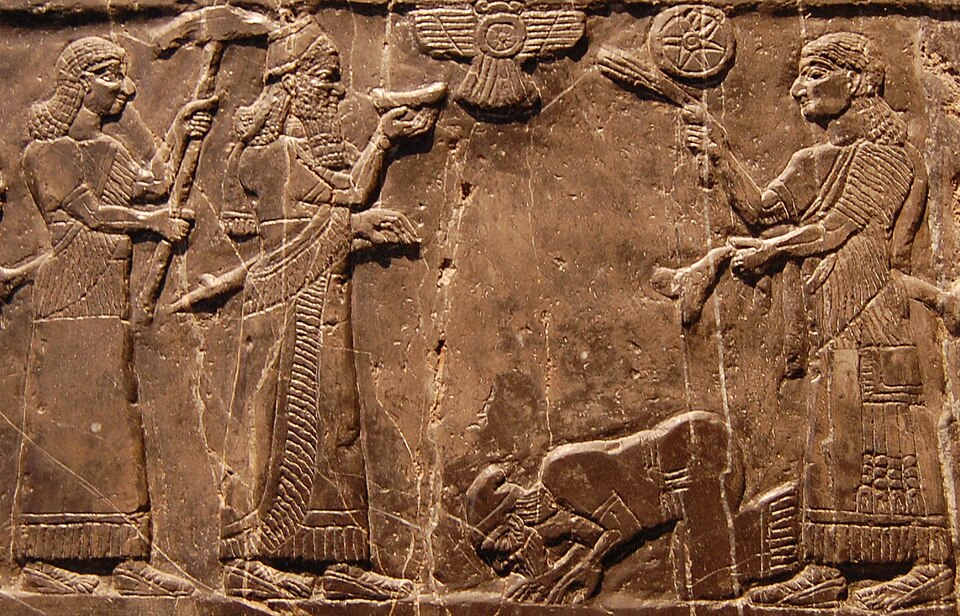
Scholars often separate the first appearance of an idea from the point when that idea becomes communal norm. Even if exclusive devotion to Yahweh appeared early in poetry or elite circles, it likely took political trauma, temple reform, and sustained scribal work to make it the defining language of a people. The falls of kingdoms, the centralization of worship, and the long work of editors and priests all helped narrow older religious possibilities. In that process, Yahweh ceased to be simply the god of a particular people and became the only legitimate God in the tradition’s self-understanding.
By the late biblical period, what may have begun as regional worship had been recast into an uncompromising theological identity. The scholarly picture remains jagged, and that is part of its force. Yahweh’s earliest history survives not as one clear narrative but as scattered traces: a weathered Egyptian inscription, archaic poems, disputed desert finds, and the memory of a religion still becoming itself. For readers of ancient religion, the real story is not a hidden secret finally uncovered. It is the record of how a name moved across landscapes, texts, and centuries until it carried the weight of exclusive worship.

