
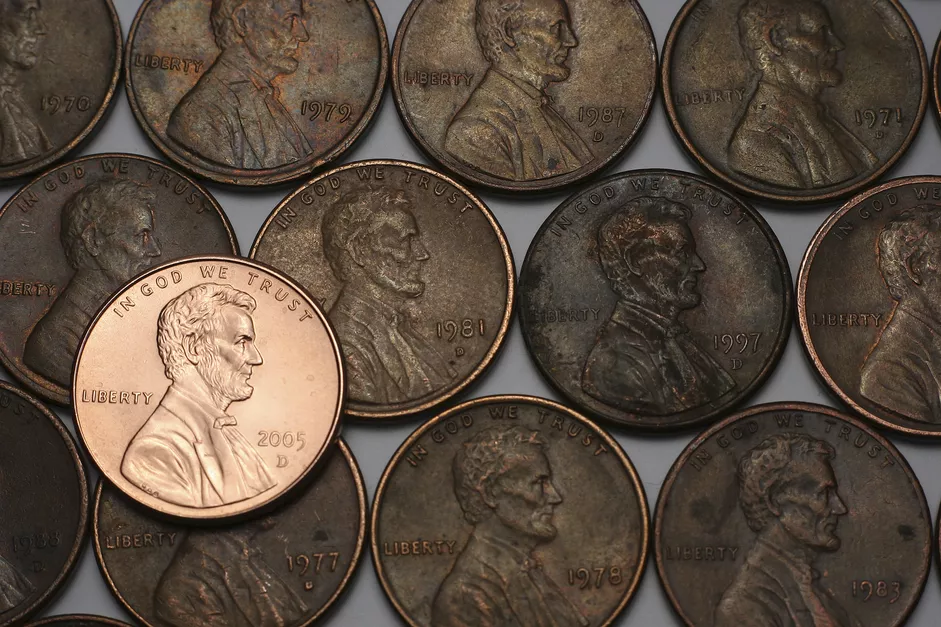
Lincoln cents feel familiar, which is exactly why they confuse so many beginners. A penny found in a jar, album, or inherited box can seem easy to judge at a glance, yet the series is full of details that reward careful looking and punish quick assumptions.
Many of the most common mistakes come from mixing hobby slang with minting terms, trusting surface color too much, or assuming that age alone makes a coin important. These seven myths tend to trip up new collectors first.
1. Any coin with doubled details is a doubled die
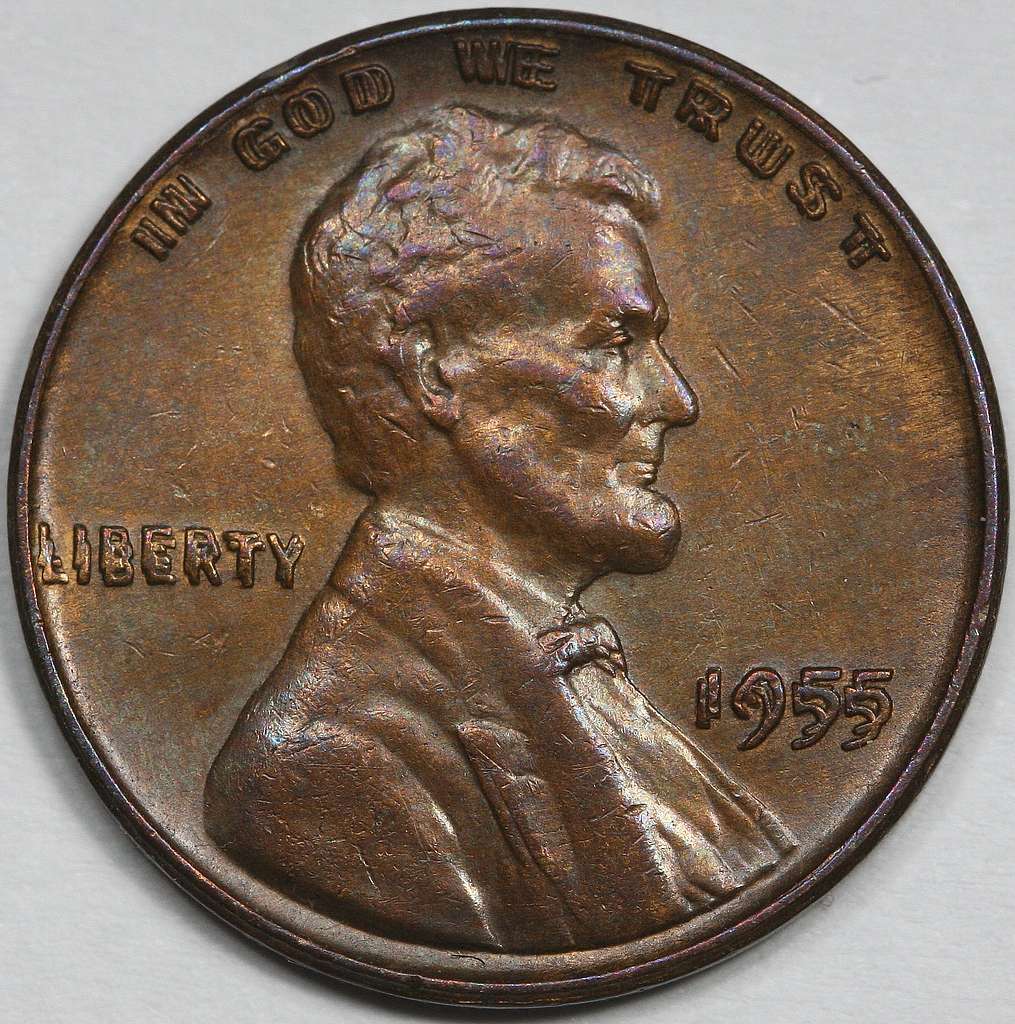
This is one of the most persistent mix-ups in penny collecting. A doubled die is created during die production, so every coin struck by that die can show the same duplicated design features. A double-struck coin is different: it is struck more than once during minting, and the result usually looks distorted, flattened, or misaligned rather than crisp. That distinction matters because the famous 1955 Lincoln cent is known for a dramatic doubled-die obverse, not for an ordinary second strike. On genuine examples, the strongest spread appears in the date, LIBERTY, and IN GOD WE TRUST, while the reverse remains normal. For a new collector, clean repeated lettering is a stronger clue than a generally blurry coin.
2. Every 1955 penny with some doubling is the famous one
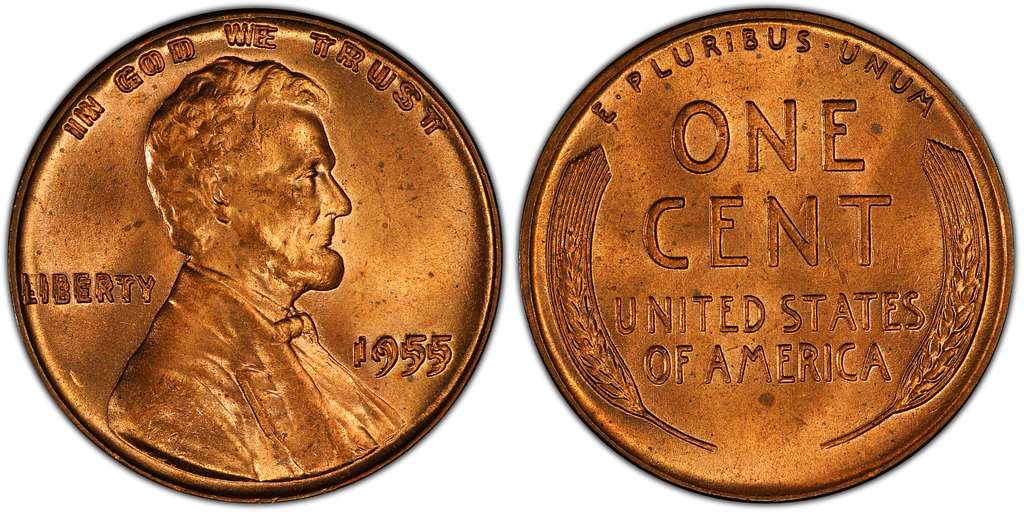
The date alone does not make the variety. New collectors often connect “1955” and “doubling” so quickly that almost any odd-looking cent becomes a candidate in their minds, but the celebrated variety is much more specific than that. Its hallmark is bold, obvious doubling on the obverse that can be recognized without extreme magnification once the viewer knows where to look. The story behind the coin has helped keep the myth alive, including the account that about 24,000 or so pieces entered circulation after being mixed with other cents. But the real test is still the coin’s visible diagnostics, not the excitement surrounding the year.
3. A magnet test can fully authenticate a 1943 copper cent
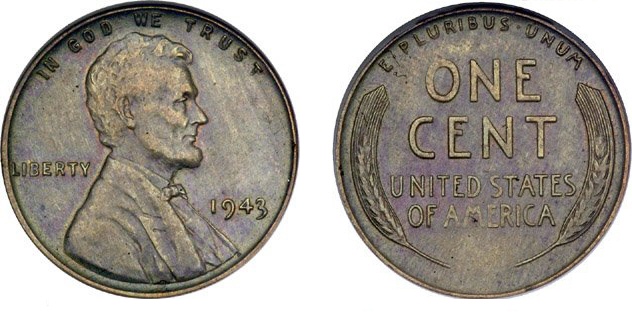
A magnet is useful, but it is only a first screen. In 1943, the United States stopped using copper for cents and used zinc-coated steel instead, so a normal 1943 cent should stick to a magnet. A genuine copper error from that year should not. The problem is simple: altered coins exist. Some ordinary 1943 steel cents have been copper-plated to imitate the rare error, and they can still cling to a magnet because the steel core remains underneath. Even a coin that “looks right” needs more than one test, especially when the series includes some of the most copied pieces in U.S. numismatics.
4. If a penny looks copper, it must be copper
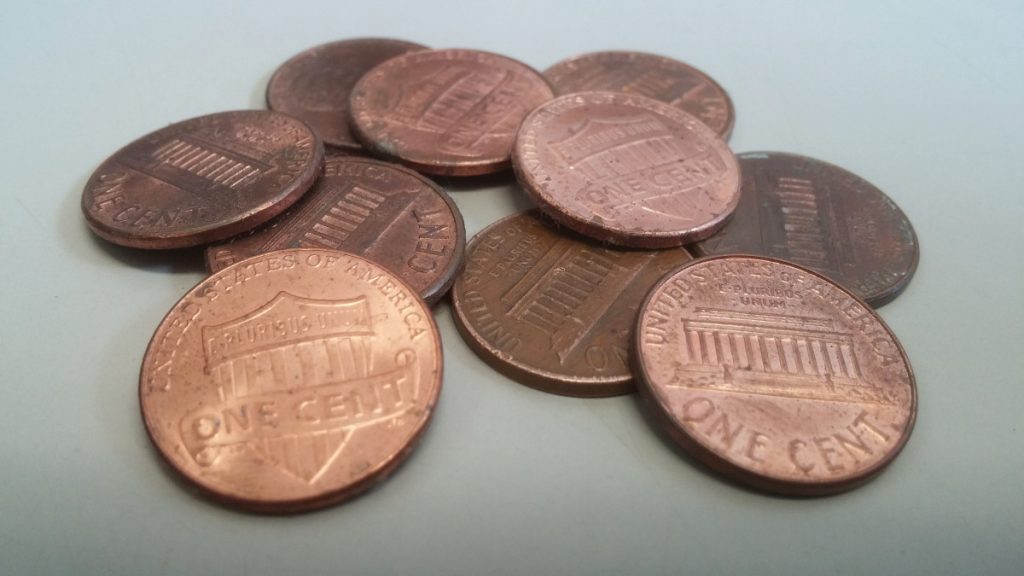
Color is one of the easiest things to fake. Steel cents can be plated, toned, or stained, and copper cents can darken or lighten over time in ways that make quick visual judgments unreliable. That is why experienced collectors treat appearance as a clue rather than a conclusion. A brown or reddish surface says something about what happened to the outside of the coin, not necessarily what metal sits underneath. The reference point remains basic physical evidence: magnetism, weight, and the coin’s overall surfaces together are more dependable than color alone.
5. Any 1909-S VDB with an “S” mintmark is automatically genuine
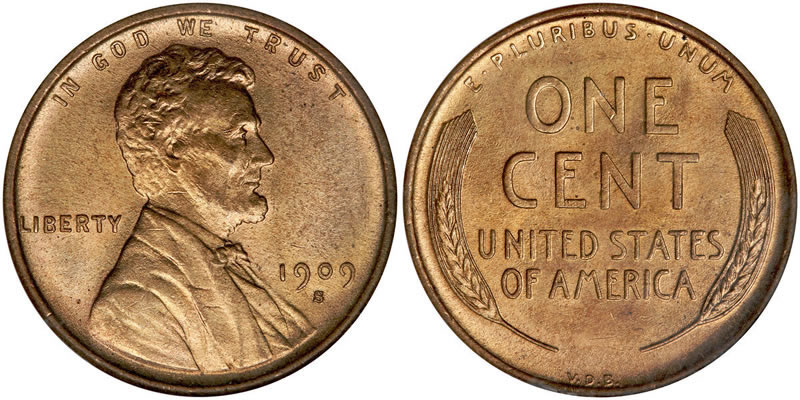
This myth survives because the coin is famous for good reason. The 1909-S VDB is a first-year Lincoln cent with a relatively low mintage of 484,000 pieces, and demand has made it one of the most altered U.S. coins. A small “S” is not enough. On authentic pieces, the mintmark has a specific style used on San Francisco Lincoln cents from 1909 through 1916, and many genuine examples show a small raised dot inside the top curve of the S. Placement matters too, because mintmarks were hand-punched into dies, and researchers have identified only a handful of correct positions for genuine 1909-S VDB cents. A wrong shape or wrong location can be a stronger warning sign than a worn coin.
6. The V.D.B. initials are too tiny to matter
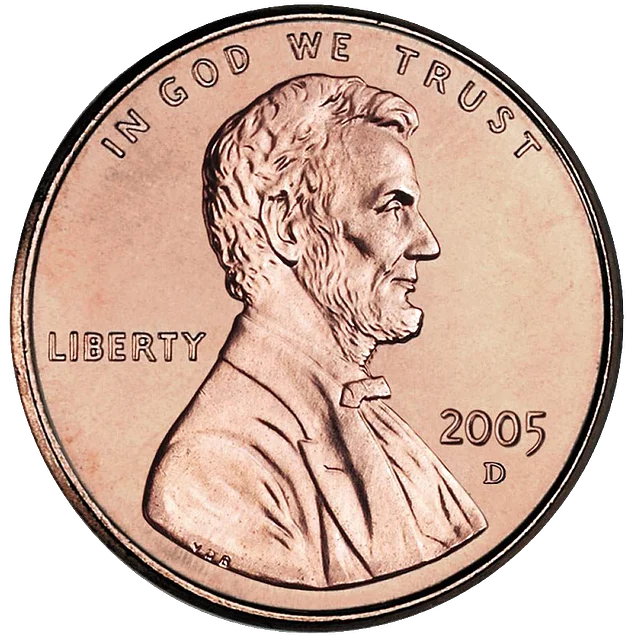
On this coin, tiny details do heavy lifting. Counterfeiters know collectors look for the initials, so they often add or alter them on less valuable cents. That makes letter shape crucial.
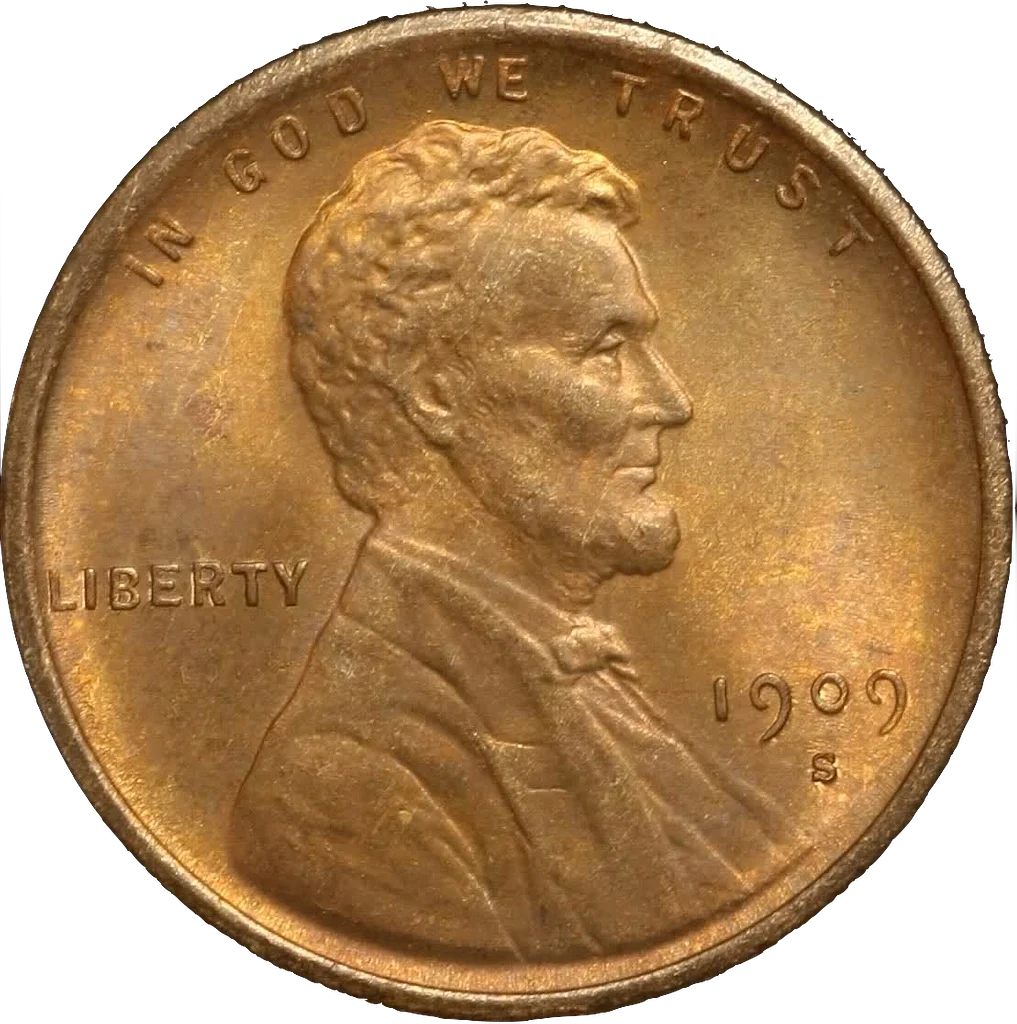
On genuine pieces, the crossbar of the B is slanted, and the base of the D has the proper angled look as well. According to authentication guidance for 1909-S VDB cents, these micro-details often separate genuine coins from altered ones faster than broad visual impressions do.
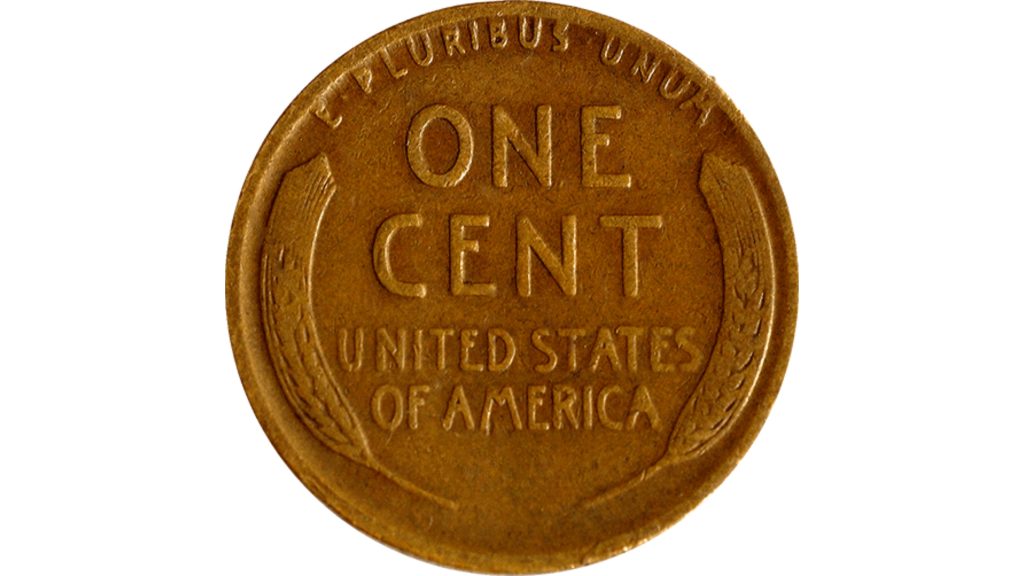
7. All wheat pennies are scarce because they are old
Old does not mean rare. Lincoln wheat cents were struck from 1909 to 1958, and many dates were produced in enormous numbers. A coin’s age may add charm, but scarcity usually depends on mintage, survival, collector demand, and whether a specific variety or error is present. This is where beginners often overestimate ordinary finds. A mixed group of wheat backs can absolutely be worth studying, but not every old cent is a standout.
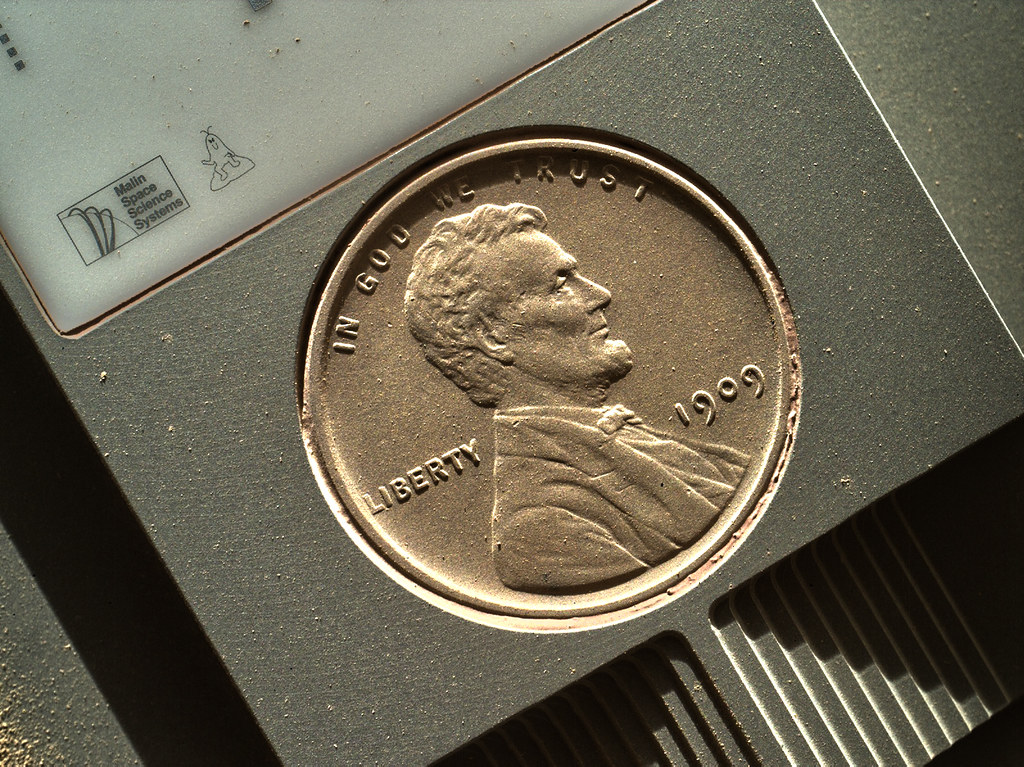
The more reliable approach is to look for precise combinations of date, mintmark, variety, and condition instead of letting age do all the talking. Lincoln cents become easier to understand once the myths are stripped away. Familiarity can make the series seem simple, yet the most important clues are often small: a letter shape, a mintmark position, a magnetic response, or the difference between true doubling and damage. For new collectors, that shift in mindset matters most. The strongest identifications come from close observation, not from a dramatic story attached to a date.

