
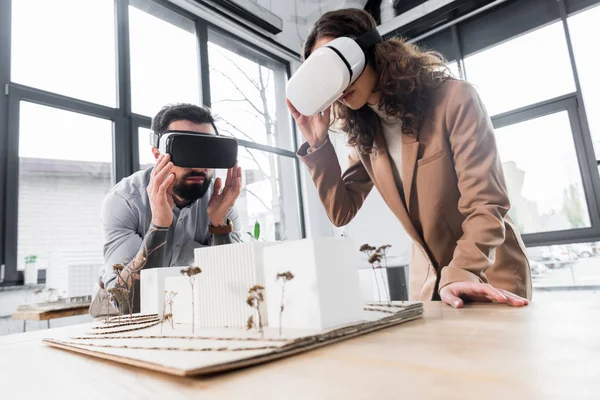
Science fiction has never been confined to escape. It has long acted like a testing ground where writers, filmmakers, engineers, and audiences rehearse ideas before they arrive in ordinary life. That is why the genre keeps feeling strangely familiar. The same stories that imagine alien worlds, synthetic minds, and distant futures also influence how people think about phones, screens, identity, power, and the shape of tomorrow.
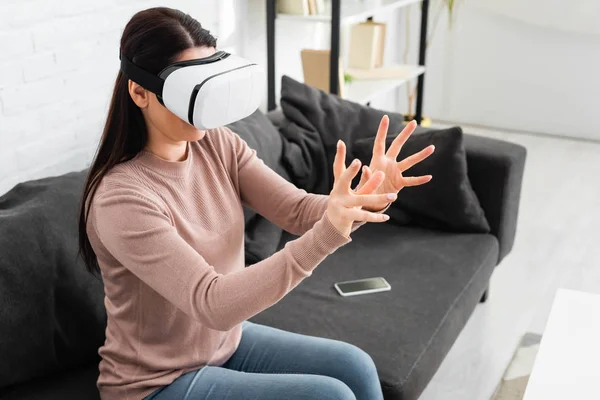
1. It turned fictional gadgets into design targets
Some of the clearest examples of science fiction’s influence are sitting in pockets and on wrists. Decades before modern devices became routine, fiction had already imagined video calls, portable communicators, and wearable screens. Long-running catalogs of predicted inventions include early fictional versions of mobile phones, smartwatches, tablets, and virtual reality, showing how often storytelling gets to the concept before industry gets to the hardware.
The point is not that fiction precisely invents technology on its own. It gives form to desire. Once a device appears on screen in a believable way, engineers and users alike can start treating it as something that ought to exist.

2. It gave engineers a language for building the future
Science fiction often works less like prophecy and more like a shared vocabulary. In technology fields, researchers increasingly refer to speculative stories when discussing what interfaces, assistants, implants, or digital environments could become. A study of papers from the ACM human-computer interaction conference found science fiction references appearing more often in HCI research over time.

That matters because invention is not only technical. It is narrative. Teams need a mental picture of how a tool fits into life, how a user encounters it, and what social consequences it may trigger. Science fiction prototyping emerged from exactly that need, using imagined futures to expose opportunities and problems before they become expensive realities.

3. It shaped cinema long before it shaped consumer tech
Science fiction changed not only what audiences watch, but how film itself evolved. Early screen fantasy helped push cinema toward spectacle, narrative experimentation, and visual effects that later became standard language in mainstream entertainment.
The classic example remains Georges Méliès’s 1902 film A Trip to the Moon, which the Royal Institution describes as a work that pushed the boundaries of what was possible for the medium. Its influence was larger than its runtime. Science fiction gave filmmakers permission to visualize the impossible, and that habit still drives blockbuster storytelling, streaming series, and the visual grammar of the future.

4. It became a safe way to talk about uncomfortable social problems
The genre’s deepest power may be cultural rather than technical. Science fiction can relocate current anxieties into invented settings, making difficult subjects easier to examine without the defensive reflex that direct argument often triggers.
That is why dystopias, alien encounters, and futuristic societies keep returning to themes like surveillance, ecological strain, inequality, xenophobia, and bodily autonomy. A story about another planet can still be a story about this one. As Annette Kuhn observed, “few things reveal so sharply as science fiction the wishes, hopes, fears, inner stresses, and tensions of an era.”
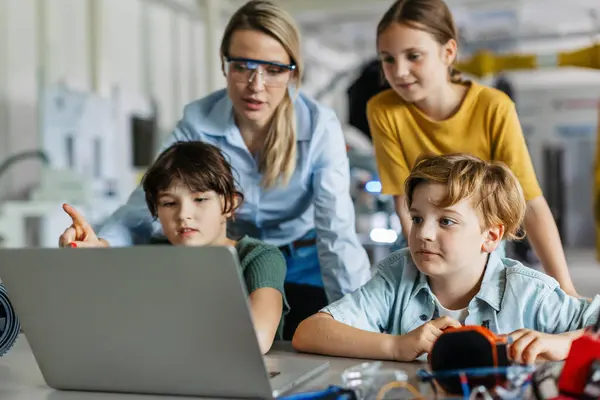
5. It gave classrooms a tool for examining culture and bias
Science fiction is now used in academic settings not only as literature, but as a method for teaching people how assumptions are formed. In anthropology, speculative worlds help students see that social norms are neither natural nor universal.
At the University of Oregon, Phil Scher uses the genre to explore cultural relativism and human agency. He explained, “Anthropological science fiction imagines concepts of a very different type of culture or society that would be alien to us.” In that framework, fictional societies become mirrors. By encountering alien customs, readers are pushed to notice the invisible rules of their own culture.
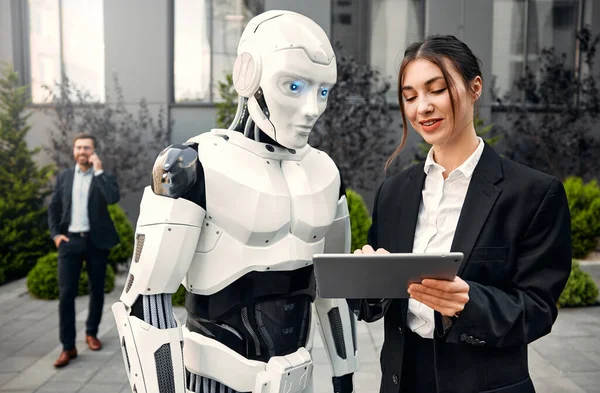
6. It keeps reopening the argument over what counts as human
Some of science fiction’s most durable stories are not about machines replacing people, but about the instability of the line between them. That question has only grown sharper in the age of AI systems, synthetic media, and machine-generated language.
Blade Runner remains central because its replicants do not simply threaten humans; they unsettle the category itself. Scher put the issue plainly: “When we realize the robots don’t know they’re robots, it gives us pause to think about how much autonomy we have over our own lives.” In that sense, science fiction is less interested in metal bodies than in memory, empathy, programming, labor, and who gets recognized as fully human.
7. It influences science even when the screen version comes first
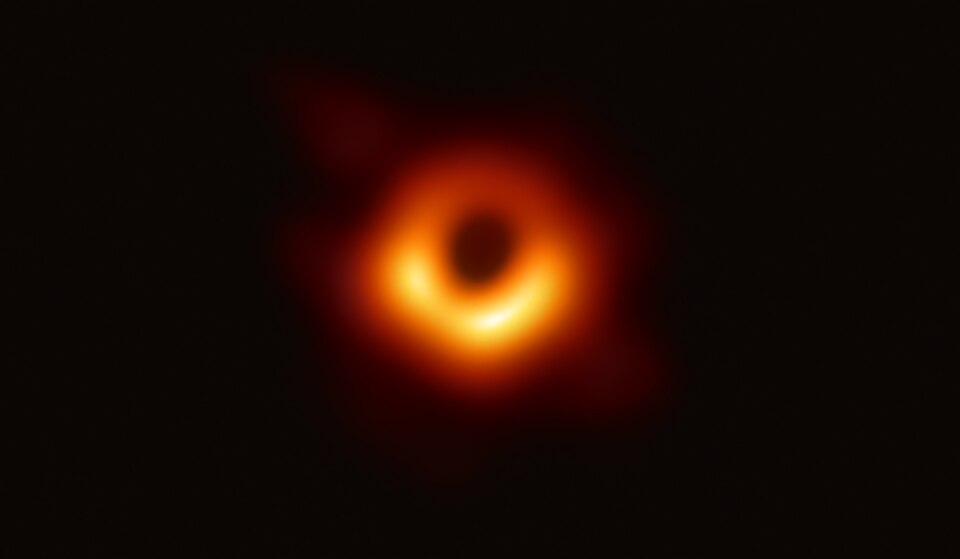
Sometimes the traffic runs in reverse: fiction shapes the questions scientists pursue. One striking example came from Interstellar, where the demands of visualizing a black hole led to a collaboration between filmmakers and physicist Kip Thorne. The project produced technical papers on black hole visualization and gravitational lensing after the film’s release.
That pattern helps explain why science fiction remains unusually influential. It does not just entertain consumers after innovation happens. It can help define what researchers try to model, what companies try to build, and what societies learn to fear or welcome.

Science fiction endures because it works on two timelines at once. It reflects the present with enough distance to make it visible, and it sketches futures vivid enough for real institutions to chase. Its biggest ideas rarely stay on the page. They move into labs, classrooms, design studios, policy debates, and everyday habits, often so gradually that the border between fiction and life stops looking like a border at all.

