
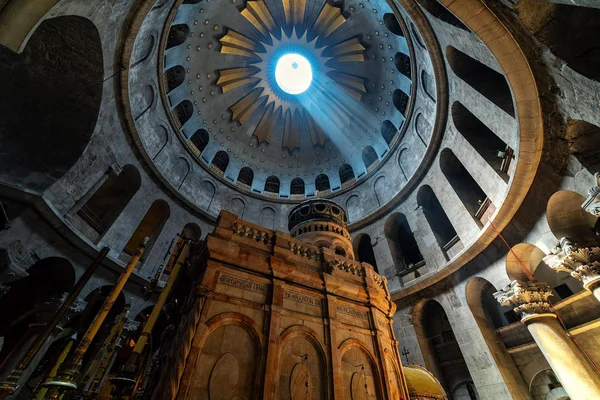
Beneath one of Christianity’s most revered sanctuaries, archaeologists are uncovering a landscape far more layered than a single shrine. The Church of the Holy Sepulchre, long honored as the traditional place of Jesus’s crucifixion and burial, is yielding evidence of quarrying, cultivation, burial, construction, destruction, and devotion across centuries.
The strongest intrigue in the current work is not a single object. It is the way modest finds such as seeds, stone walls, coins, steps, and carved rock are combining into a more detailed portrait of how sacred memory became anchored to place.
1. Ancient garden traces are turning scripture into topography
The most discussed discovery is the identification of olive and grape remains beneath the church floor. Researchers linked the evidence to archaeobotanical and pollen analysis, which revealed cultivation in the area before the church existed. That matters because the Gospel of John describes a garden near the crucifixion and burial site.
Francesca Romana Stasolla said, “The archaeobotanical findings have been especially interesting for us, in light of what is mentioned in the Gospel of John.” She added, “The Gospel mentions a green area between the Calvary and the tomb, and we identified these cultivated fields.” The finding does not settle theological questions, but it gives physical form to a setting that had often lived mainly in text and tradition.
2. The ground started as a quarry, not a sanctuary
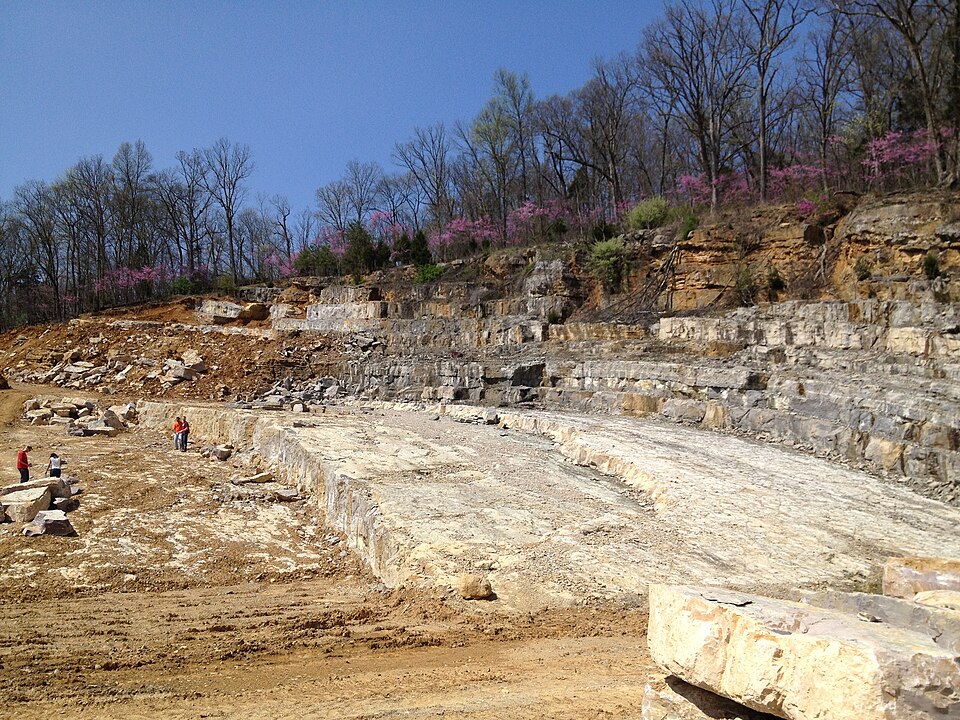
Long before pilgrims arrived, the site functioned as an ancient stone quarry outside Jerusalem’s earlier walls. Excavations have tied that phase to the Iron Age, when stone was extracted and the terrain was cut into the bedrock. That origin helps explain the site’s later shape.
Abandoned quarries often left irregular rock faces and cavities suitable for reuse, and in Jerusalem they could transition into agricultural plots and burial zones. What appears today as a monument of marble, chapels, and ritual was first a working landscape altered by labor, not liturgy.
3. Burials carved into the rock fit the wider cemetery pattern
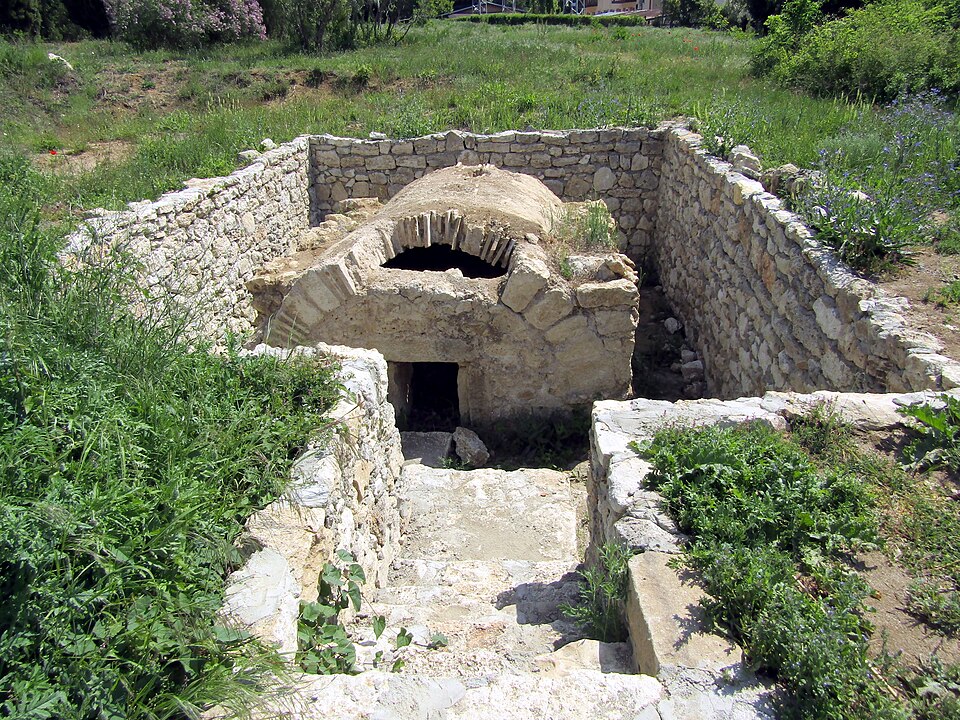
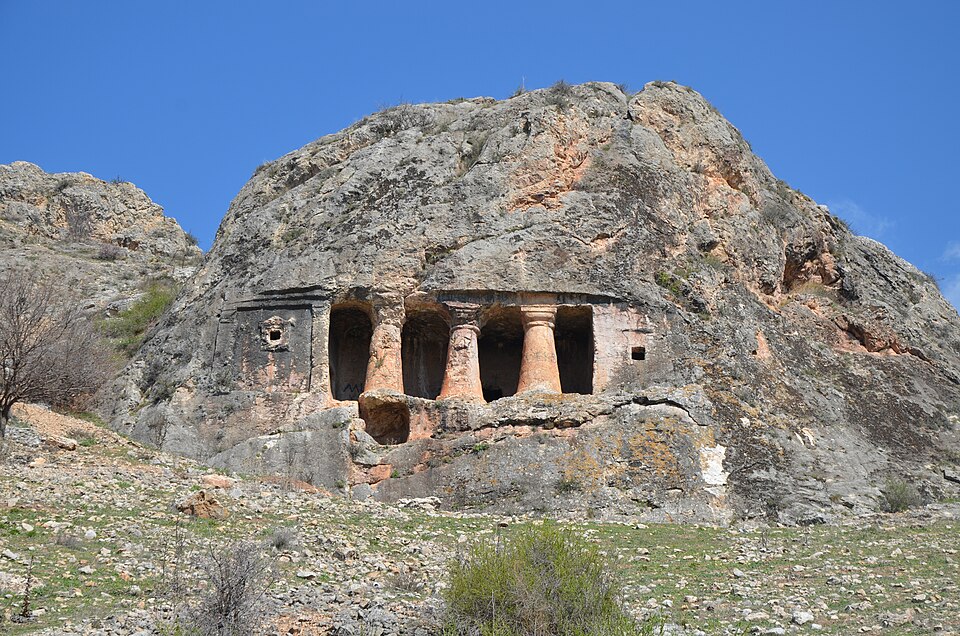
As quarrying faded, tombs were cut into the rock at different levels. Stasolla explained, “We need to imagine that as the quarry was progressively abandoned, tombs were carved at different levels.” That detail aligns with the broader understanding that the area served as a burial zone in the late Second Temple period.
Even older investigations had shown multiple rock-cut tombs in and around the compound. The significance is cumulative: the church does not stand over an isolated cavity, but within a funerary landscape consistent with ancient Jerusalem’s burial customs.
4. Constantine’s builders may have preserved more of the earliest shrine than expected
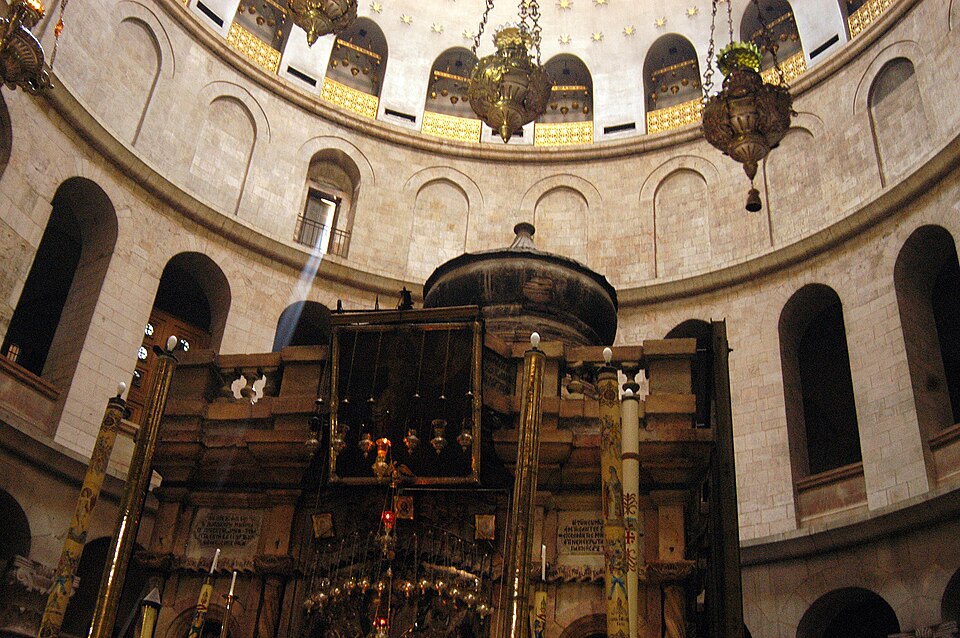
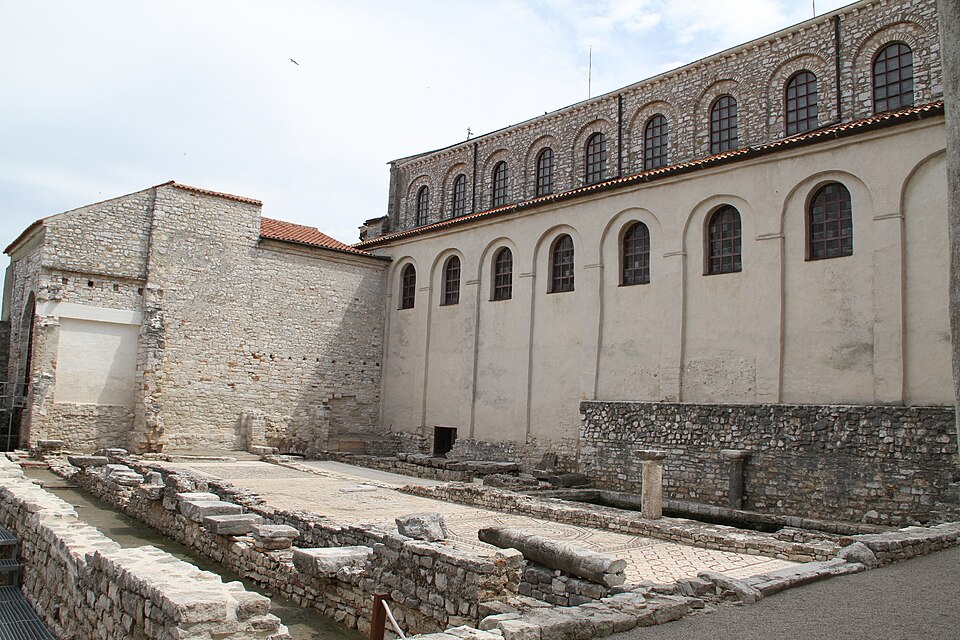
Excavators working near and under the Edicule, the structure enclosing the traditional tomb, identified a circular marble base connected to the site’s early monumentalization. Stasolla said, “Under the current aedicule, we found a circular basis that is part of the first monumentalization of the tomb, made out of marble.”
The team also uncovered marble steps and a coin deposit that helped date phases of the early shrine, including coins extending to the reign of Emperor Valens. Together, those details suggest the shrine evolved in more than one early Christian phase, rather than appearing all at once in a single architectural gesture.
5. A tomb surface once thought lost may still survive
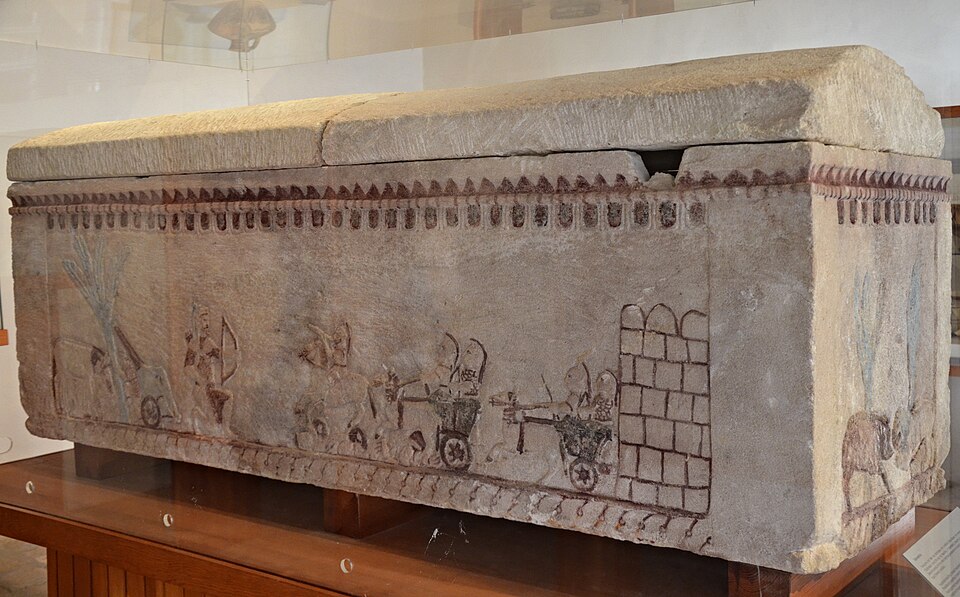
Earlier restoration work drew global attention when teams reported exposing part of the original limestone burial bed inside the tomb chamber. That moment mattered because many historians had assumed repeated destruction and rebuilding had erased the earliest physical remains.
Researchers did not claim certainty about Jesus’s burial itself. What changed was the material picture: remnants of the cave appear to have endured despite centuries of damage, repairs, and enclosure. The site’s continuity became easier to visualize, even if its ultimate identification remains beyond archaeology alone.
6. Everyday remains are exposing the church as a lived place
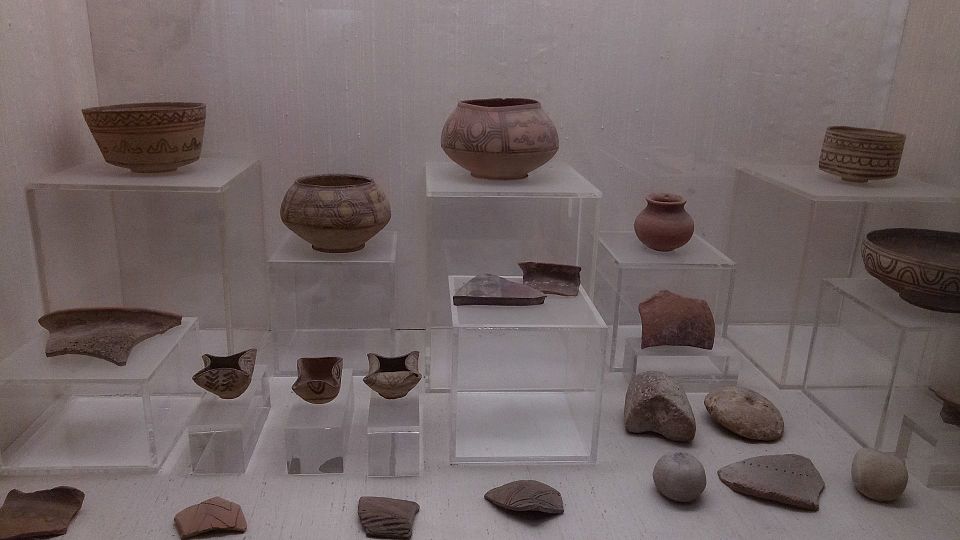
Not every revealing object is dramatic. Excavators have documented pottery, lamps, glass, stone walls, and large quantities of animal bones, along with fish remains and edible snails associated with meals consumed by clergy and pilgrims over long stretches of time.
This makes the church’s underground record feel less abstract. Beneath the ceremonial surface lies evidence of maintenance, movement, eating, building, and crowding. Holy places are often imagined as frozen in reverence, yet archaeology shows constant human use shaping the site century after century.
7. The excavation itself is unusually difficult and unusually modern
The work has proceeded in sections so the church can remain accessible for worship. Floors are lifted, one area is examined, then covered before another opens. Stasolla described the process in memorable terms: “If we were talking about a puzzle, we could say we are only excavating one piece at a time, but eventually, we will have a complete multimedia reconstruction of the full picture.”
That reconstruction relies on specialists, databases, and digital modeling, with data moving between Jerusalem and Rome. The result is not just a trench-by-trench dig, but a layered map of architecture, drainage, burial, cultivation, and ritual use assembled through contemporary archaeological methods.
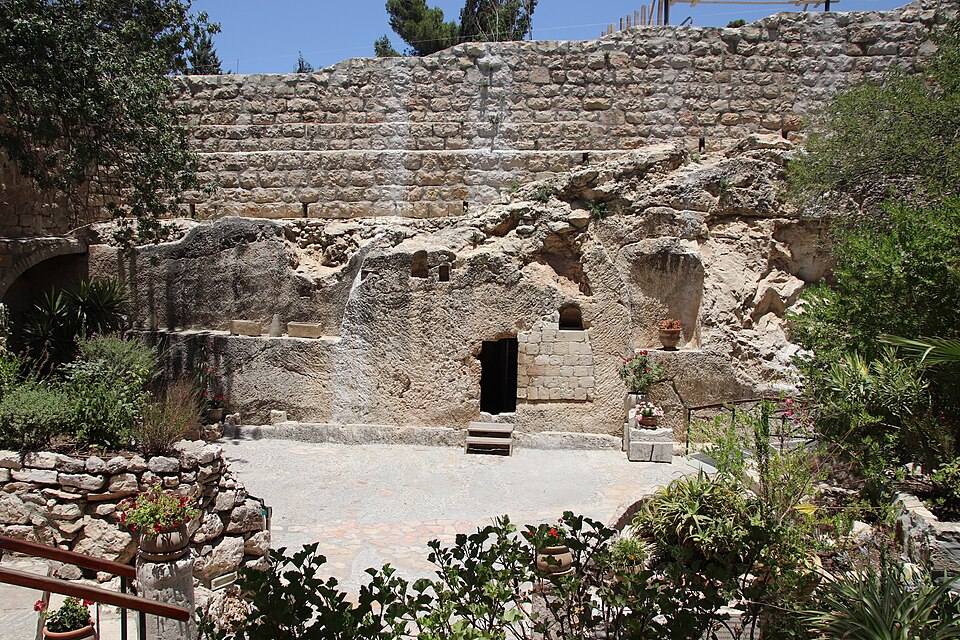
The deeper consequence of the work is larger than any single headline about Christ’s tomb. The church is emerging as a place where geology, empire, scripture, pilgrimage, and urban history overlap in unusually visible ways.
Stasolla’s closing perspective remains the clearest frame for the discoveries: “The real treasure we are revealing is the history of the people who made this site what it is by expressing their faith here.” In that sense, the finds beneath the floor are not only about proving a location. They are about showing how belief and built space shaped one another across Jerusalem’s long memory.

