
American shopping and dining habits are changing in plain sight. Familiar chains are cutting hundreds of locations, not just because of weak sales, but because debt, online competition, labor costs, and changing routines have made large footprints harder to sustain.
Some brands are disappearing entirely. Others are using closures to protect stronger stores, modernize operations, or push customers toward digital ordering and smaller formats. Together, the moves show how quickly everyday retail and restaurant access can shift.
1. Joann is disappearing from the map
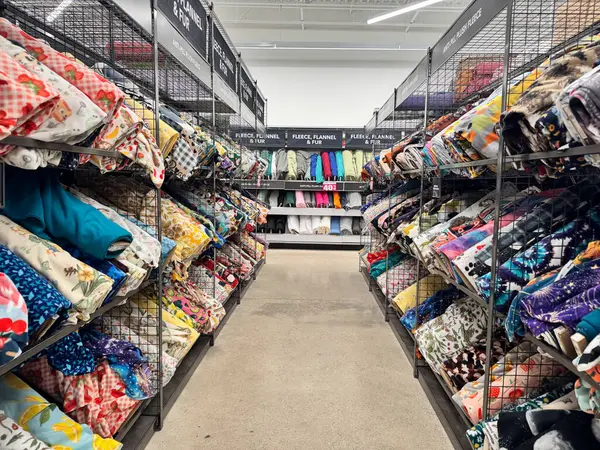
Joann’s retreat stands out because it is not a trim around the edges. The crafts chain is closing all 790 U.S. stores after filing for Chapter 11 bankruptcy twice in less than a year. A business that once benefited from a pandemic-era crafting surge could not hold onto that momentum as sales fell and inventory tightened. The collapse also reflects a deeper retail problem: debt can leave little room to refresh stores, improve staffing, or compete with stronger rivals. For many communities, the loss means one less specialized brick-and-mortar stop for fabric, sewing, and hobby supplies.
2. Party City lost the business that made it distinct
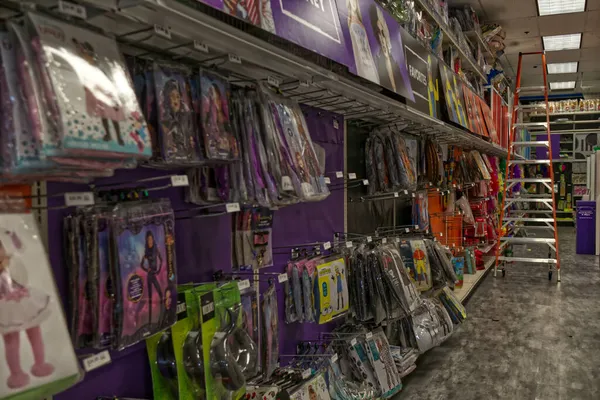
Party City is winding down roughly 700 stores after years of pressure on the model that once made it a category leader. Its balloon business took a hit during a helium shortage, and the broader party market changed as inflation pushed households to spend more carefully on celebrations. The company also faced the long shadow of debt and stronger competition from big-box stores, e-commerce, and seasonal chains. CEO Barry Litwin told employees that its “very best efforts have not been enough to overcome” the company’s challenges.
3. Starbucks is cutting stores to rebuild the experience
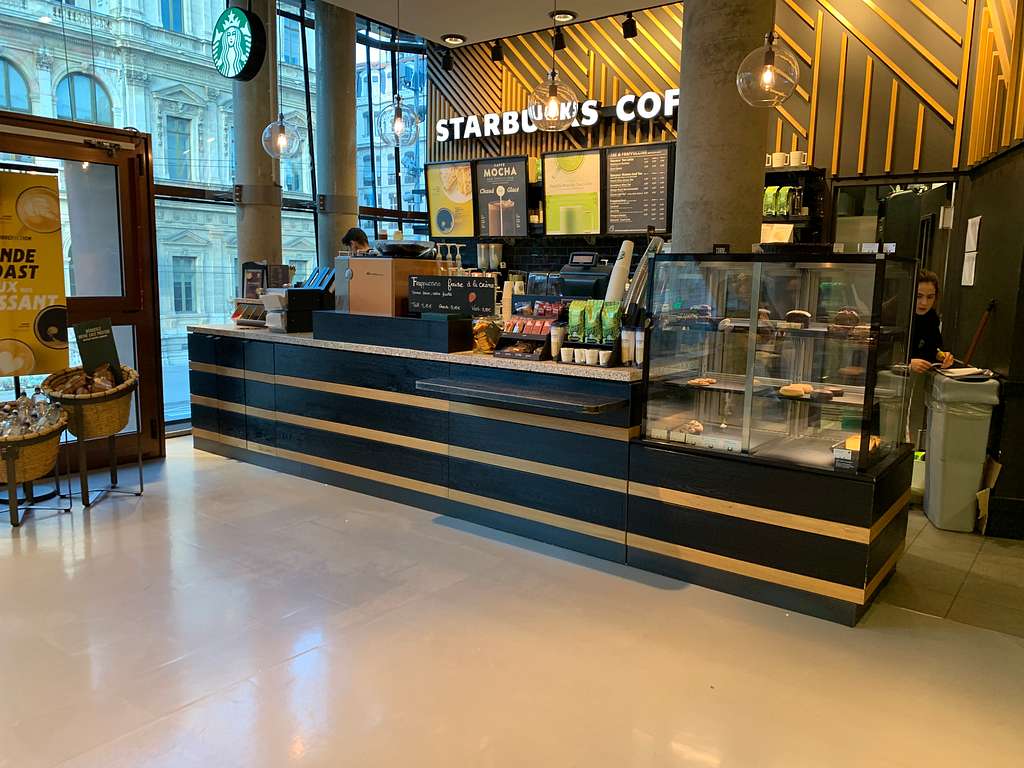
Starbucks closed 627 stores as part of a broader restructuring effort centered on underperforming locations. The company said some sites were unable to deliver the environment customers and employees expected, while others no longer showed a clear path to financial performance. This is less about abandoning growth than tightening standards. The chain has been redirecting attention toward remodels, staffing, and store quality, showing how even large brands are reevaluating whether every address still fits the business.
4. Big Lots shows how discount chains can still fall behind
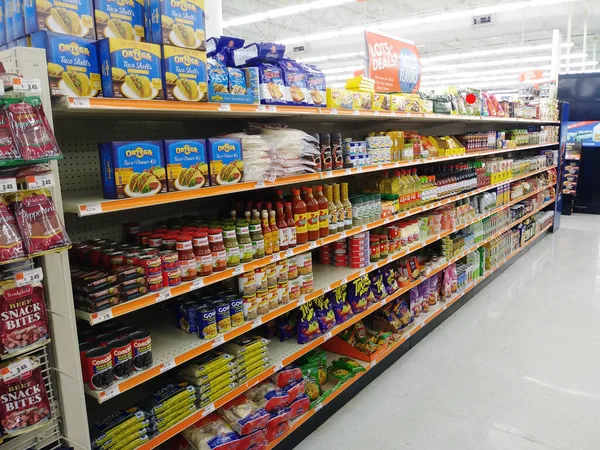
Big Lots has been selling leases for at least 480 stores, even after avoiding a full liquidation. The discount segment can look resilient during inflation, but low prices alone no longer guarantee stability when inventory tools, pricing systems, and store execution lag behind larger competitors. That has become one of the defining themes of this closure wave. Chains with weaker systems are struggling in a market where shoppers expect convenience, fast replenishment, and sharper value messaging.
5. Walgreens reflects a bigger pharmacy access shift
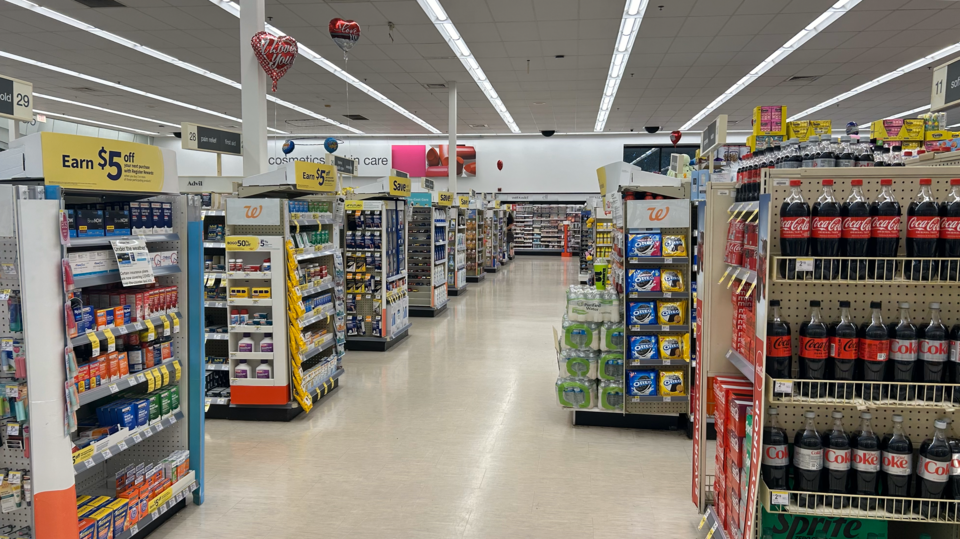
Walgreens is closing 450 locations in 2025 as part of a multi-year fleet reduction. The move fits a broader pharmacy reset as customers increasingly use delivery, telehealth, and online prescription services, while traditional operators face tighter margins and higher operating costs. The wider sector is moving in the same direction. CVS said it plans to close 271 stores in 2025, and pharmacy closures can mean longer drives, fewer nearby pharmacists, and more pressure on the stores that remain.
6. Family Dollar is losing ground inside its own parent company
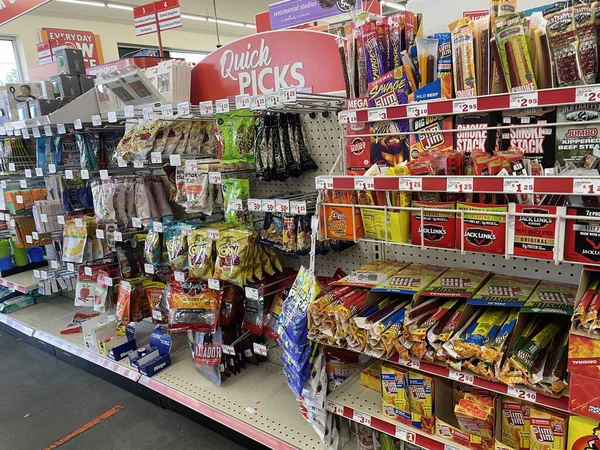
Dollar Tree is closing 370 Family Dollar locations as leases expire, continuing its shift toward the Dollar Tree banner. That follows hundreds of prior Family Dollar closures and underscores how parent companies are becoming more selective about which store formats deserve future investment. Store conditions, pricing pressure, and execution issues have weighed on Family Dollar for years. In a retail environment split between powerful national winners and stressed midtier players, weaker concepts are being pared back quickly.
7. Denny’s is using closures to reset the chain
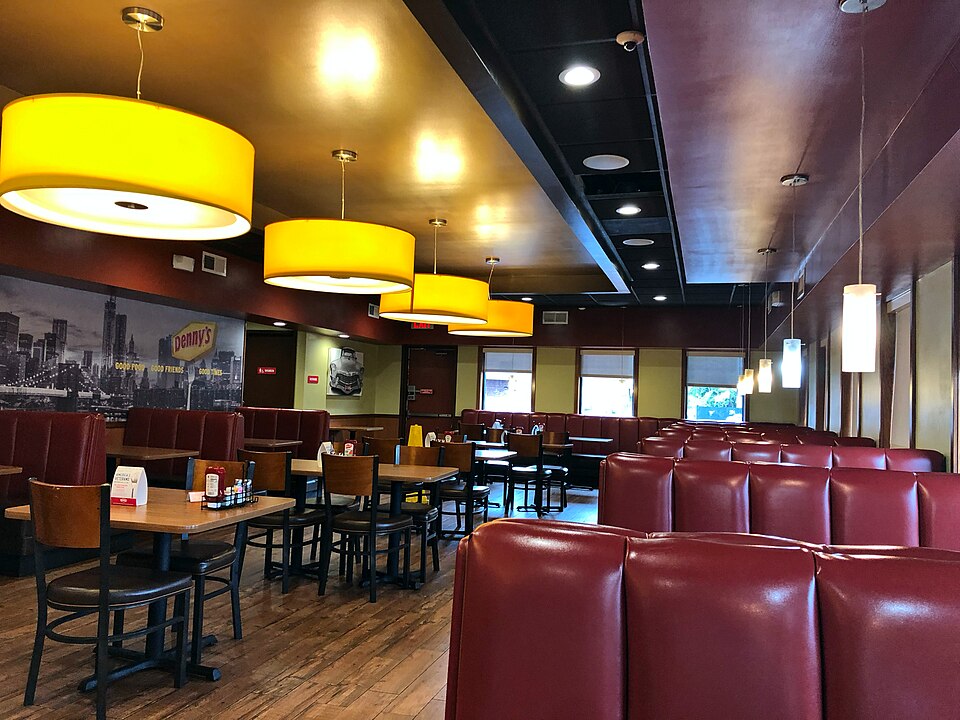
Denny’s said it would close 150 restaurants by the end of 2025 as part of an effort to improve brand health. The family-dining chain has been dealing with the same pressures affecting much of casual dining: labor costs, changing meal habits, and competition from delivery-friendly and fast-casual brands. By early 2026, the company had completed that 150-restaurant plan. The larger takeaway is that older sit-down formats are increasingly judged on whether each location can justify its labor and real estate costs.
8. Inditex is shrinking stores while protecting fashion reach
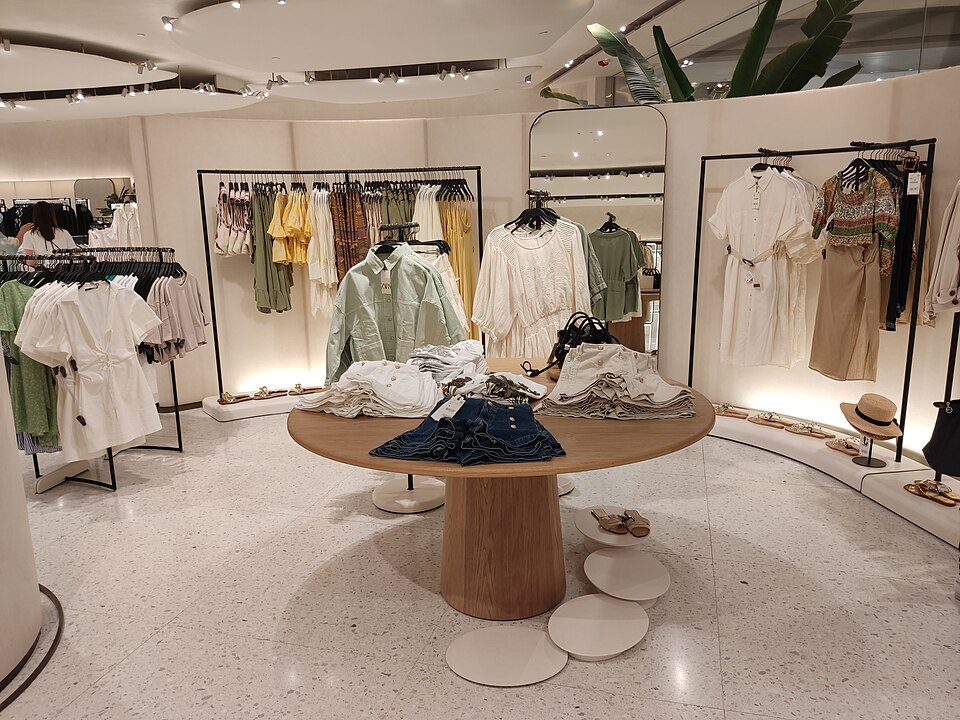
Inditex, the parent of Zara and other apparel brands, reported 132 fewer stores globally in 2025. The reductions included Zara, Zara Home, Massimo Dutti, Oysho, Pull&Bear, and Stradivarius, even as some brands in the portfolio expanded. This kind of reshaping looks different from a bankruptcy story. It reflects a fashion strategy that leans harder on integrated online and in-store shopping, fewer weaker sites, and more emphasis on standout flagship locations.
9. Carter’s is following parents online
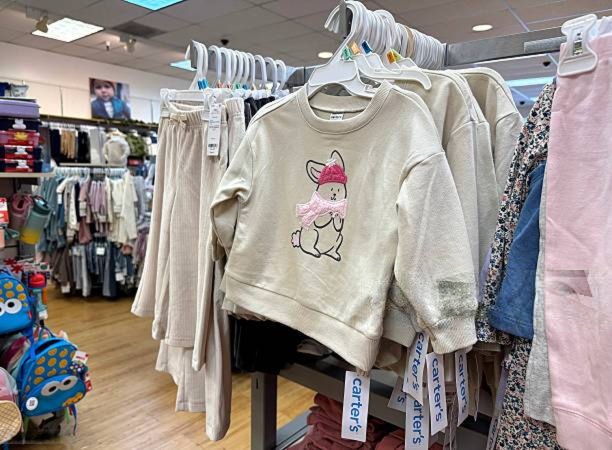
Carter’s plans to close about 100 stores across 2025 and 2026 as part of a larger three-year plan. The children’s apparel retailer is responding to a market where more families buy through e-commerce, wholesale partners, and big-box stores instead of making a dedicated trip to a specialty location. The company also said it would reduce its office-based workforce by 15%, or 300 positions. That combination signals a broader restructuring, not a simple one-year pullback.
10. Macy’s captures the department store problem in one brand
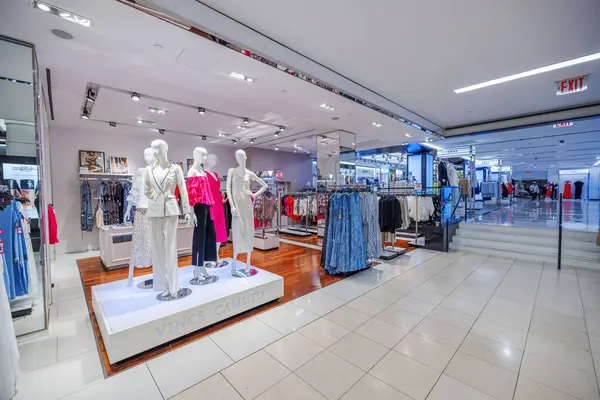
Macy’s is closing 66 stores in 2025, the opening phase of a larger plan to shut 150 by 2026. Department stores have been losing relevance for years as consumer traffic moved toward discount chains, warehouse clubs, and e-commerce.
The long-term backdrop is difficult to ignore. One retail analysis said more than 8,100 stores closed in 2025, while economists have pointed to the lasting shift toward online buying and warehouse-style retail. Macy’s is trying smaller formats and digital integration, but the traditional mall anchor model continues to weaken.
The common thread across these closures is not one bad quarter. It is a new map of how Americans shop, eat, refill prescriptions, and decide whether a trip to a physical location still feels necessary. For shoppers, that can mean fewer nearby options and longer drives for specialized goods or pharmacy help. For chains, it means every location now has to prove it belongs.

