
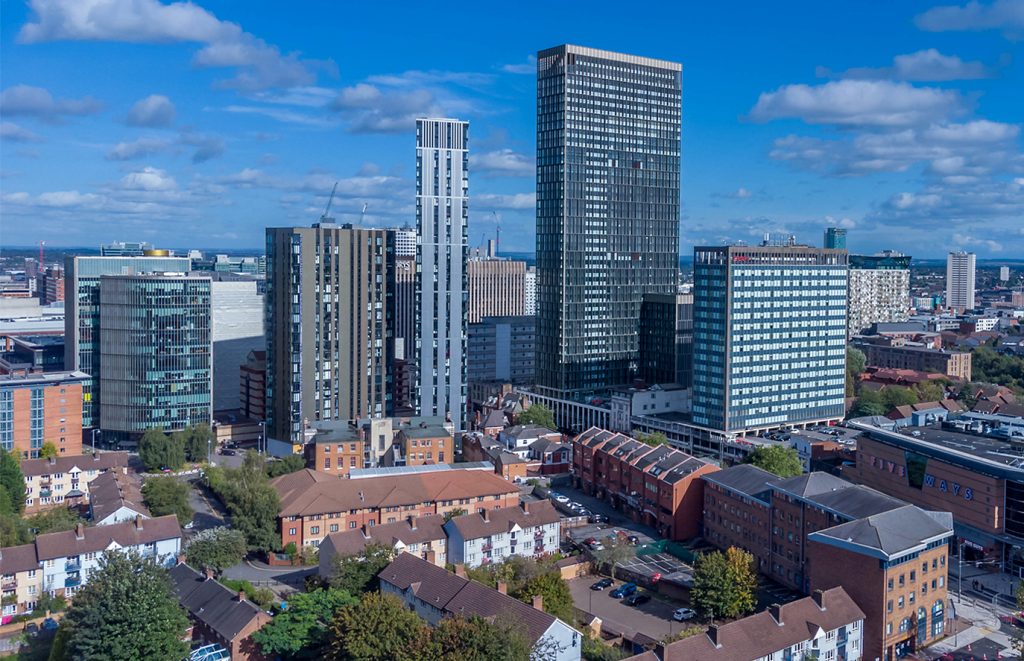
National crime numbers have been moving in a better direction, but that has not erased the impact of a smaller group of cities that continue to dominate public anxiety about safety. The broader backdrop matters: major-city data showed homicides were down just over 19% in 2025, while other violent offenses also declined across much of the country.
That improvement makes the outliers more visible, not less. In these cities, crime is often concentrated in specific neighborhoods, shaped by local conditions, and powerful enough to influence how urban safety is discussed nationwide.
1. Memphis
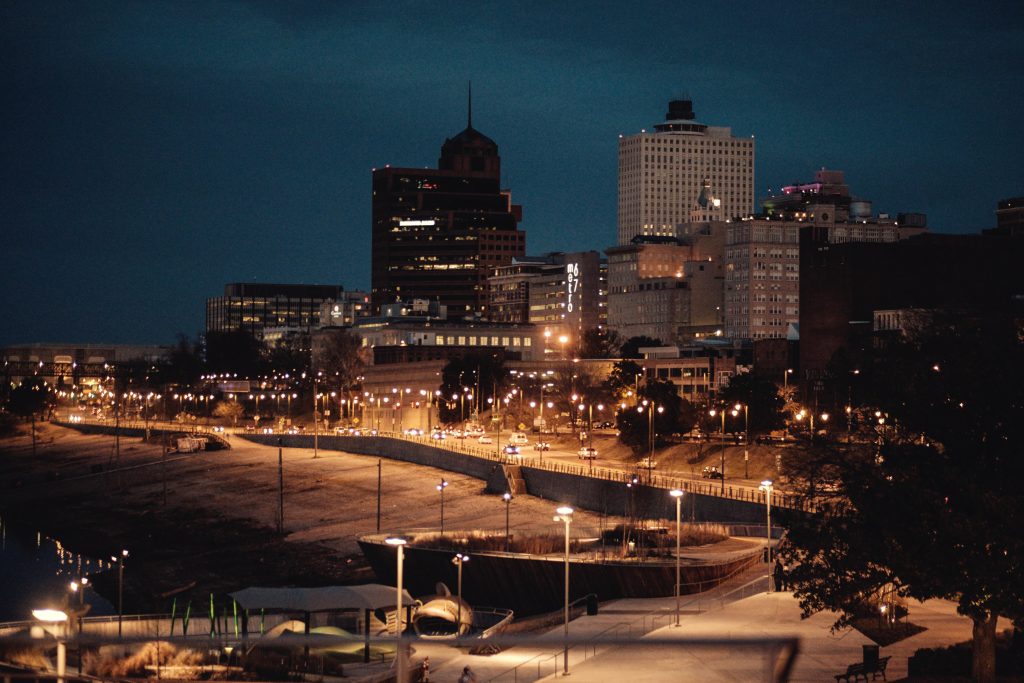
Memphis remains one of the clearest examples of how high rates can overshadow local progress. Even as national violence trends eased, the city continued to post unusually high levels of aggravated assault and firearm-related harm, keeping it near the top of conversations about urban danger. The concentration of risk is part of the story. Daily life can feel very different from one block to the next, which helps explain why businesses have leaned on cameras, guards, and restricted access. That visible layer of private security has become its own signal that residents and owners are adapting to a city where localized crime still shapes the broader reputation.

2. St. Louis
St. Louis shows how per-capita math can amplify a city’s national image. With a smaller population, violence clustered in a limited number of neighborhoods can produce rates that look extreme compared with larger cities. At the same time, the city has posted meaningful progress. The Council on Criminal Justice found St. Louis had a 40% lower homicide rate than the same pre-pandemic period in one 2025 comparison, and robberies have fallen sharply since 2019. That tension between better trendlines and a stubborn reputation helps explain why St. Louis still lands so often in national safety debates.
3. Baltimore
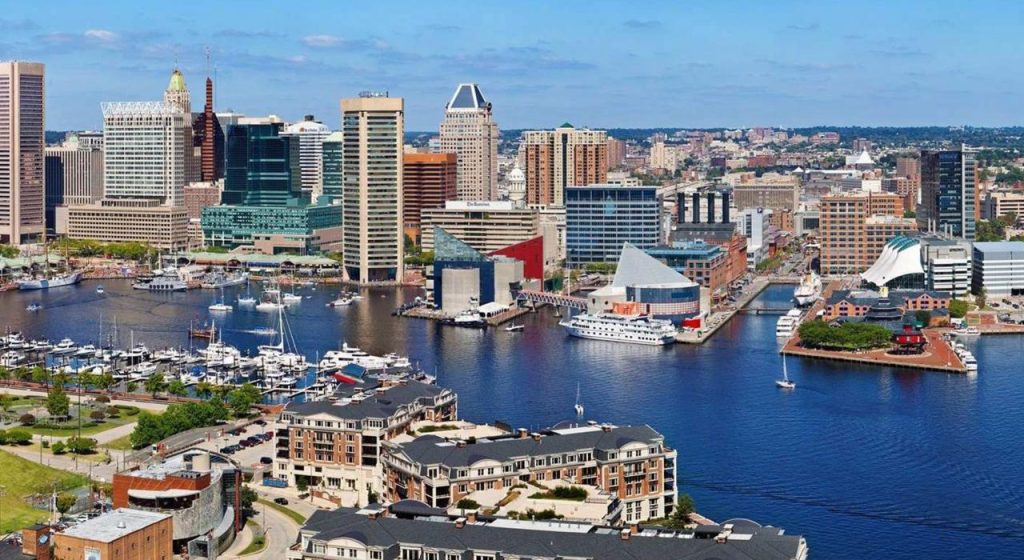
Baltimore’s image is still tied to gun violence, even with recent declines. The city’s biggest challenge is not just the number of incidents but the way they recur in familiar places, creating a sense that progress has not fully reached the streets that need it most. Long-term data has been encouraging. Baltimore recorded the largest homicide drop since 2019 among cities studied, at 60%. Yet public confidence can lag behind the numbers when case resolution remains a concern and residents do not feel that statistical gains have translated into reliable everyday safety.
4. New Orleans
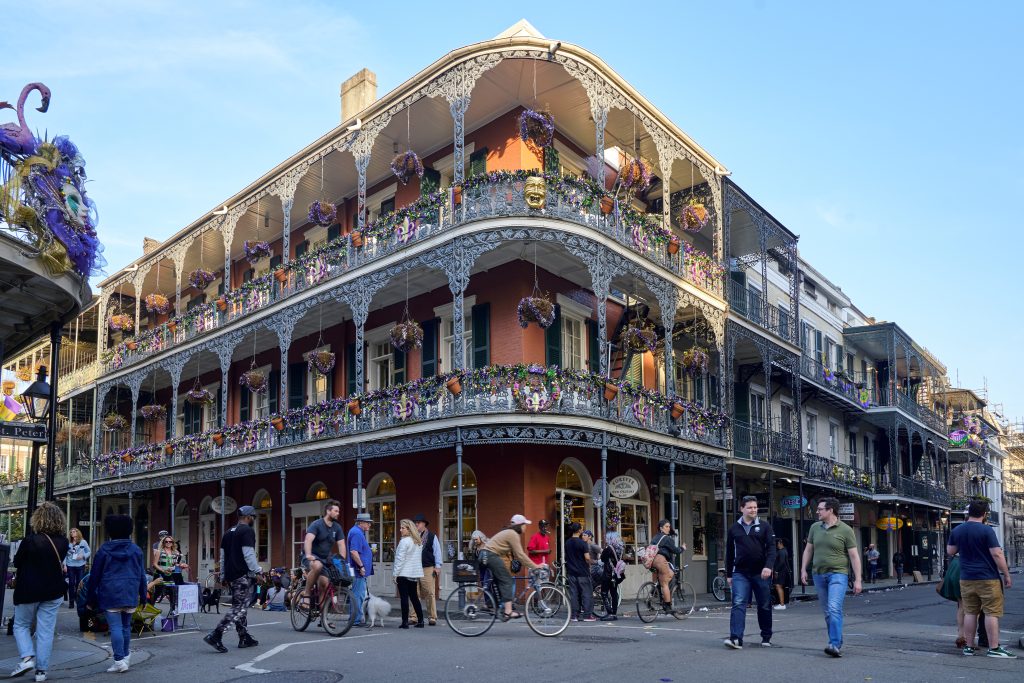
New Orleans carries a complicated public-safety profile because tourism, nightlife, traffic deaths, and neighborhood-level violence all collide in one national image. Highly monitored visitor corridors can coexist with very different conditions in residential areas, especially after dark. Recent local figures have pointed to major improvement, including steep declines in reported crime and executions over a multiyear stretch. Even so, the city remains one people associate with volatility, partly because swings from year to year can be dramatic and partly because its reputation has outlasted its latest gains.
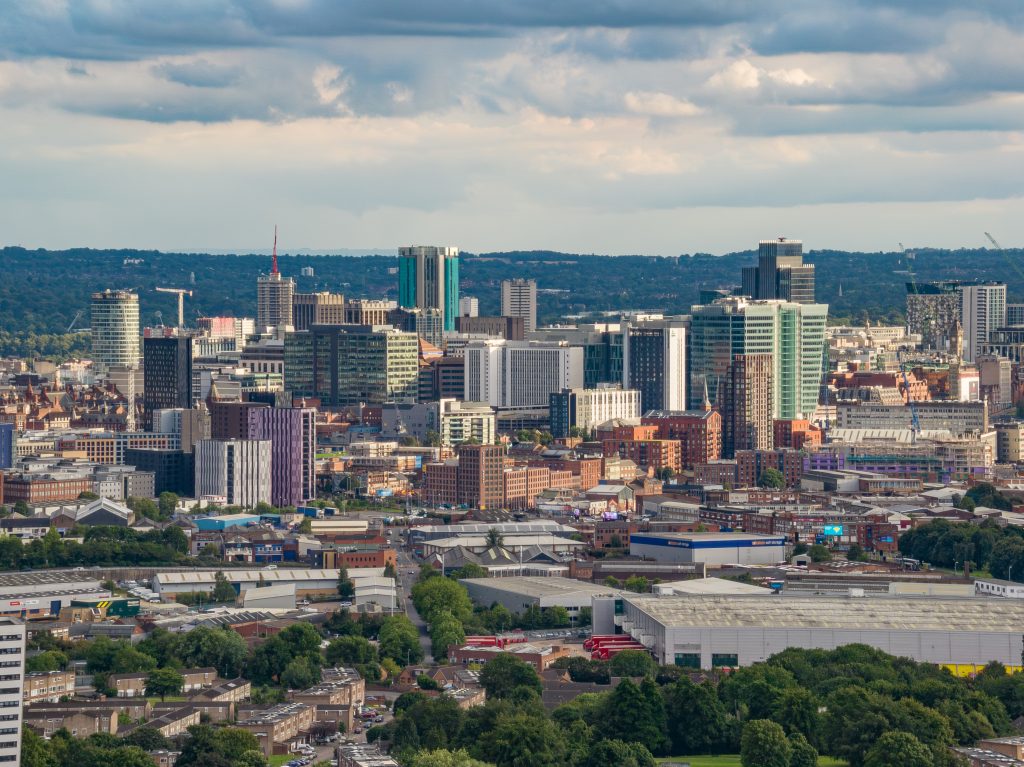
5. Birmingham
Birmingham stands out for how tightly serious violence is concentrated. A relatively small number of neighborhoods account for much of the city’s most severe harm, putting pressure on schools, households, and local institutions at the same time. The city has responded with prevention funding, hospital-linked intervention, and street outreach built around trust. That approach has coincided with a sharp drop in homicides from 2024 to 2025, giving Birmingham a different profile than cities that rely only on enforcement-heavy narratives.
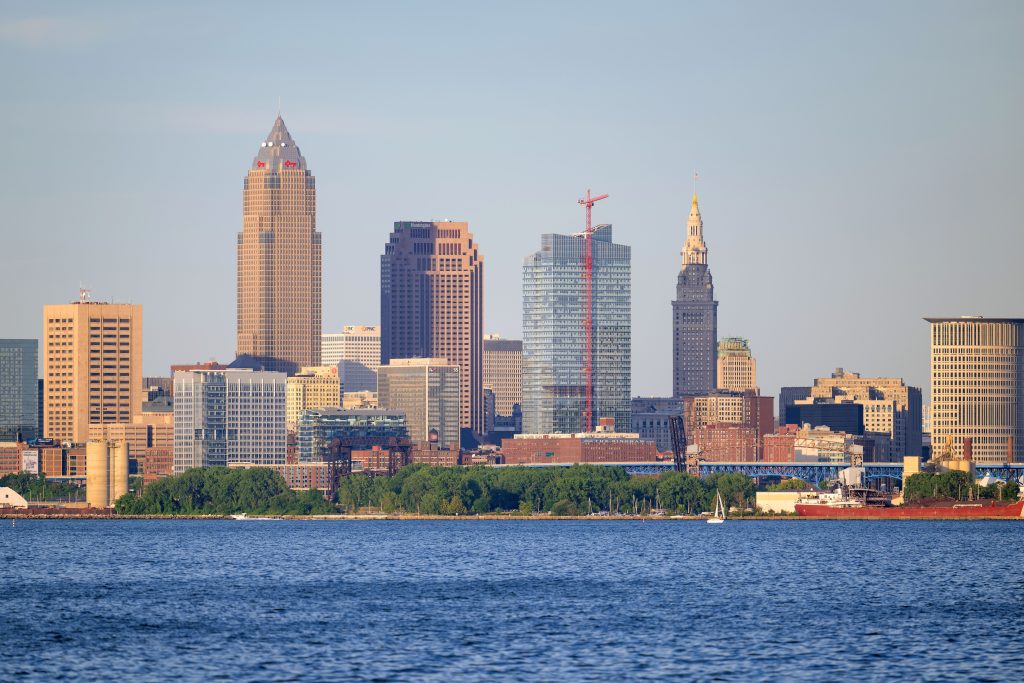
6. Cleveland
Cleveland’s crime story is deeply connected to the physical environment. Long-term population loss and vacant housing have left some neighborhoods with visible blight, and that overlap with violent crime hotspots has made the city a case study in how place conditions shape public safety. Research has linked concentrated vacancy with elevated levels of homicide, robbery, and aggravated assault. City responses such as demolition, better lighting, corridor patrols, and camera expansion reflect a practical recognition that safety is not only about arrests; it is also about what abandoned spaces allow to persist.
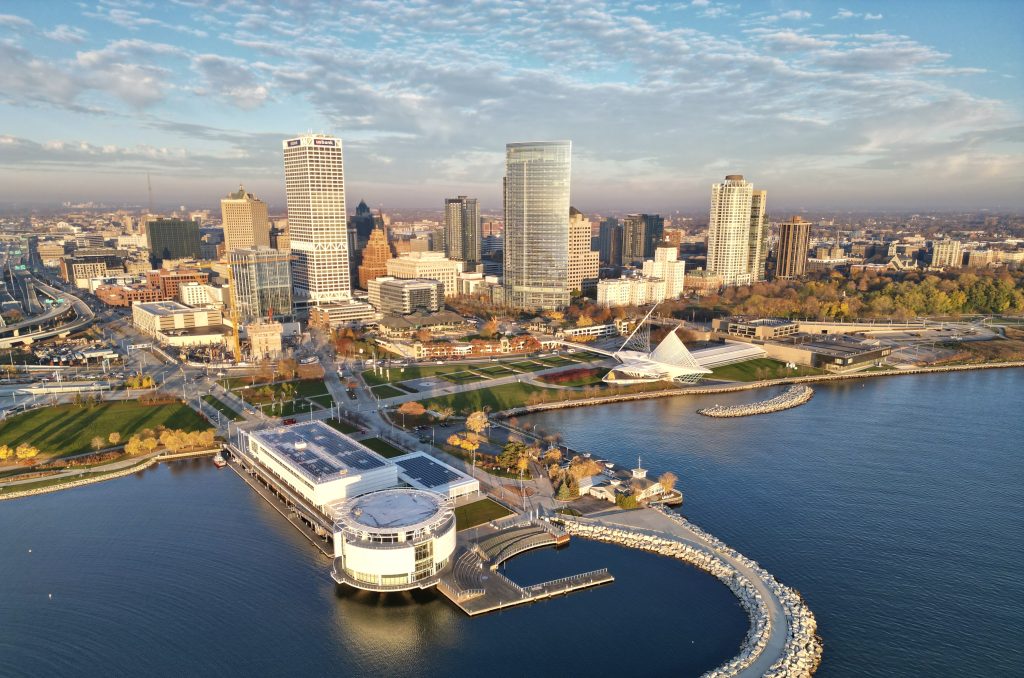
7. Milwaukee
Milwaukee’s crime patterns often rise and fall with the seasons, making summer a recurring stress point. The city has seen declines in several categories, but youth involvement and conflict escalation continue to define much of the conversation around violence. That inconsistency matters. While many offense categories have improved, Milwaukee was also identified among cities with a modest homicide increase in 2025, according to year-end crime trends in 40 large U.S. cities. Community mediation and retaliation-prevention programs remain central because the problem is often described less as organized criminality and more as combustible disputes that turn deadly.

8. Baton Rouge
Baton Rouge continues to carry a heavy burden for a city of its size. Firearm violence, economic strain, and the difficulties surrounding reentry after incarceration all feed a pattern that keeps the city in national discussions of elevated risk. Its smaller population makes the numbers feel bigger, but the underlying pressures are concrete. When economic instability and neighborhood stress overlap, even modest shifts in violence can have an outsized effect on how the city is perceived.
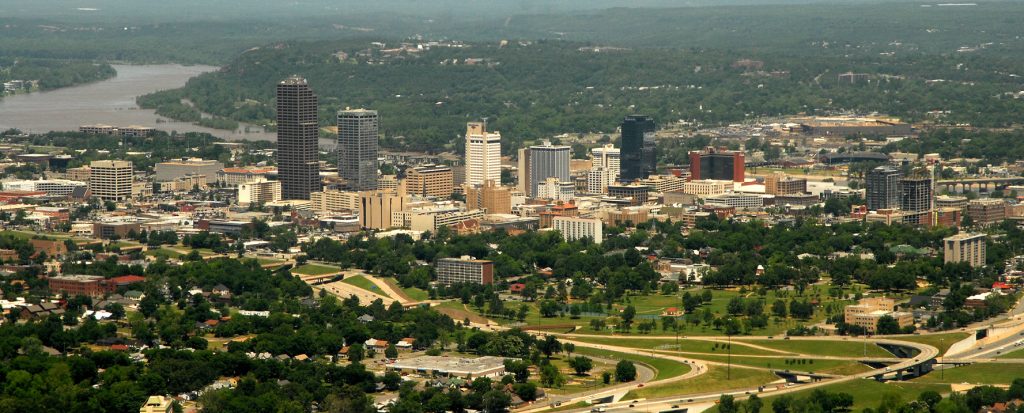
9. Little Rock
Little Rock drew attention because its trajectory did not neatly match the national pattern. At a time when many large cities were reporting declines, its homicide numbers had periods of increase that made the city stand out more than its size would suggest. Housing instability has been part of the concern, especially in neighborhoods with high rental turnover and weaker community ties. Yet city leaders have also pointed to substantial multiyear reductions in both homicides and overall crime, making Little Rock an example of how a city can generate alarming headlines while still posting a longer-term recovery trend.
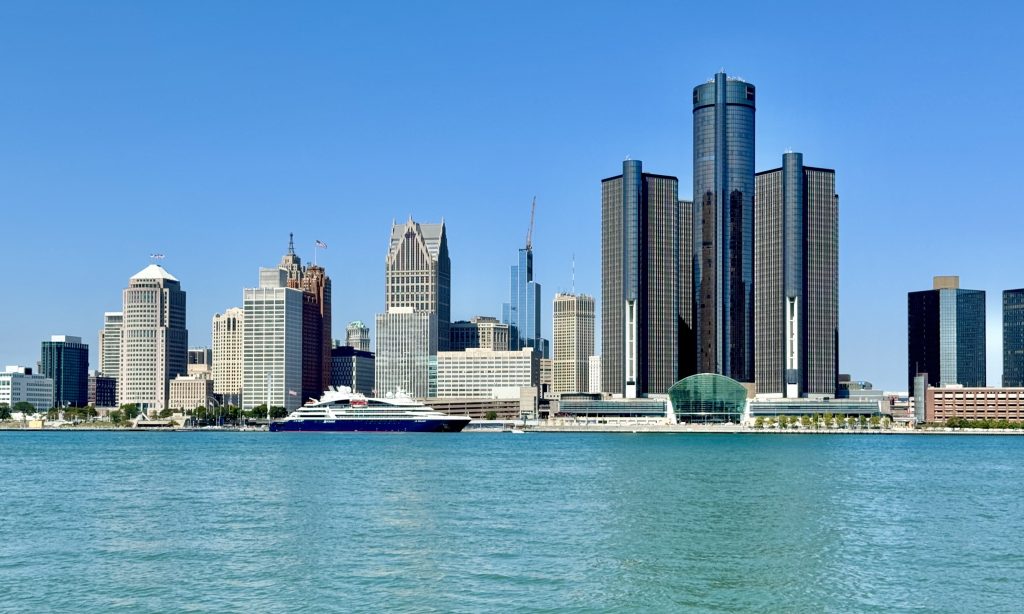
10. Detroit
Detroit remains one of the cities most associated with legacy concerns about violence, disinvestment, and infrastructure strain. Even when crime is concentrated in particular areas, the national impression tends to spread that risk across the whole city. That gap between neighborhood reality and citywide reputation affects more than image. It can shape investment, relocation decisions, and whether improvements are believed when they happen. Detroit’s challenge is not only reducing violence further, but also changing a perception built over decades.
What links these cities is not a single crime pattern. Some are dealing with firearm violence, others with blight, youth conflict, or the arithmetic of small populations and concentrated harm. They also share something else: each sits inside a country where crime has broadly fallen. That contrast is exactly why they remain so influential. When a handful of cities keep producing troubling numbers, they do more than struggle locally; they shape how safe America feels nationally.

