

The 1950s left behind a long list of everyday habits that once looked ordinary, practical, or simply unremarkable. In many cases, the law had not yet caught up with changing ideas about safety, public health, and responsibility. That gap has narrowed. Behaviors that might once have drawn a shrug can now lead to citations, misdemeanor charges, license suspensions, or more serious criminal consequences depending on where they happen and who is put at risk.

1. Driving after “just a few drinks”
Midcentury culture often treated drinking and driving as a lapse in judgment rather than a criminal act. That changed over decades as states expanded impaired-driving laws and enforcement. Today, in most states, a BAC of 0.08% or higher is illegal for drivers 21 and older, while younger drivers usually face lower limits.
The legal consequences can extend far beyond a ticket. A DUI or DWI may bring arrest, court supervision, license suspension, mandatory education programs, ignition interlock requirements, and jail time. Advocacy and tougher legislation also changed public expectations, with MADD noting that the .08 BAC national standard remains the law of the land.

2. Letting children ride loose in the car
In the 1950s, children often stood on seats, bounced around back benches, or sat in rudimentary carriers that were designed more for visibility than protection. Modern law treats child restraint very differently. By 1985, every state had laws requiring car seats, and safety standards kept evolving after that.
Early “child seats” were not true restraints at all. As car-seat history shows, car seats became mandatory in every U.S. state in 1985. Today, failing to secure a child properly can lead to traffic charges, and in severe cases involving injury or recklessness, the consequences can become much more serious.

3. Riding unrestrained in a vehicle
For adults, too, being tossed around a moving car used to be common. Bench seats, no shoulder belts, and casual attitudes defined the era. Modern laws in many jurisdictions now require seat belt use, and violations can bring fines and additional liability after a crash. The legal shift reflects a larger change in how preventable harm is viewed. What once counted as ordinary risk now falls into a regulated category of avoidable danger, especially when passengers are minors.
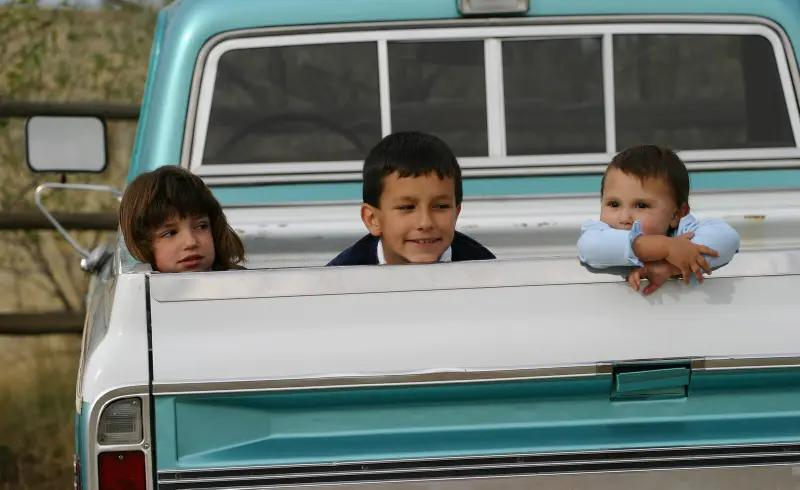
4. Putting kids in the bed of a pickup truck
Midcentury families often treated the open bed of a truck like extra seating. That image still survives in nostalgia, but modern law is far less forgiving. State rules vary widely, and many limit or prohibit minors from riding there except in narrow situations such as parades, agricultural work, or emergencies. Texas, for example, allows adults to ride there but limits younger passengers, and violations involving children can lead to misdemeanor charges. Nationally, state-by-state restrictions compiled by the IIHS show that many states restrict who may ride in pickup cargo areas.

5. Burning or dumping household chemicals anywhere convenient
A common older habit was to pour paint, pesticides, oil, or solvents down a drain, onto the ground, or into the trash without much thought. Today, that kind of disposal can violate local and state environmental rules and, in some situations, trigger criminal enforcement.
The EPA warns that improper disposal includes pouring hazardous leftovers down drains, on the ground, or into storm sewers. Those materials can pollute water systems, injure sanitation workers, and create dangers for children and pets. Modern waste laws treat careless disposal less like a household shortcut and more like a preventable public hazard.

6. Reusing dangerous products in food containers
It once seemed practical to save a bottle or jar and refill it with kerosene, cleaners, or pesticides. That habit is now recognized as dangerous because it increases the risk of poisoning, chemical exposure, and accidental ingestion.
The EPA specifically advises people to keep hazardous products in their original containers and not remove labels. If misuse harms someone, the issue can move beyond a safety mistake and into negligence or criminal endangerment territory, especially when children are involved.

7. Mixing leftover chemicals together
A basement or garage cleanup in the 1950s might have included combining old paint, cleaners, oils, or pesticides into one container for disposal. Modern safety guidance treats that as a serious mistake because incompatible products can react, ignite, or explode.
That matters legally as well as practically. When hazardous materials are mishandled and create fire risks, toxic exposure, or contamination, authorities may respond under local fire, environmental, or public-safety laws rather than treating it as a private household matter.
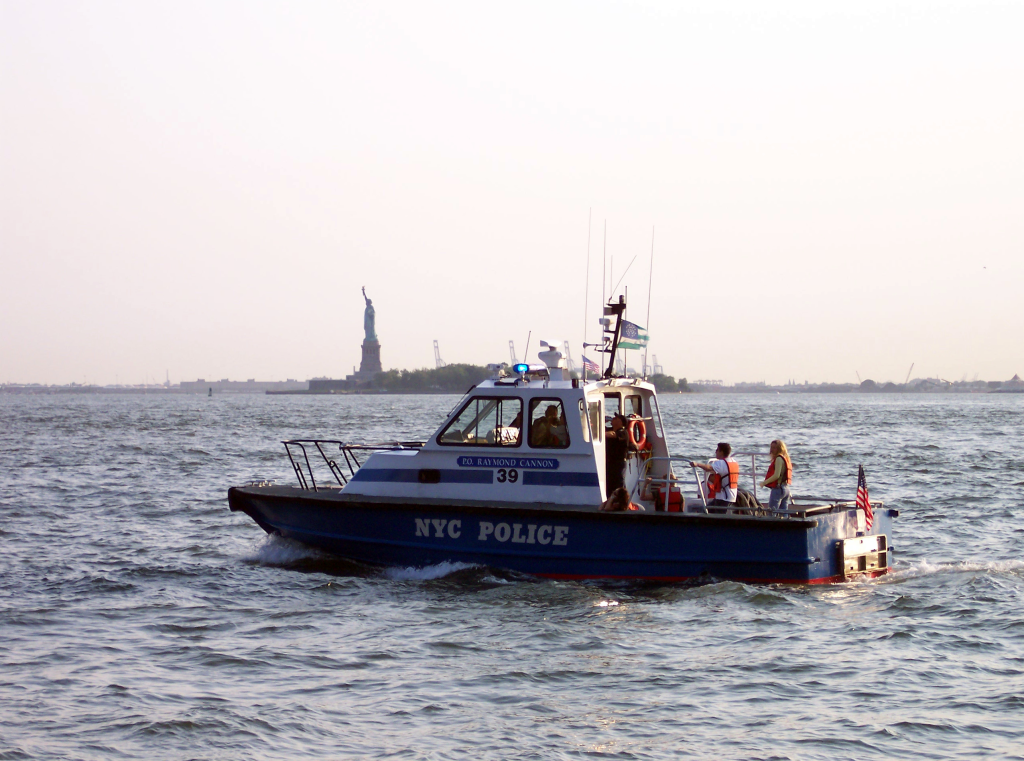
8. Operating boats while intoxicated
Boating once carried a looser social code than driving on land. That distinction no longer protects intoxicated operators. Many states now enforce boating-under-the-influence rules, and penalties can include fines, jail time, and license-related consequences. The broader impaired-operation principle now applies across forms of transportation. Alcohol-related risk on the water is treated as a public-safety issue, not a leisure-time exception.

9. Flying after drinking
In an earlier era, social drinking around travel culture was far more normalized. Modern aviation rules are explicit. Federal Aviation Regulation 91.17 bars pilots from flying with an alcohol level of 0.04% or more, within eight hours of consuming alcohol, or while under the impairing influence of a drug. That puts conduct once dismissed as irresponsible squarely into a criminal and career-ending category. The same general shift applies to other heavily regulated transportation roles, including rail and commercial driving.

10. Treating “everyday recklessness” as harmless family life
Many 1950s habits share the same underlying assumption: if something was familiar, it was acceptable. That included leaving children unrestrained, carrying extra passengers in unsafe spaces, or handling toxic materials casually around the home. Modern law does not always punish nostalgia, but it does punish preventable risk more often than it once did. The legal system now places greater weight on foreseeable harm, especially when vehicles, alcohol, hazardous substances, or child safety are involved.
The biggest change is not only legal language. It is the modern expectation that people control risks that earlier generations often accepted as part of daily life. That is why some behaviors remembered as ordinary can now lead to criminal charges, even when they once passed without comment.

