
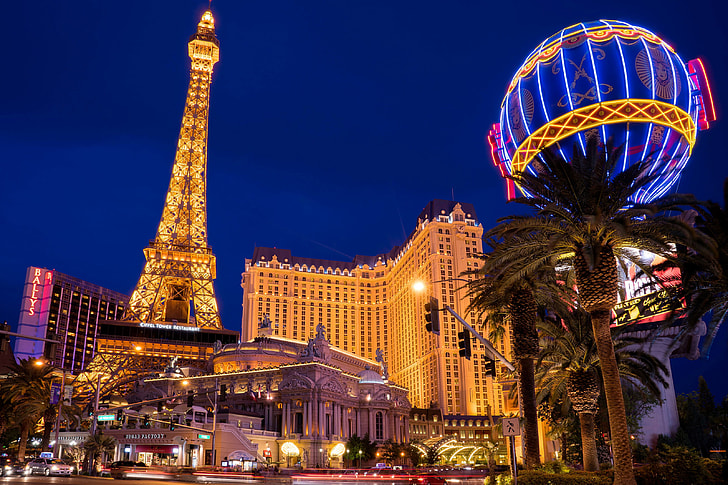
Las Vegas still knows how to make an entrance. The lights, the spectacle, the all-hours energy, and the promise of escape remain part of its draw. But for many American travelers, the math behind that escape has changed.
A city built on feeling bigger, freer, and more indulgent now faces a more practical audience one that notices surprise fees, compares alternatives quickly, and no longer needs to board a plane just to place a bet.
1. Visitor declines are no longer a one-month blip
The slowdown has been persistent enough to reshape how people read the city’s appeal. The main article noted an 11.3% year-over-year drop in visitors in June 2025, and other months showed similar weakness, with airport traffic also slipping. One reference article described 2025 as a year when Las Vegas posted 12 straight months of visitation declines, a sign that the problem reaches beyond seasonality. For a destination that depends on volume, fewer arrivals affect more than hotel occupancy. Restaurants, gaming floors, entertainment venues, rideshare drivers, and service workers all feel the slowdown.
2. Travelers are treating Vegas like a discretionary luxury
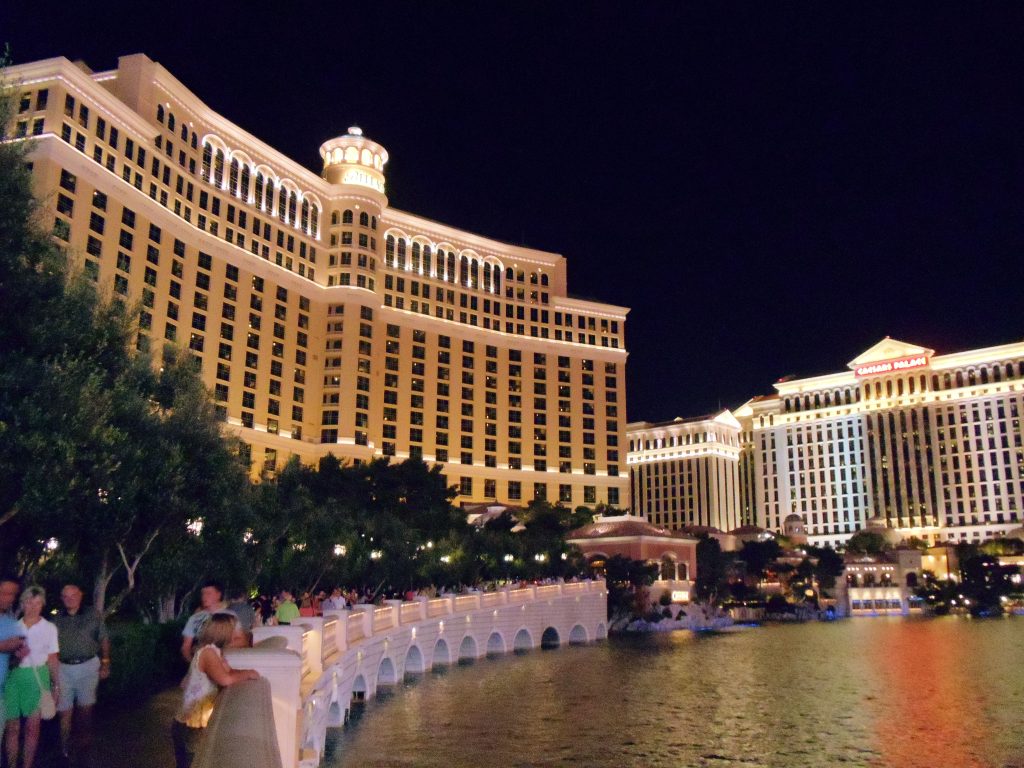
Las Vegas has always depended on money people can choose to spend, not money they have to spend. When household budgets tighten, the city often lands on the cut list before groceries, rent, or car payments do. That pressure shows up in behavior as much as in bookings. Andrew Woods of UNLV’s Center for Business and Economic Research said visitors are “more discerning about where and how they’re traveling and where they’re spending their dollars.” The shift matters because Vegas relies on a willingness to splurge, not just to show up.
3. Hotel pricing often looks better online than at checkout
One of the biggest irritants is not always the room rate itself. It is the final total after taxes, resort fees, and parking are added. Rick Harrison, the “Pawn Stars” figure and Las Vegas business owner, captured the complaint directly: “That’s what [ticks] people off when you go to check out, and it was $149 a night. … You have the tax, the hotel tax, and you have a resort fee, and you have the parking fee and … and now it’s $300 a night or $400 a night.” He added, “Be upfront with the prices, OK?” The frustration is less about luxury than transparency.
4. Small purchases now carry outsized emotional weight
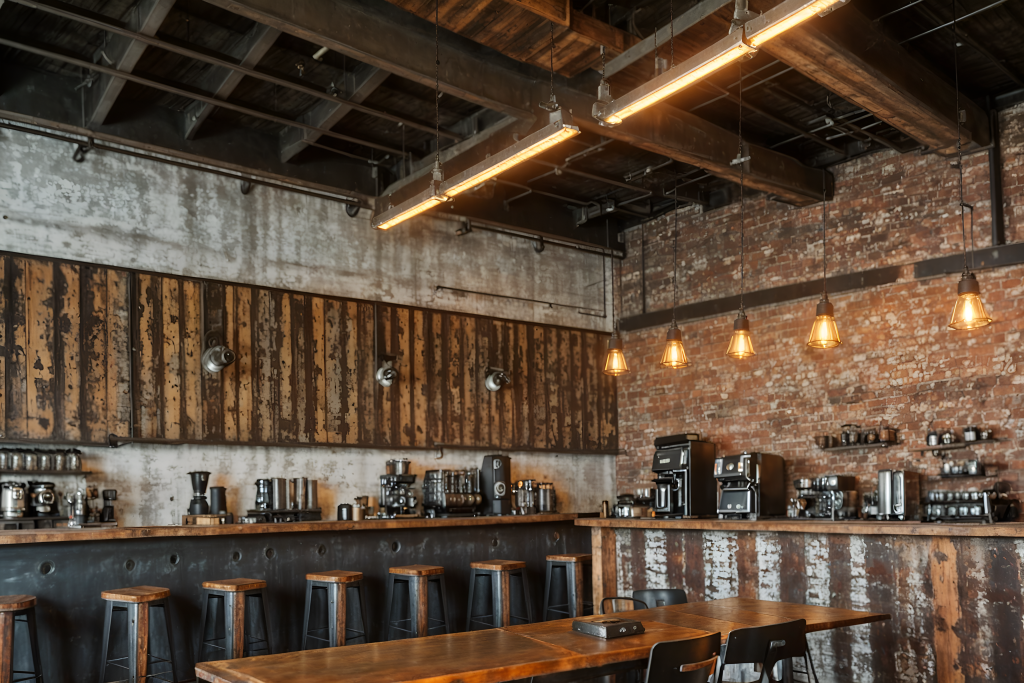
A city can survive expensive suites and premium restaurants. It has a harder time defending ordinary purchases that feel unreasonable. That is why coffee, bottled water, and basic drinks keep showing up in traveler complaints. The main article highlighted $12 lattes and $25 cocktails, while another source cited tourists balking at $30 for two beers and parking that used to be free. MGM Resorts CEO Bill Hornbuckle acknowledged the disconnect with a blunt line: “You can’t have a $29 room and a $12 coffee.”
5. The gambling value proposition looks weaker than it used to
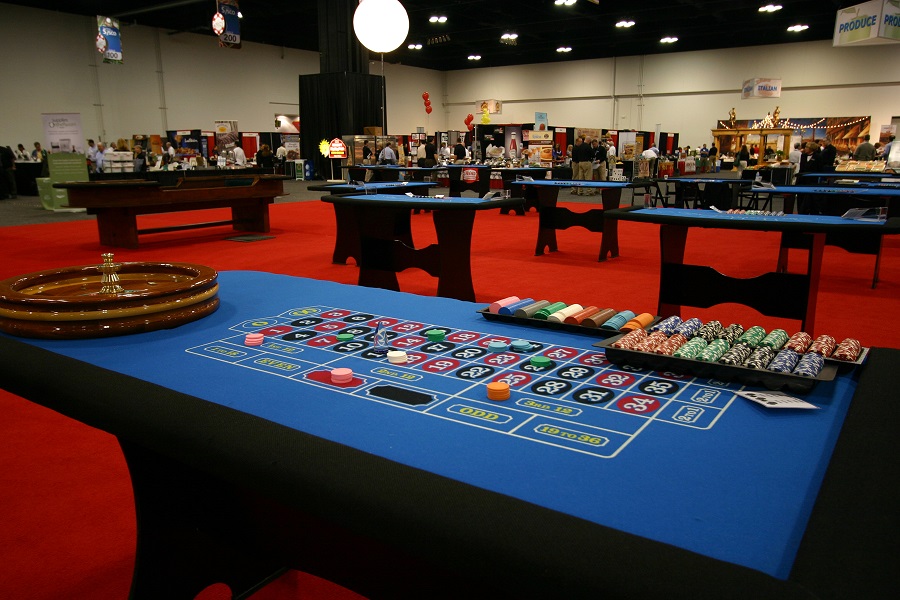
Vegas once sold a very specific kind of budget thrill: inexpensive tables, free drinks, and the sense that a modest bankroll could still buy a long night out. That formula has eroded. One reference article noted that low-minimum blackjack tables have become far rarer, while NPR’s interview with Luke Winkie pointed to the spread of triple-zero roulette, which gives the house an even stronger edge. For casual players, that changes the emotional contract of the trip. The game feels shorter, harsher, and less social when a few hands can wipe out a night’s budget.

6. Younger travelers do not see old Vegas branding as aspirational
Millennials and Gen Z have not rejected travel. They have rejected some of the symbols that once sold Las Vegas so effectively. Reference coverage described younger visitors as more sensitive to value, less interested in bottle-service nightlife, and more likely to call the city’s image artificial or dated. The main article included Robby Starbuck’s summary: “The Vegas marketing image is one centered on slots and showgirls, two things young people have no interest in.” That critique cuts at branding, not just pricing.

7. Online betting has removed one of Vegas’s old exclusives
For decades, gambling itself was the trip. Now it can happen on a phone, on a couch, or during a lunch break. The main article cited a $12.68 billion online gambling market in 2024, and multiple references described digital betting as a direct substitute for some would-be visitors. That does not eliminate Vegas’s social appeal, but it does weaken a core reason many casual gamblers once had for going.
8. Competing destinations now offer better value with less friction
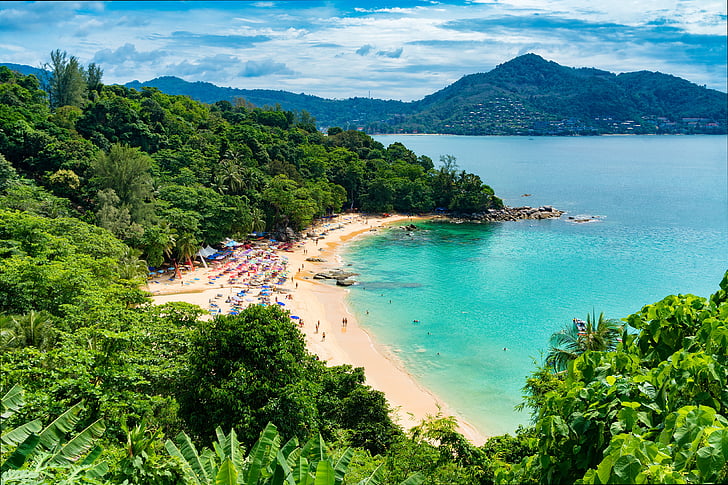
Las Vegas no longer stands alone as the easiest place to bundle nightlife, casinos, dining, and spectacle. Regional gaming markets, beach towns, and short-haul getaways now compete for the same traveler. Some alternatives also promise something Vegas struggles to fake: authenticity, outdoor access, or a lower-stakes atmosphere. When travelers can compare a Strip weekend against places like Reno, Biloxi, or a national park road trip, Vegas loses some of its former automatic advantage.
9. International softness changes the city’s energy too
Even when the focus is American tourists, international travel still matters because it supports longer stays and broader spending patterns. The main article pointed to a steep Canadian decline, and another source described weaker midweek volumes alongside softer overseas traffic. That matters beyond revenue. Las Vegas has long sold itself as a place where different crowds, accents, and spending habits collide. When those travelers pull back, the city feels less cosmopolitan and less buoyant.

10. The biggest problem may be a simple feeling: poor value
Tourism declines can come from many causes, but reputational damage often comes from one. People start telling each other the trip was not worth it. This is where Las Vegas appears most vulnerable. Travelers may accept high prices when the experience feels generous, memorable, and distinct. They resist when every interaction feels transactional. As Nate Silver said in the main article, “If at every interface you feel put out… you might reconsider your next trip.”
That line captures the broader risk facing the city better than any single monthly statistic. Las Vegas still has major advantages: scale, brand recognition, nonstop entertainment infrastructure, and a long history of reinvention. But the current pushback suggests the issue is not whether people know what Vegas offers. The issue is whether enough travelers still believe the experience justifies the bill.

